How Much Emergency Cash Should You Keep at Home?
Why Emergency Cash Still Matters
How much emergency cash should you keep at home? The answer depends on your family size, location, and preparedness goals, but having some cash available during an emergency can provide options when ATMs, banks, and card payment systems become unavailable.
This post contains affiliate links. I may earn a small commission at no extra cost to you. Learn more.
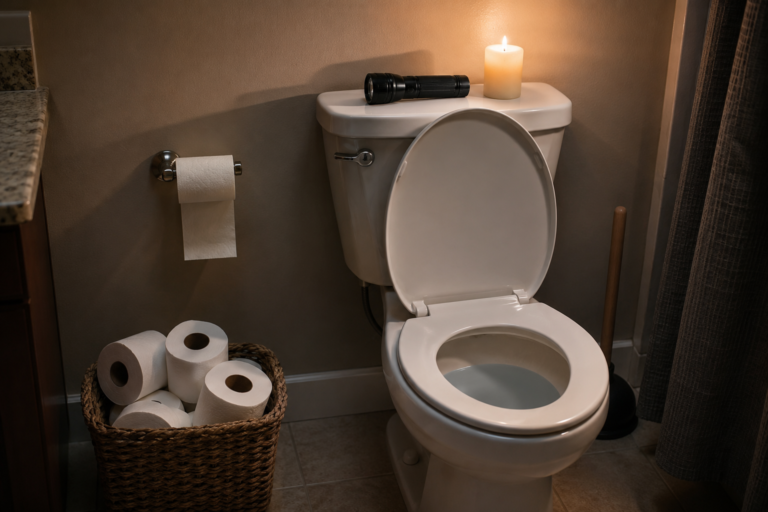
Most people preparing for emergencies focus on food, water, flashlights, batteries, and backup power, but cash is one of the most overlooked preparedness supplies. It sits quietly in the background until the moment electronic payments stop working, and then it suddenly becomes one of the most useful resources a family can have.
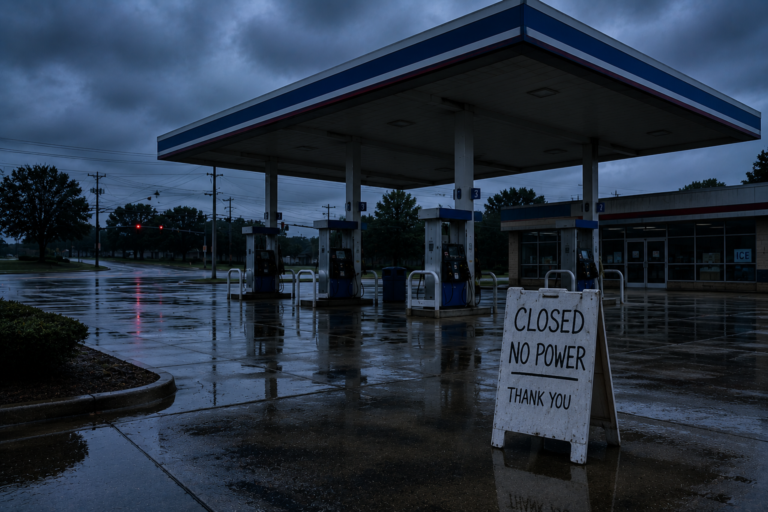
During a power outage, severe storm, cyberattack, or other disruption, stores may remain open while card readers, internet connections, or payment networks fail. Fuel stations may still have gasoline in their underground tanks, and local businesses may still have supplies available, but buying them becomes much harder when digital payments are unavailable.
Most emergencies do not require a huge stack of cash hidden in your home. Instead, they require enough physical money to cover essential purchases until normal banking and payment systems return. A few hundred dollars in small bills can often provide more flexibility during a short-term emergency than people realize.
Emergency cash is not a replacement for food storage, water supplies, or a solid preparedness plan. It is simply another layer of resilience. When combined with stored supplies and a realistic emergency plan, cash can help cover unexpected expenses, fuel purchases, medications, temporary lodging, and other necessities that often arise during a crisis.
For families building a blackout preparedness plan, emergency cash deserves a place alongside other essential supplies because payment systems are among the many services that can become unreliable when infrastructure is disrupted. As explained in What Stops Working First in a Long-Term Blackout?, many modern conveniences depend on electricity and communication networks that most people rarely think about until they fail.
The question is not whether you should keep some emergency cash at home. The real question is how much you should keep, where you should store it, and how it fits into your overall preparedness strategy.
Quick Answer
Most households should consider keeping between $300 and $1,000 in emergency cash at home, preferably in small bills. The ideal amount depends on your family size, location, transportation needs, and preparedness goals, but having accessible cash can make it much easier to purchase necessities when ATMs and electronic payment systems become unavailable.
✓ Key Takeaways
- Emergency cash provides flexibility when electronic payments fail.
- Small bills are more practical than large denominations.
- Store cash securely but keep it easily accessible.
- Build your cash reserve gradually over time.
- Cash works best alongside food, water, and other emergency supplies.
How Much Emergency Cash Should You Keep at Home?
The amount of emergency cash a family should keep at home depends on its size, location, and level of preparedness, but most households do not need thousands of dollars hidden away to improve their emergency readiness. The goal is not to replace a savings account. The goal is to have enough physical cash available to cover essential purchases when electronic payment systems are unavailable or unreliable.
A good starting point for many families is between $300 and $1,000 in cash. This amount can often cover fuel, groceries, medications, ice, emergency supplies, or a temporary hotel stay during a short-term disruption. Families who live in rural areas, travel long distances for work, rely on fuel for heating, or have several children may benefit from keeping a larger amount available.
Think about the expenses you would face if the power went out for several days and debit cards suddenly stopped working. You might need to fill vehicle fuel tanks, buy extra food, purchase batteries, replace a damaged item, or pay for transportation. Those costs can add up quickly, especially if multiple family members are involved.
Many preparedness experts recommend building an emergency cash reserve gradually rather than trying to save a large amount all at once. Setting aside a few dollars each week can eventually create a meaningful reserve without putting pressure on the household budget. Even keeping $100 to $200 in small bills is far better than having no cash available at all.
The exact number matters less than accessibility. During a widespread outage, an ATM may be out of service, a bank branch may be closed, or long lines may form as people rush to withdraw money. By the time most people realize they need cash, obtaining it may become much more difficult than usual.
It is also important to remember that emergency cash should complement other preparedness supplies rather than replace them. A family with stored food, water, medications, and backup lighting will usually need less cash during an emergency than a family that must purchase everything at the last minute.
As a general guideline, many households should aim for enough cash to cover at least several days of essential expenses without relying on banks, ATMs, or credit card networks. The exact amount will be different for every family, but having some cash on hand provides options when normal payment systems become unavailable.
This becomes especially important during power outages because payment systems often depend on the same infrastructure that supports communication networks, fuel distribution, and other services. As discussed in How Long Will Gas Stations Work During a Blackout?, fuel may still be available at some locations, but purchasing it can become difficult when electronic systems fail.
💡 Pro Tip
Set aside a small amount of cash each payday instead of trying to save hundreds of dollars all at once. Building your emergency cash reserve gradually makes the goal much easier to achieve.
| Household Size | Suggested Emergency Cash |
|---|---|
| 1–2 People | $300–$500 |
| 3–4 People | $500–$1,000 |
| 5+ People | $1,000+ |
Why Cash Still Matters During Emergencies
Many people assume that because they have money in the bank, access to credit cards, and payment apps on their phones, they are financially prepared for an emergency. Under normal circumstances, that is usually true. The problem is that modern payment systems depend on electricity, internet connections, computer networks, and banking infrastructure that can all experience disruptions at the same time.
During a local power outage, a store may have products available but be unable to process card transactions. A gas station may still have fuel in its underground tanks but be unable to operate pumps or payment terminals. An ATM may be physically standing in place, yet completely useless because it has lost power or connection to the banking network.
Even short-term disruptions can create problems. After major storms, it is common to see long lines at the few businesses that remain open. In some cases, stores switch to cash-only transactions because electronic systems are unavailable. People who rely entirely on cards often discover that having money in an account is not the same thing as having immediate access to that money.
Cash also provides flexibility when unexpected expenses appear. A family may need extra fuel, emergency supplies, a motel room, a prescription refill, or transportation during a disruption. During widespread outages, these expenses often appear at the same time that payment systems become less reliable, which is one reason many preparedness experts recommend planning for how fast society changes during a long-term power outage before an emergency occurs.
Another advantage of cash is that it works regardless of your cell phone battery, internet connection, or the condition of the local communication network. When technology fails, physical currency remains one of the simplest and most widely accepted forms of payment available.
This does not mean families should keep all of their savings at home. Banks remain the safest place for most money. Emergency cash is simply a backup resource designed to bridge the gap between normal financial systems and temporary disruptions. Think of it the same way you think about stored water or backup lighting. You hope you never need it, but when the situation arises, having it available can make life significantly easier.
Cash becomes even more valuable when combined with advance preparation. Families that already have food, water, and emergency supplies stored at home often need less cash during a crisis because they are not competing with everyone else for last-minute purchases. If you have already prepared for scenarios such as grocery store shortages during an emergency, your emergency cash can be reserved for truly unexpected needs rather than basic necessities.
📌 Did You Know?
Many businesses can continue selling products during a blackout but may switch to cash-only transactions because card readers and payment processors rely on electricity and communication networks.
The Best Bills and Denominations to Store
When building an emergency cash reserve, the amount of money you keep is important, but the denominations you choose can be just as important. Many people automatically think of storing large bills because they take up less space, but smaller bills are usually far more practical during an emergency.
Imagine trying to buy a few gallons of fuel, a bag of ice, or basic supplies when a business is operating under difficult conditions. If you hand over a $100 bill, there is a good chance the cashier may not have enough change available, especially if electronic payment systems are down and other customers are also paying with cash.
For that reason, most of your emergency cash should be stored in smaller denominations. Twenty-dollar bills provide a good balance between convenience and flexibility. They are widely accepted, easy to spend, and large enough to cover many common purchases without requiring a thick stack of cash.
A useful emergency cash reserve might consist primarily of twenties, along with a smaller number of tens, fives, and one-dollar bills. Having exact or near-exact payment can make transactions easier when businesses are dealing with long lines, limited staffing, or shortages of change.
For example, a family with a $500 emergency cash reserve might keep:
- $300 in twenty-dollar bills
- $100 in ten-dollar bills
- $75 in five-dollar bills
- $25 in one-dollar bills
The exact breakdown is not critical, but the goal is to avoid relying entirely on large bills that may be difficult to spend during a disruption. Smaller bills provide more flexibility and reduce the likelihood of overpaying when change is unavailable.
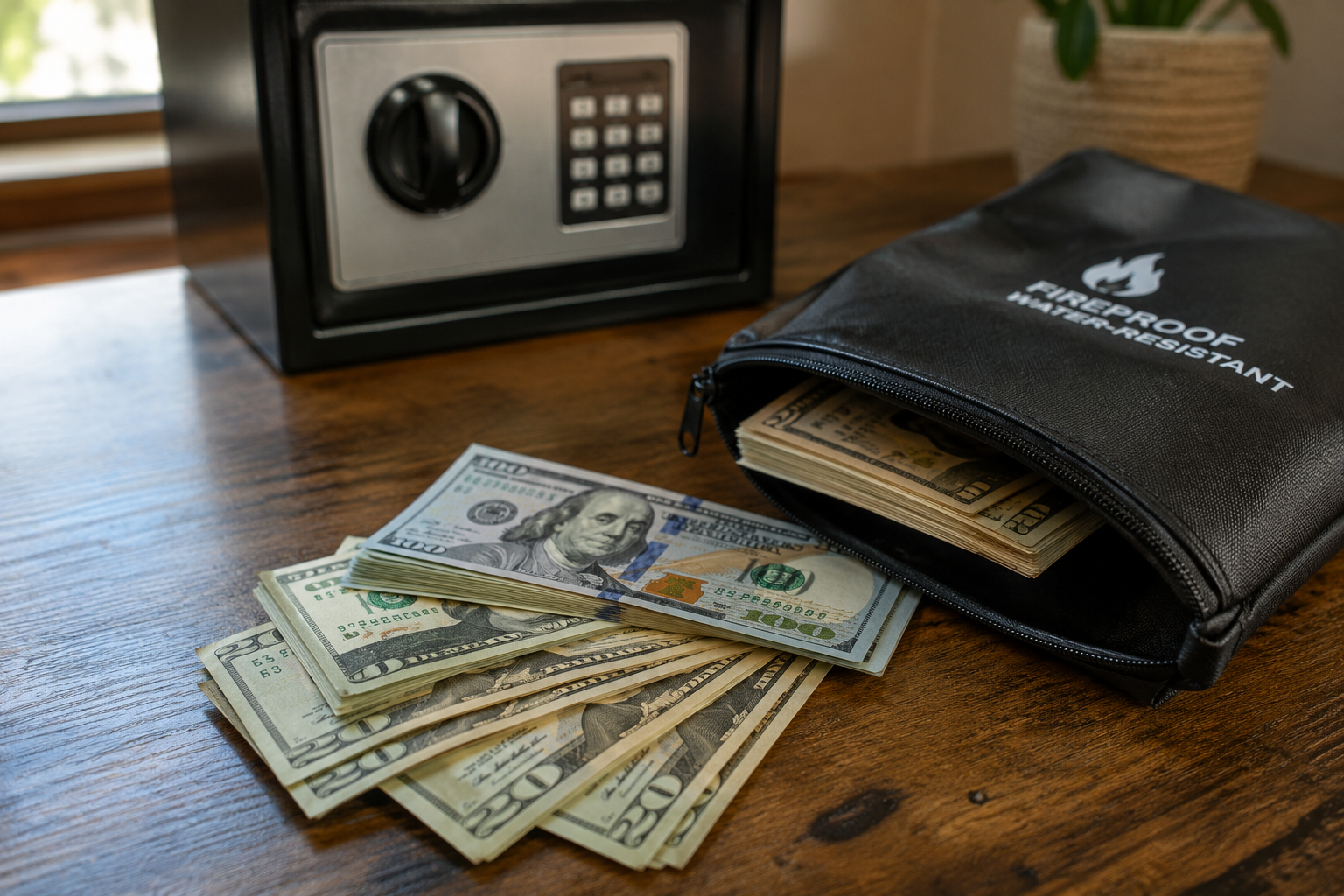
It is also a good idea to keep your emergency cash organized and protected from moisture, fire, and accidental loss. A neat stack of bills stored securely is much easier to manage than loose cash scattered around the house.
In a short-term emergency, convenience often matters more than the total amount of money available. Having the right mix of denominations can make it easier to purchase fuel, food, supplies, or other essentials quickly when normal payment systems are unavailable.
Where to Store Emergency Cash Safely
Keeping emergency cash at home only helps if you can access it when you need it. At the same time, it should be protected from theft, fire, water damage, and accidental loss. Finding the right balance between accessibility and security is one of the most important parts of any emergency cash plan.
One of the biggest mistakes people make is storing all of their emergency cash in a single obvious location. A bedside drawer, kitchen junk drawer, or wallet may seem convenient, but those are often the first places a thief would look. If your entire cash reserve is stored in one easily discovered location, you could lose it all in a matter of minutes.
For many households, a small fire-resistant safe provides a practical solution. It keeps cash protected from everyday risks while still allowing quick access during an emergency. A safe can also be used to store important documents, backup identification, insurance information, and other preparedness-related records.
Some families add a fireproof and waterproof money bag as an extra layer of protection for emergency cash, insurance papers, identification documents, and other important records. While a money bag should not replace a secure safe, it can help protect contents from moisture, smoke, and heat damage during an emergency.
Some families choose to divide their emergency cash into multiple locations. This approach reduces the risk of losing everything from a single incident. For example, a portion might be stored in a home safe while a smaller amount is kept in an emergency kit, bug out bag, or vehicle emergency kit.
Wherever you decide to store cash, make sure other responsible adults in the household know how to access it. An emergency reserve is not very useful if only one person knows where it is located and that person is unavailable during a crisis.
You should also consider the types of emergencies most likely to affect your area. In regions prone to flooding, waterproof protection becomes especially important. In areas with wildfire risk, fire-resistant storage deserves greater attention. The goal is not to create an elaborate hiding place but to ensure your cash remains available when normal financial systems are disrupted.
Avoid discussing your emergency cash reserve with people who do not need to know about it. Just as you would not advertise valuable supplies, generators, or firearms, there is little benefit to sharing details about how much cash you keep at home. Security often comes from keeping preparations private and uncomplicated.
Emergency cash should be treated like any other preparedness supply. It needs to be protected, easy to access, and maintained over time. Periodically check your reserve to ensure the bills remain in good condition and that the amount still matches your family’s needs. As your expenses, family size, or preparedness plans change, your emergency cash reserve may need to change as well.
If your emergency planning includes evacuation scenarios, it also makes sense to keep a small amount of cash with your go-bag or evacuation supplies. As discussed in Should You Stay or Bug Out?, having resources immediately available can provide additional flexibility when circumstances force quick decisions.
⚠ Important Warning
Avoid storing your entire emergency cash reserve in one obvious location. Dividing your cash between secure locations can reduce the risk of losing everything to theft, fire, or other unexpected events.
How Emergency Cash Fits Into Your Overall Preparedness Plan
Emergency cash is most effective when it works alongside the rest of your preparedness supplies rather than serving as your primary emergency strategy. While cash can help solve problems, it becomes far more valuable when basic necessities are already covered through advance planning.
For example, a family that has stored food, water, medications, batteries, and backup lighting may only need emergency cash for unexpected purchases. A family that waits until a disaster is already underway may need cash for nearly everything, often while competing with thousands of other people trying to buy the same supplies at the same time.
This is why preparedness is often about reducing dependence on last-minute purchases. Every gallon of water you store ahead of time, every shelf-stable meal you set aside, and every emergency supply you already own is one less item you may need to buy during a crisis.
Emergency cash is especially useful for filling gaps that are difficult to predict. A vehicle may need fuel. A prescription may need to be refilled. A hotel room may become necessary during an evacuation. A piece of equipment may fail when replacement parts are difficult to find. Cash gives you options when situations develop in ways you did not anticipate.
Many preparedness plans focus heavily on supplies while overlooking financial readiness. However, disruptions often affect both at the same time. During a prolonged outage, communication systems, fuel availability, banking services, and retail operations can all experience problems simultaneously. Having both supplies and cash helps create multiple layers of resilience.
Cash should also be viewed as a short-term tool rather than a long-term solution. During the early stages of an emergency, physical currency is widely recognized and accepted. As disruptions become longer and more severe, access to food, water, fuel, and community resources often becomes more important than the amount of money a person has available.
This is one reason preparedness experts encourage building practical supplies first. Cash is valuable, but it cannot guarantee that critical items will remain available. As discussed in How Long Will Grocery Stores Have Food During an Emergency?, shortages can develop quickly when demand suddenly spikes and supply chains are disrupted.
The best approach is to view emergency cash as one layer within a larger preparedness strategy. Food, water, medical supplies, communication equipment, backup power, and emergency cash all support one another. When combined, they provide far more security than any single preparation could provide on its own.
🚨 Imagine This…
A severe storm knocks out power across your area. Local stores remain open, but card readers stop working and ATMs are offline. Because you planned ahead and kept a modest emergency cash reserve in small bills, you can still purchase fuel, food, and other essentials while many shoppers are turned away.
🛒 Recommended Financial Preparedness Gear
Emergency cash is most effective when it is protected, organized, and included as part of a complete preparedness plan. These products help safeguard important documents and keep emergency funds secure during disasters.
Fireproof Home Safe
Provides secure storage for emergency cash, passports, insurance papers, birth certificates, and other important documents while offering protection against theft and fire.


Fireproof Waterproof Document Bag
Adds another layer of protection for emergency cash and important paperwork while making it easy to move essential documents quickly during an evacuation.
Emergency Weather Radio
Helps you stay informed about severe weather, evacuation notices, and emergency updates when internet service and cellular networks become unreliable.

☑ Emergency Cash Checklist
- ☑ Build an emergency cash reserve gradually.
- ☑ Store mostly twenties with some smaller bills.
- ☑ Keep cash in a secure fire-resistant location.
- ☑ Include a small amount of cash in your bug out bag.
- ☑ Review your emergency cash annually.
- ☑ Combine cash with food, water, and backup supplies.
- ☑ Keep your preparedness plan up to date.
📚 Continue Reading
Continue strengthening your financial and blackout preparedness with these related guides.
Final Thoughts
Keeping emergency cash at home is one of the simplest preparedness steps a family can take, yet it is often overlooked because modern payment systems work so well most of the time. The problem is not everyday life. The problem is the moments when electricity, communication networks, banking systems, or payment processors stop working the way people expect.
You do not need a large amount of money hidden around your house to improve your preparedness. For many households, a modest reserve of cash in small bills can provide enough flexibility to purchase fuel, food, medications, lodging, or other necessities during a short-term disruption. The exact amount will vary from family to family, but having some cash available is usually far better than having none at all.
Just as important as the amount is how the cash fits into your overall preparedness plan. Emergency cash works best when it supports other preparations such as stored food, emergency water, backup lighting, communication equipment, and contingency plans. The more prepared you are before an emergency begins, the less likely you are to depend on last-minute purchases when everyone else is rushing to the store.
Cash should not replace savings accounts, emergency funds, or long-term financial planning. Instead, it should be viewed as another practical preparedness tool that helps bridge the gap when normal systems become unavailable. Like a flashlight, first-aid kit, or backup water supply, it is something you hope you never need but will appreciate having if the situation arises.
Many emergencies last only a few hours or a few days, but those are often the exact situations where physical cash provides the greatest value. When ATMs are offline, card readers are down, or businesses switch to cash-only transactions, a small emergency cash reserve can turn a stressful situation into a manageable inconvenience.
If you are building a more complete emergency preparedness plan, emergency cash should be combined with realistic planning for power outages, supply disruptions, and communication failures. Resources such as the FREE 17-Page Blackout Preparedness Planner can help you organize those preparations before an emergency occurs rather than trying to figure everything out when conditions are already deteriorating.