Why Electricity Costs More During Summer
Why electricity costs more during summer is a question millions of homeowners ask every year when their electric bill suddenly increases despite following the same daily routine.
This post contains affiliate links. I may earn a small commission at no extra cost to you. Learn more.
The answer is rarely a single appliance or one unusually hot afternoon. Instead, higher summer electricity costs are usually the result of increased demand across the entire power grid as homes, businesses, schools, hospitals, factories, and commercial buildings rely heavily on air conditioning to stay safe and comfortable during periods of extreme heat.
While many people focus only on the financial impact of higher utility bills, rising electricity demand tells a much larger story. As temperatures climb, the electrical grid must work harder to deliver enough power to everyone at the same time. Utilities often activate additional generating stations, transmission equipment operates under greater stress, and energy becomes more expensive to produce and distribute. During prolonged heat waves, these conditions can eventually push portions of the electrical system close to their operating limits, increasing the possibility of service interruptions or even rolling blackouts in some regions.
Understanding why electricity becomes more expensive during the hottest months of the year also helps explain why preparedness matters long before the lights go out. A household that understands how the grid responds to extreme weather is more likely to recognize warning signs, prepare emergency supplies early, reduce unnecessary power consumption when utilities request conservation, and avoid being caught off guard if an outage occurs. Articles such as Why Summer Blackouts Turn Dangerous Faster explain how heat-related outages create challenges that are often more dangerous than winter storms because homes can become dangerously hot within only a few hours.
Quick Answer
Electricity costs more during summer heat waves because demand rises across the entire grid at the same time. Air conditioners run longer, utilities may need more expensive power sources, wholesale electricity prices can climb, and the grid operates under heavier stress when extreme heat lasts for several days.
✓ Key Takeaways
- Summer electricity costs rise because demand increases across the entire grid.
- Air conditioning is one of the biggest drivers of peak summer electricity use.
- Utilities may use more expensive power sources during extreme demand.
- Heat waves can strain transformers, transmission lines, and substations.
- Conservation alerts can be an early warning sign that the grid is under pressure.
Why Summer Electricity Costs Rise During Extreme Heat
Electricity follows the same basic economic principle as many other products and services: when demand increases dramatically while supply becomes more difficult to provide, the cost of producing that electricity also rises. During mild spring or fall weather, the electrical grid usually operates with comfortable reserve capacity because heating and cooling systems are running less frequently. Power plants can generate enough electricity using the most efficient facilities, transmission equipment experiences less stress, and utilities have greater flexibility to balance supply with demand. Once a prolonged summer heat wave arrives, however, that balance begins to change as millions of air conditioners switch on simultaneously and remain operating for much longer periods each day.
With only limited battery storage available across most electrical systems, utilities must generate nearly the same amount of electricity that customers are consuming at that very moment. Every additional air conditioner, fan, refrigeration system, industrial cooling unit, or commercial HVAC system immediately increases the amount of power the grid must supply. Grid operators continuously monitor demand and adjust electricity generation minute by minute to keep supply and consumption balanced. If demand rises too quickly or available generation falls unexpectedly, the stability of the electrical system can begin to deteriorate.
During periods of moderate demand, utilities primarily rely on their most efficient generating facilities because these plants produce electricity at the lowest operating cost. As temperatures continue climbing and electricity usage accelerates throughout the afternoon, those lower-cost resources may no longer be sufficient. Additional generating units, often called peaker plants, must be brought online to help satisfy the growing demand. These facilities typically operate only during the busiest periods of the year because they cost more to run, consume additional fuel, and are designed to provide extra generating capacity rather than continuous production. The higher operating expenses associated with these plants contribute to the increased cost of electricity during prolonged heat waves.
Another factor affecting electricity prices is the wholesale energy market. In many parts of the United States, utilities purchase electricity from regional markets where prices fluctuate throughout the day based on supply and demand. During the hottest afternoons of the summer, wholesale electricity prices can increase substantially because every utility is competing for additional generating capacity at nearly the same time. Depending on the utility and its rate structure, a portion of these higher costs may eventually be reflected in customer bills, particularly for households enrolled in time-of-use or variable pricing plans.
Transmission and distribution systems also become more expensive to operate during severe heat. High temperatures reduce the efficiency of electrical equipment, transformers work harder to manage increased loads, and transmission lines carrying heavy currents naturally heat up as electricity flows through them.
Utilities invest billions of dollars maintaining and upgrading this infrastructure, but prolonged periods of extreme heat still place additional strain on equipment operating continuously for days or even weeks.
Although many homeowners assume their larger summer bill is caused entirely by running the air conditioner longer, the reality is more complex. The air conditioner certainly accounts for much of a home’s increased electricity use, but the overall cost of electricity may also rise because the entire power system is operating under greater stress. Every neighborhood, shopping center, office building, manufacturing facility, and public institution drawing more electricity at the same time contributes to the higher demand utilities must meet.
📌 Did You Know?
Electricity cannot be produced weeks in advance and stored for later use on a large scale. Utilities must continuously balance electricity generation with customer demand, which is one reason prolonged heat waves can quickly increase both electricity costs and stress on the power grid.
What Peak Electricity Demand Means
One of the most important concepts behind rising summer electricity costs is something known as peak electricity demand. While electricity is consumed every hour of every day, demand does not remain constant. Instead, it rises and falls depending on the time of day, weather conditions, business activity, and seasonal temperatures. During the hottest weeks of summer, demand often reaches its highest point during the late afternoon and early evening when outdoor temperatures remain near their maximum while homes, businesses, schools, and commercial buildings are all using large amounts of electricity simultaneously.
Electric utilities spend years planning for these periods because they know the electrical grid must always produce enough electricity to meet customer demand at any given moment. Unlike other products that can be manufactured months in advance and stored until needed, electricity must be generated almost instantly as consumers use it. Every air conditioner that starts, every refrigerator that cycles on, every industrial machine that begins operating, and every business that remains open adds to the total amount of electricity flowing across the grid.
During a typical summer afternoon, residential neighborhoods place heavy demands on the electrical system as families return home from work, lower their thermostats, begin preparing dinner, wash clothes, charge electronic devices, and operate entertainment systems while air conditioners continue running almost continuously. At the same time, office buildings, grocery stores, hospitals, warehouses, manufacturing plants, and countless other facilities are still consuming large amounts of electricity. The result is a sharp increase in demand that can last for several hours before gradually declining later in the evening.
This concentrated period of high electricity use is what utilities refer to as peak demand. Meeting that demand requires enough generating capacity, transmission infrastructure, substations, transformers, and distribution equipment to safely deliver electricity to millions of customers without interruption. Even if these peak conditions occur only a few dozen hours each year, the electrical grid must still be designed to handle them because customers expect reliable service regardless of the weather.
What Drives Higher Summer Electricity Costs?
| Cause | What It Means |
|---|---|
| Higher Air Conditioning Use | Homes and businesses consume significantly more electricity to keep buildings cool during extreme heat. |
| Peak Electricity Demand | Utilities must generate enough power to meet the highest levels of electricity use each day. |
| More Expensive Power Plants | Additional generating facilities may be brought online, increasing the overall cost of producing electricity. |
| Greater Grid Stress | Transformers, substations, and transmission lines operate under heavier loads, increasing the risk of equipment failures and outages. |
🚨 Emergency Scenario
Imagine a powerful heat dome settles across your region during the middle of July. Daytime temperatures climb above 100°F for several consecutive days while nighttime temperatures never fall enough to cool homes naturally. By late afternoon, nearly every air conditioner in the neighborhood is running continuously. Utility companies begin issuing conservation alerts asking customers to postpone laundry, avoid charging electric vehicles, and raise thermostats by a few degrees. News stations start reporting record electricity demand, and social media fills with reports of scattered outages as transformers fail under the relentless heat. Families who prepared before the heat wave are charging backup batteries, conserving electricity where practical, monitoring weather updates, and reviewing their blackout plans. Those who assumed the power would always remain available are now hoping the air conditioner keeps running through another dangerous afternoon.
When demand approaches the amount of electricity available, utilities may ask customers to voluntarily reduce consumption by adjusting thermostats, delaying the use of large appliances, or postponing electric vehicle charging until later in the evening. These conservation requests help reduce strain on the electrical grid before more serious actions become necessary.
If demand continues climbing despite conservation efforts or if generating equipment unexpectedly fails, utilities may have very few options remaining. In some situations, controlled outages known as rolling blackouts are used to temporarily reduce electricity consumption and prevent a much larger grid failure. As explained in What Happens After 7 Days Without Power?, even relatively short outages during extreme summer temperatures can quickly create challenges involving food storage, communication, medical equipment, and household safety.
⚠ Important Warning
When your local utility begins encouraging customers to conserve electricity during a heat wave, it is more than a suggestion to lower your electric bill. It often indicates that regional electricity demand is approaching unusually high levels. Charge power banks, top off rechargeable batteries, review your emergency supplies, and prepare for the possibility of a temporary outage if conditions continue to worsen.
Why Air Conditioning Puts So Much Pressure on the Grid
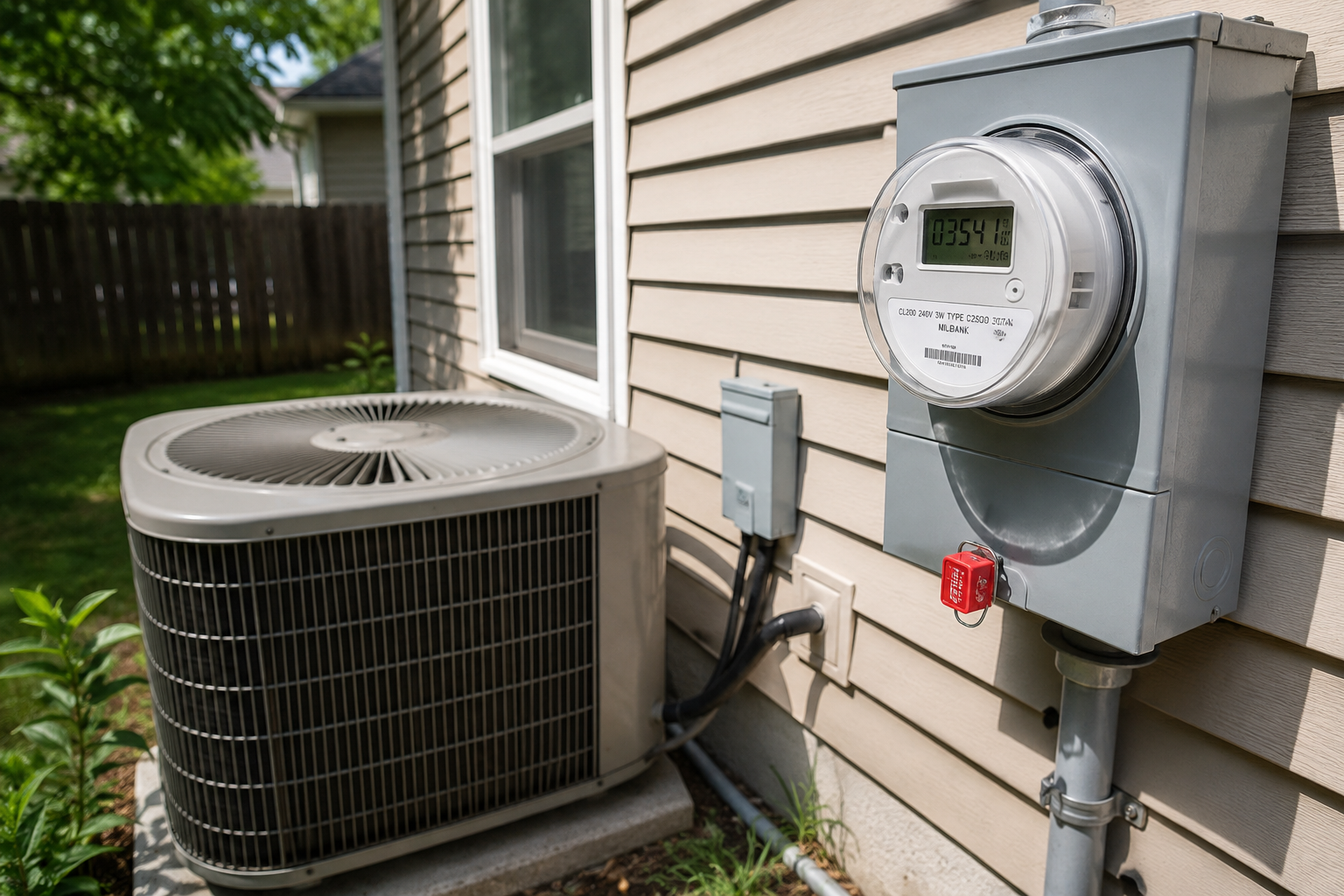
Air conditioning is the single largest contributor to summer electricity demand in most American homes, and during periods of prolonged extreme heat it can account for more electricity use than nearly every other household appliance combined. Unlike a television, microwave, or washing machine that operates for a relatively short period before shutting off, an air conditioner may run almost continuously for hours when outdoor temperatures remain well above normal. Every minute the compressor operates requires a significant amount of electricity, and when millions of homes are cooling indoor spaces at the same time, the combined demand becomes enormous.
Entire cities, counties, and even multiple states often experience the same weather conditions simultaneously. A regional heat dome can cover hundreds of miles, causing residential neighborhoods, office buildings, schools, hospitals, shopping centers, warehouses, factories, and public buildings to rely heavily on air conditioning throughout the day. Instead of electricity demand being spread evenly across different hours, much of it becomes concentrated into the hottest part of the afternoon when cooling systems are working their hardest.
Modern air conditioners are far more energy efficient than many units manufactured decades ago, but efficiency alone cannot overcome the tremendous increase in cooling demand created by extreme temperatures. When outdoor air reaches the upper 90s or climbs above 100°F, an air conditioner must remove much more heat from inside the home while also fighting against heat entering through windows, roofs, walls, and attic spaces. If temperatures remain high after sunset, the system has very little opportunity to cycle off because the home never fully cools before another hot day begins.
Older homes often place even greater demands on the electrical grid because they may have insufficient insulation, aging windows, air leaks around doors, or older HVAC equipment that consumes more electricity to achieve the same level of cooling. Even newer homes with efficient air conditioners can experience longer operating times if thermostats are set very low during a heat wave or if occupants frequently open exterior doors, allowing hot outdoor air to enter.
Commercial buildings add another layer of demand. Grocery stores must keep refrigerated food at safe temperatures, hospitals cannot allow patient care areas to overheat, data centers require continuous cooling to protect sensitive equipment, and manufacturing facilities often depend on climate-controlled environments to maintain production. These large facilities consume substantial amounts of electricity throughout the day, adding to the residential demand already placing stress on the grid.
📌 Did You Know?
During prolonged summer heat waves, air conditioning can become the largest source of electricity use in many homes because cooling systems run for longer periods and cycle off less often.
One reason utilities closely monitor weather forecasts is because they can often estimate future electricity demand based largely on expected temperatures. A forecast calling for several consecutive days above 100°F usually signals that electricity consumption will increase dramatically across the region. Utilities may begin preparing additional generating capacity, scheduling maintenance around the forecast, and coordinating with regional grid operators to ensure enough electricity remains available if demand reaches record levels.
This relationship between extreme heat and electricity demand is one reason summer blackouts can develop with little warning. If several unexpected problems occur at the same time—such as equipment failures, storm damage, or unusually high electricity consumption—the available reserve capacity can disappear quickly. As discussed in Why Summer Blackouts Turn Dangerous Faster, losing power during dangerous heat can become a health concern within only a few hours, especially for young children, older adults, and anyone with medical conditions that make them more vulnerable to high indoor temperatures.
💡 Pro Tip
Small changes made before the hottest part of the day can reduce both your electricity use and the strain placed on the grid. Closing blinds on sun-facing windows, using ceiling fans to improve air circulation, avoiding unnecessary oven use, and raising the thermostat by one or two degrees can collectively lower your home’s cooling demand without making it noticeably less comfortable.
Why Heat Waves Make Blackouts More Likely
Higher electric bills are often the first sign that a summer heat wave is placing additional pressure on the electrical grid, but rising demand affects much more than household energy costs. Every transformer, transmission line, substation, and power plant within the system has operational limits. As electricity consumption increases throughout the day, these components must carry larger electrical loads while also operating in extremely hot outdoor conditions. Heat itself reduces the efficiency of electrical equipment, making it even more difficult for the grid to keep up with record demand.
Most electrical systems are designed with reserve generating capacity so utilities can respond to unexpected events such as equipment failures, severe weather, or sudden spikes in electricity use. During prolonged heat waves, however, a significant portion of that reserve capacity may already be in use simply to meet normal customer demand. If another major problem develops, such as a transmission line failure, a power plant unexpectedly shutting down, or damage caused by severe thunderstorms, utilities have far fewer options available to maintain reliable service.
This is why utility companies sometimes issue conservation alerts during prolonged heat waves. These announcements are intended to encourage customers to reduce electricity use before the grid reaches a critical point. Delaying laundry, raising the thermostat a few degrees, postponing electric vehicle charging, and limiting unnecessary appliance use may seem insignificant for one household, but when thousands or even millions of customers reduce demand at the same time, the combined effect can help stabilize the electrical system.
If conservation efforts are not enough and demand continues exceeding available supply, utilities may implement controlled outages known as rolling blackouts. Rather than allowing the entire electrical grid to become unstable, power is temporarily interrupted to selected areas before being restored and shifted to another section of the service area. Although inconvenient, controlled outages help protect the larger grid from a widespread collapse that could take much longer to recover from.
As discussed in The First 24 Hours Without Power, even a relatively short summer outage can quickly create challenges involving refrigeration, communication, indoor temperatures, and medical equipment. Longer outages become increasingly difficult as batteries discharge, refrigerated food begins warming, and homes trap more heat with each passing hour.
⚠ Important Warning
If your utility issues a conservation alert during a prolonged heat wave, treat it as more than a request to lower your electric bill. It may indicate that electricity demand is approaching levels capable of increasing the risk of localized outages or rolling blackouts. Charging essential devices, preparing backup lighting, and reviewing your emergency supplies before conditions worsen can save valuable time if power is interrupted.
How to Reduce Electricity Use Without Sacrificing Comfort
Reducing electricity use during a heat wave does not necessarily mean making your home uncomfortable. Small adjustments made throughout the day can significantly reduce the workload placed on your air conditioner while helping lower electricity demand across the grid. These simple habits also become valuable if your community experiences conservation requests or temporary outages during periods of extreme heat.
One of the easiest improvements is preventing unnecessary heat from entering the home. Closing blinds or curtains on windows receiving direct afternoon sunlight can noticeably reduce indoor temperatures. Ceiling fans improve air circulation and help rooms feel cooler, allowing many households to raise the thermostat by a degree or two without sacrificing comfort. Running large appliances such as ovens, clothes dryers, and dishwashers during the evening instead of the hottest part of the day also reduces indoor heat while lowering electricity demand during peak hours.
Another smart habit is charging important devices early in the day before regional electricity demand reaches its highest point. Rechargeable lanterns, power banks, weather radios, cordless tools, and backup battery stations are much more useful when they are already fully charged before a conservation alert or outage occurs. Waiting until the power begins flickering may leave little time to prepare.
☑ Quick Checklist
- ☑ Close blinds on windows receiving direct afternoon sunlight.
- ☑ Use ceiling fans to improve air circulation.
- ☑ Delay laundry, dishwashing, and baking until evening.
- ☑ Charge phones, power banks, and rechargeable lights before peak demand begins.
- ☑ Keep refrigerator and freezer doors closed as much as possible if outages become likely.
- ☑ Follow utility conservation requests whenever practical.
Taking these simple steps not only helps reduce electricity consumption but also prepares your household for the possibility of an unexpected outage. Building these habits before an emergency makes responding to a real blackout far less stressful than trying to improvise after the power has already failed.
How to Prepare Before the Next Heat Wave
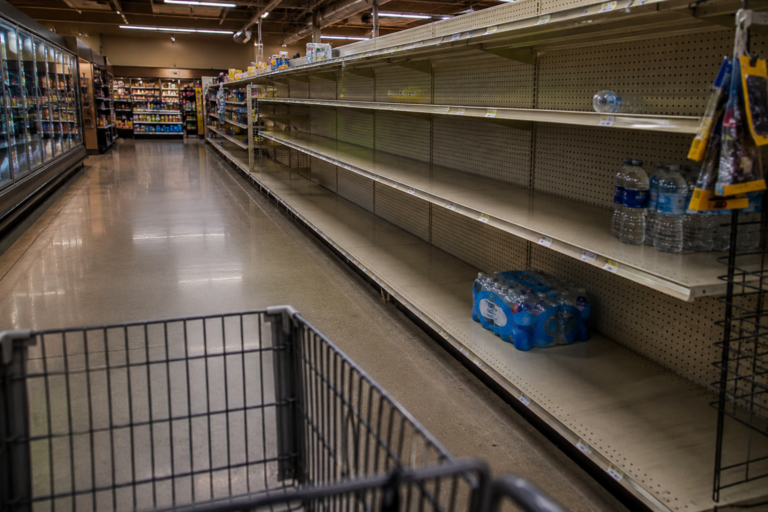
The best time to prepare for a summer blackout is before temperatures begin climbing and electricity demand reaches seasonal highs. Once a prolonged heat wave is underway, stores often experience increased demand for bottled water, portable fans, batteries, generators, and other emergency supplies. Waiting until utilities begin issuing conservation alerts may leave you competing with other shoppers for limited inventory while also trying to prepare your home under stressful conditions.
Begin by identifying the equipment and supplies your household depends on every day. Consider how you would keep mobile phones charged, receive emergency information, maintain lighting after dark, preserve refrigerated food, and stay as comfortable as possible if the power remained out for several hours. Families with infants, older adults, pets, or anyone relying on electrically powered medical equipment should develop additional backup plans well before the hottest part of the summer arrives.
Water should always be one of the first priorities. Although many municipal water systems continue operating during short outages, there is no guarantee they will remain fully functional throughout an extended emergency. Keeping an emergency water supply on hand allows your family to remain self-sufficient while avoiding crowded stores or distribution centers. If you are still building your emergency water supply, read How Much Water Does a Family Need for 30 Days? and How Long Does Stored Water Last? for additional planning guidance.
Food preparation deserves similar attention. During a prolonged outage, electric ranges, microwaves, and many kitchen appliances become unavailable unless backup power is available. Having shelf-stable foods and an alternate cooking method can eliminate unnecessary stress while reducing food waste. You can learn more in How to Cook During a Power Outage.
Finally, think beyond supplies and develop a simple family plan. Everyone in the household should know where emergency equipment is stored, how to receive weather alerts, who to contact if communications become unreliable, and what to do if local officials issue evacuation orders or cooling centers are opened. A prepared family is rarely scrambling for answers because the most important decisions were made long before the emergency began.
☑ Summer Heat Wave Preparation Checklist
- ☑ Store an emergency water supply before temperatures rise.
- ☑ Keep shelf-stable food that requires little or no cooking.
- ☑ Fully charge power banks, rechargeable lights, and emergency radios.
- ☑ Review your family’s blackout and communication plans.
- ☑ Monitor local weather forecasts and utility conservation alerts.
- ☑ Test backup equipment before the hottest weeks of summer arrive.
Recommended Gear for Summer Power Outages
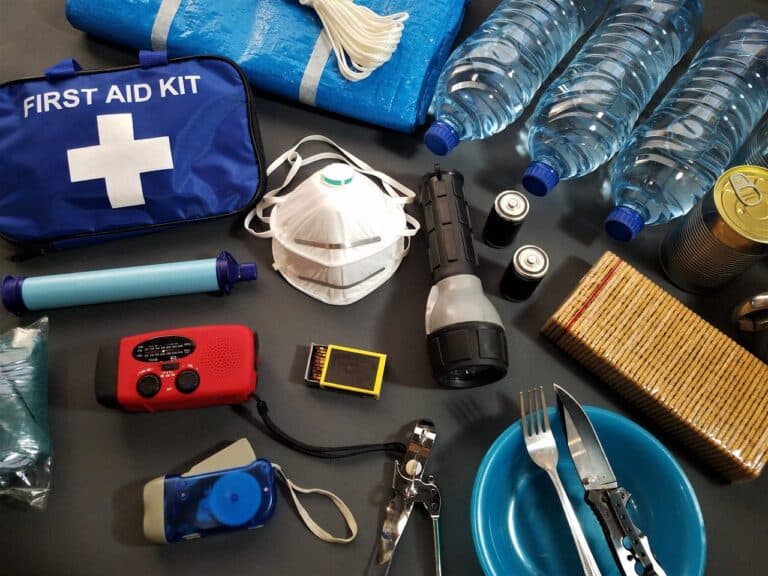
A few dependable emergency supplies can make a significant difference during a summer blackout by helping your family stay informed, comfortable, and connected until power is restored.
🛒 Recommended Summer Blackout Gear
Portable Power Station
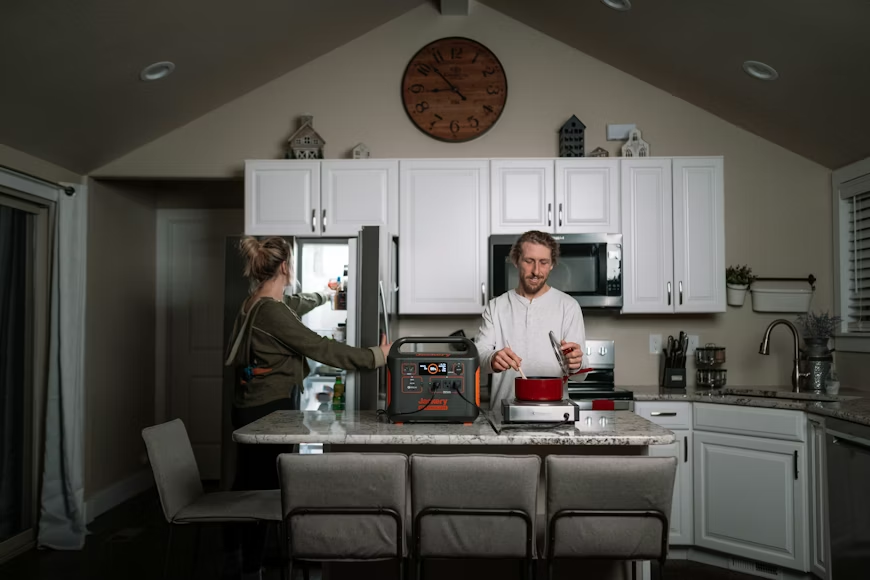
A portable power station can keep phones, tablets, rechargeable fans, LED lighting, laptops, internet equipment, and other small electronics operating during an outage without the noise or fuel requirements of a traditional generator.

Rechargeable Camping Fan
Maintaining airflow becomes much more important when air conditioning is unavailable. A rechargeable fan can make sleeping easier, improve comfort indoors, and help reduce heat stress during prolonged outages.

Emergency Weather Radio
A battery-powered or hand-crank weather radio provides emergency alerts and important information even if cellular networks become overloaded or internet service becomes unavailable.

High-Capacity Power Bank
Keeping phones charged allows your family to receive emergency alerts, contact relatives, access maps, and communicate with emergency services if needed.

Frequently Asked Questions
Why does electricity cost more during summer heat waves?
Electricity becomes more expensive because demand rises dramatically as homes and businesses use more air conditioning. Utilities may need to activate higher-cost generating facilities and purchase additional electricity while the grid operates under heavier loads.
What are peak electricity hours?
Peak hours usually occur during the late afternoon and early evening when outdoor temperatures are highest and electricity demand reaches its daily maximum. Exact times vary depending on the utility and region.
What is a peaker power plant?
A peaker plant is a generating facility designed to operate during periods of exceptionally high electricity demand. These plants help utilities meet peak consumption but generally cost more to operate than facilities providing continuous baseload power.
Can a heat wave cause a blackout?
Yes. Extreme heat can increase electricity demand to the point that the electrical grid becomes heavily stressed. If demand exceeds available supply or major equipment fails, utilities may implement rolling blackouts or experience localized outages.
Why do utilities ask customers to conserve electricity?
Conservation requests help reduce strain on the electrical grid during periods of unusually high demand. When enough customers reduce electricity use, it may help prevent larger outages and improve overall grid stability.
How can I prepare for a summer power outage?
Store emergency water and shelf-stable food, keep rechargeable lighting and power banks fully charged, have a reliable way to receive emergency information, and prepare backup cooling options before the hottest part of the summer arrives.
Does raising the thermostat really help the grid?
Yes. A small thermostat adjustment made by thousands of households can noticeably reduce regional electricity demand during peak hours, helping utilities balance supply and demand more effectively.
📚 Continue Reading
Continue building your blackout preparedness plan with these related guides:
Final Thoughts
Higher summer electricity bills are more than just an inconvenience—they often reflect the enormous amount of demand being placed on the electrical grid when temperatures remain unusually high. As millions of homes and businesses rely on air conditioning at the same time, utilities must generate additional electricity, operate more expensive power plants, and carefully manage the balance between supply and demand to keep the grid operating safely.
Understanding why electricity costs increase during summer also explains why prolonged heat waves place additional stress on the electrical grid. Preparing before temperatures soar by storing water, planning backup power, and keeping essential emergency supplies on hand can make a significant difference if a summer blackout occurs.
Understanding how the electrical grid responds to extreme summer heat not only helps explain higher utility bills, but also gives your family more time to prepare before a routine heat wave becomes a power outage emergency.