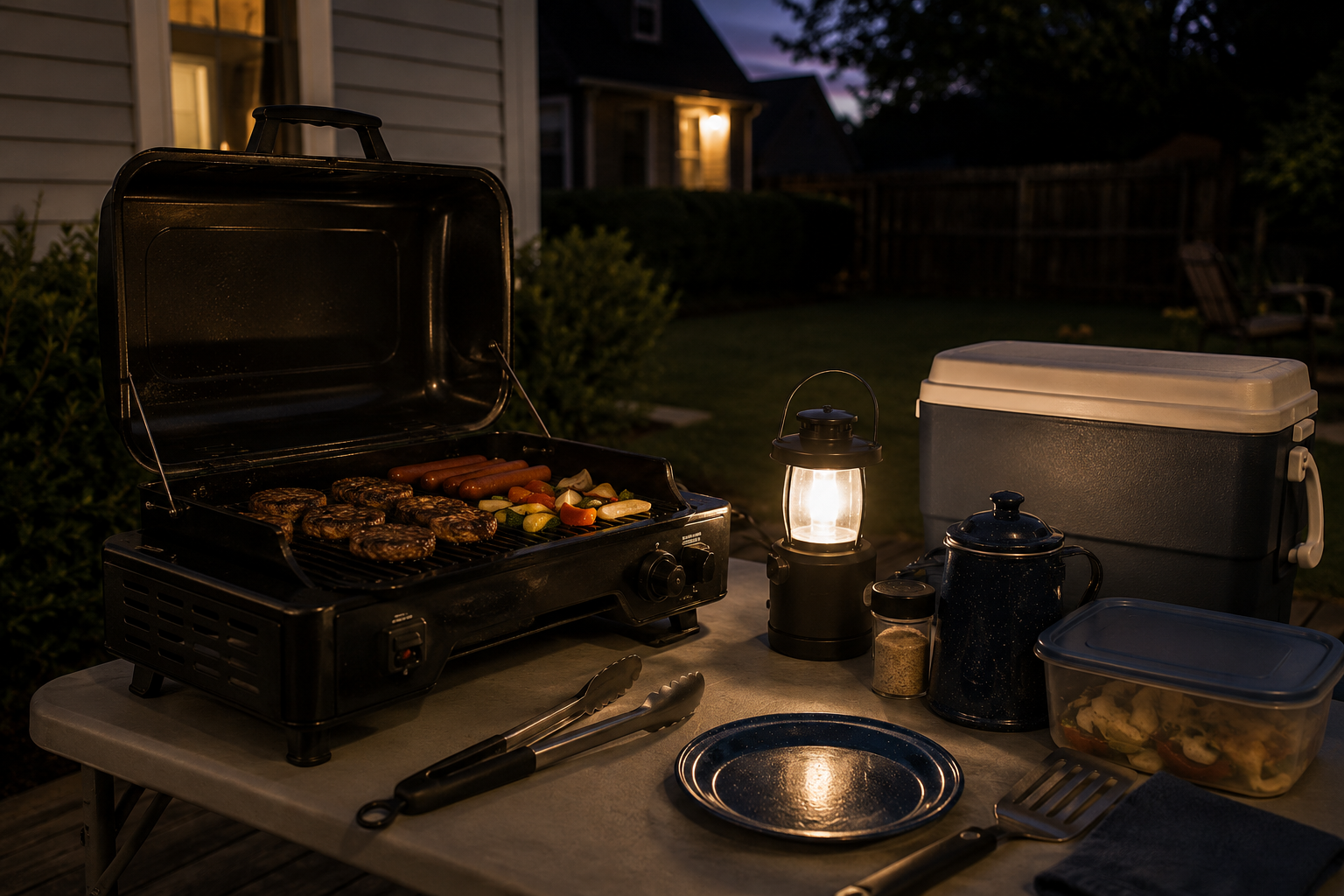
How to Cook During a Power Outage Safely
When the power goes out, most people think about flashlights, phone chargers, and maybe keeping the refrigerator closed.
This post contains affiliate links. I may earn a small commission at no extra cost to you. Learn more.
But cooking becomes a problem much faster than most families expect.
Many households assume they can improvise cooking solutions once the outage begins. That confidence usually disappears the first time they realize their stove no longer works and grocery stores are already crowded.
If the outage lasts a few hours, you can usually get by with snacks, sandwiches, and food that does not need heating. But once the blackout stretches into a full day or longer, the situation changes. Refrigerators start warming. Freezers begin losing temperature. Electric stoves stop working. Microwaves become useless. Grocery stores may be crowded, closed, or unable to process card payments.
That is when knowing how to cook during a power outage becomes more than a convenience. It becomes part of your emergency plan.
The biggest mistake people make is waiting until the outage happens to figure out how they will cook. That is when they discover their stove will not light, their grill has no fuel, their emergency food needs boiling water, or their only backup cooking method is unsafe indoors.
If you are building a complete emergency setup, start with your larger system first. A good complete emergency preparedness plan should cover power, water, food, cooking, lighting, communication, and sanitation before the outage ever happens.
Quick Answer
Cooking during a power outage requires more than simply finding an alternative heat source. You need a safe cooking method, enough fuel, clean water for food preparation, and a plan for using refrigerated food before it spoils. The safest approach is to build multiple cooking options ahead of time, understand which appliances are safe indoors, and keep enough fuel on hand to prepare meals for several days if the outage continues.
✓ Key Takeaways
- Emergency cooking is about safety, fuel management, and food preservation—not just heating meals.
- Cook refrigerated foods first before moving to freezer foods and long-term pantry supplies.
- Never use charcoal grills, propane grills, generators, or other outdoor cooking equipment inside your home.
- Build cooking redundancy with more than one cooking method and multiple fuel sources.
- Practice using your emergency cooking equipment before a blackout so you’re not learning under stressful conditions.
Why Cooking During a Power Outage Gets Complicated Fast
Cooking during a blackout is not just about heating food. It is about doing it safely, efficiently, and with the right fuel source for your situation.
During a short outage, cooking may not matter much. But during a long blackout, food safety becomes one of the first real problems inside the home. Refrigerated food does not stay safe forever, frozen food eventually begins thawing, and families often waste valuable meals because they do not know what to cook first.
That is why your cooking plan should connect directly to your food storage plan. If you have not already reviewed it, read this breakdown on how long food lasts without power. It explains what happens to your refrigerator, freezer, and pantry when electricity is gone for hours or days.
The second problem is safety. Some cooking methods are fine outdoors but dangerous indoors. Charcoal grills, propane grills, gas generators, and many camp stoves can produce carbon monoxide. Using the wrong cooking method inside a garage, kitchen, tent, or enclosed porch can turn a blackout into a life-threatening emergency.
The third problem is fuel. A stove without fuel is just dead weight. A propane burner, butane stove, charcoal grill, or wood-fired setup only helps if you actually have the right fuel stored safely before the outage begins.
In this guide, you’ll learn:
- Which cooking methods are safest during a power outage
- What you can use indoors and what must stay outside
- Which foods should be cooked first before they spoil
- What emergency cooking gear is worth owning
- How to build a simple blackout cooking setup before the next outage
💡 Pro Tip
Before relying on any emergency stove during a blackout, cook at least one complete meal with it under normal conditions. You’ll quickly learn how much fuel it uses, how long it takes to boil water, whether your cookware fits properly, and if you have everything needed to operate it safely. A short practice session today can prevent major frustration during an actual emergency.

The Safest Ways to Cook During a Power Outage
| Cooking Method | Indoor Safe | Fuel Source | Best Use |
|---|---|---|---|
| Butane Stove | Sometimes | Butane | Short outages |
| Propane Camp Stove | Usually outdoor | Propane | Multi-day outages |
| Outdoor Grill | No | Charcoal/Propane | Cooking refrigerated food quickly |
| Solar Oven | No | Sunlight | Fuel conservation |
| Rocket Stove | No | Wood | Long-term emergencies |
Not every emergency cooking method is safe for every situation.
Some options work well inside a home. Others should only be used outdoors. And during a real blackout, making the wrong choice can create serious fire or carbon monoxide risks.
The best emergency cooking setups are reliable, fuel-efficient, easy to operate, and practical during high-stress situations.
Experienced preppers usually build multiple cooking layers instead of relying on one single method. A short outage may only require a small butane stove. A multi-day blackout might require propane cooking, outdoor grilling, solar cooking, or even cooking over wood.
Here are the safest and most practical ways to cook when the power goes out.
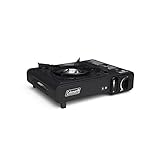
Portable Butane Stoves
Portable butane stoves are one of the easiest emergency cooking solutions for short-term outages because they are compact, lightweight, easy to ignite, and efficient for boiling water or heating simple meals. Many families keep one specifically for storms and blackouts because they store easily and work well in apartments or smaller homes with proper ventilation.
Butane stoves are especially useful during the first 24 hours of an outage when people are still trying to preserve refrigerated food before it spoils.
However, butane fuel does not perform as well in extremely cold temperatures, and fuel cans do not last forever if you are cooking multiple meals daily.
For most households, a butane stove works best as an early-stage blackout cooking tool rather than a long-term solution.

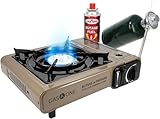
Propane Camp Stoves
Propane camp stoves are one of the most reliable long-term blackout cooking systems because propane stores well, burns efficiently, and is widely available.
A standard two-burner propane stove can handle most normal cooking tasks during an outage, including boiling water, heating canned food, preparing freeze-dried meals, cooking meat and eggs, and making coffee.
These stoves are extremely popular among preppers, campers, and emergency-ready households because they are dependable during extended outages.
The major advantage is fuel stability. Propane stores far longer than gasoline and is easier to manage safely in many situations.
If you are already preparing backup fuel systems for generators or heating, propane cooking fits naturally into that setup. This is especially true if you are comparing different backup power strategies like solar generator vs gas generator systems for blackout preparedness.
Small 1-pound propane cylinders are convenient, but larger propane tanks become more practical for outages lasting several days.
Important: Many propane camp stoves should only be used outdoors or in highly ventilated areas. Always follow manufacturer safety guidelines.
Outdoor Grills
Gas grills and charcoal grills can work extremely well during power outages, especially for cooking refrigerated and frozen foods before they spoil.
When the outage first starts, one of the smartest things you can do is begin prioritizing food that will not stay safe long-term.
That includes:
- Raw meat
- Seafood
- Eggs
- Dairy products
- Partially thawed freezer items
A grill allows you to cook large amounts of food quickly while conserving indoor fuel supplies.
However, grills come with major safety warnings.
Never use a charcoal grill indoors.
Never use propane grills inside garages, enclosed patios, tents, or homes.
Carbon monoxide poisoning increases during major outages because people try to improvise unsafe indoor cooking setups.
Cooking safety becomes even more important once outages stretch beyond the first day. You can see how quickly conditions begin changing in this guide covering what runs out first in a blackout.

Solar Ovens
Solar ovens are slower than propane or butane systems, but they offer one major advantage:
They require no stored fuel to operate.
During long-term outages where propane, charcoal, or gasoline supplies become difficult to replace, solar cooking can help preserve fuel reserves.
Solar ovens work best for:
- Heating soups
- Cooking rice
- Baking simple foods
- Boiling water slowly
- Low-temperature cooking
The downside is obvious — they depend heavily on weather and sunlight.
Cloud cover, storms, winter conditions, and shorter daylight hours can reduce effectiveness significantly.
Still, solar ovens are one of the few cooking methods that can continue operating indefinitely without needing stored fuel.
Wood Fires and Rocket Stoves
For long-duration grid-down emergencies, wood becomes one of the most dependable fuel sources available.
Rocket stoves and controlled outdoor fire cooking systems use small amounts of wood very efficiently while producing strong heat.
These systems are especially useful in rural areas where fuel resupply may become difficult during severe disasters.
Rocket stoves can boil water surprisingly fast while using far less wood than open campfires.
They also work well for:
- Cooking canned food
- Heating cast iron cookware
- Emergency water purification
- Simple outdoor meal preparation
The biggest drawback is weather exposure and smoke visibility.
During storms, rain, or high winds, outdoor wood cooking becomes much harder to manage.

What Foods You Should Cook First During a Blackout
One of the biggest mistakes families make during a power outage is eating the wrong foods first.
Most people immediately start opening pantry foods and emergency supplies while the most perishable items in the refrigerator slowly warm into unsafe temperatures.
A smarter blackout food strategy starts by protecting what will spoil first.
The moment power goes out, your refrigerator and freezer become timers.
Every time the doors open, cold air escapes and temperatures begin rising faster. That means your first meals during an outage should focus on using refrigerated foods strategically before they become unsafe.
First Priority: Refrigerated Foods
The first foods you should cook are the ones most likely to spoil quickly.
That includes:
- Raw meat
- Seafood
- Milk
- Eggs
- Cheese
- Leftovers
- Opened condiments requiring refrigeration
If the outage appears serious, cooking large batches early can prevent expensive food loss.
For example, families often grill multiple pounds of thawing meat immediately and either eat it, refrigerate it temporarily in coolers, or share it with neighbors before it spoils.
This is where having backup ice, coolers, and emergency power can make a huge difference.
If you have not already planned for this stage, read this full guide on how long food lasts without power so you know exactly what stays safe and for how long.
📌 Did You Know?
A refrigerator that stays closed generally keeps food at a safe temperature for about four hours, while a full freezer may keep food frozen for around 48 hours if the door remains closed. Every unnecessary door opening allows cold air to escape, reducing those times and increasing the likelihood of food spoilage during an extended blackout.

Second Priority: Freezer Foods
Freezers usually stay cold longer than refrigerators if the doors remain closed.
A full freezer can sometimes maintain safe temperatures for roughly 48 hours, while a half-full freezer may only last around 24 hours depending on conditions.
That gives you more flexibility, but eventually frozen food also becomes a problem.
Foods that should be prioritized include:
- Partially thawed meats
- Frozen prepared meals
- Frozen vegetables
- Seafood
- Breakfast items
One useful strategy is grouping freezer foods together tightly to help preserve cold temperatures longer.
Another is limiting “just checking” the freezer repeatedly. Every opening releases cold air and speeds up thawing.
If you own a backup generator or portable power station, freezer preservation becomes one of the highest-value uses of emergency power.
That is why many households eventually build a larger preparedness system involving backup refrigeration power, fuel storage, and emergency cooking options together instead of separately.
Third Priority: Pantry Foods and Shelf-Stable Meals
Shelf-stable foods become the backbone of blackout cooking because they store long-term, require little refrigeration, cook quickly, and use minimal fuel. Foods like canned soups, beans, rice, pasta, oatmeal, instant potatoes, freeze-dried meals, peanut butter, crackers, and canned meats are especially practical during extended outages.
Many emergency foods are specifically designed around minimal cooking fuel usage because fuel conservation becomes critical during longer outages.
Some foods only require boiling water, which is one reason camp stoves and butane burners are so useful during emergencies.

Foods That Waste Fuel
During a short outage, fuel efficiency may not matter much.
But during longer emergencies, cooking methods that burn large amounts of propane, charcoal, wood, or butane become harder to sustain.
Foods that typically require excessive fuel include:
- Dried beans without soaking
- Large roasts
- Long-simmer soups
- Complicated baked meals
- High-water boiling recipes
Prepared families usually shift toward faster meals that conserve both fuel and cleanup water.
That matters more than people realize because cooking during a blackout is tied directly to water usage, sanitation, and fuel reserves.
If the outage expands beyond a day or two, multiple household systems begin failing at once. This breakdown of what runs out first in a blackout explains how quickly conditions can start changing.
Why Water Matters for Emergency Cooking
Cooking during a power outage often uses more water than expected.
You need water for:
- Boiling food
- Rehydrating freeze-dried meals
- Cleaning cookware
- Hand washing
- Dish sanitation
That is why emergency cooking and emergency water storage should always be planned together.
Many families stock food but overlook the amount of clean water needed to actually prepare it safely.
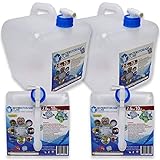
If you are building long-term blackout readiness, make sure you also have a reliable long-term emergency water storage system in place before the next outage happens.
Indoor vs Outdoor Emergency Cooking Safety
One of the most dangerous mistakes during a blackout is using the wrong cooking method indoors.
Every major power outage brings reports of house fires, carbon monoxide poisoning, and emergency room visits caused by people trying to improvise cooking setups inside enclosed spaces.
When electricity disappears, people naturally look for alternatives fast. But not every heat source is designed to operate safely inside a home.
Understanding which cooking methods belong outdoors — and which can be used indoors with proper ventilation — is critical for blackout safety.
⚠ Important Warning
Carbon monoxide is one of the leading causes of preventable deaths during prolonged power outages. Never use charcoal grills, propane grills, generators, camp stoves that are not approved for indoor use, or any other fuel-burning appliance inside your home, garage, basement, tent, or enclosed porch. Even partially open doors or windows cannot guarantee safe ventilation. Always follow the manufacturer’s instructions and keep working carbon monoxide detectors with fresh batteries in your home.
The Biggest Cooking Mistakes During a Power Outage
Most blackout cooking mistakes happen because people try improvising once the outage has already started instead of planning safe systems beforehand.
Why Carbon Monoxide Becomes a Serious Risk
Carbon monoxide is one of the biggest hidden dangers during power outages.
It is odorless, invisible, and deadly.
Fuel-burning devices consume oxygen and produce exhaust gases. In enclosed spaces, those gases can build up quickly without people realizing anything is wrong until symptoms begin.
Common symptoms include:
- Headaches
- Dizziness
- Nausea
- Confusion
- Fatigue
During large-scale outages, people often make dangerous assumptions like:
- “The garage door is cracked open, so it is safe.”
- “The grill is near the doorway.”
- “We are only using it for a few minutes.”
Those assumptions kill people every year during storms and blackouts.
Never use charcoal grills, propane grills, generators, or open-flame fuel appliances inside homes, garages, basements, campers, tents, or enclosed patios.
Cooking Methods Generally Safe Indoors
Some emergency cooking systems are designed for limited indoor use when proper ventilation guidelines are followed.
These may include:
- Certain butane stoves
- Indoor-rated propane heaters with cooking surfaces
- Portable induction cooktops powered by battery systems
- Small alcohol stoves designed for indoor emergency use
However, “indoor-safe” never means risk-free.
You should always:
- Read manufacturer instructions carefully
- Maintain ventilation
- Keep fuel away from open flames
- Use carbon monoxide detectors
- Keep fire extinguishers accessible
Experienced preparedness plans treat emergency cooking the same way they treat backup power systems— with layers of safety instead of improvisation.
If you are still building your overall blackout setup, this guide on what happens in the first 24 hours of a blackout explains how quickly normal systems begin failing once power disappears.
Cooking Methods That Should Stay Outdoors
Some cooking systems should always remain outside regardless of weather conditions.
These include:
- Charcoal grills
- Propane grills
- Wood fires
- Rocket stoves
- Gasoline-powered cooking systems
- Generators
Even partially enclosed spaces can become dangerous quickly.
Garages are especially risky because people often believe cracked doors provide enough ventilation. They usually do not.
Another problem during extended outages is panic improvisation.
People start bringing outdoor equipment inside once weather worsens, temperatures drop, or fuel becomes harder to manage outside.
That is why it is important to have multiple cooking layers planned ahead of time instead of relying entirely on one outdoor method.
Safe Cooking Setup Tips During a Blackout
A safer blackout cooking setup starts with preparation before the outage happens.
Simple planning decisions make a major difference later.
Good emergency cooking practices include:
- Keeping backup fuel stored safely
- Testing cooking equipment before emergencies
- Rotating fuel supplies regularly
- Storing fire extinguishers near cooking areas
- Using battery-powered lighting while cooking
- Keeping children away from emergency stoves
One overlooked problem during outages is cooking in darkness.
Poor lighting increases burn risks, spilled fuel accidents, and fire hazards significantly.
That is why emergency lighting becomes part of cooking safety too.
Can You Use Your Gas Stove During a Power Outage?
Many people are surprised to learn that some gas stoves can still operate during a power outage.
If the stove uses natural gas or propane, the burners may still light manually even if the electronic igniter stops working.
In many cases, you can carefully ignite burners using:
- A long lighter
- Matches
- A grill igniter
However, newer stoves with electronic safety systems may not function normally without power.
And even if stovetop burners work, electric ovens often do not.
You should test this before an emergency happens instead of discovering it during a blackout.
Never attempt unsafe modifications or bypass stove safety systems.
Why Prepared Families Build Cooking Redundancy
The most prepared households rarely depend on only one cooking method.
Instead, they layer systems together.
For example:
- Butane stove for fast indoor meals
- Propane stove for longer outages
- Outdoor grill for bulk cooking
- Solar cooking for fuel conservation
- Backup power for refrigeration preservation
That redundancy becomes important once outages stretch beyond a day or two.
As fuel supplies shrink and conditions worsen, flexibility matters.
This is exactly why many families begin building larger grid-down systems involving power, food, water, communication, and cooking together instead of treating them as separate problems.
The Best Emergency Cooking Gear to Keep Ready Before a Blackout
The worst time to figure out your cooking setup is after the power already goes out.
During major outages, emergency cooking supplies disappear fast. Camp stoves sell out, propane becomes harder to find, charcoal shelves empty, and fuel prices often spike within hours.
Prepared households avoid that problem by building a simple cooking system ahead of time instead of panic-buying equipment during emergencies.
You do not need a massive off-grid kitchen.
But you do need reliable gear that works when electricity is unavailable.
1. A Reliable Backup Stove
Your backup stove is the foundation of your blackout cooking setup.
For most families, the best balance of simplicity, portability, and reliability comes from:
- Portable butane stoves
- Two-burner propane camp stoves
- Compact emergency cooktops
The right stove depends on:
- Household size
- Indoor vs outdoor cooking space
- Fuel storage capacity
- Length of outages in your area
Apartment households may prioritize compact indoor-capable systems, while rural homes often lean toward propane or wood-based setups for longer emergencies.
The important thing is having a tested cooking method before the outage begins.
2. Extra Fuel Supplies
A stove without fuel is useless.
One of the biggest mistakes people make is buying emergency cooking equipment but forgetting to store enough fuel to actually use it during a prolonged outage.
Fuel needs increase faster than most families expect because blackout cooking often includes:
- Boiling water
- Cooking multiple meals daily
- Heating canned food
- Preparing coffee
- Cooking freezer foods before spoilage
Most households rely on fuel sources like butane canisters, propane bottles, charcoal, or seasoned firewood depending on their cooking setup and the expected length of the outage.
Fuel should always be stored safely and rotated periodically.
Long-duration outages often create fuel shortages quickly. Gas stations may lose power, deliveries can stop, and panic buying begins fast once communities realize the outage may not end soon.
This is one reason blackout preparedness goes far beyond flashlights and batteries. Once systems start failing together, shortages escalate rapidly. You can see how quickly that progression happens in this breakdown of what runs out first in a blackout.

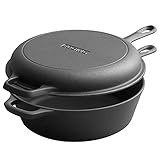
3. Cast Iron Cookware
Cast iron is one of the best cookware choices for emergency cooking.
Unlike many modern pans, cast iron performs extremely well over:
- Camp stoves
- Propane burners
- Wood fires
- Rocket stoves
- Charcoal grills
It also retains heat exceptionally well, which helps conserve fuel during cooking.
A simple cast iron skillet or Dutch oven can handle most blackout meals with very little maintenance.
Prepared households often prefer gear that can function across multiple cooking systems instead of depending on fragile electric appliances.
4. Water Storage and Filtration
Cooking during a blackout requires far more water than many people realize.
You need clean water not only for drinking, but also for:
- Cooking rice and pasta
- Rehydrating freeze-dried foods
- Cleaning cookware
- Hand washing
- Dish sanitation
That means emergency cooking plans should always connect directly to emergency water storage plans.
If municipal water pressure weakens or contamination concerns develop during a large outage, cooking becomes much harder very quickly.
Every household should have:
- Stored emergency water
- Portable water filters
- Backup purification options
If you are still building this part of your preparedness system, start with this complete guide on long-term emergency water storage.

5. Emergency Lighting for Cooking Areas
Cooking in darkness creates unnecessary risks.
During blackouts, kitchens become accident zones surprisingly fast. Poor visibility increases the chances of:
- Burns
- Fuel spills
- Knife injuries
- Fire hazards
Good emergency lighting should be part of every blackout cooking setup.
Rechargeable lanterns, LED headlamps, battery-powered area lights, and solar emergency lights all help reduce cooking risks during nighttime outages or low-visibility conditions.
Lighting becomes even more important once outages continue overnight and stress levels increase inside the home.
6. Backup Power for Refrigeration
One of the smartest uses of emergency power during a blackout is preserving refrigerated food.
Instead of trying to cook everything immediately, backup power can buy valuable time by keeping refrigerators and freezers operating safely.
Depending on your setup, this may involve:
- Portable power stations
- Solar generators
- Dual-fuel generators
- Battery backup systems
For many families, the goal is not powering the entire house. It is simply protecting critical systems like refrigeration, lighting, communication, and cooking support devices.
If you are still comparing emergency power options, this guide covering solar generator vs gas generator systems breaks down the strengths and weaknesses of both approaches during real outages.

Simple Blackout Meal Ideas That Use Minimal Fuel
One of the smartest things you can do during a prolonged outage is simplify your meals.
Complex recipes waste fuel, increase cleanup, and create unnecessary stress during emergencies.
Prepared households usually shift toward meals that cook quickly, require minimal cleanup, and conserve both fuel and water. Simple options like rice with canned chicken, soup and crackers, oatmeal, instant potatoes, pasta, freeze-dried meals, and beans with rice are all practical during longer outages.
Fuel conservation matters much more once outages extend beyond the first day.
As stress, shortages, and uncertainty increase, simplicity becomes one of the most valuable survival advantages a household can have.
How to Build a Complete Power Outage Cooking Plan
Emergency cooking works best when it is part of a larger preparedness system instead of a last-minute reaction.
Most families do not fail during blackouts because they lack food.
They fail because they never built a realistic plan for how to prepare that food once electricity disappears.
A good blackout cooking plan answers four critical questions before the outage happens:
- How will you cook?
- How long will your fuel last?
- What foods should be used first?
- How will you stay safe while cooking?
Once you answer those questions ahead of time, blackouts become far less stressful.
Step 1: Build Cooking Redundancy
The most prepared households never rely entirely on one cooking method.
Power outages are unpredictable. Fuel shortages happen. Equipment can fail. Weather conditions change.
That is why layered cooking systems work best.
A practical setup may look something like this:
- Indoor-capable butane stove for quick meals
- Outdoor propane stove for longer outages
- Grill for large-scale cooking
- Backup fuel reserves
- Solar cooking as fuel conservation backup
Layering systems gives you flexibility as conditions change.
This becomes especially important during outages lasting multiple days, where shortages and system failures begin stacking together rapidly.
Step 2: Organize Foods by Priority
Households with established blackout plans already know which foods get used first before the outage starts.
Instead of randomly opening pantry items, organize foods into categories:
- Immediate refrigerator foods
- Freezer foods
- Quick-cook pantry meals
- No-cook emergency foods
This prevents waste while conserving fuel.
Many households lose large amounts of food simply because they wait too long to cook perishables or open refrigerators repeatedly without a plan.
Food management becomes even more important once outages move beyond temporary inconvenience and start affecting supply chains, fuel access, and grocery availability.
If you want to understand how quickly normal systems begin breaking down, read this guide on what happens in the first 24 hours of a blackout.
Step 3: Calculate Fuel Realistically
One small propane bottle does not last nearly as long as most people think.
Fuel planning should account for:
- Multiple meals per day
- Boiling water
- Coffee preparation
- Cold-weather cooking
- Longer-than-expected outages
Many emergency cooking plans fail because families underestimate fuel consumption during extended emergencies.
Prepared households typically store more fuel than they think they need — while also maintaining safe storage practices.
If your preparedness strategy already includes generators or backup energy systems, fuel planning becomes even more important because cooking may compete with:
- Generator runtime
- Vehicle fuel needs
- Heating systems
- Emergency travel
Step 4: Plan for Water Usage
Cooking and water storage should always be connected.
Even simple meals often require more water than expected.
During a prolonged outage, water may be needed for:
- Drinking
- Cooking
- Dish cleaning
- Hand washing
- Basic sanitation
That is why many experienced preppers prioritize water systems before almost everything else.
If water pressure drops, contamination concerns appear, or municipal systems fail, cooking becomes dramatically harder.
A complete preparedness setup should include:
- Stored water
- Water filtration
- Water purification backups
- Low-water meal options
If you are still building this system, start with this complete guide to long-term emergency water storage.
Step 5: Practice Before an Emergency Happens
One of the biggest differences between prepared households and unprepared households is familiarity.
Prepared families test their equipment before they actually need it.
That means:
- Cooking meals on backup stoves
- Testing fuel consumption
- Learning setup procedures
- Checking ignition systems
- Rotating fuel and food supplies
The middle of a blackout is the worst possible time to learn your stove will not ignite, your fuel connection leaks, or your cookware does not work properly over open flame.
Simple practice removes uncertainty and makes outages far less chaotic.
How Prepared Households Handle the First 48 Hours
In real outages, the first two days are usually where poor planning becomes obvious.
Prepared households typically avoid opening refrigerators repeatedly during the first several hours while they evaluate whether the outage appears temporary or prolonged.
If power restoration does not appear likely within the first day, refrigerated foods are usually prioritized immediately. Meat, dairy, leftovers, and partially thawed freezer items become the first cooking targets before spoilage becomes a safety issue.
At the same time, fuel usage becomes more deliberate.
Instead of cooking complicated meals, experienced households usually shift toward fast, low-fuel foods that minimize propane, butane, charcoal, and water usage.
By the second day of a prolonged outage, most families begin realizing that cooking is connected directly to larger preparedness systems including refrigeration, water storage, lighting, sanitation, and fuel reserves.
This is where preparation beforehand creates a major advantage.
Households that already tested their cooking systems typically remain far calmer than households trying to improvise equipment, fuel, and food management during the outage itself.
🚨 Emergency Scenario
Imagine a thunderstorm knocks out power across your county on a hot summer evening. By the next morning, your refrigerator is warming, local grocery stores have long lines, and propane cylinders are already selling out. Families with a backup stove, stored fuel, and a simple meal plan are calmly cooking refrigerated food before it spoils while conserving resources for the days ahead. Households without a plan are forced to scramble for supplies that may no longer be available, increasing both stress and unnecessary risk.
☑ Power Outage Cooking Checklist
- ☑ Test every emergency cooking device before you need it.
- ☑ Store enough propane, butane, charcoal, or other fuel for several days of cooking.
- ☑ Cook refrigerated foods before freezer foods or pantry supplies.
- ☑ Keep refrigerator and freezer doors closed as much as possible.
- ☑ Store enough clean water for cooking, drinking, and washing cookware.
- ☑ Never use charcoal grills, propane grills, or generators inside your home or garage.
- ☑ Keep a fire extinguisher and carbon monoxide detectors ready.
- ☑ Use simple meals that conserve both fuel and water.
- ☑ Practice cooking with your backup equipment at least once each year.
- ☑ Include emergency cooking as part of your overall blackout preparedness plan.
Final Thoughts
Cooking during a power outage is not just about convenience.
It is part of keeping your household stable when normal systems stop working.
The families who handle blackouts best are usually not the ones with the most expensive equipment. They are the ones who planned ahead before the outage ever started.
A reliable blackout cooking setup should help you:
- Cook safely
- Protect food supplies
- Conserve fuel
- Reduce stress
- Stay independent longer
Because once outages stretch beyond a few hours, normal conveniences disappear quickly.
Food spoilage begins. Fuel shortages develop. Grocery stores empty. People start improvising dangerous solutions.
The households that stay calm are usually the ones that already built systems ahead of time.
If you are serious about blackout preparedness, your cooking plan should connect directly to your larger emergency strategy involving water, backup power, food storage, lighting, and communication.
Start building that system now before the next outage turns temporary inconvenience into a real emergency.
For a full breakdown of how all these systems work together, start with the Emergency Preparedness Plan 2026.
📚 Continue Reading
Cooking is only one part of staying prepared during a prolonged blackout. Continue building your emergency plan with these related preparedness guides.