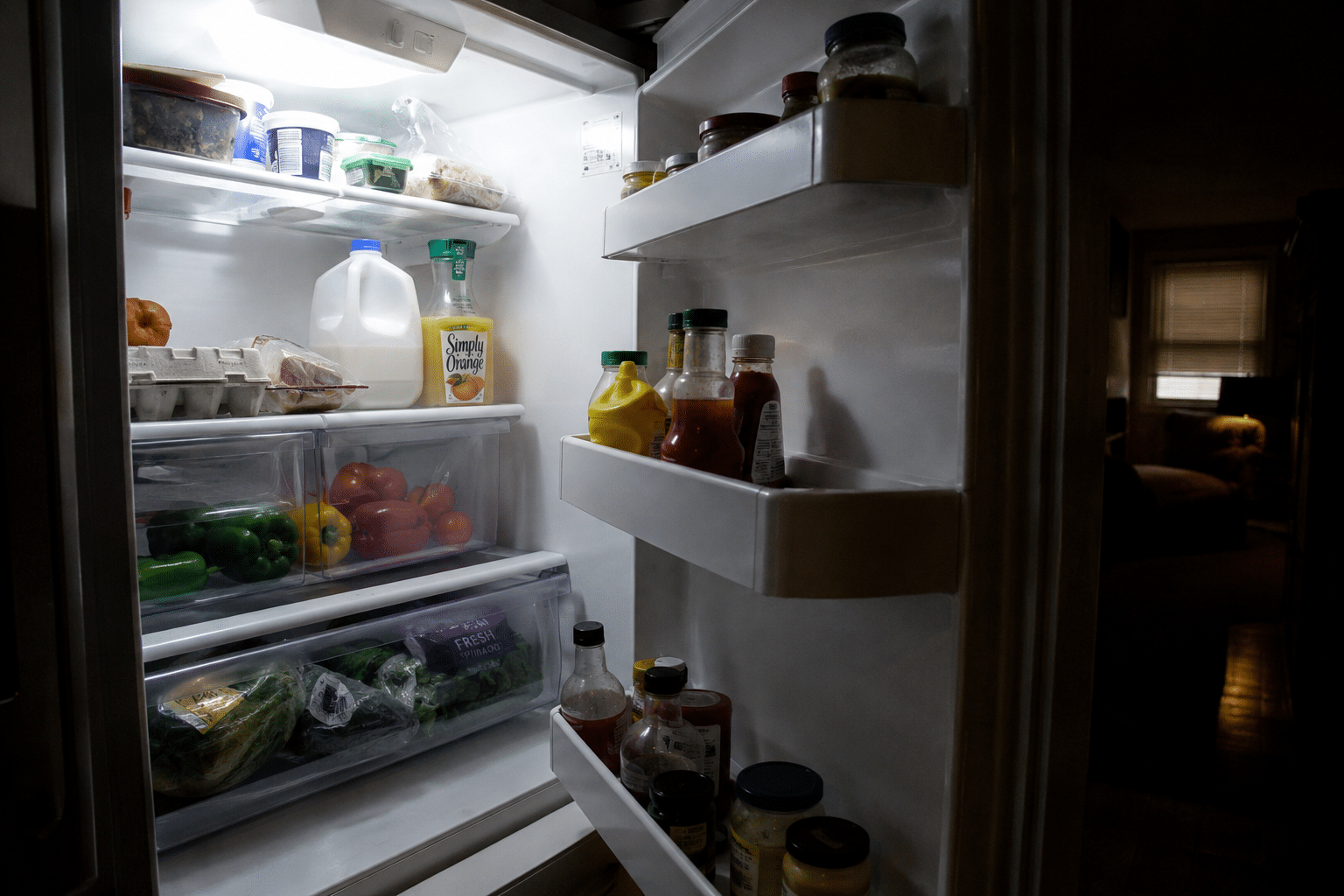
How to Keep Your Refrigerator Cold During a Power Outage
How long will a refrigerator stay cold without power? When the power goes out, one of the first concerns for most families is whether the food in the refrigerator will remain safe to eat. Without electricity, the appliance immediately begins losing its ability to remove heat, causing internal temperatures to rise gradually. While short outages may have little impact, extended blackouts can spoil hundreds of dollars’ worth of groceries and increase the risk of foodborne illness if perishable foods are not kept below safe temperatures.
This post contains affiliate links. I may earn a small commission at no extra cost to you. Learn more.
Fortunately, protecting the food in your refrigerator is usually less about expensive equipment and more about making the right decisions from the moment the lights go out. Keeping the door closed, limiting warm air from entering, monitoring temperatures, and preparing simple backup cooling methods can significantly extend the amount of time food remains safe. Small mistakes, such as repeatedly opening the refrigerator to check on its contents, can shorten that window much faster than many people realize.
Several factors determine how long a refrigerator stays cold without electricity, including how full it is, the temperature inside your home, how often the doors are opened, and whether ice or backup power is available. Understanding these factors before an emergency occurs can mean the difference between preserving your groceries and throwing most of them away.
In this guide, you’ll learn how long a refrigerator and freezer typically stay cold during a blackout, the best ways to preserve safe temperatures, when to move food into a cooler, how to use dry ice and backup power safely, and which foods should be discarded once electricity is restored. You’ll also discover the most common mistakes that cause refrigerators to warm faster—and how to avoid them.
✅ Quick Answer
A refrigerator will generally keep food safely cold for about 4 hours if the door remains closed. A full freezer can usually maintain safe temperatures for approximately 48 hours, while a half-full freezer typically stays cold for around 24 hours. Keeping both doors closed, monitoring temperatures with a refrigerator thermometer, using ice or coolers when necessary, and preparing backup power are the most effective ways to protect your food during an extended outage.
🚨 Emergency Scenario
A severe thunderstorm knocks out power across your community just after dinner. At first, everyone assumes the electricity will be restored within an hour. Family members continue opening the refrigerator for drinks, snacks, and leftovers while checking whether the lights have come back on. By midnight, utility crews announce that repairs could take until the following afternoon. By sunrise, the refrigerator has been opened dozens of times, the temperature inside has climbed steadily, and no one knows whether the milk, eggs, meat, or leftovers are still safe to eat. Meanwhile, grocery stores are packed with shoppers trying to replace spoiled food, and bags of ice are becoming increasingly difficult to find. Families who prepared ahead of time calmly follow their food preservation plan, while everyone else is left guessing what can still be saved.
Why Your Refrigerator Starts Warming Faster Than Most People Realize
Many people assume that because the refrigerator still feels cool several hours after the power goes out, everything inside must still be safe. Unfortunately, the temperature of the air can be misleading. Cold air escapes almost instantly each time the door is opened, while the food itself warms more gradually. This creates the false impression that the refrigerator is still protecting its contents even though temperatures may already be approaching the food safety danger zone.
Modern refrigerators are well insulated, but they are designed to work with a compressor that cycles on and off throughout the day to remove heat. Once electricity is lost, that cooling process stops. Heat slowly enters through the insulated walls and door seals until the inside of the refrigerator eventually reaches the same temperature as the surrounding room.
How quickly this happens depends on several factors. A refrigerator packed with cold food retains its temperature much longer than one that is mostly empty because the chilled food acts as thermal mass. The temperature inside your home also makes a significant difference. During a summer blackout, a kitchen that reaches 85°F will warm a refrigerator much faster than a home that remains around 60°F. If you haven’t already, read our guide on Why Summer Blackouts Turn Dangerous Faster to learn why hot-weather outages become more dangerous so quickly.
Door openings also have a major impact. Every time the refrigerator is opened, dense cold air spills out and is replaced by warmer room air. Without electricity, there is no compressor to restore that lost cooling. Even several quick trips to grab drinks or check on food can significantly reduce the amount of time your groceries remain at safe temperatures.
The first few hours of a blackout are often the most important. The more cold air you can keep inside the refrigerator early in the outage, the more time you’ll have before perishable foods begin entering the danger zone.
💡 Pro Tip
Think of your refrigerator as a large insulated cooler the moment the power goes out. Your goal is no longer to make food colder—it’s to keep the cold that’s already inside from escaping for as long as possible.
How Long Will a Refrigerator Stay Cold Without Power?
How long a refrigerator stays cold during a power outage depends on several factors, but one guideline remains consistent: if the refrigerator door stays closed, food will generally remain at a safe temperature for about 4 hours. After that, the internal temperature can begin rising above 40°F (4°C), allowing harmful bacteria to multiply much more rapidly. This four-hour window is an estimate, not a guarantee, because room temperature, how full the refrigerator is, and how often the door is opened all influence how quickly it warms.
Freezers retain cold much longer than refrigerators because frozen food acts as a large thermal mass. A full freezer will usually keep food frozen for about 48 hours if left unopened, while a half-full freezer typically maintains freezing temperatures for about 24 hours. Every unnecessary door opening shortens these timeframes by allowing cold air to escape and warm air to enter.
The environment around the appliance also matters. A refrigerator inside an air-conditioned home generally stays cold longer than one in a hot kitchen or garage during a summer blackout. Likewise, a well-stocked refrigerator holds its temperature better than one that is mostly empty because chilled food helps absorb heat and slows the warming process.
Don’t rely on touch to determine whether food is still safe. Many refrigerated items can still feel cool even after they’ve spent enough time above 40°F for bacteria to begin multiplying. A refrigerator thermometer is the only reliable way to know whether food has remained within a safe temperature range.
⚠️ Important Safety Rule
The food safety “Danger Zone” is between 40°F and 140°F (4°C to 60°C). Perishable foods such as meat, poultry, seafood, dairy products, cooked leftovers, and eggs should not remain above 40°F for more than about two hours. When in doubt, throw it out.
Typical Cold Storage Times During a Power Outage
| Appliance | Door Kept Closed | Typical Safe Cold-Retention Time |
|---|---|---|
| Refrigerator | Yes | Up to 4 hours |
| Full Freezer | Yes | Up to 48 hours |
| Half-Full Freezer | Yes | Up to 24 hours |
| Refrigerator | No, opened frequently | Usually less than 4 hours |
| Freezer | No, opened frequently | Cold retention decreases with every door opening. |
Understanding these timeframes helps you make better decisions during a blackout. Instead of repeatedly checking the refrigerator, concentrate on preserving the cold that’s already inside and begin preparing backup cooling if the outage is expected to last more than a few hours.
📌 Key Takeaways
- A closed refrigerator generally keeps food safe for about 4 hours.
- A full freezer typically stays frozen for about 48 hours, while a half-full freezer lasts about 24 hours.
- Every unnecessary door opening shortens these estimates.
- Use a refrigerator thermometer instead of guessing by touch.
- If the outage is expected to continue, prepare backup cooling before food begins warming.
The Biggest Mistakes That Warm Your Refrigerator Faster
During a power outage, food is often lost not because the refrigerator immediately becomes warm, but because of the decisions people make after the electricity goes out. Small mistakes can shorten the amount of time food remains safely refrigerated and increase the risk of spoilage. Knowing what to avoid is just as important as knowing how to keep your refrigerator cold.
The most common mistake is repeatedly opening the refrigerator door. Every time the door opens, dense cold air escapes and is replaced by warmer room air. Without electricity, the compressor cannot restore that lost cooling, so each unnecessary opening shortens the amount of time food stays below the recommended 40°F (4°C).
Leaving the door open while deciding what to remove has the same effect. Before opening the refrigerator, decide exactly what you need, remove everything in one trip, and close the door as quickly as possible.
Another mistake is placing warm food inside the refrigerator during an outage. Hot dishes transfer heat to nearby foods, causing the entire refrigerator to warm more quickly. If you cook using a grill or camp stove, allow food to cool appropriately before storing it once power has been restored.
Many people also wait too long before preparing a backup cooling plan. If utility crews expect the outage to last several hours or longer, gather ice, prepare coolers, or set up a generator or portable power station while the food is still cold. Acting early is far more effective than trying to cool food after refrigerator temperatures have already risen.
Finally, avoid guessing whether food is safe. Many refrigerated foods can still feel cool even after spending too much time above 40°F. A refrigerator thermometer provides a far more reliable way to determine whether food has remained within a safe temperature range.
⚠️ Avoid These Common Mistakes
- Opening the refrigerator repeatedly to check on food.
- Leaving the door open while deciding what to remove.
- Placing warm or hot food into the refrigerator.
- Waiting too long to gather ice or prepare backup cooling.
- Assuming food is safe because it still feels cold.
- Relying on smell instead of temperature.
- Not using a refrigerator thermometer.
How Common Mistakes Affect Cold Retention
| Common Mistake | Why It Matters | What You Should Do Instead |
|---|---|---|
| Opening the refrigerator repeatedly | Cold air escapes every time the door opens. | Open the door only when absolutely necessary. |
| Leaving the door open while deciding | Warm room air quickly replaces the cold air inside. | Know exactly what you need before opening the door. |
| Placing warm food inside | Raises the temperature of surrounding refrigerated foods. | Allow cooked food to cool before refrigerating when power is available. |
| Waiting too long to prepare | Reduces the time available to save perishable foods. | Gather ice, coolers, or backup power as soon as a prolonged outage is expected. |
| Guessing whether food is safe | Food may still feel cold even after reaching unsafe temperatures. | Use a refrigerator thermometer instead of relying on touch or smell. |
Avoiding these common mistakes costs nothing, yet it can add valuable time before food reaches unsafe temperatures. Next, we’ll look at the practical steps that help keep a refrigerator cold for as long as possible during an extended power outage.
How to Keep Your Refrigerator Cold Longer During a Power Outage
Once the power goes out, your goal is no longer to cool the refrigerator—it’s to preserve the cold that’s already inside. These simple strategies can significantly extend the amount of time perishable food remains below the recommended 40°F (4°C).
Keep the Refrigerator Door Closed
The easiest and most effective way to preserve cold temperatures is to leave the refrigerator door closed. Every opening allows cold air to escape and warm air to enter, reducing the amount of time food stays safely refrigerated.
Before opening the refrigerator, decide exactly what you need, remove everything in one trip, and close the door immediately. Encourage everyone in the household to do the same.
Keep the Freezer Closed Too
A full freezer acts like a giant ice pack, helping frozen food remain cold for up to 48 hours under the right conditions. Avoid opening the freezer unless absolutely necessary, and retrieve everything you need in a single trip whenever possible.
Group Perishable Foods Together
If practical, keep meat, dairy products, eggs, and leftovers close together. Grouping these items helps them retain cold temperatures longer and makes transferring them to a cooler much easier if the outage continues.
Freeze Water Bottles Before Storm Season
Frozen bottles of water provide extra thermal mass that helps both refrigerators and freezers stay colder longer. As they thaw, they also become a source of safe drinking water.
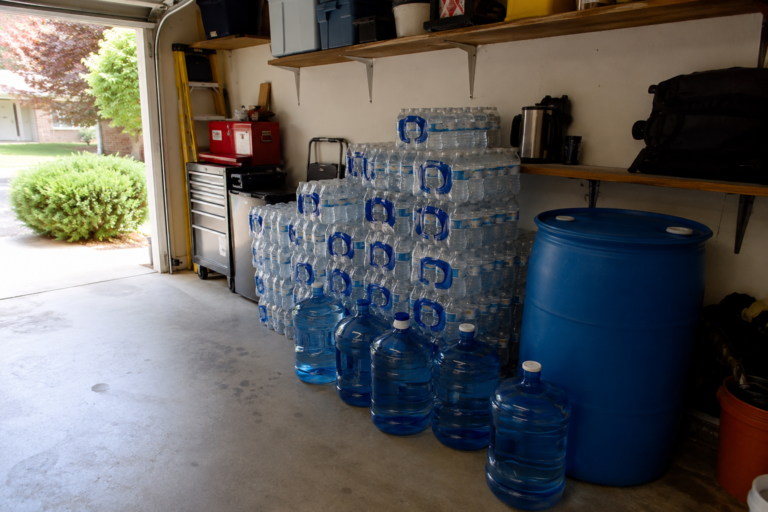
Leave some empty space in each bottle before freezing to allow the water to expand. If you already maintain an emergency water supply, freezing several bottles before severe weather arrives is an easy way to increase your cooling capacity. Learn more in our guide on How Long Does Stored Water Last?.
Reduce Heat Inside the Home
Keeping your home cooler slows the warming process. Close curtains or blinds to block direct sunlight, avoid using the oven, and cook outdoors if possible to reduce heat entering the kitchen.
Use a Refrigerator Thermometer
A refrigerator thermometer removes the guesswork from food safety. Instead of relying on how food feels, you’ll know whether the temperature has remained at or below 40°F (4°C), making it much easier to decide what can safely be kept.


Know When It’s Time to Switch to Backup Cooling
If the outage is expected to last beyond a few hours, don’t wait for the refrigerator to warm up before taking action. Prepare coolers, gather ice, or set up backup power while everything is still cold. Preserving existing cold is much easier than trying to cool food after temperatures have already risen.
💡 Pro Tip
If utility crews expect the outage to continue overnight or longer, begin your backup cooling plan immediately. Waiting too long often means competing with everyone else for bags of ice, fuel, and other emergency supplies.
Cold-Retention Strategies Compared
| Strategy | Cost | Difficulty | Overall Effectiveness |
|---|---|---|---|
| Keep refrigerator door closed | Free | Very Easy | Excellent ⭐⭐⭐⭐⭐ |
| Keep freezer door closed | Free | Very Easy | Excellent ⭐⭐⭐⭐⭐ |
| Freeze water bottles before storms | Very Low | Easy | High ⭐⭐⭐⭐ |
| Use a refrigerator thermometer | Low | Easy | High ⭐⭐⭐⭐ |
| Reduce indoor heat | Free | Easy | Moderate ⭐⭐⭐ |
| Prepare coolers or backup power early | Varies | Moderate | Excellent ⭐⭐⭐⭐⭐ |
These simple steps can add valuable hours of safe refrigeration during a blackout. If the outage continues into the next day, additional cooling methods such as ice, coolers, and dry ice become increasingly important.
When Should You Move Food Into a Cooler?
Whether you should move food into a cooler depends largely on how long the power outage is expected to last. If electricity is likely to return within a few hours, leaving the refrigerator closed is usually the best option because every transfer exposes food to warmer air. However, if utility crews expect the outage to continue overnight or longer, preparing a cooler while the food is still cold gives you a much better chance of preserving it safely.
A cooler is most effective when it starts with cold food and plenty of ice. Waiting until refrigerator temperatures have already risen above safe levels makes it much more difficult to prevent spoilage.
Choose the Right Cooler
A high-quality insulated cooler can keep food cold for days when packed correctly. Whatever cooler you use, keep it as full as possible. Cold food packed closely together stays colder longer, and any empty space should be filled with frozen water bottles, reusable ice packs, or bagged ice.

Move the Most Perishable Foods First
If cooler space is limited, prioritize raw meat, poultry, seafood, dairy products, eggs, and cooked leftovers. Less perishable items such as butter, condiments, bottled drinks, jams, and pickles can usually remain in the refrigerator longer.
Planning ahead is especially important during extended outages, when grocery stores may quickly run low on fresh food. For more information, see our guide on How Long Will Grocery Stores Have Food During an Emergency?.
Keep Drinks in a Separate Cooler
If possible, store beverages in a different cooler from your perishable foods. Drinks are accessed more frequently, and keeping them separate reduces how often the food cooler is opened, helping it stay colder for longer.
Use Ice Effectively
Ice works best when it surrounds the food rather than sitting only on top. Large blocks of ice generally last longer than loose cubes, while frozen water bottles provide additional cooling without leaving standing water as they melt. Keep food in sealed containers or resealable bags to protect it from melted ice water.
Monitor the Temperature
Use a cooler thermometer whenever possible and keep the internal temperature at or below 40°F (4°C). If temperatures continue rising despite adding fresh ice, cook or safely discard highly perishable foods before they become unsafe.
⚠️ Don’t Wait Too Long
If you’re confident the outage will last well beyond four hours, prepare your cooler before the refrigerator begins warming. Cold food transferred early stays safe much longer than food that has already entered the danger zone.
Which Foods Should Go Into the Cooler First?
| Priority | Foods | Why They Come First |
|---|---|---|
| Highest | Raw meat, poultry, and seafood | Spoil quickly and present the greatest risk of foodborne illness. |
| Highest | Milk, eggs, yogurt, and soft cheeses | Highly perishable dairy products that require continuous refrigeration. |
| High | Cooked leftovers and prepared meals | Should remain below 40°F to prevent rapid bacterial growth. |
| Medium | Deli meats and opened packaged foods | Stay safer when kept consistently refrigerated. |
| Lower | Butter, condiments, jams, pickles, and sauces | Usually tolerate warmer temperatures better because of their ingredients. |
| Lowest | Bottled drinks, canned beverages, and unopened shelf-stable items | Can be stored separately, reducing how often the food cooler is opened. |
Moving food into a properly packed cooler can add many valuable hours of safe storage during an extended outage. Next, we’ll look at how dry ice can provide even longer-lasting cooling when used safely.
Using Dry Ice Safely During a Power Outage
Dry ice can keep refrigerators and freezers cold much longer than regular ice because it is significantly colder and changes directly from a solid into carbon dioxide gas instead of melting into water. When used correctly, it can help preserve frozen food during extended power outages.
Several pounds of dry ice can help maintain safe temperatures in a household refrigerator, while larger freezers may require more depending on their size and the length of the outage. Because supplies often sell out quickly during severe weather, purchase dry ice before a major storm whenever possible.
Dry ice must always be handled carefully. At approximately -109°F (-78°C), it can cause severe cold burns if touched with bare skin. Wear insulated gloves or use thick towels when handling it, and keep it away from children and pets.
⚠️ Safety Warning
Never place dry ice directly against uncovered food, seal it inside an airtight container, or store large amounts in an unventilated area. As dry ice evaporates, it releases carbon dioxide gas, so proper ventilation is essential.
Can a Generator or Portable Power Station Keep Your Refrigerator Running?
If a blackout is expected to last more than a few hours, backup power is often the best way to prevent food spoilage. Both portable generators and portable power stations can keep a refrigerator running, but each has advantages depending on the situation.
Portable Generators
Portable generators can power a refrigerator for days as long as fuel is available. Be sure the generator provides enough starting wattage for the refrigerator compressor, and always operate it outdoors well away from doors, windows, and vents to prevent carbon monoxide poisoning.

Portable Power Stations
Portable power stations offer a quieter, fume-free alternative. Depending on battery capacity and your refrigerator’s power consumption, many models can keep food cold for several hours, while larger units paired with solar panels can provide backup power during longer outages.

💡 Pro Tip
Before purchasing backup power, check your refrigerator’s running and starting wattage. Choosing a properly sized generator or portable power station ensures the compressor starts reliably without overloading the system.
If you’re comparing different backup power options, read our guide on the best portable power stations for blackouts to find the right solution for your home.
Can You Refreeze Food After the Power Comes Back On?
Whether food can be safely refrozen depends on its temperature during the outage—not simply on whether it thawed. Frozen foods that still contain ice crystals or remained at or below 40°F (4°C) are generally safe to refreeze, although some items may lose texture or quality.
If meat, poultry, seafood, or other highly perishable foods completely thawed and remained above 40°F for more than two hours, they should be discarded. Refreezing does not destroy harmful bacteria or the toxins they may produce.
If you’re unsure how warm the food became or how long the power was out, it’s safest to throw questionable items away. Replacing groceries is inconvenient, but it is far less costly than the risk of foodborne illness.
⚠️ When in Doubt, Throw It Out
Never rely on smell, taste, or appearance to determine whether refrigerated or frozen food is safe. If you cannot verify that it remained at or below 40°F, discard it.
Can You Refreeze It?
| Food Condition | Safe to Refreeze? | Recommendation |
|---|---|---|
| Still contains ice crystals | Yes | Generally safe to refreeze, although some texture may be affected. |
| Thawed but remained below 40°F (4°C) | Yes | Safe to refreeze, but expect some loss of quality. |
| Above 40°F (4°C) for more than 2 hours | No | Discard meat, poultry, seafood, dairy products, eggs, and leftovers. |
| Temperature or outage length unknown | No | When in doubt, throw it out to avoid the risk of foodborne illness. |
Frequently Asked Questions
Can I open the refrigerator for just a few seconds?
Yes, but only if it’s necessary. Every time the door opens, cold air escapes and is replaced by warmer room air. If you need something, decide what you’re taking before opening the door and close it as quickly as possible.
How long will milk stay safe during a power outage?
Milk should remain below 40°F (4°C) to stay safe. If your refrigerator has been without power for more than about four hours and the temperature has risen above 40°F for over two hours, it should be discarded.
Can I eat eggs after a blackout?
Eggs should be treated like other highly perishable foods. If they have remained above 40°F for more than two hours, they should be thrown away. Don’t rely on the smell or the float test to determine whether they’re safe.
Is butter still safe if the refrigerator warms up?
Butter generally lasts longer than many dairy products because of its high fat content. While it may soften, it often remains safe for a longer period than milk or yogurt if temperatures have not become excessively warm for an extended time.
Can I use snow or ice from outside?
During winter storms, clean snow or naturally frozen ice can help keep food cold if placed in sealed containers or coolers. Avoid allowing food to come into direct contact with dirty snow, standing water, or untreated ice.
How can I tell if my refrigerator stayed cold enough?
The most reliable method is using a refrigerator thermometer. It tells you the actual temperature inside the appliance, eliminating guesswork about whether food has remained below the recommended 40°F safety limit.
What if I don’t know how long the power was out?
If you’re unsure how long the outage lasted or whether the refrigerator stayed below 40°F, it’s safest to discard highly perishable foods. Foodborne illness isn’t always detectable by smell, taste, or appearance.
What’s the best way to prepare before the next power outage?
Keep your refrigerator and freezer reasonably full, freeze several bottles of water, own an appliance thermometer, and have a plan for backup cooling using ice, coolers, a generator, or a portable power station. Preparing before severe weather arrives is far easier than trying to protect your food after the electricity has already gone out.
Final Thoughts
A power outage doesn’t automatically mean you’ll lose everything in your refrigerator, but every decision you make after the electricity goes out affects how long your food remains safe. Keeping the refrigerator and freezer doors closed, monitoring temperatures, preparing backup cooling early, and knowing when to discard questionable food can save hundreds of dollars in groceries while reducing the risk of foodborne illness.
The best time to prepare is before the next blackout occurs. A refrigerator thermometer, frozen water bottles, a quality cooler, and a dependable backup power source are inexpensive investments compared to replacing an entire refrigerator full of spoiled food. With a simple plan and the right supplies, you’ll be ready to protect both your food and your family during the next power outage.