Does Extreme Cold Affect Natural Gas? Frozen Regulators, Lines & Low Pressure.
Does extreme cold affect natural gas? Yes, but not in the way most homeowners think. Natural gas itself does not normally freeze inside residential gas lines during winter. However, freezing temperatures can affect gas production equipment, regulators, pressure-control systems, and the infrastructure that delivers fuel to homes. During a severe winter storm, these problems can reduce natural gas pressure, interrupt service, or leave households without reliable heating when they need it most.
This post contains affiliate links. I may earn a small commission at no extra cost to you. Learn more.
Most people assume that having a natural gas furnace means they are protected from the worst effects of winter weather. Natural gas is delivered through underground pipelines, does not require a storage tank at the house, and generally remains available even when electrical power is interrupted. That makes it a valuable energy source during cold weather.
However, the natural gas supply system is more complicated than a pipe running from a utility company to a furnace. Gas must be produced, processed, transported, regulated, and delivered at pressures appropriate for residential appliances. Severe winter weather can disrupt several parts of that process.
For homeowners, understanding these vulnerabilities is important. A furnace that suddenly stops heating may have an electrical problem, a blocked exhaust vent, an appliance malfunction, or an actual gas supply issue. Knowing the difference can prevent unnecessary repairs, dangerous troubleshooting attempts, and costly mistakes during a winter emergency.
This guide explains whether natural gas lines can freeze, how extreme cold affects gas pressure, why regulators sometimes develop ice-related problems, what happened during major winter gas disruptions, and how to prepare your home for an extended cold-weather emergency.
Quick Answer: Pipeline-quality natural gas does not ordinarily freeze at temperatures experienced during winter storms. However, water and other liquids in upstream production equipment can freeze, snow and ice can interfere with exposed gas regulators, and equipment failures or unusually high demand can affect natural gas pressure. A home may lose gas service during extreme cold even though the natural gas itself has not frozen.
Can Natural Gas Actually Freeze in Extreme Cold?
To understand what happens to natural gas during extreme cold, it helps to separate the physical properties of the fuel from the equipment used to deliver it.
Natural gas is primarily methane, although it also contains smaller amounts of other gases. Methane has a freezing point of approximately minus 296°F (minus 182.5°C) at atmospheric pressure. Natural gas mixtures behave differently depending on their composition and pressure, but properly processed residential natural gas does not ordinarily freeze at temperatures experienced during winter storms.
Those temperatures are far below anything homeowners encounter during a typical North American winter. Even during historically severe cold waves, residential natural gas does not simply turn into a solid inside the pipes beneath a neighborhood.
When people talk about frozen natural gas lines, they are usually describing one of several different problems:
- Water or other liquids freezing inside natural gas production equipment.
- Ice or snow obstructing a gas regulator vent.
- Freezing-related problems at a processing plant or compressor station.
- Reduced gas production during a major cold-weather event.
- Low gas pressure caused by equipment problems or system-wide supply constraints.
- A gas appliance failing because of frozen condensate, blocked venting, or an electrical issue.
These problems can produce similar symptoms for homeowners, but they have very different causes and solutions.
Why Moisture Is Often the Real Problem
Natural gas emerging from underground production wells may contain water vapor, liquid water, and other substances. Before that gas reaches residential customers, it must be processed to meet pipeline-quality requirements.
Water is particularly important because it can freeze when temperatures fall below 32 degrees Fahrenheit. Under certain pressure and temperature conditions, water and natural gas components can also form solid structures known as gas hydrates. These can restrict gas flow even when conditions are not cold enough to freeze methane itself.
Production and processing facilities use equipment and operating procedures to control moisture and prevent these restrictions. However, unusually severe weather can overwhelm equipment that is not adequately winterized.
That is one reason natural gas production can decline during an extreme cold wave even while demand for the fuel is increasing.
What Parts of a Natural Gas System Can Freeze?
Natural gas passes through multiple facilities before reaching a residential furnace, water heater, or stove. Each part of the system faces different cold-weather risks.
The following table explains where winter-related problems are most likely to develop and how they can affect homeowners.
| Gas System Component | Potential Winter Problem | Possible Result |
|---|---|---|
| Natural gas wellhead | Ice formation, gas hydrates, or accumulated liquids can restrict production equipment. | Reduced natural gas production. |
| Gas processing plant | Equipment freeze-ups, electrical failures, or winterization problems. | Less processed gas enters the pipeline system. |
| Compressor station | Mechanical failure, power loss, or operating limitations. | Reduced ability to move gas through parts of the network. |
| Distribution system | Equipment failures, pressure-control problems, or supply constraints. | Local pressure problems or service interruptions. |
| Outdoor meter and regulator | Snow, ice, falling icicles, blocked vents, or physical damage. | Unsafe operation or interruption requiring utility attention. |
| Home furnace or water heater | Frozen condensate, blocked exhaust, electrical failure, or appliance malfunction. | Loss of heat or hot water despite available gas service. |
1. Natural Gas Wellheads Can Experience Freeze-Offs
One of the most important winter vulnerabilities occurs before natural gas ever enters the long-distance pipeline network.
Gas production wells bring natural gas to the surface from underground formations. Depending on the well and production conditions, the raw gas stream may contain water, condensate, and other substances that require separation or treatment.
When exposed production equipment becomes extremely cold, water or other liquids can create restrictions. These events are commonly called wellhead freeze-offs.
A freeze-off may reduce the amount of natural gas a particular well can produce. When thousands of wells across a producing region experience similar problems, the total supply reduction can become significant.
This is particularly concerning during major winter storms because natural gas demand usually rises at the same time.
Homes need more fuel for heating, businesses increase heating consumption, and natural gas-fired power plants may also be operating at high output. If production declines while consumption rises, the system has less flexibility to respond.
Why Some Gas-Producing Regions Are More Vulnerable
Natural gas infrastructure is designed around expected local weather conditions, operating requirements, and engineering standards. Equipment in regions accustomed to prolonged freezing temperatures may have more extensive winterization measures than equipment in places where severe cold has historically been uncommon.
That does not mean northern systems are immune to failure or southern systems are always unprepared. It means that an unusually severe cold wave can expose weaknesses in equipment protection, operating procedures, and backup power arrangements.
When a widespread winter storm affects production fields, processing plants, roads, and electrical infrastructure simultaneously, restoring normal gas production can be difficult.
2. Natural Gas Regulators Can Develop Ice-Related Problems
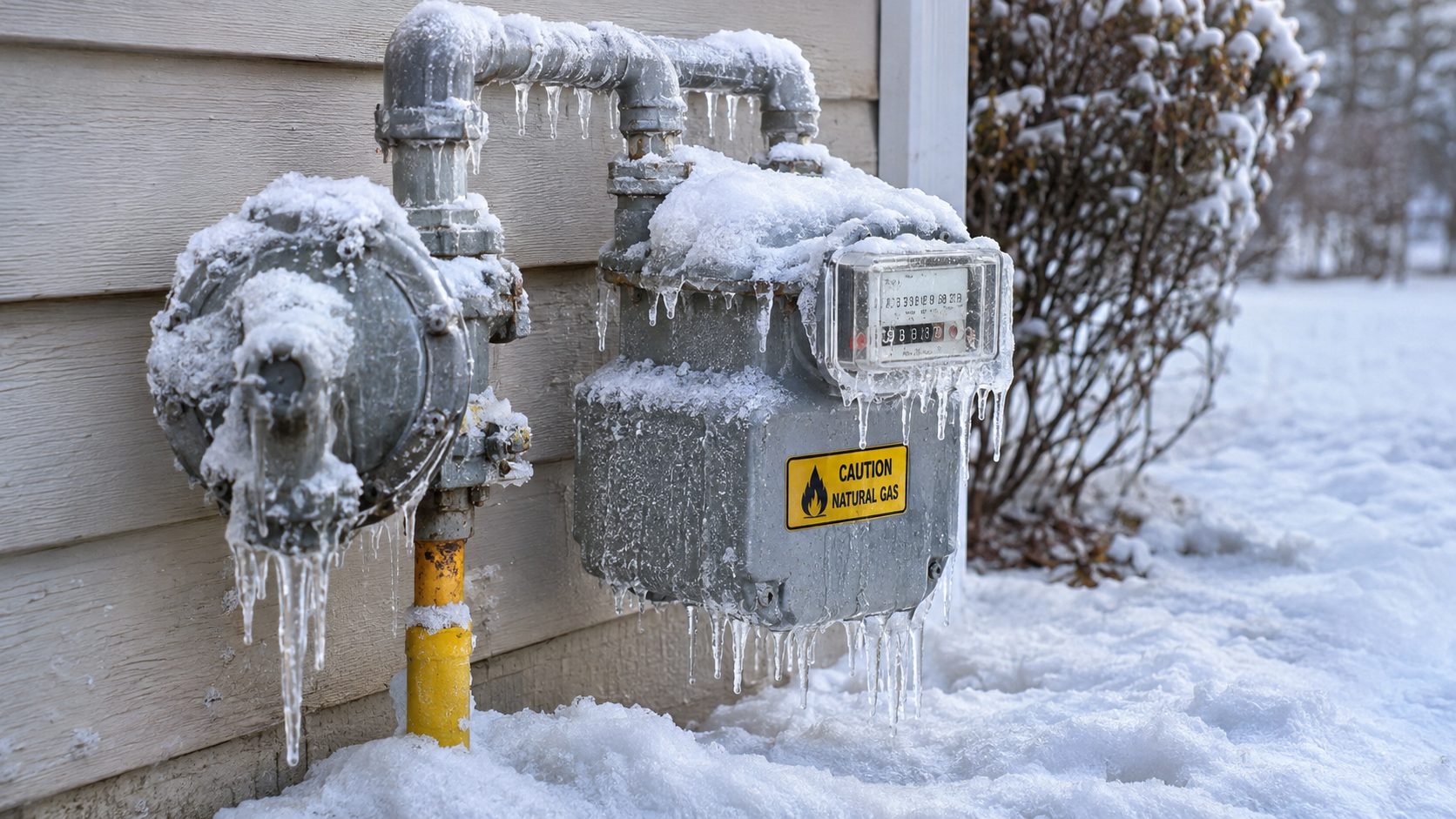
For homeowners, the most visible part of the natural gas delivery system is usually the outdoor meter and regulator assembly.
A natural gas regulator controls pressure so downstream piping and appliances receive fuel within the required operating range. Regulators are designed for specific pressures, flow rates, and installation conditions.
Although these devices are built to operate outdoors, snow and ice can create hazards when they accumulate in the wrong places.
How Ice Can Affect a Gas Regulator
Some regulator designs use atmospheric vent openings that must remain unobstructed for proper operation. Ice, packed snow, or other debris can interfere with these openings.
Regulator problems may also result from physical damage caused by falling ice, snow sliding off a roof, or heavy accumulation around exposed equipment.
Depending on the regulator design and the nature of the malfunction, the result can be an unsafe pressure condition, interrupted gas flow, or another operating problem requiring utility attention.
Homeowners should not assume a regulator is safe simply because an appliance still operates. Pressure-control equipment requires proper inspection and maintenance.
Warning Signs of a Potential Regulator Problem
Possible warning signs include:
- A gas meter or regulator assembly covered by heavy snow or ice.
- Visible damage to the regulator, meter, piping, or protective housing.
- A regulator vent that appears obstructed.
- Gas appliances that suddenly stop operating without an obvious electrical explanation.
- Multiple gas appliances malfunctioning at approximately the same time.
- A utility notice reporting local gas pressure or service problems.
These observations do not prove that a regulator has frozen. They indicate a condition that may need professional assessment.
Important Safety Warning: Never use a torch, heat gun, open flame, heating pad, or improvised electrical heater to thaw a natural gas regulator, meter, or gas line. Do not adjust regulator screws, remove covers, disconnect piping, or attempt repairs. Contact your gas utility if you suspect an ice-related problem.
Should You Remove Snow From a Natural Gas Meter?
Gas utilities generally advise customers to keep meters accessible and prevent snow or ice from blocking vents or damaging equipment. However, the exact procedure should follow your utility’s instructions.
Where permitted, gently clearing loose snow from the surrounding area may help maintain access. Never strike the meter, chip ice off components, use a shovel against piping, or apply heat.
Pay particular attention to rooflines. Falling icicles and heavy snow sliding from a roof can damage exposed meter assemblies.
If equipment is encased in ice or appears damaged, leave it alone and contact the utility.
3. Can Natural Gas Lines Freeze Underground?
One of the most common homeowner questions is whether buried natural gas lines can freeze during prolonged subzero temperatures.
Under normal operating conditions, the answer is no. Properly processed natural gas flowing through a residential service line does not freeze simply because the surrounding ground becomes cold.
Most underground gas distribution systems are designed to operate through seasonal temperature changes. Burial provides protection from direct exposure to snow, wind, and falling ice.
However, underground piping can still experience other cold-weather-related problems.
Frost Heave and Ground Movement
When moisture in soil freezes, the ground can expand or shift. This process, known as frost heave, may place stress on buried structures and piping.
The degree of risk depends on soil conditions, pipe materials, installation details, burial depth, and other factors. Gas utilities monitor and maintain their systems with these environmental conditions in mind.
Ground movement does not mean the gas inside a pipe is freezing. It is a mechanical concern affecting the infrastructure itself.
Water Contamination and Unusual Restrictions
Water entering gas piping can create problems under certain conditions. However, residential gas is processed and distributed under standards intended to control gas quality.
If a homeowner experiences low gas flow during winter, it is not reasonable to assume that the underground service line contains a frozen water blockage.
Pressure problems, equipment faults, appliance issues, and utility-side conditions may produce similar symptoms. Proper diagnosis requires qualified personnel.
Never attempt to excavate, disconnect, or thaw a buried natural gas line.
4. Does Extreme Cold Affect Natural Gas Pressure?
Yes. Extreme cold can affect the availability and pressure of natural gas, particularly during unusual supply disruptions or equipment failures.
However, it is important to understand that natural gas pressure is actively managed by utilities. Pressure does not automatically fall at every home whenever the temperature drops below freezing.
Under normal conditions, gas distribution companies plan for winter demand and operate pressure-control systems to maintain reliable service.
Problems become more likely when severe weather creates several challenges simultaneously.
Higher Demand During Winter Storms
As outdoor temperatures fall, natural gas heating systems operate more frequently. Furnaces may run for longer cycles, water heaters must replace heat lost to colder incoming water, and commercial buildings require additional heating.
At the same time, power plants that burn natural gas may experience changing demand depending on electricity use and generation availability.
This can create exceptionally high gas consumption across a region.
Utilities use supply contracts, pipeline capacity, storage, and other operational resources to manage expected demand. Nevertheless, extreme conditions can reduce the system’s available margin.
Reduced Production During the Same Storm
A winter storm can simultaneously increase demand and reduce supply.
Wellhead freeze-offs, processing plant shutdowns, compressor problems, and electrical outages can reduce the amount of gas entering the network.
That combination is more serious than high demand alone.
When supply becomes constrained, operators may need to take protective actions to maintain system integrity. Depending on the situation, customers could experience service restrictions, interruptions, or other consequences.
Why Gas Pressure Problems Are Not Always Local
Natural gas travels through an interconnected network. A supply problem in one region can affect operations elsewhere, particularly when pipeline capacity is constrained or multiple facilities experience problems at the same time.
A homeowner might have a perfectly functional meter and furnace but still experience a service disruption because of a problem much farther upstream.
This is why utility announcements are so important during widespread winter emergencies.
How to Recognize Possible Low Natural Gas Pressure
Low gas pressure is not something homeowners should attempt to measure or correct by adjusting their meter or regulator.
However, certain appliance problems can indicate that the gas supply or equipment needs professional attention.
Possible symptoms include gas appliances repeatedly failing to ignite, heating equipment shutting down unexpectedly, or multiple gas appliances malfunctioning at the same time.
These symptoms can also result from unrelated causes such as ignition failures, blocked venting, control-board faults, or inadequate electrical power.
| Observed Problem | Possible Explanation | Recommended Response |
|---|---|---|
| One furnace stops heating. | Electrical, ignition, venting, thermostat, or appliance problem. | Follow manufacturer instructions and contact an HVAC professional. |
| Several gas appliances fail together. | Possible supply or pressure issue, although other causes are possible. | Contact the gas utility. |
| Meter or regulator is covered in ice. | Snow accumulation, roof runoff, or freezing precipitation. | Do not thaw or modify equipment; contact the utility. |
| Gas odor or hissing near piping. | Possible gas leak. | Leave immediately and call 911 or the utility from a safe location. |
| Furnace fails during an electrical outage. | Modern furnace may need electricity for its blower, controls, or ignition. | Use only an approved backup electrical connection. |
Do not rely on flame color, flame height, or appliance sound to determine whether gas pressure is safe. Those observations cannot replace proper testing.
What Happened During the February 2021 Winter Storm?
The February 2021 winter emergency provides one of the clearest modern examples of how extreme cold can disrupt natural gas systems.
During the event, unusually cold weather affected large portions of the central and southern United States. Electricity demand increased, heating demand surged, and multiple parts of the energy infrastructure experienced failures.
Natural gas production was affected by freeze-offs and other equipment problems. Processing plants and related infrastructure also experienced disruptions.
At the same time, natural gas was needed for residential heating and electricity generation.
The result was a complicated energy emergency involving both electricity and natural gas systems.
Why the Gas and Electric Systems Affected Each Other
Natural gas and electricity are closely connected.
Many power plants burn natural gas to generate electricity. Meanwhile, parts of the natural gas supply chain depend on electrical power to operate equipment.
When gas production declines, natural gas-fired power plants may have difficulty obtaining sufficient fuel. When electricity fails, certain gas production and processing facilities may also lose power.
These dependencies can intensify an emergency if both systems experience widespread failures at the same time.
Not every facility depends on grid electricity in the same way, and not every natural gas interruption leads to an electrical outage. Nevertheless, the 2021 event demonstrated the importance of winterizing critical equipment and coordinating gas and electric system planning.
What Homeowners Should Learn From the Event
The biggest lesson is that natural gas infrastructure can be highly reliable without being completely immune to extreme weather.
Homeowners should not assume that a natural gas furnace guarantees heat during every winter emergency.
Even if the utility continues delivering fuel, the furnace may require electricity. If the gas supply is interrupted, an electrical generator will not restore the missing fuel.
A dependable winter preparedness plan should account for both possibilities.
Can Natural Gas Service Stop During a Winter Storm?
Yes, although the likelihood depends on the utility system, weather severity, infrastructure condition, and location.
Most winter storms do not cause widespread residential natural gas outages. Utilities routinely operate through cold weather and maintain systems designed for seasonal demand.
However, severe events can cause localized or regional interruptions.
Possible causes include damaged distribution equipment, pressure-control failures, upstream production problems, pipeline incidents, or emergency operating restrictions.
Service interruptions can also occur when a utility must isolate damaged infrastructure for safety.
Why Restoring Gas Service Can Take Longer Than Expected
Restoring natural gas service is not always as simple as turning a valve back on.
Depending on the nature of an outage, utility personnel may need to inspect equipment, verify safe system pressure, and follow procedures intended to prevent gas from entering unsafe conditions.
In some circumstances, individual customer appliances and service connections may require attention before normal operation can resume.
This is one reason homeowners should never attempt to reopen a utility-closed gas valve or restart equipment contrary to utility instructions.
Important: If your gas utility shuts off service, do not turn it back on yourself. Follow the utility’s restoration instructions. Unauthorized reconnection can create a dangerous gas leak or appliance operating condition.
Will Natural Gas Still Work During a Power Outage?
Natural gas service and electrical service are separate systems, but they are not completely independent.
In many situations, natural gas can continue flowing through local distribution pipelines during an electrical outage. This is one of the reasons natural gas is often considered a useful fuel for emergency preparedness.
However, the continued availability of gas does not mean every natural gas appliance will work without electricity.
Natural Gas Furnaces Usually Need Electricity
Most modern natural gas furnaces require electrical power for their blower motor, ignition system, electronic controls, and safety devices.
If electricity fails, the furnace may stop operating even though the gas supply remains available.
Some systems can be powered by a properly sized generator or other approved backup electrical source. However, connection methods must be safe, compatible with the equipment, and compliant with the manufacturer’s requirements.
Never backfeed household wiring through an ordinary receptacle or improvise a connection to a furnace.
Natural Gas Water Heaters Vary by Design
Some conventional gas storage water heaters use standing pilots and controls that do not require household electricity. Others rely on electronic ignition, powered venting, or other electrical components.
Tankless gas water heaters commonly require electricity for controls and operation.
Whether a particular appliance works during an outage depends on its design. Check the manufacturer’s documentation rather than assuming all gas water heaters behave alike.
Natural Gas Stoves Are Not Emergency Heaters
Some gas cooking appliances can operate during electrical outages, but ignition and safety requirements vary. Certain models cannot be manually lit, and others may have manufacturer-specific instructions.
Even if a gas cooktop can operate without electricity, it must never be used to heat the home.
Using an oven or stove for space heating creates serious carbon monoxide, fire, and indoor air-quality hazards.
For a more detailed explanation of gas service during electrical failures, see How Long Will Natural Gas Work During a Blackout?.
How Cold Weather Can Affect a Natural Gas Furnace
When a natural gas furnace stops heating during a winter storm, homeowners often assume the gas supply has failed. In reality, several furnace-related problems can occur even when utility gas pressure remains normal.
Blocked Intake or Exhaust Pipes
High-efficiency furnaces frequently use exterior pipes for combustion air and exhaust gases. Depending on the installation, these may terminate through a sidewall or roof.
Snowdrifts, ice, or other obstructions can interfere with airflow or exhaust.
Modern furnaces typically include safety controls designed to detect certain unsafe operating conditions. An obstruction may cause the furnace to shut down or display an error code.
Never bypass a safety switch or operate a furnace with a blocked exhaust.
Frozen Condensate Drainage
High-efficiency condensing furnaces produce water as part of their normal operation. That condensate must drain through an appropriate system.
If a condensate line runs through an unheated area or is improperly installed, freezing conditions can create a blockage.
A blocked condensate drain may trigger a safety shutdown.
Frozen condensate is a furnace drainage problem, not evidence that natural gas has frozen inside the fuel line.
Electrical Failures and Power Quality Problems
Furnace controls, blower motors, and ignition systems rely on electricity. Power interruptions, damaged wiring, failed components, or incompatible backup power can prevent normal operation.
A furnace that repeatedly attempts to start and shuts down should be evaluated according to its manufacturer’s instructions.
Do not repeatedly reset safety controls without understanding why the equipment is failing.
How to Protect Your Natural Gas Meter During Winter
Homeowners cannot control regional natural gas production, but they can reduce certain hazards around the equipment located on their property.
The first step is to learn where the gas meter and regulator are installed. Identify the area before snow accumulates so the equipment can be located quickly during an emergency.
Next, review the gas utility’s published winter-weather guidance. Utilities may have specific instructions for maintaining access and protecting equipment from snow and ice.
Keep the Area Accessible
Avoid storing firewood, equipment, trash containers, or other objects against the meter assembly.
Maintain reasonable access so utility personnel can inspect or service the equipment when necessary.
During heavy snowfall, follow the utility’s instructions for clearing loose snow around the meter. Do not use sharp tools or heavy equipment against gas piping.
Watch for Roof Runoff and Falling Ice
Roof runoff can refreeze around exterior equipment. Heavy icicles and sliding snow can also damage meters and regulators.
If your gas equipment is directly below a roof edge where heavy ice regularly forms, ask the utility whether additional protection or a different approved arrangement is appropriate.
Do not install a homemade enclosure that blocks ventilation or access.
Do Not Modify the Regulator
Gas regulators are not ordinary homeowner maintenance items.
Do not adjust pressure settings, relocate vent openings, install unapproved heating devices, or add insulation directly around the regulator.
If the equipment appears damaged, unusually iced over, or otherwise unsafe, contact the utility.
What to Do If Your Natural Gas Stops Working in Extreme Cold
Losing natural gas service during freezing weather can quickly become a serious household emergency, especially when the primary heating system depends on that fuel.
The correct response depends on whether there is evidence of a gas leak or simply a loss of appliance operation.
Step 1: Check for Immediate Danger
If you smell rotten eggs or another unusual gas odor, hear hissing near gas piping, or suspect a leak, leave the building immediately.
Do not operate light switches, electrical equipment, telephones, or appliances while inside the affected area. Do not use flames or attempt to locate the leak yourself.
Once you are safely away, call 911 or the gas utility’s emergency number.
Do not return until emergency responders or the utility say it is safe.
Step 2: Determine Whether Electricity Is Available
If there is no indication of a gas leak and your furnace has stopped heating, check whether the home has electrical power.
A gas furnace may not run during an electrical outage even when gas service remains normal.
If the house has power but the furnace is not operating, the problem could involve the thermostat, furnace controls, venting, condensate drainage, or gas supply.
Follow the equipment manufacturer’s troubleshooting instructions only for tasks intended for homeowners. Leave gas pressure testing and fuel-system repairs to qualified professionals.
Step 3: Look for Utility Announcements
Check the natural gas utility’s website, outage notifications, or customer-service information.
During a regional emergency, the utility may provide updates about service disruptions, restoration procedures, or requests to conserve fuel.
Do not assume that a neighborhood-wide issue can be corrected by resetting household equipment.
Step 4: Contact the Appropriate Professional
If multiple gas appliances stop operating, contact the gas utility.
If gas service appears normal but one furnace is malfunctioning, contact a qualified HVAC technician.
Explain what happened, when it began, and whether the problem affects other appliances. Avoid making unsupported assumptions about frozen gas lines.
Step 5: Begin Your Backup Heating Plan
If indoor temperatures are falling, move family members into a smaller occupied area, close doors to unused rooms, and reduce heat loss where it can be done safely.
Use appropriate clothing, blankets, and sleeping bags to conserve body heat.
Operate only heating equipment specifically approved for the intended indoor use and follow all ventilation, clearance, and carbon monoxide requirements.
If the home cannot be maintained at a safe temperature, relocate to a heated shelter or another safe location rather than relying on unsafe improvised heating methods.
How Long Can a House Stay Warm Without Natural Gas?
The amount of time a home remains comfortable after heating stops depends on several factors.
Insulation quality, air leakage, outdoor temperature, wind, solar exposure, building size, and the starting indoor temperature all affect how quickly a house loses heat.
A well-insulated house may cool relatively slowly during mild winter weather. The same house can lose heat much faster during a severe cold wave with strong winds.
There is no reliable universal rule that says every home will remain safe for a particular number of hours without heating.
For example, a home starting at 70°F during a calm 35°F day will behave very differently from the same home during a windy night at minus 10°F.
Instead of relying on a fixed estimate, monitor actual indoor temperatures.
Track Temperature in the Rooms You Use
A digital indoor thermometer makes it easier to recognize how quickly the house is cooling.
Place thermometers in occupied areas and, where useful, in rooms with vulnerable plumbing. A model that records minimum and maximum temperatures can help identify conditions that occurred overnight.
Remember that a thermostat reading in the living room may not represent temperatures near exterior walls, crawlspaces, or poorly insulated plumbing.
Monitoring temperature also helps you decide when to move to a warmer location before conditions become dangerous.
Two Useful Products for Cold-Weather Gas Preparedness
This is primarily an informational topic, so it does not require a long product roundup. However, two inexpensive types of equipment are worth considering for households that depend on natural gas heating.
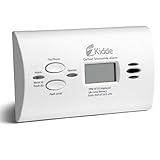
1. Battery-Powered Carbon Monoxide Alarm
Carbon monoxide is a colorless, odorless gas that can be produced when fuel-burning appliances malfunction or combustion gases are not vented properly.
A dependable carbon monoxide alarm is an important safety device in homes with natural gas furnaces, water heaters, fireplaces, or other fuel-burning equipment.
Battery-powered models can continue monitoring during electrical outages, provided their batteries and sensors are in working condition.
Choose a listed alarm from a reputable manufacturer, follow the placement instructions, and replace the unit according to its stated service life.
2. Indoor Digital Thermometer With Minimum and Maximum Readings
An indoor thermometer is useful during any winter heating emergency because it provides an actual temperature reading rather than a guess about how cold the house feels.
A model that records minimum and maximum readings can help monitor rooms that are not occupied continuously.
This is especially helpful when trying to protect plumbing, evaluate heat loss, or determine whether the house remains suitable for continued occupancy.

How to Prepare for a Natural Gas Interruption Before Winter
Most households do not need elaborate equipment to improve their readiness for a natural gas service interruption. The most important preparations involve maintaining existing systems, planning alternative heat, and understanding how the home will function if both gas and electricity become unavailable.
Have Heating Equipment Serviced
Schedule routine furnace maintenance before the heating season.
A qualified technician can inspect combustion-related components, venting, electrical controls, safety systems, and other equipment according to the manufacturer’s requirements.
Preventive maintenance cannot eliminate a regional gas supply interruption, but it can reduce the chance that an ordinary appliance problem becomes an emergency during severe weather.
Know Your Utility’s Emergency Contact Information
Save the gas utility’s emergency number somewhere accessible without internet service.
Keep a printed copy with your household emergency plan and make sure other adults in the home know where to find it.
During a major storm, cellular service or internet access may become unreliable. Having essential numbers available in advance can save time.
Plan for Backup Heat
A backup heating plan should not depend entirely on the same natural gas supply as the primary furnace.
Options vary depending on the home, available fuels, ventilation requirements, and whether electrical power is available.
Possible approaches include a properly installed wood stove, an appropriately installed alternative-fuel heating system, or relocating to a heated location during an extended outage.
Portable fuel-burning heaters require special care. Only use equipment approved for its intended location, maintain required clearances and ventilation, and never operate outdoor-only combustion equipment indoors.
See the related guide Best Backup Heating for Power Outages: 6 Ways to Stay Warm for additional planning considerations.
Prepare for an Electrical Outage Too
A natural gas furnace that requires electricity may become unusable during a power outage even when the gas supply is unaffected.
Homeowners considering generator or battery backup should determine the furnace’s electrical requirements and use an approved connection method.
Some furnaces have compatibility requirements involving grounding, neutral connections, or power quality. These should be evaluated before an emergency rather than during one.
Never connect a generator directly to household wiring without an appropriate transfer mechanism or other professionally approved arrangement.
Protect Vulnerable Plumbing
If the heating system fails during freezing weather, water pipes may become vulnerable.
Locate the main water shutoff valve and learn how to use it before an emergency.
Insulate exposed plumbing where appropriate and follow a cold-weather protection plan suited to the building.
For detailed instructions, read How to Keep Pipes From Freezing During a Power Outage.
Natural Gas vs. Propane During Extreme Cold
Natural gas and propane are both widely used for residential heating, but their cold-weather limitations are not identical.
Natural gas normally arrives through a utility pipeline. Propane is typically stored on the property in a tank as a pressurized liquid.
Propane must vaporize before it can supply most residential appliances. Its ability to vaporize depends on temperature, tank size, fuel level, and withdrawal rate.
In very cold weather, a propane tank may struggle to supply a high-demand appliance even though liquid propane remains in the tank.
Natural gas does not face the same residential tank vaporization limitation, but it depends on a larger production and pipeline network.
| Feature | Utility Natural Gas | Residential Propane |
|---|---|---|
| Fuel delivery | Continuous pipeline supply when service is available. | Stored in an on-site tank that requires refilling. |
| Main cold-weather concern | Upstream freeze-offs, equipment problems, pressure constraints, and system interruptions. | Reduced vaporization capacity, tank conditions, regulator issues, and fuel availability. |
| On-site fuel reserve | Usually none for a pipeline-connected home. | Limited by the amount of fuel stored in the tank. |
| Dependence on deliveries | Depends on utility infrastructure and regional supply. | Depends on tank refills and supplier access. |
| Can appliances require electricity? | Yes. | Yes. |
Neither fuel should be considered completely immune to winter emergencies.
For households evaluating propane as a backup fuel, see Propane for Long-Term Power Outages: Essential Products and Fuel Storage Guide.
Can You Prevent Natural Gas Pressure Problems at Home?
Homeowners cannot control the pressure or production capacity of the regional natural gas network.
They also should not attempt to compensate for suspected low pressure by adjusting regulators, changing appliance settings, or modifying gas piping.
Those actions can create dangerous operating conditions.
What homeowners can do is maintain appliances, protect exposed equipment from avoidable damage, report problems promptly, and prepare for service interruptions.
If a gas utility issues conservation instructions during a supply emergency, follow its guidance. Reducing unnecessary consumption when requested may help system operators manage a constrained situation.
However, never shut down essential heating or take other steps that could endanger occupants merely to reduce fuel use. Follow the utility’s specific recommendations and prioritize safety.
How Common Are Natural Gas Outages During Extreme Cold?
Natural gas outages are generally less visible to homeowners than electrical outages because gas distribution networks are largely underground and are not exposed to falling trees and wind in the same way as overhead power lines.
However, that does not mean gas outages never occur.
Local distribution damage, equipment failures, pressure-control problems, and regional supply emergencies can interrupt service.
There is no single reliable percentage that describes the chance of a natural gas outage during every winter storm. Reliability depends on the specific utility system, infrastructure condition, geographic region, and severity of the weather event.
For preparedness purposes, it is more useful to ask whether your household can remain safe if heat is unavailable for a day or longer.
A family with warm clothing, safe backup heating, adequate water, working carbon monoxide alarms, and an evacuation plan is better positioned to handle an interruption than a household that assumes gas service will always be available.
Frequently Asked Questions About Natural Gas in Extreme Cold
At What Temperature Does Natural Gas Freeze?
Methane, the main component of natural gas, freezes at approximately minus 296°F at atmospheric pressure. Actual natural gas mixtures have more complex phase behavior, but properly processed residential natural gas does not ordinarily freeze during winter weather.
Can Natural Gas Lines Freeze at 0°F?
Not under normal residential operating conditions. A temperature of 0°F is nowhere near cold enough to freeze methane. However, ice-related equipment problems and upstream freeze-offs can occur during freezing weather.
Can a Natural Gas Regulator Freeze?
Ice and snow can obstruct or damage exposed regulators and their venting arrangements. Certain internal operating problems may also occur under specific conditions. If a regulator appears iced over or damaged, contact the utility rather than attempting to thaw it.
Does Natural Gas Pressure Drop When It Gets Cold?
Gas pressure is controlled by utility equipment and does not automatically fall at every house when outdoor temperatures decrease. Severe supply disruptions, unusual demand, or equipment failures can create pressure problems.
Can Frozen Ground Damage a Natural Gas Line?
Ground freezing and thawing can cause soil movement that places stress on buried infrastructure under certain conditions. That is different from natural gas freezing inside the pipe.
Can a Natural Gas Furnace Stop Working Even When Gas Is Available?
Yes. Modern furnaces often need electricity for controls and blower motors. Blocked exhaust pipes, frozen condensate drains, ignition problems, and other faults can also prevent heating.
Should I Pour Hot Water on a Frozen Gas Meter?
No. Do not attempt to thaw gas meters or regulators using hot water, open flames, heat guns, or improvised methods. Contact the utility and follow its instructions.
Can a Natural Gas Supply Be Interrupted for Several Days?
Extended interruptions are possible, depending on the incident and restoration requirements. Some service disruptions can require inspections or individual customer restoration procedures. A winter preparedness plan should account for more than a brief interruption.
Is Natural Gas More Reliable Than Electricity During Winter Storms?
Natural gas distribution often continues operating when overhead electrical lines are damaged, but reliability depends on the particular event. Both systems can experience severe-weather failures, and many gas appliances need electricity to function.
What Should I Do If I Smell Gas During a Winter Storm?
Leave the building immediately. Do not operate switches, appliances, phones, or flames inside. Once safely away, call 911 or the gas utility’s emergency number. Do not reenter until authorized.
Final Thoughts
Extreme cold can affect natural gas systems, but the real problem is usually not natural gas freezing inside residential pipelines.
The greater concerns are moisture-related freeze-offs at production facilities, ice and snow affecting regulators, mechanical failures, high winter demand, and supply interruptions that can develop during severe weather.
For homeowners, the distinction matters because the response to a regional gas shortage is very different from the response to a malfunctioning furnace or a damaged meter.
Rather than trying to thaw gas lines or adjust equipment, focus on maintaining your heating system, keeping utility equipment accessible, monitoring indoor temperatures, and preparing for a temporary loss of heat.
Natural gas remains a valuable and generally dependable heating fuel. However, every household should have a plan for staying safe if that fuel becomes unavailable during the coldest part of winter.
Further Reading
Related Articles From The Savvy Survivalist
- How Long Will Natural Gas Work During a Blackout? — Understand how utility gas service and household appliances behave during electrical outages.
- Winter Power Outage in Subzero Temperatures — Prepare for heat loss, frozen pipes, and dangerous indoor temperatures.
- How to Keep Pipes From Freezing During a Power Outage — Practical steps for protecting household plumbing when heating fails.
- Propane for Long-Term Power Outages — Learn about propane-powered equipment, storage, and emergency fuel planning.
External References and Safety Resources
- PHMSA: Dangers of Snow and Ice Buildup on Natural Gas Distribution Systems — Federal safety guidance explaining how accumulated snow and ice can damage gas infrastructure and obstruct pressure regulator vents.
- U.S. Department of Energy: February 2021 Extreme Cold Weather Situation Report — Documents natural gas wellhead freeze-offs, processing plant outages, increased heating demand, and regional supply disruptions during the 2021 winter emergency.
- PHMSA: Protecting Pipeline Integrity During Extreme Winter Weather — Explains pipeline safety risks from heavy snowfall, ice accumulation, frost heave, ground movement, and winter thaw.
- American Gas Association: Natural Gas Winter Weather Safety Tips — Practical homeowner guidance for protecting gas meters, keeping appliance vents clear, and responding safely to suspected gas leaks.