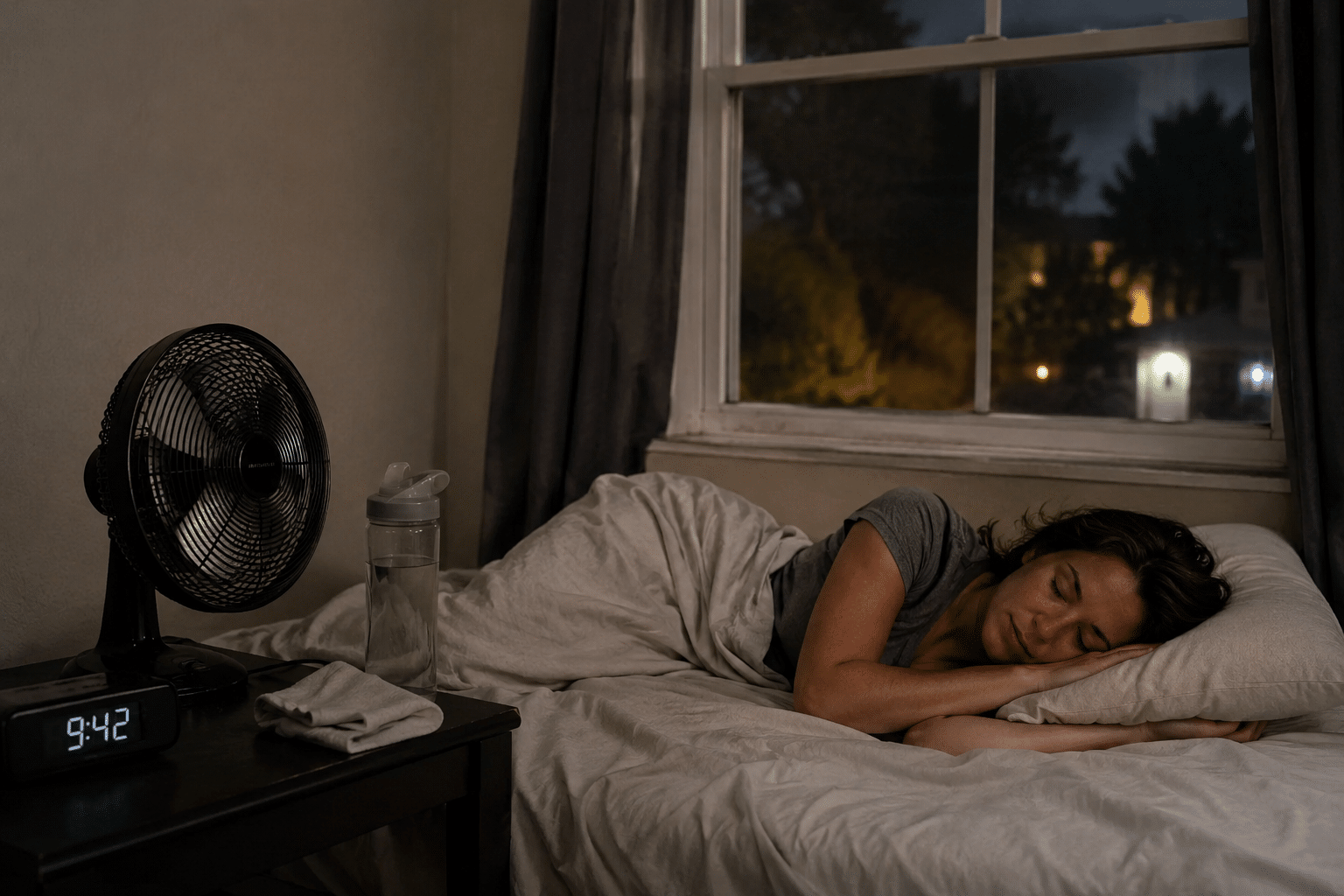
How to Sleep Comfortably Without Air Conditioning During a Power Outage
Sleeping without air conditioning during a power outage is uncomfortable on a normal summer night, but it can become much more serious when the indoor temperature keeps rising after sunset and your home has no way to remove trapped heat. What starts as tossing, sweating, and flipping the pillow over can turn into poor sleep, dehydration, heat stress, and dangerous overnight conditions for children, older adults, pets, and anyone with medical concerns.
This post contains affiliate links. I may earn a small commission at no extra cost to you. Learn more.
The goal is not just to “tough it out.” The goal is to help your body release heat, keep your sleeping area as cool as possible, reduce humidity when you can, and avoid the mistakes that make a hot room even harder to sleep in. Small choices matter during a blackout. Where you sleep, what you wear, what bedding you use, how you manage windows, and whether you conserve battery power for fans can all make a major difference by bedtime.
This guide explains how to sleep comfortably without air conditioning during a power outage using practical, low-tech methods that work when the grid is down. If you are building a broader blackout plan, this topic also connects directly with Why Summer Blackouts Turn Dangerous Faster, because nighttime heat is one of the problems many families underestimate until the house is already too hot.
⚡ Quick Answer
Sleeping comfortably without air conditioning during a power outage starts with reducing the amount of heat your body has to fight overnight. Keep the hottest afternoon sunlight out of your home, create as much natural airflow as possible after outdoor temperatures begin to fall, wear lightweight, breathable clothing, use moisture-wicking bedding, stay hydrated throughout the day, and cool your body before getting into bed. If you have battery-powered or rechargeable fans, use them strategically instead of running them continuously to conserve power during an extended outage.
📌 Key Takeaways
- Keep sunlight out of your home during the hottest part of the day to reduce indoor temperatures before bedtime.
- Take advantage of cooler nighttime air by improving natural ventilation whenever it is safe to do so.
- Choose lightweight, breathable clothing and bedding that allow body heat to escape.
- Cool your body before going to bed instead of trying to cool the entire room.
- Use battery-powered fans strategically to extend runtime during long power outages.
- Watch children, older adults, and anyone with medical conditions closely for signs of heat-related illness during hot nights.
Why Sleeping Without Air Conditioning Can Become Dangerous
Many people assume the most dangerous part of a summer blackout happens during the afternoon when the sun is at its highest, but nighttime often presents a different challenge. After hours of absorbing sunlight, your home’s roof, attic, exterior walls, and even concrete foundations continue releasing stored heat well after sunset.
Instead of cooling quickly, the inside of the house can remain uncomfortably warm for much of the night, making it difficult for your body to recover from the day’s heat. Sleep is when your body naturally lowers its core temperature as part of its normal sleep cycle.
If the room remains excessively hot or humid, that cooling process becomes much less effective. You may find yourself waking repeatedly, sweating through your sheets, feeling thirsty, or struggling to fall back asleep.
Even if you eventually get several hours of rest, poor-quality sleep can reduce concentration, slow reaction time, and leave you feeling exhausted the following day—something that becomes even more problematic when you’re already dealing with the challenges of a prolonged power outage.
Humidity can make the situation even worse. Sweat cools the body only when it evaporates from the skin.
During humid weather, evaporation slows dramatically, causing sweat to remain on your skin instead of carrying heat away. That is why an 85°F room with high humidity often feels much hotter than the thermometer suggests. Instead of cooling naturally, your body continues working harder throughout the night simply to maintain a safe temperature.
Certain groups face a much greater risk than healthy adults. Infants and young children do not regulate body temperature as efficiently, while older adults often have a reduced ability to sweat. People with heart disease, diabetes, respiratory conditions, obesity, or those taking certain medications may also struggle to cool themselves effectively.
Pets face similar challenges because many rely primarily on panting rather than sweating, making hot, poorly ventilated homes especially dangerous for them. The longer a blackout continues, the more heat builds inside many homes.
Bedrooms on upper floors are usually the warmest because heat naturally rises and becomes trapped beneath the roof. If your home has an unfinished attic with little insulation or ventilation, those rooms may stay significantly hotter than lower levels long after the sun has gone down.
Choosing the coolest available sleeping location can sometimes lower the temperature by several degrees without using any electricity. If the forecast calls for several consecutive days of extreme heat, don’t wait until bedtime to think about staying cool.
Managing indoor temperatures should begin early in the morning by limiting heat gain throughout the day. This approach works hand in hand with the strategies discussed in Why Summer Blackouts Turn Dangerous Faster, where preventing heat buildup before it becomes overwhelming is one of the most effective ways to protect your household during an extended outage.
🚨 Emergency Scenario
A severe thunderstorm knocks out electricity across your community just before sunset during a week-long heat wave. By the time darkness falls, the indoor temperature has climbed into the upper 80s, the humidity is making every room feel even warmer, and battery-powered fans are in short supply. With no air conditioning and little airflow, everyone is sweating, and getting a good night’s sleep seems almost impossible. As the hours pass, exhaustion begins to set in, but the heat prevents anyone from getting quality rest.
Children become restless, older family members complain they cannot cool down, and everyone wakes repeatedly throughout the night feeling hot and dehydrated. By morning, poor sleep leaves the entire household tired, irritable, and less prepared to handle the next day without electricity. Families who understand how to manage indoor heat before bedtime, however, often sleep more comfortably while conserving valuable supplies for the days ahead.
How Your Body Cools Itself While You Sleep
Your body is constantly working to maintain a stable internal temperature of about 98.6°F (37°C), even while you sleep. As bedtime approaches, your brain naturally signals a slight drop in core body temperature to help you fall asleep faster and move through the normal stages of the sleep cycle. When your bedroom is excessively hot, that natural cooling process becomes much less effective, making it harder to fall asleep and much easier to wake up throughout the night.
One of the primary ways your body releases heat is through blood vessels near the surface of the skin. As these vessels widen, more warm blood flows close to the skin where heat can escape into the surrounding air. Sweat also plays a major role. As moisture evaporates from your skin, it carries heat away from your body. This cooling process works remarkably well in dry conditions but becomes much less efficient when humidity is high because sweat evaporates more slowly.
Air movement is another critical part of staying comfortable. Even a gentle breeze from an open window or battery-powered fan helps remove the layer of warm, humid air surrounding your body. Many people assume fans actually cool the air, but they don’t. Instead, they improve evaporation and heat transfer, allowing your body to cool itself more efficiently. That’s why a fan often feels refreshing even though the room temperature hasn’t changed.
Your bedding and clothing also affect how well your body regulates heat overnight. Thick comforters, memory foam mattresses that retain heat, and synthetic fabrics can trap warm air close to your skin, preventing heat from escaping. Lightweight cotton, linen, bamboo, or moisture-wicking performance fabrics allow better airflow and help sweat evaporate more easily, keeping you noticeably more comfortable during hot nights.
Hydration is equally important. When you’re dehydrated, your body has a harder time producing enough sweat to cool itself effectively. Drinking water consistently throughout the day is far more effective than trying to drink large amounts immediately before bed. Staying hydrated helps maintain normal circulation, supports sweating, and reduces the likelihood of waking up feeling overheated and thirsty in the middle of the night.
It’s also worth remembering that your body continues producing heat while you sleep. Every person releases body heat into the surrounding space, so bedrooms shared by multiple people or pets naturally become warmer overnight. In prolonged power outages, some families find that spreading out into separate rooms or sleeping areas improves comfort because each space accumulates less body heat.
Best Ways to Keep Your Bedroom Cool Without Air Conditioning
The easiest way to sleep more comfortably during a power outage is to prevent your bedroom from becoming excessively hot in the first place. Once indoor temperatures climb into the upper 80s or 90s, it can take many hours for the house to cool naturally, even after the sun goes down. A combination of simple strategies used throughout the day is far more effective than trying to cool the room right before bedtime.
Start by blocking as much sunlight as possible during the morning and afternoon. Windows that receive direct sun act like miniature greenhouses, allowing solar heat to build inside the room. Close blinds, curtains, or blackout curtains before the hottest part of the day begins. If you have reflective window coverings or emergency reflective blankets that can be safely secured over sun-facing windows from the outside, they can reduce the amount of radiant heat entering your home even further.
Keep bedroom doors closed if the rest of the house is significantly warmer. While many people assume leaving every door open improves airflow, separating hotter areas from cooler ones can sometimes help maintain a more comfortable sleeping space. If multiple windows are available, create cross ventilation by opening windows on opposite sides of the home after the outdoor temperature drops below the indoor temperature.
Air moving completely through the house removes trapped heat much faster than a single open window.
Take advantage of the coolest part of the day. During summer, outdoor temperatures usually reach their lowest point shortly before sunrise.
If security, weather, and local conditions allow, leave windows open overnight and close them early in the morning before outdoor temperatures begin climbing again. This helps trap cooler morning air inside while slowing the warming process throughout the day.
Reduce unnecessary sources of indoor heat. Avoid using ovens, clothes dryers, dishwashers, or other appliances that generate heat during the evening. Incandescent light bulbs also produce surprising amounts of heat, so rely on LED lanterns or battery-powered lighting instead.
If you need to prepare dinner during a blackout, consider using outdoor cooking methods whenever it is safe to do so. Our guide on how to cook during a power outage covers several options that help keep additional heat outside instead of inside your home.
Don’t assume your bedroom is the best place to sleep during a blackout. Heat naturally rises, making upstairs bedrooms some of the warmest rooms in the house during extended outages. A downstairs guest room, family room, or finished basement often remains several degrees cooler because it receives less direct solar heating. Even a difference of three or four degrees can dramatically improve sleep quality over the course of a hot night.
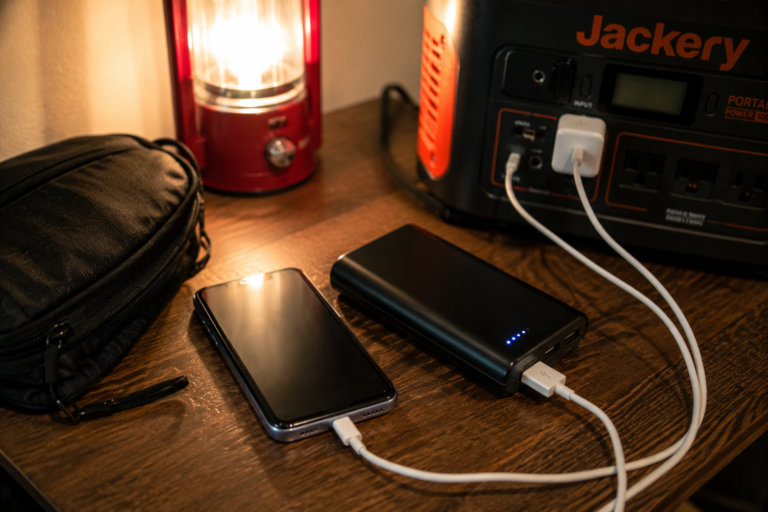
If you have a rechargeable fan or a small battery-powered fan, use it where it will have the greatest impact instead of trying to cool the entire room. Position it so air flows directly across your body while you sleep. If you also own a portable power station, conserving its battery for nighttime fan use is often a better investment than using it during the day when you are awake and better able to tolerate the heat.
If you’re relying on backup power, our guide on how to charge your phone during a blackout explains how to make battery capacity last as long as possible.
⚠️ Common Mistake
Opening every window as soon as the power goes out isn’t always the best strategy. If the outdoor temperature is hotter than the air inside your home, you’ll simply allow even more heat indoors. Wait until the outside air becomes cooler than the indoor temperature before opening windows wide to maximize natural ventilation.
| Cooling Method | Cost | Difficulty | Effectiveness |
|---|---|---|---|
| Close blinds and curtains before peak sunlight | Free | Very Easy | Excellent |
| Create cross ventilation after sunset | Free | Easy | Excellent |
| Sleep on the lowest floor available | Free | Easy | Very Good |
| Use a battery-powered or rechargeable fan | Moderate | Easy | Very Good |
| Avoid heat-producing appliances in the evening | Free | Very Easy | Good |
| Block direct sunlight with reflective coverings | Low | Moderate | Very Good |
No products found.

How to Cool Yourself Before Going to Bed
Even if your bedroom is warmer than you’d like, lowering your body temperature before getting into bed can make it much easier to fall asleep. Instead of trying to cool the entire room, focus on cooling yourself first.
Your body only needs to lower its core temperature slightly to begin the normal sleep cycle, and a few simple steps taken during the hour before bedtime can make a noticeable difference throughout the night. Start by drinking water consistently during the evening, but avoid waiting until you’re already thirsty. Dehydration reduces your body’s ability to produce sweat, making it harder to cool itself naturally. At the same time, avoid drinking excessive amounts immediately before bed since frequent trips to the bathroom can interrupt your sleep. Small, steady amounts of water throughout the afternoon and evening are usually the better approach.
A cool shower or bath is one of the most effective ways to lower your body temperature before bedtime. The water doesn’t need to be ice cold. In fact, cool or lukewarm water often works better because extremely cold water can cause blood vessels near the skin to constrict, reducing heat loss. After drying off, your body continues releasing heat as it adjusts back to normal temperature, helping you feel cooler once you lie down.
If taking a shower isn’t possible during a blackout, use a damp washcloth or cooling towel on areas where large blood vessels are close to the skin. The back of the neck, wrists, forearms, and ankles are all good places to apply cool water. As the moisture evaporates, it helps remove body heat in much the same way sweat does naturally.
What you eat before bed can also affect how hot you feel overnight. Large, heavy meals require more energy to digest, causing your body to produce additional heat. Spicy foods may increase sweating, while alcohol can interfere with normal temperature regulation and lead to poorer sleep quality. A light evening meal is often a better choice during hot weather, especially if you’re already dealing with the stress of a prolonged power outage.
Another simple trick is to cool the items that come into direct contact with your body. Place your pillowcase, lightweight sheet, or a small towel inside a sealed plastic bag and leave it in a cooler with ice packs for a short time before bed. They don’t need to be cold enough to feel wet—just cool enough to provide temporary relief while you fall asleep. Although the cooling effect won’t last all night, it can make those first thirty to sixty minutes much more comfortable.
Finally, try to limit unnecessary physical activity during the hour before bedtime. Cleaning the house, moving supplies, or doing strenuous work raises your core body temperature just when you’re trying to cool down. If you have chores that require physical effort, complete them earlier in the day or wait until the cooler hours of the morning whenever possible.
Choosing the Right Bedding and Sleep Clothing for Hot Nights
What you sleep on can be just as important as the temperature of the room itself. Many mattresses, blankets, and pajamas trap heat close to your body, making an already warm bedroom feel even hotter.
During a power outage, switching to lighter, more breathable sleep materials is one of the easiest ways to improve comfort without using any electricity. If possible, replace thick comforters and heavy blankets with a single lightweight cotton sheet.
Cotton allows air to circulate more freely than many synthetic fabrics, helping sweat evaporate instead of remaining trapped against your skin. Linen is another excellent choice because it naturally breathes well and dries quickly. Moisture-wicking performance fabrics can also work well, particularly in humid climates where sweat tends to accumulate throughout the night.
Your sleep clothing matters just as much. Loose-fitting shorts and lightweight shirts made from breathable fabrics allow body heat to escape much more efficiently than tight-fitting synthetic materials. Some people are actually more comfortable sleeping with minimal clothing, while others prefer lightweight cotton sleepwear that absorbs moisture without restricting airflow. The best option is whichever allows heat to escape while keeping you comfortable.
The type of mattress you sleep on also plays a role. Traditional memory foam mattresses are well known for retaining body heat because they conform closely to your body and reduce airflow beneath you. Hybrid mattresses and innerspring mattresses generally allow more air circulation, making them feel cooler during warm weather. If replacing your mattress isn’t an option, using a breathable mattress protector or lightweight cotton mattress pad can sometimes improve airflow enough to make sleeping noticeably more comfortable.
Your pillow deserves attention as well. Pillows absorb body heat throughout the night, especially dense memory foam models. Flipping your pillow occasionally exposes the cooler side, providing temporary relief. If you have multiple pillows available, rotating between them during the night can also help. Some people even place an extra pillowcase in a cooler for a short time before bedtime so they have a cool replacement ready if needed.
If the bedroom remains uncomfortably hot despite these adjustments, consider sleeping in a hammock, camping cot, or elevated sleeping platform if you already own one.
Raising your body off the floor or mattress allows air to circulate underneath, which can improve comfort during extremely warm nights. This is one reason many campers sleep surprisingly well outdoors even without air conditioning, provided they have adequate ventilation and protection from insects.
| Material | Breathability | Moisture Control | Best for Hot Nights? |
|---|---|---|---|
| Cotton | Excellent | Very Good | ⭐⭐⭐⭐⭐ |
| Linen | Excellent | Excellent | ⭐⭐⭐⭐⭐ |
| Bamboo | Very Good | Excellent | ⭐⭐⭐⭐⭐ |
| Performance Moisture-Wicking Fabric | Very Good | Excellent | ⭐⭐⭐⭐☆ |
| Flannel | Poor | Poor | ⭐☆☆☆☆ |
| Heavy Polyester | Poor | Poor | ⭐☆☆☆☆ |
Using Fans Safely During a Power Outage
When the electricity goes out, a battery-powered or rechargeable fan often becomes one of the most valuable pieces of equipment in the house. While a fan cannot actually lower the air temperature, it helps your body cool itself by increasing airflow across your skin. This improves sweat evaporation, making you feel several degrees cooler even though the room temperature remains the same. Because backup power is limited during a blackout, every minute of battery life matters.
Instead of running a fan continuously from the moment the power fails, think strategically about when it will provide the greatest benefit. For most households, nighttime is when staying cool is the hardest and when quality sleep becomes the most important. Conserving battery power during the day often allows you to run a fan for several hours while you sleep.
Portable power stations can also extend fan runtime significantly when paired with energy-efficient DC or USB-powered fans. Many modern camping fans consume very little electricity compared to household box fans, allowing them to operate for an entire night on a relatively small battery pack.
Fan placement makes a difference as well. Aim the airflow directly across your upper body instead of toward the center of the room.
Moving air over your skin removes heat much more effectively than trying to circulate the entire room. Keep fan safety in mind throughout the outage.
Rechargeable fans should be fully charged before severe weather whenever possible, and spare batteries should be stored in a cool, dry location. If you rely on a fuel-powered generator, always operate it outdoors and far away from doors, windows, and vents to prevent deadly carbon monoxide from entering your home.
It’s also important to understand the limits of fans. During periods of extreme heat, especially when indoor temperatures climb above about 95°F, fans alone may not provide enough cooling because they simply move hot air across your skin. In those situations, focus on lowering your body temperature with cool water, hydration, and relocating to a cooler part of the house if possible. For vulnerable individuals, including infants, older adults, and people with chronic medical conditions, additional cooling measures may be necessary to prevent heat-related illness.
Warning Signs of Heat Exhaustion and Heat Stroke at Night
Most people think of heat-related illnesses as something that happens while working outside in direct sunlight, but they can also develop indoors during prolonged power outages. If your home remains extremely hot overnight and your body cannot cool itself effectively, the risk of heat exhaustion increases with every passing hour.
Heat exhaustion often develops gradually. You may wake up feeling unusually weak, dizzy, or nauseated. Heavy sweating, muscle cramps, headaches, cool or clammy skin, and an unusually rapid heartbeat are also common warning signs.
Heat stroke is far more serious. Symptoms may include confusion, slurred speech, loss of consciousness, seizures, hot skin, and a body temperature of 104°F or higher. Heat stroke is a medical emergency.
Young children, older adults, people with medical conditions, and pets should be monitored closely during hot nights because they may struggle to cool themselves before others in the household notice a problem.
⚠️ Important Warning
Heat exhaustion is serious but usually improves with cooling, hydration, and rest. Heat stroke is a medical emergency that can permanently damage the brain and other organs if treatment is delayed. If someone becomes confused, loses consciousness, has seizures, or develops a very high body temperature, call 911 immediately if emergency services are available.
| Condition | Common Symptoms | What You Should Do |
|---|---|---|
| Heat Exhaustion | Heavy sweating, dizziness, weakness, headache, nausea, muscle cramps | Move to a cooler area, loosen clothing, apply cool towels, and drink water if the person is alert. |
| Heat Stroke | Confusion, loss of consciousness, seizures, body temperature above 104°F (40°C), hot skin | Call 911 immediately, begin active cooling, and do not delay medical treatment. |
Common Mistakes That Make Sleeping Hotter
When the power goes out on a hot summer night, many people unintentionally make their homes even warmer. One of the biggest mistakes is opening windows while the outdoor temperature is still higher than the indoor temperature. Instead of cooling the house, this allows even more hot air to enter. Wait until the evening cools before creating cross ventilation.
Another common mistake is using heat-producing appliances before bed. Ovens, clothes dryers, and even multiple incandescent light bulbs add unnecessary heat that can linger for hours. Cooking outdoors or preparing simple no-cook meals helps keep indoor temperatures lower during an outage. Many people also underestimate the importance of hydration.
Waiting until you’re thirsty often means you’re already becoming dehydrated, making it harder for your body to cool itself through sweating. Drinking water consistently throughout the day is far more effective.
Finally, don’t assume your usual bedroom is the best place to sleep. Moving to a cooler room on the first floor or into a finished basement can significantly improve comfort and reduce the risk of heat-related illness during prolonged blackouts.
☑ Sleeping Without AC Checklist
- ☑ Close blinds and curtains before the hottest part of the day.
- ☑ Open windows only after outdoor temperatures begin to cool.
- ☑ Stay hydrated throughout the day.
- ☑ Wear lightweight, breathable clothing.
- ☑ Use lightweight cotton or linen bedding.
- ☑ Save battery-powered fans for nighttime.
- ☑ Sleep on the lowest floor if it is cooler.
- ☑ Watch children, older adults, and pets for signs of heat-related illness.
Frequently Asked Questions
Is it safe to sleep without air conditioning during a power outage?
For most healthy adults, yes, provided the indoor temperature is not dangerously high and you stay hydrated. However, infants, older adults, people with chronic medical conditions, and pets are more vulnerable to heat-related illnesses and should be monitored closely during prolonged hot weather.
Should I leave my windows open all night?
Only if the outdoor air is cooler than the air inside your home and doing so is safe. Opening windows too early in the evening can allow additional heat indoors instead of cooling the house.
Can a fan prevent heat stroke?
No. A fan helps your body cool itself by increasing airflow, but it does not lower the temperature of the room. During extreme heat, fans should be combined with hydration, cool water, and other cooling strategies rather than relied on as the only solution.
What is the coolest room in most homes?
In many houses, the lowest finished level or basement stays the coolest because heat naturally rises. During extended outages, relocating your sleeping area can be one of the most effective ways to stay comfortable without using electricity.
How can I prepare before the next summer blackout?
Recharge battery-powered fans, keep portable power stations fully charged, stock extra drinking water, install blackout curtains on sun-facing windows, and develop a summer blackout plan before severe weather arrives. Preparing ahead of time is far easier than trying to stay cool after the power has already failed.
📚 Continue Building Your Blackout Plan
Sleeping comfortably is only one part of staying safe during a prolonged power outage. These guides will help you prepare for the other challenges that often follow when the electricity stays off for hours or even days.
Final Thoughts
Sleeping without air conditioning during a power outage is never ideal, but it doesn’t have to mean a miserable or dangerous night. By reducing indoor heat before bedtime, improving airflow, choosing breathable bedding, staying hydrated, and using battery-powered fans wisely, you can sleep more comfortably while conserving valuable resources for a longer outage. Preparation is what makes the biggest difference. The families who sleep best during summer blackouts are usually the ones who planned ahead, not the ones scrambling to find solutions after the lights go out. A few simple supplies and a well-practiced strategy can help you stay cooler, rest better, and wake up ready to handle whatever the next day brings.