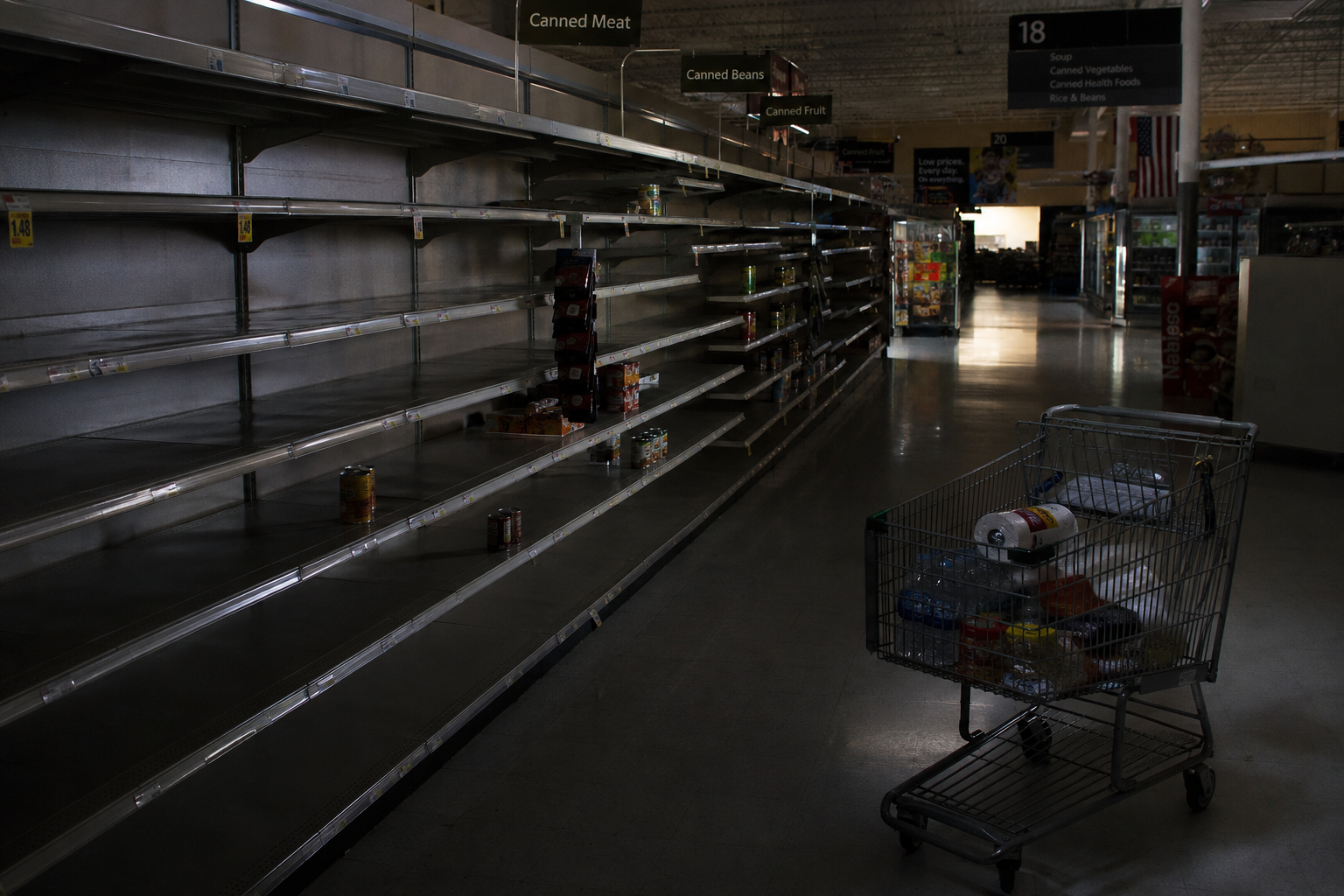
What Runs Out First in a Blackout? 9 Critical Supplies
What runs out first in a blackout? Depending on the size and cause of the outage, some of the first things households may lose access to are refrigerated food, working fuel pumps, electronic payments, internet service, and the ability to recharge essential devices. Bottled water, batteries, ice, and other emergency supplies can also become harder to find when local demand increases.
This post contains affiliate links. I may earn a small commission at no extra cost to you. Learn more.
But there is an important difference between a product running out and a service becoming unavailable. A gas station may have thousands of gallons of gasoline underground but no electricity to operate its pumps. A grocery store may have food on its shelves but be unable to process purchases. Your phone may still have battery power while the local cellular network is experiencing an outage.
These distinctions matter because they determine what you should prepare for before the lights go out.
A short neighborhood outage may cause little more than inconvenience. A regional blackout caused by severe weather, damaged transmission equipment, or a major infrastructure failure can affect transportation, water systems, communications, and retail operations simultaneously.
In this guide, we’ll examine what runs out first during a blackout, which essential services may become unavailable, how quickly household supplies can be depleted, and what to stock before an emergency.
For a complete household preparedness framework, start with our Emergency Preparedness Plan.
Quick Answer: What Runs Out First During a Blackout?
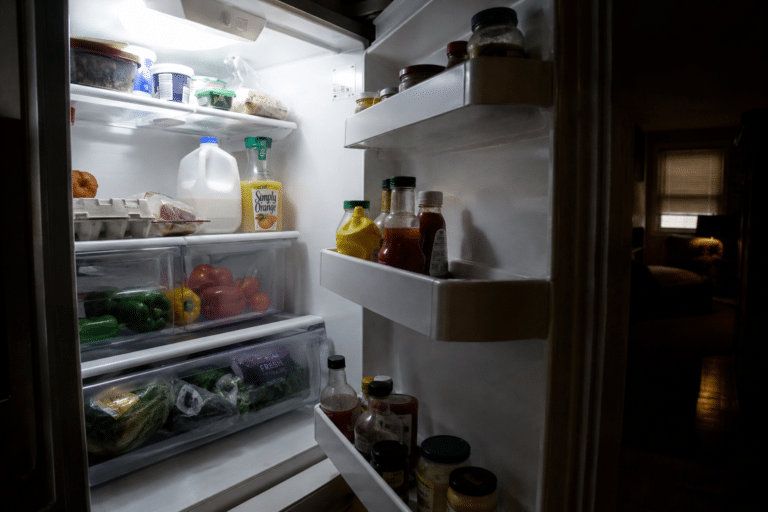
Refrigerated food is often one of the first household resources at risk because an unopened refrigerator generally keeps food safely cold for only about four hours. Fuel pumps, card readers, and home internet equipment may stop functioning immediately if they lack backup power.
During larger emergencies, stores may also experience increased demand for bottled water, batteries, ice, flashlights, propane, and ready-to-eat food. The timing of actual shortages varies by location, available inventory, infrastructure damage, and the duration of the outage.
Best preparation: Maintain stored drinking water, shelf-stable food, backup lighting, charged power banks, essential medications, and a realistic plan for cooking, communication, and sanitation without electricity.
What Runs Out First in a Blackout? A Practical Timeline
Not every blackout produces widespread shortages. Many are restored before stores experience major disruptions or households exhaust their emergency supplies.
However, when a power failure affects an entire community or region, certain problems can appear earlier than others.
The following table provides a planning framework. These are potential disruptions, not guaranteed events at specific hours.
| Time Without Power | What May Become Unavailable | What to Prepare |
|---|---|---|
| Immediately | Electric appliances, some fuel pumps, home internet, card readers | Backup power, emergency cash, lighting |
| First 4 hours | Safe refrigerator temperatures may no longer be maintained | Appliance thermometers, food-safety plan |
| First 6–12 hours | Device batteries, limited backup energy, selected retail supplies | Power banks, spare batteries, stored essentials |
| 12–24 hours | Additional fuel, charging access, refrigeration and temperature control | Fuel planning, safe heating or cooling, backup electricity |
| 24–72 hours | Some frozen foods, household consumables, and backup resources | Shelf-stable meals, water, sanitation supplies |
| Several days or longer | Medication access, fuel deliveries, retail inventory, and other services may be disrupted | Longer-term supplies, medical planning, alternative arrangements |
Some disruptions occur immediately, while others never occur at all. For example, municipal water may remain available throughout a prolonged outage if the utility has sufficient storage and backup power.
For a closer look at the opening day, see our guide to the first 24 hours of a major blackout.
For extended outage planning, read 2-Week Blackout: What You’ll Run Out of First.
1. Drinking Water and Bottled Water Supplies
Water is one of the most important resources to prepare before a blackout, but it is not accurate to assume that every municipal water system will stop working as soon as electricity fails.
Many utilities use elevated storage tanks, backup generators, gravity-fed distribution, and other measures to maintain service.
Others rely more heavily on electrically powered pumps. Private wells may stop delivering water immediately when the well pump loses electricity.
The risk depends on your particular water source and the condition of the surrounding infrastructure.
Why Bottled Water May Become Hard to Find
During an approaching storm or a widespread emergency, bottled water is a familiar purchase. Increased demand can reduce store inventory, especially if roads are damaged or deliveries are interrupted.
However, a store running low on bottled water does not necessarily mean the municipal water supply is unsafe.
Check official advisories before assuming tap water cannot be used.
How Much Emergency Water Should You Store?
A practical starting point is at least one gallon per person per day for drinking and basic sanitation, with additional water for hot weather, medical needs, pets, and other household requirements.
For a family of four:
| Emergency Duration | Minimum Water for Four People | Additional Considerations |
|---|---|---|
| 3 days | 12 gallons | Basic short-term reserve |
| 7 days | 28 gallons | Additional sanitation and cooking water may be needed |
| 14 days | 56 gallons | Plan for storage space and safe handling |
These figures represent a planning baseline rather than a guarantee that every household’s needs will be met. Two gallons per person per day provides a larger reserve, particularly where additional water is needed for food preparation and hygiene.
Store drinking water in clean, food-grade containers intended for potable water. Keep it protected from contamination and follow appropriate storage and replacement guidance.
What About Water Filtration?
A backup water filter can be useful, but filtration and purification are not interchangeable.
Different filters remove different contaminants. A portable backpacking filter may reduce certain microorganisms while doing little to remove dissolved chemicals.
If a water utility issues a boil-water notice or do-not-drink advisory, follow the specific instructions from local authorities.
For a complete storage strategy, see our Long-Term Water Storage Guide.
Emergency Water Storage Equipment
Food-grade containers and appropriate water-treatment supplies can provide additional protection when normal water service becomes unreliable.


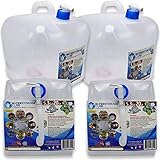
Water Storage Priority
Build your drinking-water reserve before an outage rather than depending on buying bottled water after an emergency begins.
If water service remains safe and available during a blackout, filling additional clean containers can provide useful backup capacity.
2. Gasoline, Propane, and Generator Fuel
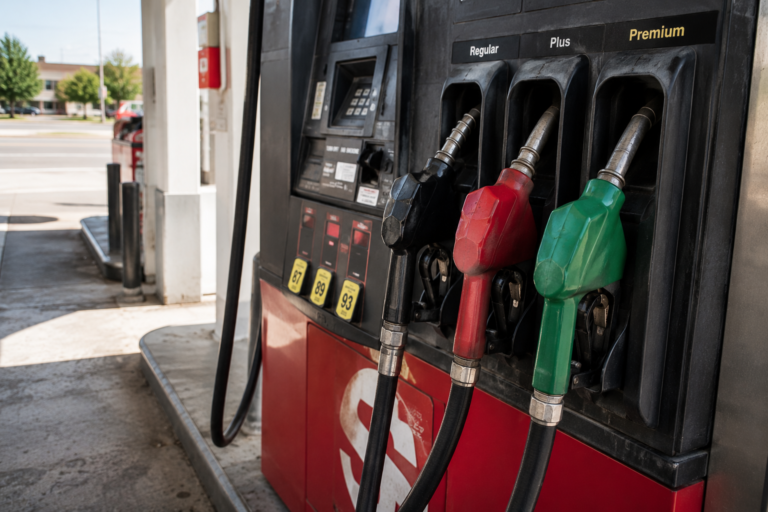
Fuel availability can become a problem early in a regional blackout, even when underground storage tanks still contain gasoline.
Most retail fuel pumps require electricity. Stations without backup power may be unable to dispense fuel or process electronic payments.
In a major storm, some stations may also face delivery delays, equipment damage, or unusually high demand.
This makes fuel planning important for households that depend on generators, vehicles, or fuel-burning cooking equipment.
Why Generator Fuel Runs Out Quickly
Generator fuel consumption varies with engine size, generator design, electrical load, and operating conditions.
For example, a generator that consumes half a gallon of gasoline per hour would use:
- 4 gallons during 8 hours of operation.
- 6 gallons during 12 hours of operation.
- 12 gallons during 24 hours of operation.
- 36 gallons during 72 hours of continuous operation.
Those numbers are an illustrative calculation, not a fuel-consumption rating for every generator.
Running a generator continuously without knowing its fuel requirements can exhaust stored gasoline sooner than expected.
Calculate Fuel Before the Emergency
Start by identifying which appliances actually require backup power.
Refrigeration, medical devices, limited lighting, and communication equipment may be more important than operating every household appliance.
Then estimate generator runtime and fuel consumption using your equipment’s specifications.
Our Emergency Power Planner can help organize backup power priorities.
For a broader strategy, see Grid-Down Survival Power and What Size Solar Generator Do I Need for a Blackout?.
Fuel Storage Safety
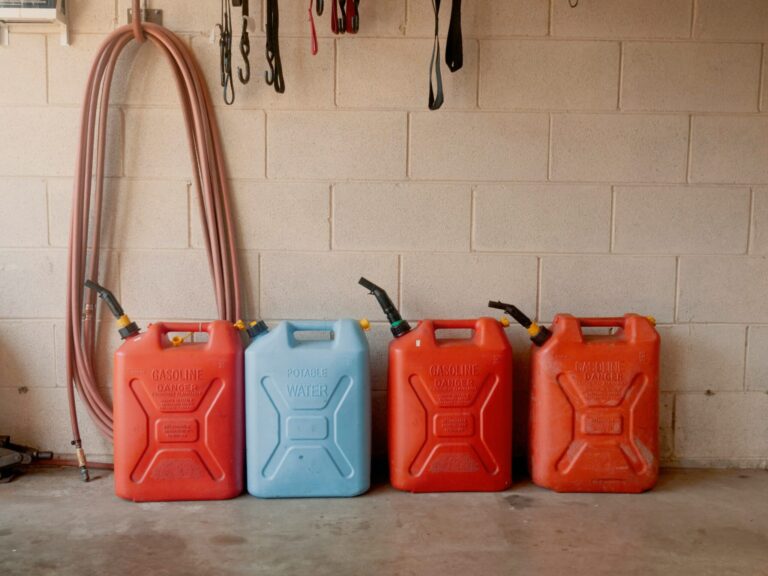
Store gasoline only in approved containers and follow local fire codes, manufacturer instructions, and safe storage limits.
Keep fuel away from ignition sources and occupied living areas. Never store gasoline inside the home.
Never refuel a hot or running generator. Allow it to cool first.
Operate portable generators outdoors at least 20 feet from doors, windows, and vents, with exhaust directed away from occupied spaces, while following manufacturer instructions and applicable local requirements.
Never run a generator in a garage, basement, shed, or enclosed or partially enclosed space.
Fuel and Backup Power Equipment


Remember that fuel is only useful when you have compatible, properly maintained equipment and a safe operating location.
3. Refrigerated and Frozen Food
Refrigerated food is one of the first household resources that can become unsafe during a blackout.
Unlike a pantry full of canned food, refrigerated perishables depend on a narrow temperature range.
Once electricity stops, a refrigerator begins gradually warming. How quickly it warms depends on the appliance, room temperature, and whether the door stays closed.
How Long Does Food Last Without Power?
Federal food-safety guidance provides these general estimates:
- Refrigerator: Approximately four hours when unopened.
- Full freezer: Approximately 48 hours when unopened.
- Half-full freezer: Approximately 24 hours when unopened.
Use appliance thermometers whenever possible. These estimates are not substitutes for actual food temperatures.
Refrigerated perishable foods that have been above 40°F for more than two hours should be discarded. If safe temperatures cannot be verified after an extended outage, follow USDA and FDA food-discard guidance.
Frozen foods may be refrozen or cooked if they still contain ice crystals or have remained at 40°F or below.
Which Foods Are Most Vulnerable?
Foods requiring refrigeration include:
- Raw meat, poultry, and seafood.
- Milk and many dairy products.
- Cooked leftovers.
- Eggs and foods containing eggs.
- Soft cheeses and refrigerated prepared foods.
- Cut produce and other perishable foods requiring refrigeration.
Not all fresh produce spoils at the same rate, and many whole fruits and vegetables can be stored without refrigeration for a period of time.
Use food-specific guidance rather than treating every item in the refrigerator identically.
Important Food Safety Warning
Do not taste food to determine whether it is safe. Harmful bacteria and some toxins cannot reliably be detected by appearance, smell, or taste.
Cooking food after improper storage does not always eliminate the danger.
Build a Pantry That Does Not Depend on Refrigeration
Stock foods your household already eats, including canned vegetables, beans, peanut butter, crackers, shelf-stable milk, ready-to-eat meals, and other foods that fit your dietary needs.
Include a manual can opener and a safe way to prepare meals without electricity.
For longer-term planning, rotate pantry items through ordinary meals so supplies do not sit unused for years.
Read our How Long Food Lasts Without Power guide for additional food-safety details.
Emergency Food and Cooking Equipment
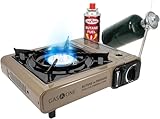
Outdoor camping stoves must not be operated inside a home, garage, tent, or other enclosed space unless a particular appliance is specifically approved for the intended location and used exactly as directed. Never use outdoor cooking equipment as a substitute for indoor heating.
4. Batteries, Flashlights, and Charging Capacity
Battery power is another resource that becomes more important when normal electrical outlets stop working.
At first, most households still have charged phones, laptops, flashlights, and other devices.
But without a way to recharge them, those batteries represent a limited energy supply.
Why Lighting Should Be a Priority
Reliable lighting reduces the risk of falls, makes cooking and medication management easier, and helps families move safely through the home after dark.
Instead of relying on one flashlight, use several lighting options for different tasks.
- LED lanterns for rooms and shared spaces.
- Headlamps for hands-free work.
- Flashlights for checking equipment and moving outdoors.
- Small battery-powered lights for hallways and bathrooms.
- Spare batteries or rechargeable power sources.
LED lighting is generally more energy-efficient and avoids the open-flame hazards associated with candles.
Disposable Batteries Versus Rechargeable Equipment
Disposable batteries can be useful for devices that spend long periods in storage, while rechargeable systems can reduce the need to maintain large quantities of replacement batteries.
Neither option is automatically best for every household.
A practical approach is to keep both types when compatible with your equipment and maintain a reliable charging method.
Estimate Your Backup Battery Runtime
A portable power station’s usable runtime depends on its battery capacity, conversion losses, and the power required by connected equipment.
For example, a 500Wh power station operating a 25W device might theoretically provide 20 hours of energy before losses.
Actual runtime will be lower because of inverter losses, standby consumption, temperature, battery condition, and other factors.
Knowing these limitations prevents you from wasting backup power on nonessential loads.
Our Best Emergency Lights for Power Outages guide compares practical blackout lighting options.
Emergency Lighting Equipment


5. Communication and Internet Access
Communication systems do not necessarily fail when electricity disappears from nearby homes.
Cell towers, network facilities, and some internet providers have backup power arrangements that can keep services operating temporarily.
However, the availability and duration of those backups vary.
Storm damage, network congestion, interrupted fiber connections, and backup power failures can cause service disruptions.
What Can Stop Working?
- Home Wi-Fi routers without backup power.
- Modems and other customer-owned network equipment.
- Cell towers affected by equipment damage or exhausted backup power.
- Internet provider infrastructure.
- Some landline services that rely on powered equipment.
- Internet-dependent calling and messaging applications.
Some services may remain available throughout the outage, while others may fail immediately.
Do not assume that every cellular network follows a predictable shutdown timeline.
How to Communicate During an Outage
Begin by conserving phone batteries. Use low-power settings, reduce unnecessary streaming, and keep a charged power bank available.
If calls are congested, a short text message may succeed when a voice call does not.
Have a written list of important telephone numbers and an agreed family meeting location.
For weather information, a battery-powered emergency radio can provide updates without depending on home internet.
Two-way radios can also support short-range communication when appropriate for your needs, but their effective range depends on equipment, terrain, and operating conditions.
Read our How to Communicate When the Grid Goes Down guide for more detailed options.
Emergency Communication Equipment


6. Prescription Medications and Medical Equipment
Medical needs should be addressed immediately during a blackout, not only after several days have passed.
For someone who depends on electricity-powered oxygen equipment, refrigeration for medication, or another critical device, the loss of power can create an urgent problem.
Other households may be able to manage routine medical needs for several days with supplies already on hand.
The difference is whether necessary care can continue safely.
Medical Supplies That May Become Difficult to Access
- Prescription medications.
- Temperature-sensitive medicines.
- Oxygen and other powered respiratory equipment.
- CPAP equipment and related supplies.
- Diabetes testing and treatment supplies.
- Basic first-aid materials.
- Medical device batteries and charging equipment.
Pharmacies may experience interruptions involving refrigeration, computer systems, electronic prescriptions, staffing, or deliveries.
However, it is not accurate to assume every pharmacy becomes inaccessible after a fixed number of hours.
Plan for Electricity-Dependent Medical Devices
Anyone who relies on critical medical equipment should have an individualized backup plan developed with their healthcare team and equipment provider.
That plan may include an approved battery backup, a safe alternate location, or emergency arrangements if the device cannot operate.
Do not assume that a small portable power station can support every medical device. Verify compatibility and runtime with the equipment manufacturer.
Protect Temperature-Sensitive Medications
Some medications have specific storage requirements that cannot be generalized.
For insulin and other temperature-sensitive medicines, follow the product’s labeling and the advice of a pharmacist or healthcare professional.
A refrigerator thermometer and a properly planned backup cooling method may help protect medications, but safe temperature limits depend on the product.
Emergency Medical Equipment
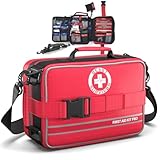

Keep essential medications, medical information, and necessary supplies accessible before an emergency begins.
7. Cash, ATMs, and Electronic Payments
Cash is often overlooked in emergency preparedness because everyday purchases increasingly rely on debit cards, credit cards, and mobile payment systems.
During a blackout, electronic payment equipment may become unavailable even if a business remains open.
ATMs may lose power, point-of-sale systems can stop operating, and network connections used to authorize payments may be interrupted.
Why Emergency Cash Helps
A small reserve of cash provides another payment option when electronic transactions are unavailable.
It does not guarantee that a business will remain open or accept purchases, but it can reduce dependence on functioning card networks.
Consider keeping a reasonable amount in smaller bills, based on your household’s normal expenses and emergency transportation needs.
Keep emergency cash secure and avoid carrying unnecessarily large amounts.
What About Backup Cards?
An additional debit or credit card may help if a particular bank or payment network is experiencing problems.
However, if a store’s entire payment terminal or communications connection is unavailable, switching cards may not solve the issue.
For more detail, see When ATMs and Credit Cards Stop Working During a Blackout.
8. Sanitation and Hygiene Supplies
Sanitation is another important consideration, particularly when water service or wastewater systems are disrupted.
Many homes can continue using their toilets during an electrical outage if water pressure and wastewater service remain available.
Other properties depend on electric well pumps, sewage lift stations, or other powered equipment.
If those systems stop operating, sanitation can become difficult much sooner than expected.
Essential Sanitation Supplies
- Toilet paper and tissues.
- Heavy-duty trash bags.
- Soap and hand sanitizer.
- Disposable gloves.
- Wet wipes.
- Cleaning and disinfecting supplies.
- Containers for non-potable water.
- A suitable emergency toilet arrangement where necessary.
Use disinfectants according to label directions. Never mix bleach with ammonia, acids, or other household cleaners.
What if Toilets Stop Working?
First determine whether the problem is a lack of water supply or a wastewater system that cannot accept additional flow.
In some circumstances, a conventional toilet may be flushed using stored non-potable water. However, this is inappropriate when authorities advise against flushing because of sewer system problems.
If normal sanitation cannot be maintained, use an approved temporary arrangement and follow local public-health instructions for waste handling.
Our Water Outage Survival Guide explains how to plan for interruptions in water service.
9. Heating, Cooling, and Safe Indoor Temperatures
Temperature control is not a product that disappears from store shelves, but it can become one of the most urgent needs during a blackout.
During extreme heat, indoor temperatures can become dangerous without air conditioning.
During severe winter weather, homes may lose heating if electric equipment, furnace blowers, or control systems cannot operate.
How quickly a building becomes uncomfortable or unsafe depends on insulation, weather, sunlight, ventilation, and construction.
Summer Blackout Priorities
- Reduce unnecessary indoor heat production.
- Close curtains or blinds on sun-facing windows.
- Use safe ventilation when conditions permit.
- Maintain drinking water.
- Monitor vulnerable household members.
- Relocate to a safe cooling location if indoor conditions become dangerous.
Fans can improve comfort under some conditions but should not be relied upon as protection against extreme indoor heat.
Winter Blackout Priorities
- Use appropriate clothing and bedding.
- Close off unused rooms where practical.
- Keep safe emergency lighting available.
- Use heating appliances only as permitted by their manufacturer instructions.
- Maintain working carbon monoxide alarms.
- Relocate if the home cannot be kept at a safe temperature.
Never use a charcoal grill, outdoor propane heater, camping stove, or generator inside a home to provide heat.
For additional planning, read our Emergency Heat Without Electricity guide.
Which Blackout Supplies Should You Stock First?
When building an emergency supply kit, prioritize items based on the consequences of not having them rather than their popularity or appearance.
For most households, drinking water, medications, safe lighting, and food should come before specialized survival gadgets.
| Priority | Supply Category | What to Prepare |
|---|---|---|
| 1 | Medical necessities | Essential medications and a plan for critical powered devices |
| 2 | Drinking water | At least one gallon per person per day as a planning baseline |
| 3 | Food | Several days of shelf-stable, familiar meals |
| 4 | Lighting | LED lanterns, flashlights, headlamps, batteries |
| 5 | Communication | Emergency radio, power banks, written contacts |
| 6 | Temperature control | Safe heating or cooling arrangements appropriate to the season |
| 7 | Sanitation | Hygiene supplies, trash bags, emergency toilet planning |
| 8 | Backup power and fuel | Equipment sized for essential loads and stored fuel where appropriate |
| 9 | Financial backup | Emergency cash in small bills |
The order should be adjusted to your household. For example, someone who relies on powered medical equipment may need backup electricity before nearly everything else.
Likewise, households in extreme climates may need to prioritize temperature control immediately.
How to Build a Seven-Day Blackout Supply Plan
A seven-day plan is a useful next step after assembling a basic three-day emergency kit.
It does not require buying everything at once. Begin with the essentials and add supplies gradually.
Step 1: Calculate Your Water Needs
Multiply the number of household members by at least one gallon per day, then multiply by seven.
For four people, the baseline is 28 gallons. Add more for household needs that exceed the baseline.
Step 2: Plan Seven Days of Meals
Write down simple breakfasts, lunches, dinners, and snacks that do not depend on refrigeration.
Choose foods that can be eaten without cooking or prepared using equipment you can operate safely.
Include any special dietary requirements.
Step 3: Estimate Backup Electricity
List the essential devices you intend to power, their wattage, and their expected operating hours.
Calculate daily energy requirements before selecting a power station, generator, or solar charging system.
A smaller backup system that reliably powers critical equipment may be more useful than a larger system purchased without a plan.
Step 4: Prepare Communications
Keep a charged power bank, an emergency radio, and written contact information.
Agree on a family meeting location and a contact outside the affected region when practical.
Step 5: Review Medical and Sanitation Needs
Confirm that essential medications, first-aid supplies, hygiene products, and necessary medical equipment are available.
Address any equipment that depends on refrigeration or electricity before an outage occurs.
Step 6: Test Your Plan
Choose a weekend and practice operating without selected nonessential electrical conveniences for several hours.
Check whether your lighting is adequate, whether your pantry meals are practical, and whether your charging arrangements work as expected.
Do not interrupt essential medical equipment or create unsafe heating, cooling, or food-storage conditions during a practice exercise.
Blackout Supplies Checklist
Essential Supplies to Prepare Before the Power Goes Out
- Stored drinking water for every household member.
- Several days of shelf-stable food.
- Manual can opener.
- LED lanterns, flashlights, and headlamps.
- Spare batteries and charged power banks.
- Battery-powered emergency radio.
- Essential prescription medications.
- First-aid kit and medical supplies.
- Backup arrangements for critical medical devices.
- Food and appliance thermometers.
- Appropriate backup heating or cooling plan.
- Safe backup cooking arrangements.
- Hygiene supplies and heavy-duty trash bags.
- Emergency cash in small bills.
- Written emergency contacts.
- Vehicle fuel and transportation plan.
- Generator fuel and approved storage containers, if applicable.
- Working smoke and carbon monoxide alarms.
- Household evacuation and shelter arrangements.
Use our free 72-hour survival checklist to begin organizing a basic emergency kit.
Frequently Asked Questions About Blackout Shortages
What is the first thing to run out during a blackout?
There is no universal first item. Electrical services without backup power can stop immediately, while refrigerated food may become unsafe within several hours. Stores may experience increased demand for batteries, ice, water, and other supplies during widespread emergencies.
How quickly do gas stations run out of fuel?
Some stations cannot dispense fuel as soon as electricity fails. Others continue operating with backup generators. Actual fuel shortages depend on demand, existing inventory, deliveries, and infrastructure conditions.
How long does refrigerated food last without electricity?
An unopened refrigerator generally keeps food safely cold for approximately four hours. A full freezer may maintain a safe temperature for about 48 hours when kept closed, while a half-full freezer generally provides about 24 hours.
How much water should I store for a blackout?
Start with at least one gallon per person per day for drinking and basic sanitation. A family of four would need at least 12 gallons for three days or 28 gallons for seven days. Additional water may be necessary.
Will cell towers stop working during a blackout?
Not necessarily. Some cellular facilities have backup batteries or generators, but service can be interrupted by equipment damage, network congestion, or exhausted backup power. Reliability varies by location and provider.
How much cash should I keep for a power outage?
There is no universal amount. Keep a reasonable reserve based on your household’s emergency transportation, food, and other essential expenses, preferably including smaller bills.
What should I buy first for blackout preparedness?
Prioritize essential medications and medical needs, stored drinking water, shelf-stable food, safe lighting, communication equipment, and sanitation supplies. Then add backup electricity, fuel, and other equipment according to your circumstances.
Is a generator necessary for every household?
No. Some households can manage short outages with battery-powered lighting, a stocked pantry, and charged devices. Others need backup electricity for medical equipment, refrigeration, heating, or other essential functions.
Prepare Before Supplies Become Difficult to Find
The best time to build a blackout supply system is when stores are open, electricity is working, and you have time to compare equipment and calculate your needs.
Start with a small reserve of water, food, lighting, and necessary medical supplies. Then build toward longer-term backup power, communications, and sanitation arrangements.
A written preparedness plan helps identify gaps before an outage makes them urgent.
Free Blackout Preparedness Planner
Download our free 17-page Blackout Preparedness Planner to organize emergency water, food, fuel, backup power, medical supplies, communications, and evacuation plans.
Final Thoughts
Understanding what runs out first in a blackout is about more than predicting which store shelves might become empty.
The most important vulnerabilities often involve services that depend on electricity: refrigeration, fuel dispensing, communications, water pumping, medical equipment, and electronic payments.
Some of these systems may continue operating with backup power. Others can become unavailable immediately, especially when severe weather damages supporting infrastructure.
At home, the first resources at risk may include refrigerated food, charged batteries, safe indoor temperatures, and access to essential equipment.
Preparing ahead of time reduces dependence on last-minute shopping and gives your household more options when normal services are interrupted.
Begin with water, food, lighting, medical necessities, and communication. Build a safe backup power plan where needed, and keep enough sanitation and household supplies to maintain basic routines.
The goal is not to predict every shortage. It is to make sure your family can meet essential needs even when the systems you normally depend on are temporarily unavailable.
Further Reading
- Emergency Preparedness Plan — Build a complete household preparedness framework.
- 2-Week Blackout Survival Plan — Prepare for extended supply and infrastructure disruptions.
- Long-Term Water Storage Guide — Calculate, store, and protect emergency drinking water.
- Grid-Down Survival Power — Plan generators, batteries, solar charging, and fuel requirements.
- How Long Food Lasts Without Power — Understand refrigerator and freezer safety.
- Best Emergency Lights for Power Outages — Choose practical backup lighting.
- How to Communicate When the Grid Goes Down — Prepare alternative communication methods.
- First 72 Hours After a Disaster — Manage the next stage of an emergency.
Safety References and Additional Resources
- Ready.gov: Power Outages — Preparing for and responding to electrical outages.
- Ready.gov: Emergency Water — Household water storage and emergency supply guidance.
- Food and Drug Administration: Food and Water Safety During Power Outages and Floods — Federal food and water safety recommendations.
- Centers for Disease Control and Prevention: Carbon Monoxide Poisoning — Generator and fuel-burning equipment safety.
- National Weather Service: Weather Safety — Severe weather preparedness and safety information.