Solar vs Gas Generator: Which One Survives a Blackout Better?
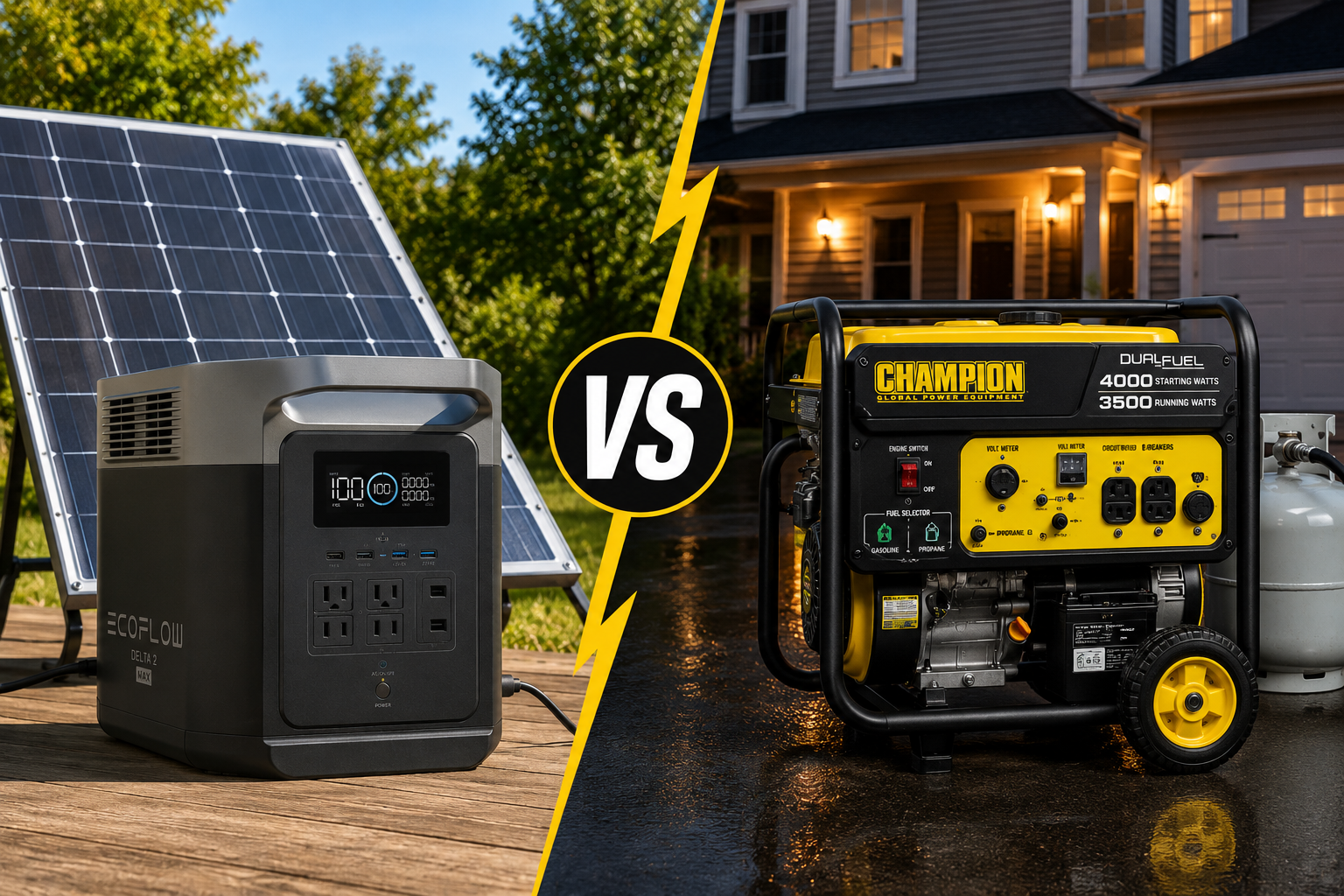
Solar generator vs gas generator is no longer just a camping debate — it’s one of the most important backup power decisions families face during real blackouts.
This post contains affiliate links. I may earn a small commission at no extra cost to you. Learn more.
But during a real blackout — the kind that lasts for days instead of minutes — most people discover very quickly that the backup power setup they bought wasn’t designed for actual emergency survival.
Some generators are loud, fuel-hungry, and impossible to run safely indoors. Others are quiet and convenient but can barely keep a refrigerator alive overnight. And many families spend thousands of dollars on the wrong system because they never understood the real differences between solar generators and gas generators before the outage happened.
The truth is that both systems have major strengths — and serious weaknesses.
Gas generators can produce massive amounts of power quickly, but they rely completely on fuel availability. Solar generators are cleaner, quieter, and easier to operate, but many people underestimate their charging limitations during extended emergencies.
And once a blackout stretches beyond the first 24 hours, those differences start mattering fast.
The best backup power system depends entirely on:
- how long the outage lasts
- what appliances you actually need to run
- where you live
- how much fuel you can safely store
- whether you live in a house, apartment, or rural property
- and how realistic your emergency plans actually are
Most people don’t fail because they had no generator.
They fail because they bought a system designed for convenience instead of survival.
👉 If you’re still building your full backup power plan, start with the complete Grid-Down Survival Power system guide that breaks down generators, battery banks, solar setups, fuel planning, and emergency energy priorities for long-term outages.
👉 And if your preparedness plan still revolves around “buying gear later,” the full Emergency Preparedness Plan 2026 framework shows how power, water, communication, food, and security systems all connect during real emergencies.
Emergency Preparedness Plan 2026
Why Backup Power Changes Everything During a Blackout
Electricity is one of the few modern systems connected to almost everything else in daily life.
Once power disappears, the problems start stacking immediately.
Refrigerators begin warming. Freezers slowly thaw. Phones lose battery life. Internet systems fail. Medical devices stop working. Sump pumps shut down. CPAP machines become a serious concern. Communication becomes harder. Food spoilage accelerates. Heat and cooling systems stop functioning.
Most families think of power outages as an inconvenience.
But extended outages rapidly become a resource-management problem.
The households that stay calm during blackouts are usually the ones that solved power before the emergency started.
Reliable backup power allows you to:
- preserve food longer
- maintain communication devices
- power emergency lighting
- charge batteries and radios
- operate small cooking appliances
- run medical equipment
- maintain limited climate control
- reduce panic and decision fatigue
And psychologically, stable power changes everything.
A family with lights, cold food, charged phones, and functioning communication systems behaves very differently than one sitting in darkness trying to ration flashlight batteries after the first night.
That’s why backup power systems are no longer “nice extras” in preparedness planning.
They’re now one of the core pillars of modern emergency readiness.
👉 Most people underestimate how quickly systems begin failing once outages move past the first several hours. This complete timeline guide breaks down what actually happens during the first 24 hours of a major blackout and why preparedness mistakes compound fast.
What Happens in the First 24 Hours of a Major Blackout
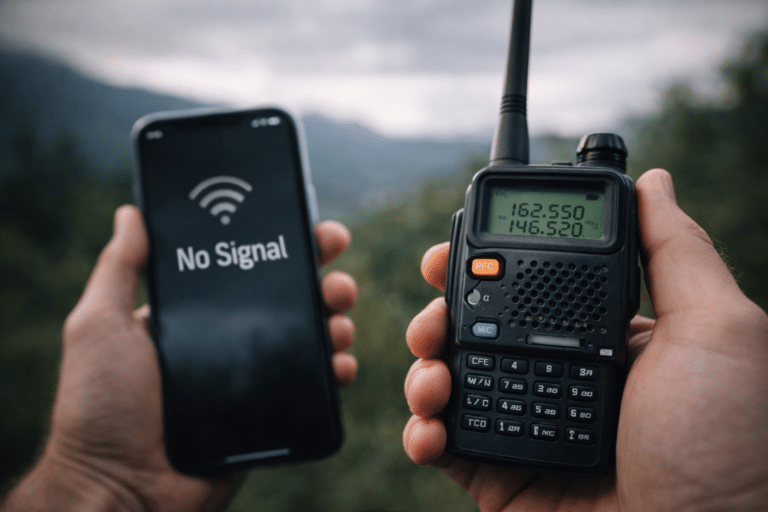
👉 Communication systems become one of the biggest hidden problems during extended outages. This off-grid communication guide explains how families maintain contact once phones, internet, and cellular systems begin failing.
How to Communicate When the Grid Goes Down
What Most People Mean When They Say “Solar Generator”
One of the biggest misunderstandings in emergency preparedness is the term “solar generator.”
Most solar generators are not generators at all.
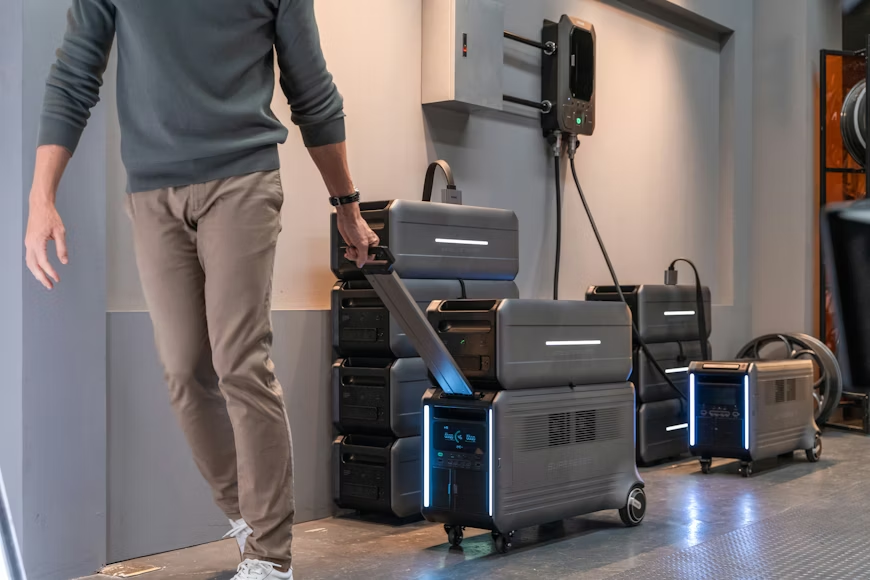
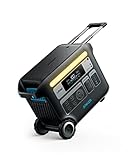
They are actually portable battery power stations that can recharge using solar panels.
Unlike gas generators, they do not create electricity by burning fuel. Instead, they store electricity inside lithium battery systems and distribute that stored energy through outlets, USB ports, and inverter systems.
A typical solar generator setup includes:
- a battery power station
- an inverter
- charging ports
- solar panel input
- optional foldable solar panels
The biggest advantage is simplicity.
There’s no gasoline. No oil changes. No engine maintenance. No exhaust fumes. No pull-start mechanisms. No carbon monoxide danger when used properly.
For many households, that convenience becomes extremely attractive during emergencies.
Especially for:
- apartment dwellers
- elderly users
- families with children
- indoor-safe emergency setups
- quiet overnight power needs
- communication and device charging
- short-term outages
But the limitations matter too.
Most smaller solar generators cannot run:
- central air systems
- large electric heaters
- full-size ovens
- electric dryers
- high-demand well pumps
- entire-home electrical loads
That’s where many people get disappointed.
They buy a small “solar generator” online expecting whole-house backup power and discover it only runs a mini fridge and some lights for several hours.
The key is matching the system to realistic emergency needs instead of marketing hype.

👉 One of the biggest mistakes families make during emergencies is assuming stores will still have generators, fuel, batteries, or power stations available once the outage starts. This guide explains what actually disappears first during large blackouts and why timing matters.
What Runs Out First in a Blackout?
How Gas Generators Actually Work
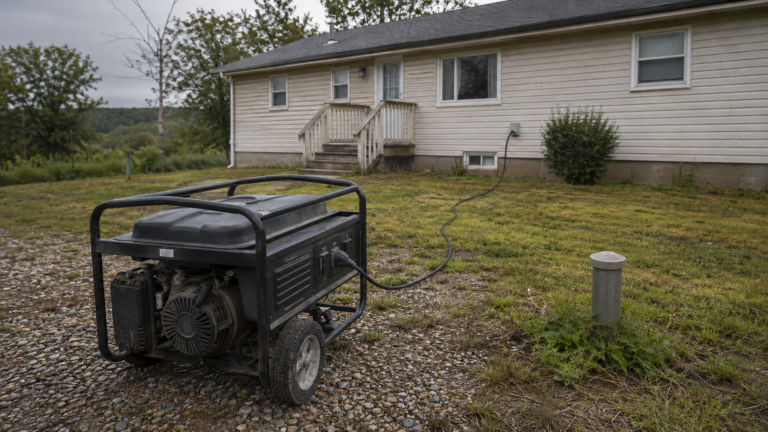
Gas generators operate very differently from solar generators.
Instead of storing electricity inside batteries, they create electricity in real time using fuel-powered engines.
That gives them one massive advantage: raw power output.
A properly sized gas generator can run appliances that most solar generators struggle with, including:
- refrigerators
- deep freezers
- window AC units
- microwaves
- sump pumps
- power tools
- space heaters
- well pumps
- multiple appliances simultaneously
For severe weather zones, rural properties, and long-duration outages, gas generators remain one of the most practical backup systems available.
Especially if fuel remains accessible.
That’s the catch.
Gas generators are completely dependent on fuel logistics.
Once fuel shortages begin, the situation changes quickly.
Gas stations may:
- lose power
- have long lines
- run out of fuel
- restrict purchases
- experience payment system failures
This becomes especially dangerous during regional emergencies where entire communities begin competing for fuel at the same time.
And unlike solar systems, gas generators also require:
- engine maintenance
- oil changes
- stabilizer treatments
- proper ventilation
- noise management
- carbon monoxide safety
- safe fuel storage
Improper use kills people every year during blackouts.
Generators should never operate:
- inside homes
- inside garages
- near windows
- near vents
- inside enclosed porches
Carbon monoxide buildup happens faster than most people realize.
Still, despite those risks, gas generators remain one of the most effective tools for maintaining higher-power emergency systems during extended outages.
Especially when paired with proper fuel planning.


👉 Fuel becomes one of the most valuable resources during extended outages. This long-term blackout preparedness guide explains how fast shortages begin, how supply chains break down, and why most households underestimate fuel consumption during emergencies.
Two-Week Power Outage Preparedness
Solar Generator Pros and Cons During Real Blackouts
Solar generators have exploded in popularity over the last several years for one simple reason:
they solve many of the biggest frustrations people hate about gas generators.
They’re quiet. Easy to operate. Safe for indoor use. Require almost no maintenance. And they can keep critical devices powered without dealing with gasoline, engine noise, or dangerous fumes.
For short-term outages, they often feel dramatically more convenient.
That’s why solar generators work especially well for:
- apartments
- suburban homes
- overnight emergency power
- communication equipment
- lighting systems
- medical devices
- small appliance backup
- quiet nighttime operation
One of the biggest advantages is silent operation.
During a blackout, noise matters more than most people realize.
A loud gas generator immediately advertises:
- you have power
- you likely have fuel
- your home may contain supplies
Solar generators avoid that problem completely.
Many people also underestimate how valuable indoor-safe power becomes during storms, winter outages, or dangerous weather conditions.
You can safely operate most solar generators inside:
- bedrooms
- apartments
- RVs
- garages with closed doors
- temporary shelters
That flexibility becomes extremely valuable during severe weather events.
But solar systems have major limitations too.
The biggest is energy production.
Most people assume solar panels constantly recharge batteries quickly enough to maintain unlimited power.
That’s not reality.
Cloud cover, winter weather, smoke, tree cover, rain, shorter daylight hours, and poor panel positioning dramatically reduce charging performance.
And once batteries drain completely, recharge times can become frustratingly slow.
This is where many people discover they undersized their system.
A smaller solar generator may run:
- phones
- laptops
- LED lights
- radios
But refrigerators, freezers, heaters, and cooking appliances drain batteries far faster than expected.
Many first-time buyers focus almost entirely on battery capacity while ignoring actual appliance startup loads and real-world runtime expectations.
That becomes a serious problem during multi-day outages.
A refrigerator cycling on and off all day consumes far more power than most people expect. The same applies to coffee makers, microwaves, space heaters, portable AC units, and electric cooking appliances.
During winter blackouts, battery drain often accelerates even faster because cold temperatures reduce battery efficiency while increasing household heating demands at the same time.
And unlike gas generators, solar systems depend heavily on weather conditions you can’t control.
Several cloudy days in a row can create major charging limitations if your system was barely adequate to begin with.
That’s why experienced preparedness-minded households usually build their systems around critical essentials first instead of trying to power everything at once.
Priority devices often include:
- refrigerators
- freezers
- phones
- radios
- medical equipment
- lights
- internet equipment
- small fans
👉 Food loss becomes one of the first major problems during outages. This refrigerator and freezer survival guide explains exactly how long food lasts without power and how backup systems dramatically extend food preservation time.
How Long Food Lasts Without Power

Gas Generator Pros and Cons During Extended Outages
Gas generators remain one of the most powerful emergency backup systems available for a simple reason:
they can produce large amounts of electricity continuously as long as fuel is available.
That matters during long-duration blackouts where refrigeration, heating, water systems, and communication equipment become increasingly important with each passing day.
Unlike smaller solar generators, gas-powered systems can often handle:
- full-size refrigerators
- deep freezers
- multiple room lights
- portable air conditioners
- well pumps
- sump pumps
- microwaves
- battery charging stations
- multiple appliances at the same time
That higher power output becomes extremely valuable during severe weather emergencies and grid-down situations where outages may continue for days instead of hours.
And for many rural households, gas generators are often the only realistic way to maintain critical systems during extended outages.
But the power advantages come with serious tradeoffs.
The biggest problem is fuel dependency.
Most households dramatically underestimate how much fuel generators consume during real-world usage.
A generator running continuously can burn through gasoline surprisingly fast, especially under heavier electrical loads.
That creates several problems immediately:
- constant fuel monitoring
- fuel storage concerns
- supply shortages
- long gas station lines
- fuel rotation requirements
- increased operating costs
And during regional disasters, fuel availability becomes unpredictable very quickly.
Gas stations may lose electricity, pumps may stop functioning, deliveries may slow down, and panic buying can empty entire areas within hours.
That’s why experienced preparedness-minded households rarely rely on “going to get fuel later” as their primary plan.
Fuel storage becomes part of the preparedness system itself.
Another issue many people ignore is noise.
Traditional generators are loud.
During widespread outages, that noise can attract unwanted attention from neighbors, desperate people, or anyone looking for resources once conditions worsen.
A running generator tells everyone nearby:
- you have electricity
- you probably have fuel
- you may also have food and supplies
That becomes an increasing concern during longer emergencies where tension and shortages continue growing over time.
Maintenance is another major factor.
Unlike battery systems, gas generators require:
- oil changes
- fuel stabilizers
- engine testing
- spark plug maintenance
- safe fuel rotation
- proper startup procedures
And unfortunately, many people buy generators they never test until the emergency actually happens.
That mistake causes countless failures during storms and blackouts every year.
Generators should always be tested before emergency season starts.
Dual-fuel generators have become especially popular because they offer more flexibility during emergencies.
Many models can run on:
- gasoline
- propane
That flexibility becomes extremely valuable when one fuel source becomes difficult to obtain.
Propane also stores longer than gasoline and requires less maintenance over time, which makes it attractive for preparedness setups.
Inverter generators have also gained popularity because they operate:
- quieter
- more fuel efficiently
- safer for electronics
- with cleaner power output
They typically cost more upfront, but many households find the reduced noise and fuel savings worth the investment.
👉 Once outages continue past several days, shortages, fuel problems, and system failures begin accelerating quickly. This guide explains how society changes during long-term power outages and why preparedness mistakes compound over time.
How Fast Society Changes During a Long-Term Power Outage


Portable Power Station vs Generator: What Most People Regret Buying
One of the biggest problems in the backup power market today is unrealistic expectations.
A huge number of people buy emergency power systems based almost entirely on marketing instead of realistic emergency planning.
That usually leads to regret once the blackout actually happens.
The most common mistake is buying systems that are far too small for real-world emergency use.
Many first-time buyers see advertisements showing refrigerators, lights, laptops, fans, phones, coffee makers, and televisions all running from a compact “solar generator” and assume that setup will last indefinitely.
Then the outage happens.
And suddenly they discover the battery is draining much faster than expected.
This becomes especially frustrating during overnight outages where solar charging is no longer available and every watt suddenly matters.
A refrigerator compressor cycling repeatedly through the night can destroy runtime expectations on undersized systems.
The same applies to:
- space heaters
- portable AC units
- microwaves
- coffee makers
- electric skillets
- medical devices
- multiple device charging stations
The opposite mistake happens with gas generators too.
Some people buy oversized generators designed for construction sites or whole-home backup without understanding:
- fuel consumption
- maintenance requirements
- noise levels
- storage limitations
- operating costs
Then they realize they’re burning through fuel far faster than expected just to keep a few essentials running.
That’s why matching the power system to the actual emergency goal matters so much.
For example:
- a small apartment may only need lighting, phone charging, internet equipment, and limited refrigeration
- a rural home with a well pump may require significantly higher power output
- a family using CPAP machines or medical devices may prioritize overnight battery reliability
- a hurricane-prone area may need multi-day fuel planning and refrigeration support
Preparedness failures often happen because people buy emotionally instead of strategically.
They buy:
- too late
- too small
- too cheaply
- without testing the system
- without calculating runtime needs
- without planning fuel storage
Another major regret comes from confusing convenience with capability.
Smaller battery power stations are extremely convenient.
But convenience does not automatically equal long-duration blackout capability.
At the same time, massive gas generators may provide impressive power output while creating:
- fuel headaches
- security concerns
- maintenance problems
- constant operational noise
That’s why experienced preparedness-focused households usually build layered systems instead of relying entirely on one device.
Small battery systems often handle:
- lights
- phones
- radios
- communication devices
- overnight essentials
Larger generators handle:
- refrigeration
- heavy appliances
- water systems
- high-load electrical demands
The households that regret their purchases most are usually the ones who expected one small system to solve every blackout problem at once.
👉 Backup power only works if the rest of your preparedness system is built around it. This complete emergency preparedness framework explains how power, food, water, communication, and security systems all overlap during real-world disasters.
Emergency Preparedness Plan 2026


Which Backup Power System Is Best for Different Situations?
There is no single “best” backup power system for every household.
The right setup depends entirely on:
- where you live
- how long outages typically last
- what devices you actually need to power
- how much storage space you have
- whether you can safely store fuel
- how realistic your emergency plans are
This is where many people waste money.
They buy systems designed for someone else’s situation instead of their own.
Apartments and Small Living Spaces
For apartments, condos, and small homes, solar generators and battery power stations usually make far more sense than traditional gas generators.
Many apartment complexes prohibit fuel storage entirely, and running a gas generator safely is often impossible in dense residential areas.
Battery systems offer several major advantages for apartment preparedness:
- silent operation
- indoor-safe usage
- easy storage
- portable charging capability
- minimal maintenance
For apartment residents, the priority is usually keeping critical systems running:
- phones
- lights
- internet equipment
- small refrigerators
- medical devices
- fans
A layered battery setup combined with foldable solar panels often works extremely well for urban preparedness.
Suburban Homes
Suburban households usually benefit the most from hybrid systems.
A combination of:
- solar generators
- battery backup systems
- portable gas generators
creates much more flexibility during outages.
Battery systems can handle overnight essentials quietly while generators manage higher-demand appliances during daytime operation.
This also helps reduce fuel consumption significantly during longer outages.
Rural Properties and Well Water Systems
Rural homes often have completely different power priorities.
Many rely on:
- well pumps
- septic systems
- freezers
- larger refrigeration systems
- outdoor equipment
- longer travel distances for supplies
That usually increases the need for higher-output generators.
For many rural properties, gas generators remain the most practical primary power source during major outages.
Especially when combined with proper fuel storage planning.
Solar systems still provide valuable redundancy, but depending entirely on smaller battery systems can become difficult once refrigeration, pumps, and heating systems enter the equation.
Medical Devices and CPAP Machines
Households relying on medical equipment should prioritize reliability over convenience.
CPAP machines, oxygen concentrators, refrigerated medications, and other medical systems create a completely different level of urgency during outages.
Battery backup systems are often extremely valuable for overnight reliability because they:
- operate silently
- work indoors safely
- switch on quickly
- avoid fuel interruptions
But many preparedness-focused households still maintain generator backups in case outages continue beyond battery runtime limits.
Hurricane and Severe Storm Zones
Regions prone to hurricanes, ice storms, tornadoes, and severe weather often experience longer outages and fuel shortages.
That makes layered backup systems extremely important.
Households in these areas often benefit most from:
- fuel storage planning
- dual-fuel generators
- portable solar charging
- battery backup systems
- freezer monitoring systems
- communication redundancy
The longer outages continue, the more important flexibility becomes.
👉 Once communication systems begin failing during disasters, backup power becomes even more critical. This guide explains how families maintain contact during grid-down emergencies when normal networks stop working.
How to Communicate When the Grid Goes Down

Why Hybrid Backup Power Systems Usually Win
After real-world outages, many experienced preparedness-minded households eventually reach the same conclusion:
hybrid power systems usually work better than relying entirely on one backup method.
That’s because solar generators and gas generators solve different problems.
And when they’re combined correctly, their strengths begin covering each other’s weaknesses.
Solar generators excel at:
- quiet overnight operation
- indoor-safe emergency power
- communication devices
- battery charging
- medical equipment
- small electronics
- silent operation during tense situations
Gas generators excel at:
- high power output
- running refrigerators and freezers
- well pumps
- larger appliances
- fast recharging capability
- multi-day heavy-load operation
A hybrid system combines both approaches into a more realistic emergency power strategy.
For example:
- solar generators can handle nighttime essentials quietly
- gas generators can recharge battery systems during daytime operation
- battery systems reduce overall fuel consumption
- solar charging provides limited redundancy when fuel becomes scarce
- multiple systems reduce single points of failure
That layered approach becomes increasingly important as outages continue longer.
One of the biggest problems during extended emergencies is resource exhaustion.
Fuel runs low.
Batteries drain.
Supply chains slow down.
Stress increases.
The more flexible your backup systems are, the easier it becomes to adapt as conditions change.
Preparedness is rarely about finding one perfect piece of gear.
It’s about building overlapping systems that continue functioning when one layer starts failing.
That same philosophy applies to:
- water storage
- communication systems
- food supplies
- medical preparedness
- lighting
- security planning
The households that usually struggle most during blackouts are the ones relying entirely on:
- one generator
- one fuel source
- one battery system
- one method of communication
Single-system dependency creates fragility.
Hybrid systems create resilience.
Another major advantage of layered power setups is fuel conservation.
Instead of running a large gas generator continuously all day and night, many households:
- run generators periodically
- recharge battery systems during peak generator use
- switch to silent battery power overnight
- prioritize only critical appliances
That strategy dramatically extends fuel reserves during long-duration outages.
And during emergencies where fuel deliveries become unreliable, conservation matters far more than raw generator size.
Hybrid systems also reduce operational stress.
If a generator fails mechanically, battery systems still provide temporary backup.
If weather limits solar charging temporarily, fuel generators can compensate.
Preparedness becomes much more manageable once backup systems stop depending entirely on one resource.
👉 Long-term outages create cascading failures across power, fuel, communication, water, and supply systems. This complete grid-down survival guide explains how these failures connect and how prepared households build layered redundancy before emergencies happen.
Grid-Down Survival Power 2025

What Appliances Actually Matter During a Blackout
One of the biggest mistakes people make during outages is trying to power everything exactly like normal life.
That approach drains fuel faster, overloads smaller systems, and creates unnecessary stress during emergencies.
Prepared households focus on critical systems first.
The goal during a blackout is not comfort-focused luxury.
The goal is maintaining safety, food preservation, communication, medical support, and basic functionality for as long as possible.
That means understanding which appliances actually matter most.
Refrigerators and Freezers
For most households, refrigeration becomes the highest priority almost immediately.
A refrigerator full of food represents both money and long-term emergency resources.
Once refrigeration fails for too long:
- food spoilage accelerates
- freezer temperatures rise
- waste increases
- food safety becomes questionable
This is why refrigerators and freezers are usually the first major appliances people attempt to power during outages.
But they also consume more electricity than many first-time generator owners expect.
Especially during startup cycles.
👉 This complete refrigerator and freezer breakdown explains exactly how long food lasts without power and what prepared households do to extend food survival during blackouts. How Long Food Lasts Without Power
Communication Devices
Phones, radios, internet equipment, and emergency communication systems become increasingly important as outages continue.
Communication allows families to:
- receive emergency updates
- monitor weather conditions
- coordinate with relatives
- track evacuation information
- maintain situational awareness
The actual power requirements for communication devices are usually fairly low compared to larger appliances.
That makes them ideal candidates for smaller battery backup systems and solar generators.
👉 Most people underestimate how quickly communication systems begin failing during major outages. This guide explains how to maintain contact when phones, internet, and cellular networks become unreliable.
How to Communicate When the Grid Goes Down
Medical Equipment
Medical devices completely change backup power priorities.
CPAP machines, oxygen concentrators, refrigerated medications, and mobility equipment create serious urgency during outages.
For these households, reliability matters far more than convenience.
Battery backup systems often work extremely well overnight because they:
- operate silently
- avoid fuel interruptions
- work indoors safely
- provide stable power delivery
Many preparedness-focused families build dedicated backup systems specifically around critical medical needs first before powering anything else.
Lighting Systems
Lighting may seem minor compared to refrigeration or medical systems, but darkness changes the psychological environment of a household extremely fast.
Reliable lighting improves:
- mobility
- safety
- stress levels
- security awareness
- nighttime functionality
LED lighting systems consume relatively small amounts of electricity, which makes them ideal for solar generators and battery systems.
Heating and Cooling
Climate control becomes much more serious during extreme temperatures.
Winter outages create heating risks.
Summer outages create heat-related risks.
Unfortunately, heating and cooling systems are often some of the most power-hungry appliances in a home.
Portable heaters, AC units, and electric heating systems can drain smaller battery systems very quickly.
That’s why many preparedness-focused households prioritize:
- small heating zones
- fans instead of full AC systems
- layered clothing
- passive cooling strategies
- fuel-efficient heating options
What NOT to Run During a Blackout
Many people overload their systems by trying to maintain unnecessary luxuries during outages.
High-drain appliances often include:
- electric ovens
- dryers
- large entertainment systems
- multiple gaming systems
- pool equipment
- decorative lighting
- nonessential appliances
Preparedness becomes much easier once households separate “critical systems” from “normal convenience.”
That shift dramatically improves runtime, fuel conservation, and long-term sustainability during emergencies.
👉 Most people don’t realize how quickly shortages and system failures begin stacking during extended outages. This blackout survival timeline explains what typically fails first and how conditions worsen over time.
What Runs Out First in a Blackout?
The Biggest Generator Mistakes That Get People Into Trouble
Most generator failures during emergencies are not caused by the generator itself.
They’re caused by poor planning, unrealistic expectations, and dangerous mistakes people make before the outage ever begins.
And unfortunately, many of those mistakes only become obvious once conditions are already getting worse.
Waiting Until the Last Minute
One of the most common preparedness failures is waiting until a storm or blackout warning appears before buying emergency power equipment.
Once outages begin, generators, fuel cans, batteries, extension cords, and solar power stations disappear extremely fast.
Prices rise.
Inventory collapses.
Fuel lines grow longer.
And people end up panic-buying whatever is left instead of what actually fits their needs.
Prepared households solve backup power problems before everyone else realizes there’s a problem.
👉 This blackout shortage guide explains what disappears first during emergencies and why waiting until the outage starts usually leads to major preparedness mistakes.
What Runs Out First in a Blackout?
Running Generators Indoors
This remains one of the deadliest mistakes people make during power outages.
Gas generators produce carbon monoxide extremely quickly.
And carbon monoxide is odorless, invisible, and deadly.
Generators should never operate:
- inside homes
- inside garages
- near doors or windows
- inside enclosed porches
- inside basements
Even partially open garages can become dangerous.
Every year, outages lead to preventable deaths caused by improper generator placement.
Not Testing the System Before an Emergency
Many people buy generators or battery systems that remain untouched for months or years.
Then the outage happens.
And suddenly they discover:
- dead batteries
- bad fuel
- startup problems
- missing extension cords
- overload issues
- maintenance failures
Emergency equipment should always be tested before severe weather season begins.
That includes:
- running the generator
- checking fuel rotation
- testing battery systems
- verifying solar charging
- checking extension cords
- confirming appliance compatibility
Ignoring Fuel Storage Reality
Many generator owners drastically underestimate fuel consumption during long outages.
Running generators continuously burns through gasoline surprisingly fast.
And during regional emergencies, obtaining additional fuel may become difficult or dangerous.
Gas stations may:
- lose electricity
- run out of fuel
- limit purchases
- have massive lines
Preparedness-focused households usually plan fuel usage strategically instead of assuming fuel will always remain available.
That often means:
- running generators intermittently
- using battery systems overnight
- prioritizing only essential appliances
- storing stabilized fuel safely
Overloading Small Systems
Another major mistake is trying to run too many appliances at once.
Small generators and battery systems have hard power limits.
Startup surges from refrigerators, freezers, pumps, and AC systems often exceed what smaller systems can safely handle.
This causes:
- shutdowns
- breaker trips
- battery drain
- damaged equipment
- frustration during emergencies
That’s why understanding appliance wattage matters so much before an outage ever begins.
Relying Entirely on One Power Source
Single-system dependency creates vulnerability.
If your only generator fails mechanically, runs out of fuel, or becomes unusable, your entire preparedness system collapses with it.
That’s why layered systems work better.
Many experienced preparedness-focused households combine:
- solar generators
- gas generators
- battery backups
- portable solar panels
- rechargeable lighting systems
Redundancy creates resilience.

And during long-duration emergencies, resilience matters far more than convenience.
👉 Long-term outages create cascading failures across communication, water, food, fuel, and security systems. This preparedness framework explains how experienced households build layered emergency systems before disasters happen. Emergency Preparedness Plan 2026
Final Verdict: Solar Generator vs Gas Generator for Emergency Preparedness
So which backup power system actually works better during a blackout?
The honest answer is:
both — if you understand their strengths, weaknesses, and limitations before the emergency starts.
Solar generators are cleaner, quieter, easier to operate, and far more practical for indoor-safe emergency power.
They work extremely well for:
- communication devices
- lights
- medical equipment
- small appliances
- overnight backup power
- apartment preparedness
- fuel-free redundancy
But they also have real limitations.
Battery capacity matters.
Weather conditions matter.
Recharge time matters.
And many smaller systems simply cannot handle larger household power demands for long periods of time.
Gas generators remain the stronger option for:
- high power output
- well pumps
- larger appliances
- extended refrigeration
- multi-room power needs
- long-duration heavy electrical loads
But gas systems create their own challenges too.
Fuel dependency becomes a major issue during long emergencies.
Noise attracts attention.
Maintenance matters.
And improper use creates very real safety risks.
That’s why many preparedness-focused households eventually move toward hybrid systems instead of relying entirely on one solution.
A layered setup combining:
- solar generators
- battery backups
- portable solar panels
- fuel-powered generators
creates far more flexibility during real-world outages.
It also reduces:
- fuel consumption
- single points of failure
- operational stress
- overnight noise problems
- dependency on one resource
The biggest preparedness advantage does not come from owning the most expensive generator.
It comes from understanding:
- what actually matters during outages
- which systems fail first
- how long your supplies realistically last
- what your household truly needs to power
- how to build layered backup systems before emergencies happen
Most people wait until the blackout starts before thinking seriously about backup power.
That’s usually too late.
Prepared households solve these problems while stores still have inventory, fuel is easy to obtain, and systems can still be tested safely before conditions deteriorate.
Because once outages stretch into multiple days, backup power stops being about convenience.
It becomes about maintaining refrigeration, communication, medical support, lighting, security, and basic stability while normal systems continue failing around you.
👉 If you’re building a complete emergency power strategy instead of just buying random gear, this full preparedness guide breaks down how experienced households prepare for long-term outages, communication failures, fuel shortages, and grid-down emergencies before they happen.
Grid-Down Survival Power 2025
👉 And if you want a complete preparedness roadmap covering blackout survival, food systems, water storage, emergency communication, evacuation planning, and long-term readiness, start here:
Emergency Preparedness Plan 2026

The best backup power system is the one that realistically matches your emergency plan before the outage starts — not the one panic-bought after shelves are already empty.