How to Prepare for an Ice Storm: Complete Home Emergency Checklist
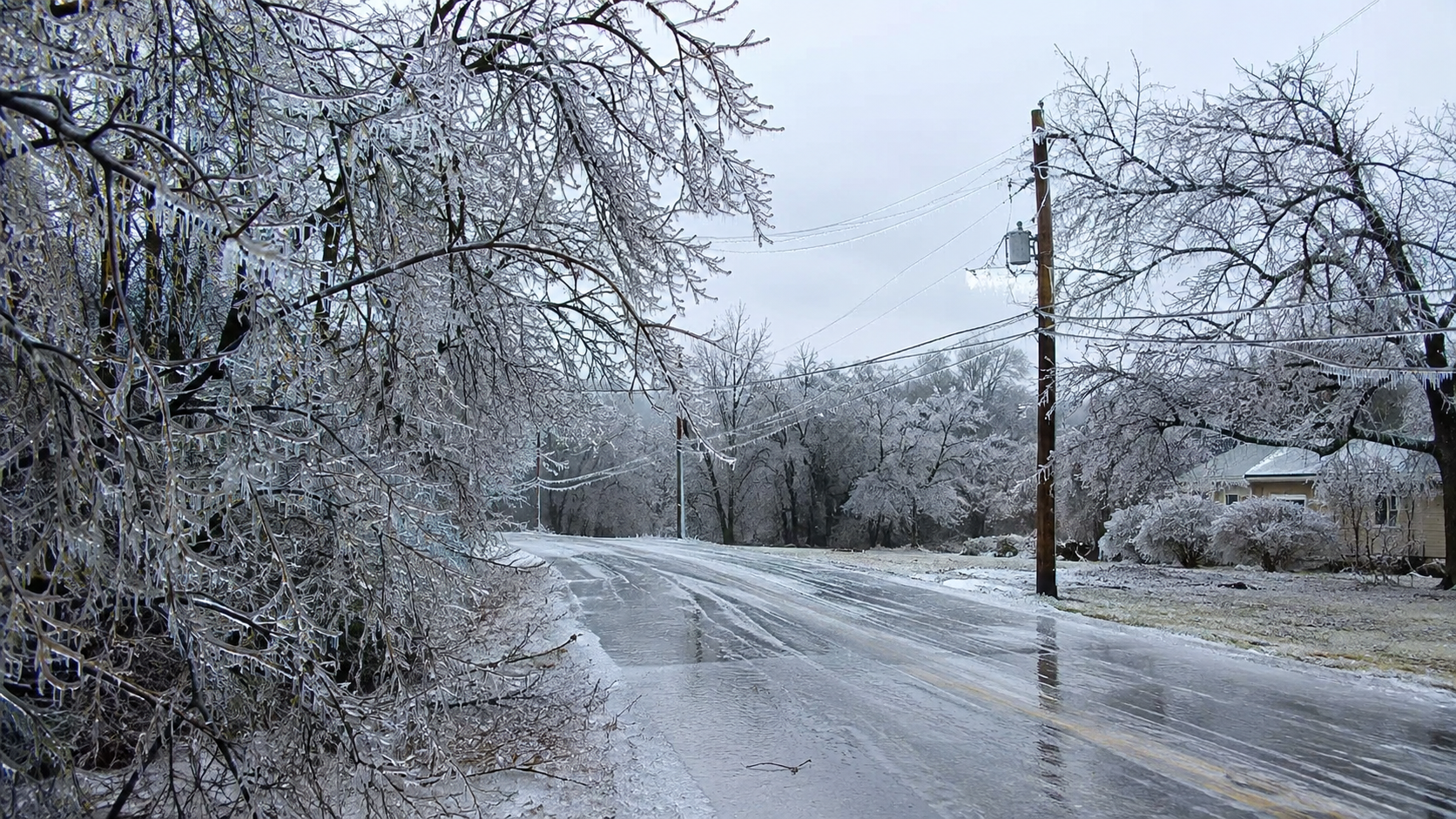
Knowing how to prepare for an ice storm can mean the difference between a manageable winter emergency and days of dangerous conditions without electricity. Freezing rain coats roads, trees, and power lines with ice. As that weight builds, branches can snap, utility equipment can fail, and neighborhoods may lose electricity just as temperatures fall. Even after the freezing rain ends, damaged lines, blocked roads, and dangerous travel conditions can delay repairs.
This post contains affiliate links. I may earn a small commission at no extra cost to you. Learn more.
Preparing for an ice storm means more than buying bread and batteries the night before. A dependable plan protects your heat, drinking water, plumbing, food, communication, and ability to shelter safely for several days. It also accounts for the possibility that grocery stores, gas stations, and pharmacies may be difficult to reach.
This guide explains what to do three days before an ice storm, which supplies deserve priority, how to protect your home, and how to make safer decisions if the power stays off longer than expected.
Why Ice Storms Can Be More Disruptive Than Snowstorms
Snow can make roads impassable, but freezing rain adds a different threat: ice bonds to nearly every exposed surface. A thin coating makes steps, sidewalks, and roads hazardous. Heavier accumulation adds substantial weight to tree limbs and electrical lines, potentially causing widespread failures.
Ice can also make restoration difficult. Utility crews may have to clear fallen trees and repair multiple damaged sections before power returns. Road crews and emergency vehicles face the same slippery conditions as everyone else. This is why a forecast that mentions significant icing deserves attention even when expected snowfall is modest.
The exact outcome depends on temperatures, wind, terrain, tree cover, and local infrastructure. Do not assume that a specific ice thickness guarantees a particular outage duration. Instead, use the local National Weather Service forecast and utility advisories to judge your risk.
Ice Storm Preparation Timeline: 72, 48, and 24 Hours Before
Preparation is easier when divided into stages. The first stage is for purchasing and maintenance; the last stage is for charging, filling, securing, and making final decisions. Waiting until roads are glazed with ice eliminates many of your safest options.
| When | Top Priorities | Goal |
|---|---|---|
| 72 hours before | Review forecast; buy food, water, prescriptions, and safe heating supplies; inspect backup equipment. | Resolve shortages while travel is safe. |
| 48 hours before | Check plumbing insulation, secure outdoor items, arrange fuel, and review your family communication plan. | Protect the home and establish contingencies. |
| 24 hours before | Charge everything; fill clean water containers; prepare flashlights; set refrigerator and freezer correctly; park safely. | Be ready to shelter without utility power. |
| During the storm | Stay off roads, monitor alerts, conserve heat, protect food, and watch for downed lines. | Avoid preventable injuries and secondary emergencies. |
72 Hours Before: Handle the Jobs That Require Stores or Professionals
Check your household supplies against a written list. Obtain essential prescriptions, infant supplies, pet food, and any special dietary items before demand increases. Test your flashlights and radios rather than assuming stored batteries still work. If you rely on a generator, arrange maintenance or an electrician’s inspection before the storm—not after an outage begins.
Review the expected ice accumulation, the forecast low temperatures, and the duration of below-freezing conditions. An ice storm followed by several days of hard freezes creates a different risk than one followed by rapid warming.
48 Hours Before: Protect the House and Make a Backup Plan
Identify your home’s main water shutoff valve. Check exposed plumbing in crawlspaces, garages, and along exterior walls. Move lightweight outdoor items that could be blown into windows or block walkways. Make arrangements for anyone who depends on powered medical equipment, and identify a safe heated destination if the home becomes uninhabitable.
Do not climb onto an icy roof or attempt last-minute tree trimming near electrical lines. Hazardous tree work belongs to qualified professionals and should be completed well before storm conditions arrive.
24 Hours Before: Charge, Fill, and Stage Essentials
Charge phones, power banks, rechargeable lights, and portable power stations. Fill clean, food-grade water containers, and keep them in a location protected from freezing. Place flashlights where each household member can find one in the dark. Make sure the vehicle has fuel and that emergency supplies are accessible.
Set the refrigerator to 40°F or below and the freezer to 0°F or below. Freeze water containers with room for expansion, and group frozen foods together so they retain cold longer if electricity fails.
Prepare for a Power Outage That Lasts Several Days
The most serious household consequence of an ice storm is often the loss of electricity. Without it, many homes lose central heating, well-water pumps, refrigeration, internet access, and the ability to recharge phones. Even gas furnaces usually need electricity for the blower and controls.
Make a list of essential electrical loads before choosing a generator or battery system. Separate genuine needs—medical equipment, limited heating-system power, communication, and refrigeration—from conveniences that can wait. The guide to running a gas furnace on a generator explains the compatibility and safe-connection issues that matter for homes with gas heat.
Choose Between a Generator and a Portable Power Station
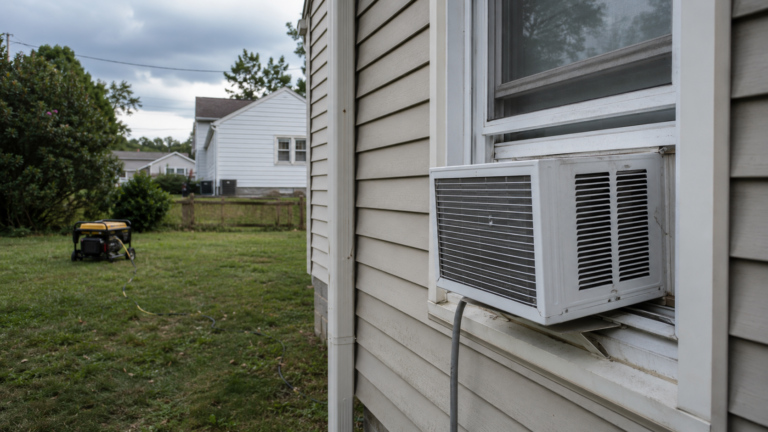
A fuel-powered generator can support larger loads and may be refueled for continued use, but it requires safe outdoor placement, fuel, maintenance, and an approved electrical connection. A portable power station operates without engine exhaust at the point of use and is well suited to phones, lights, radios, and selected low-wattage devices. Its runtime is limited by battery capacity and the actual load.
Neither option should be purchased solely on the basis of an advertised peak-watt rating. Determine running watts, starting requirements, expected operating hours, and recharge or refueling needs. For fuel planning, use the Generator Runtime & Fuel Calculator.
Backup power option: A dual-fuel generator offers the flexibility of gasoline or propane when properly sized for your actual electrical loads. Check the exact model’s output on each fuel and its cold-weather operating requirements.


Keep Your House Warm Without Taking Dangerous Shortcuts
When electricity fails during an ice storm, indoor temperatures may drop slowly at first and then more rapidly as the building loses stored heat. Insulation, outdoor temperature, wind, home size, and air leakage all affect how long the house stays comfortable. There is no universal number of hours that applies to every home.
Start by closing doors to unused rooms, blocking obvious drafts with weatherstripping or rolled towels, and concentrating family activity in a smaller area. Use layered clothing, warm socks, hats, and sleeping bags or blankets. Keep vents and necessary ventilation openings clear; do not seal the home so tightly that fuel-burning equipment cannot operate safely.
If you already have an approved, properly installed alternative heating system, confirm that it can operate without grid electricity and that you have enough suitable fuel. The comparison of six backup heating methods explains the tradeoffs among wood, propane, natural gas, and other options.
Be Careful With Portable Propane Heaters
Some portable propane heaters are specifically listed for certain indoor uses, but that does not mean they are appropriate in every room or sleeping situation. Follow the exact manufacturer’s instructions concerning ventilation, oxygen supply, clearances, cylinder placement, and supervision. Keep combustible materials away and use functioning carbon monoxide alarms. Never use a gas oven, charcoal grill, camping stove, or outdoor-only heater to warm a living space.
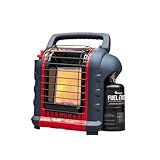
Supplemental heating example: The Mr. Heater Buddy is a portable propane heater that some households consider for emergency supplemental heat. Verify the exact model’s approved uses and instructions before purchasing; it is not a substitute for a permanently installed whole-house heating system.
For longer-term propane planning, see Propane for Long-Term Power Outages, which covers fuel storage and the limitations of propane equipment in severe cold.
Know When the House Is No Longer Safe
Plan a destination with reliable heat before you need it. If indoor temperatures become unsafe, a household member shows signs of hypothermia, essential medical equipment cannot operate, or you cannot maintain safe conditions, relocate to a warming center, trusted family member’s home, or other suitable shelter when travel can be made safely. Call emergency services for an immediate medical emergency.
Protect Water Pipes Before Indoor Temperatures Drop
Frozen pipes can create a second disaster after the electricity returns. Water expands as it freezes, and a pipe or fitting can rupture. Leaks may not become obvious until thawing begins, potentially causing extensive damage.
Insulate exposed pipes in unheated areas, seal accessible drafts around plumbing penetrations, and disconnect and drain outdoor hoses according to the fixture manufacturer’s instructions. Know where the main shutoff valve is located and make sure it operates. When temperatures are dangerously low, opening cabinet doors to allow warm room air to reach plumbing may help, provided household safety allows it. A small faucet drip can sometimes reduce freezing risk, but it is not a guarantee and may be inappropriate where water supply is limited or drainage could freeze.
If the house must be left without heat, consult a plumber or your local utility about safely shutting off and draining vulnerable plumbing. Do not attempt to thaw frozen pipes with open flames.
For additional protection strategies, read our complete guide on how to keep pipes from freezing during a power outage.
Store Enough Drinking Water for an Extended Outage
Households on electric wells may lose running water immediately. Municipal water service can also be affected by power failures, damaged infrastructure, or boil-water advisories. Do not rely on a bathtub full of water as your only drinking-water plan.
A practical starting point is at least one gallon of drinking and basic sanitation water per person per day for three days. A two-week reserve is preferable where space and budget permit. Hot weather, illness, pets, infant care, and medical needs can increase demand. Store drinking water in clean, food-grade containers away from freezing temperatures and contamination.
| Household Size | 3-Day Minimum | 14-Day Starting Reserve |
|---|---|---|
| 2 people | 6 gallons | 28 gallons |
| 4 people | 12 gallons | 56 gallons |
| 6 people | 18 gallons | 84 gallons |
These amounts use the one-gallon-per-person-per-day baseline and may not cover every household need.
For more accurate planning, use our Water Storage Calculator to estimate your household’s emergency water requirements, including additional needs for pets and sanitation.
Protect Refrigerator and Freezer Food
A prolonged outage can spoil hundreds of dollars of groceries. Before the storm, place appliance thermometers in both compartments, freeze reusable ice packs, and prepare coolers. During an outage, keep the doors closed as much as possible.
| Appliance | Approximate Cold Retention if Unopened | Important Condition |
|---|---|---|
| Refrigerator | About 4 hours | Keep at 40°F or below. |
| Half-full freezer | About 24 hours | Keep door closed. |
| Full freezer | About 48 hours | Keep door closed. |
These are general FDA estimates, not guarantees. If perishable food has been above 40°F for more than two hours, discard it. Never use taste or smell to determine whether questionable food is safe. Food that still contains ice crystals or measures 40°F or below may be safe to refreeze or cook, depending on the item and its history.
Do not place perishable food outdoors in the snow as an improvised refrigerator. Outdoor temperatures fluctuate and animals or contamination can create additional problems.
Prepare Lighting, Communication, and Charging
Reliable light and information become especially valuable after dark, when fallen branches and ice-covered surfaces are difficult to see. Give each person a flashlight or headlamp, keep spare batteries accessible, and stage at least one lantern for shared rooms. Battery lighting is safer than candles around children, pets, and combustible household materials.
Keep a battery-powered or hand-crank weather radio available. Charge phones before the storm, save important contacts offline, and enable local emergency alerts. Text messages may sometimes get through when voice networks are congested, but no communication method is guaranteed during widespread infrastructure damage.
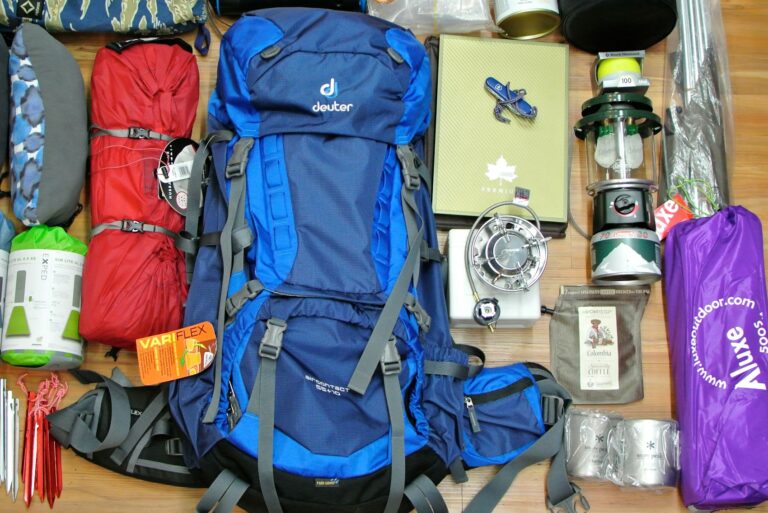
Emergency lighting option: A propane lantern can provide light outdoors or in other locations approved by its manufacturer. Because combustion lanterns can produce carbon monoxide and present a fire hazard, never use an outdoor-only propane lantern inside a home, tent, garage, or other enclosed area. For indoor rooms, choose battery-powered LED lighting instead.

Stock Food You Can Eat Without Electricity
Plan meals that do not require refrigeration, extensive cooking, or large amounts of water. Shelf-stable canned foods, nut butters, crackers, oats that can be prepared safely, dried fruit, and ready-to-eat meals can reduce dependence on backup fuel. Keep a manual can opener with the supplies.
If you plan to cook with propane or another fuel, use only equipment approved for the intended location. Outdoor camp stoves and grills must remain outdoors, away from doors, windows, and vents. Never move a camp stove into the kitchen because the weather is unpleasant.
Outdoor cooking option: A dual-fuel camp stove can provide meal preparation flexibility after the storm, but only when conditions permit safe outdoor operation. Follow the manufacturer’s fuel and clearance instructions.
Stock Toilet Paper, Hygiene Supplies, and Emergency Sanitation Essentials
Toilet paper, paper towels, and other basic household supplies can disappear from store shelves quickly when a major winter storm is approaching. These items may not seem as important as food, drinking water, or emergency heating, but running out during a prolonged ice storm can make an already difficult situation considerably worse.
Before the storm, make sure your household has enough toilet paper, personal hygiene products, trash bags, disinfecting supplies, and hand sanitizer to last at least one to two weeks. If the water supply or sewer system is interrupted, additional sanitation supplies may be necessary.
Compressed Towels for Emergency Hygiene and Toilet Paper Backup
One space-saving option worth considering is compressed toilet paper tablets, sometimes called coin tissues or compressed towels. These small, lightweight tablets expand into disposable cloth-like wipes when a little clean water is added. They take up very little storage space and can be kept in emergency kits, vehicles, backpacks, and household preparedness supplies.
Compressed towels are particularly useful as backup hygiene supplies when regular toilet paper and paper towels are unavailable. However, most are not designed to be flushed, even if the packaging describes them as biodegradable. Dispose of used towels in a trash bag unless the manufacturer specifically confirms they are suitable for the plumbing system.
Keep in mind that compressed towels require water to expand, so they should supplement rather than replace your regular toilet paper supply.
Recommended Emergency Hygiene Supply: Compressed towel tablets are an inexpensive, compact addition to a winter emergency kit. Look for individually wrapped, unscented tablets made from materials suitable for personal hygiene.

Prepare Your Vehicle and Avoid Unnecessary Travel
Ice storms are not the time to test traction. Even four-wheel-drive vehicles can slide on glazed pavement, and bridges may freeze before surrounding roads. If authorities advise staying home, postpone trips. Keep the vehicle fueled, check tire pressure and tread, and make sure the windshield washer fluid is rated for winter conditions.
Carry warm clothing, blankets, water, shelf-stable snacks, a phone charger, flashlight, first-aid supplies, scraper, shovel, and traction aid. Tell someone your route and expected arrival if travel is unavoidable. Never run a vehicle in a garage or with a snow- or ice-blocked exhaust pipe.
Protect Your Property From Falling Limbs and Ice
Before storm season, have damaged or overhanging limbs evaluated by a qualified tree professional, especially near the house and service lines. Clear gutters when conditions are safe, repair known roof leaks, and keep drainage routes open. Do not stand beneath heavily iced trees or attempt to knock ice off power lines.
Park away from vulnerable limbs where possible. After the storm, assume any fallen wire is energized, keep people and pets away, and report it to the utility or emergency services. Do not approach a wire even if it appears inactive or is lying in water or debris.
What to Do During an Ice Storm and Power Outage
Once freezing rain begins, prioritize shelter and information. Stay indoors when possible, monitor weather and utility alerts, and conserve backup power for essential loads. Avoid opening the refrigerator and freezer unnecessarily. Use safe heating methods only, and check on household members for signs of cold stress.
Keep shoes with traction near the door for necessary outdoor movement, and use handrails carefully. If a carbon monoxide alarm sounds, leave the building immediately, move to fresh air, and call emergency services. Do not reenter until responders say it is safe.
Watch for symptoms of hypothermia, including confusion, unusual drowsiness, slurred speech, and uncontrolled shivering. Severe hypothermia is a medical emergency. Seek immediate help rather than relying only on extra blankets.
What to Do After the Ice Storm Ends
The end of freezing rain does not mean the danger is over. Branches may remain under tension, ice can continue falling from roofs, and roads may remain hazardous. Check for utility notices and official road conditions before traveling. Photograph property damage from a safe location for insurance records.
When power returns, check refrigerated food temperatures and discard unsafe items. Inspect accessible plumbing for leaks, especially as frozen sections thaw. Restore electrical loads carefully and follow the utility’s instructions if service equipment was damaged. Never touch or repair a damaged service drop yourself.
Complete Ice Storm Emergency Checklist
Before the Storm
- Check National Weather Service forecasts and local emergency alerts.
- Store at least three days of water and food; extend supplies where practical.
- Refill prescriptions and gather essential medical supplies.
- Charge phones, power banks, radios, and backup batteries.
- Test flashlights, smoke alarms, and carbon monoxide alarms.
- Inspect heating equipment and arrange a safe alternative location.
- Check generator maintenance, fuel, and approved connection arrangements.
- Insulate vulnerable pipes and locate the main water shutoff.
- Freeze ice packs and verify refrigerator and freezer temperatures.
- Fuel the vehicle and assemble a winter emergency kit.
- Secure outdoor items and avoid hazardous tree work.
- Review family communication and evacuation plans.
During the Storm
- Avoid driving and walking beneath iced trees.
- Use generators and outdoor cooking equipment outdoors only.
- Conserve indoor warmth and keep refrigerator doors closed.
- Monitor official updates and watch for carbon monoxide hazards.
- Move to safe shelter if the home cannot remain safely heated.
After the Storm
- Stay away from downed wires and damaged trees.
- Check food temperatures and plumbing for damage.
- Document damage and follow official travel and utility guidance.
- Restock supplies and address weaknesses revealed by the outage.
Frequently Asked Questions
How Many Days Should You Prepare for an Ice Storm?
At minimum, prepare for three days without normal services. In locations with heavy tree cover, vulnerable power lines, or a history of prolonged outages, a seven- to fourteen-day supply of essentials provides a more resilient buffer. Your actual plan should reflect local hazards, household needs, and the availability of safe alternative shelter.
Should You Drip Faucets During an Ice Storm?
Allowing a small drip from a vulnerable faucet can sometimes help reduce freezing risk, but it is not foolproof. Insulation, keeping the home heated, and knowing how to shut off the water are more important. Follow local utility guidance, particularly during water shortages or when drains may freeze.
Can You Use a Propane Heater Indoors During a Power Outage?
Only if the exact heater is approved for the intended indoor use and every manufacturer requirement can be met. Outdoor-only heaters must never be used indoors. Maintain working carbon monoxide alarms and never use a cooking appliance to heat the home.
How Long Will Frozen Food Last Without Electricity?
An unopened full freezer generally maintains a safe temperature for about 48 hours, and an unopened half-full freezer for about 24 hours. Actual safety depends on food temperature, not the clock alone.
Is It Safer to Stay Home or Leave During an Ice Storm?
Staying home is often safer while roads are icy if the building remains habitable. Leaving becomes necessary when heating, medical needs, structural damage, or other hazards make sheltering unsafe. Plan a destination in advance and follow emergency instructions.
Final Thoughts
Ice storm preparedness is about anticipating several failures at once. Electricity may stop, indoor temperatures may fall, water may become unavailable, and icy roads may prevent a quick supply run. The best plan protects the essentials before those failures happen.
Start with a realistic water and food reserve, safe backup heating, reliable lighting, charged communication devices, and a plan for protecting plumbing. Then test your equipment and identify the point at which leaving home is safer than remaining inside. A prepared household does not need to predict exactly how long an ice storm will last; it needs practical options when conditions change.
Further Reading
Related Articles From The Savvy Survivalist
- Best Backup Heating for Power Outages: 6 Ways to Stay Warm — Compare safe alternative heating approaches.
- How to Run a Gas Furnace on a Generator During a Power Outage — Understand generator sizing and approved electrical connections.
- Propane for Long-Term Power Outages — Plan fuel supplies and propane-powered equipment.
- How to Survive a 6-Month to One-Year Power Outage — Build resilience beyond short-term emergencies.
- Generator Runtime & Fuel Calculator — Estimate fuel needs before the storm.
External References and Safety Resources
- CDC: Preparing for a Winter Storm — Home, vehicle, and family preparation guidance.
- Ready.gov: Winter Weather — Federal winter-weather readiness and response information.
- CDC: Protect Yourself During a Power Outage — Carbon monoxide and other outage hazards.
- FDA: Food and Water Safety During Power Outages — Refrigerator and freezer safety guidance.