How Fast Will Your House Get Cold Without Heat? Power Outage Timeline
How fast will a house get cold without heat? During a winter power outage, the answer depends on outdoor temperature, insulation, air leaks, wind, and how much heat the building has stored. One house may remain relatively comfortable overnight while another becomes dangerously cold in just a few hours. The safest approach is to monitor actual room temperatures, conserve heat immediately, and decide early when backup heating or relocation is necessary.
This post contains affiliate links. I may earn a small commission at no extra cost to you. Learn more.
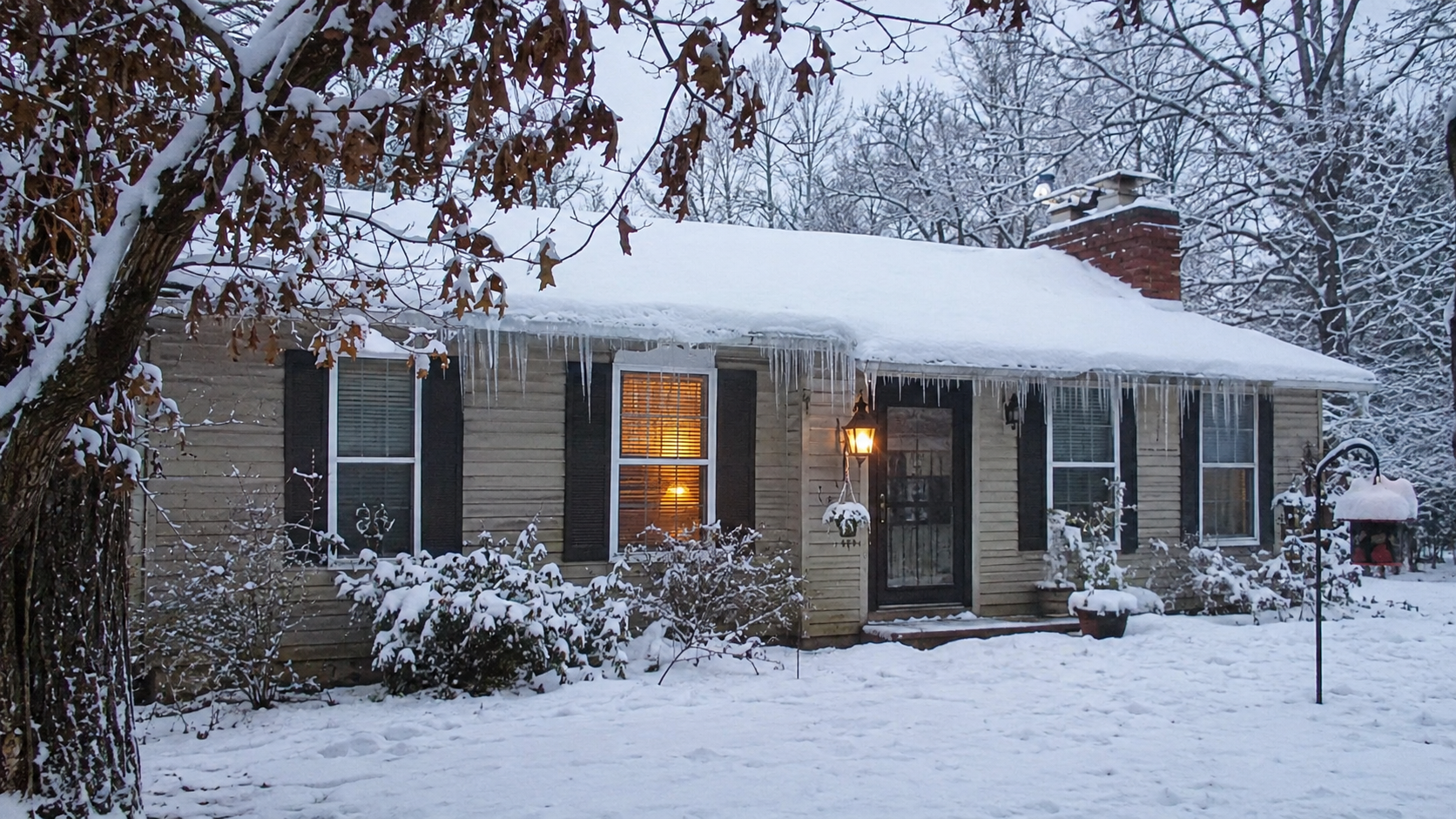
A furnace stopping does not mean your home instantly reaches the outdoor temperature. Walls, floors, furniture, and even the air inside retain some warmth. But that stored heat gradually escapes through the roof, walls, windows, foundation, and gaps around doors. When the weather is bitterly cold, that process can accelerate enough to turn a routine blackout into a serious emergency.
How Quickly Does a House Lose Heat When the Power Goes Out?
Once the heating system shuts down, the house begins moving toward the outdoor temperature. The temperature difference between indoors and outdoors is one of the main drivers. A house at 70°F loses heat faster when it is 0°F outside than when it is 45°F outside, assuming the other conditions are similar. That does not mean the indoor temperature falls at a fixed number of degrees per hour.
Early in an outage, a home may cool slowly because its interior surfaces and contents are still warm. Later, as the structure cools, the temperature difference narrows and the cooling rate can change. Sunshine, wind, people inside, and a fireplace or other heat source also change the outcome. A single average cooling rate can hide these important differences.
Consider two houses on the same street. One has an insulated attic, modern windows, sealed penetrations, and a basement. The other has thin attic insulation, leaky windows, and a ventilated crawlspace. Both start at 70°F. Even with identical outdoor conditions, their temperatures can diverge significantly by morning. House age alone is not enough to tell which will perform better; maintenance and upgrades matter.
What the First 24 Hours Can Look Like
Instead of presenting made-up temperature forecasts, the table below shows the decisions to make at each stage of an outage. These are planning checkpoints, not promises about how warm the house will be.
| Time without heat | What to check | Recommended action |
|---|---|---|
| First 30 minutes | Indoor temperature, outdoor conditions, outage alerts | Close exterior doors, gather supplies, preserve phone battery |
| 1–3 hours | Room-to-room differences and drafts | Choose a warm occupied room and reduce unnecessary heat loss |
| 3–6 hours | Temperature trend and household health needs | Reassess backup heat and transportation before roads worsen |
| 6–12 hours | Sleeping-area temperature, water pipes, weather forecast | Make an overnight plan; relocate if safe warmth cannot be maintained |
| 12–24 hours | Actual temperatures, occupants’ condition, restoration estimate | Do not wait for hypothermia symptoms; use a safe heated location if needed |
Record the time and temperature every hour or two. A series of readings from the same location tells you far more about your house than a national average. If the temperature is dropping quickly, shorten the interval and act sooner.
How Outdoor Temperature Changes the Risk
Outdoor temperature does not determine a home’s indoor temperature by itself. It does, however, change the amount of heat trying to escape. The table uses a starting indoor temperature of 70°F and simply calculates the temperature difference. It is not a prediction of how many degrees your house will lose.
| Outdoor temperature | Indoor–outdoor difference at 70°F | Planning implication |
|---|---|---|
| 45°F | 25°F | Heat loss continues; monitor overnight conditions |
| 32°F | 38°F | Pay attention to exposed plumbing and drafts |
| 20°F | 50°F | Have backup heat or relocation options ready |
| 0°F | 70°F | Treat a prolonged outage as a potentially urgent situation |
| −10°F | 80°F | Extreme cold warrants early decisions, especially for vulnerable people |
For a given building, heat loss through its envelope is roughly related to the indoor–outdoor temperature difference. Doubling that difference can roughly double conductive heat loss at that moment, although wind, solar gain, infiltration, and other factors complicate the full picture. That is why a relatively mild winter blackout and a subzero outage should never be treated as the same event.
Why Some Houses Stay Warm Longer Than Others
1. Insulation in the Attic, Walls, and Floors
Insulation slows the movement of heat through building materials. In many homes, the attic is an especially important place to inspect because warm indoor air can escape through ceiling penetrations and poorly insulated roof assemblies. Properly installed insulation works best alongside air sealing. Adding insulation without addressing major leaks can leave a house uncomfortable.
Wall insulation matters, but so does the foundation. A house over a cold, drafty crawlspace may have floors that become uncomfortable early in an outage. A basement surrounded by earth may moderate some temperature swings, although dampness, uninsulated rim joists, and exposed plumbing can still create problems. Homes with high ceilings and open floor plans may also experience uneven temperatures as warm air collects higher up.
Preparing your home before winter can make a major difference when the heating system stops working. For a broader emergency plan, read our Winter Blackout Survival Guide, which covers emergency heat, food, water, and backup power.
2. Air Leaks and Wind
Cold air entering around doors, windows, attic hatches, plumbing penetrations, and electrical openings replaces warmer indoor air. Wind can increase this air exchange dramatically. A home that seems comfortable on a calm 25°F day may cool more quickly during a windy storm at the same temperature.
Check weatherstripping and door sweeps before winter. During an outage, use rolled towels to reduce ordinary drafts beneath interior or exterior doors when appropriate. Never block required combustion-air openings, appliance vents, or intentional ventilation needed for a fuel-burning heater.
3. Windows and Glass Doors
Windows can be a weak point in the thermal envelope, especially single-pane units or windows with damaged seals and loose frames. Large glass doors may create uncomfortable cold surfaces even when the air temperature in the room is still reasonable. Thermal curtains, cellular shades, and correctly installed seasonal window film can help reduce certain forms of heat loss.
On sunny winter days, opening curtains on sun-facing windows may allow solar heat to enter. Close them again when the sun moves away. Be careful with improvised window coverings near heaters, candles, or other ignition sources.
4. Thermal Mass and Building Materials
Thermal mass is the ability of materials to absorb and release heat. Concrete floors, masonry walls, tile, and heavy furnishings can store energy while the heating system operates. After the heat stops, those materials may release some of that energy back into the living space.
Thermal mass does not create heat. It can moderate temperature changes, but its benefit depends on how much heat was stored, where the material is located, and whether the building envelope prevents rapid heat loss. A poorly insulated masonry home may still cool faster than a well-insulated lightweight home.
5. House Size, Layout, and Occupancy
A larger home contains more air and building materials, but it also has more exterior surface area through which heat can escape. Size alone does not tell you whether a home will cool quickly. A compact, insulated house may perform well, while a large house with exposed walls and high ceilings may be difficult to keep warm without active heating.
Open floor plans can distribute remaining warmth, but they also make it harder to isolate a small occupied space. During an extended outage, selecting a comfortable room and closing doors to unused areas may improve personal comfort. Keep access to bathrooms, exits, and necessary ventilation.
How to Measure Your House’s Actual Cooling Rate
There is a straightforward way to learn how your home behaves: measure it. Place a battery-operated indoor thermometer in a commonly occupied room, away from direct sunlight, exterior doors, windows, appliances, and heating equipment. If possible, use a second thermometer in the coldest bedroom or another vulnerable location.
Write down the starting temperature, outdoor temperature, time, wind conditions, and whether any backup heat is operating. Continue recording temperatures at consistent intervals. This creates a useful record for future storms and helps you recognize whether the current outage is cooling your home faster than expected.
| Time | Indoor reading | Outdoor reading | Notes |
|---|---|---|---|
| 6:00 p.m. | 70°F | 25°F | Illustrative starting point |
| 8:00 p.m. | Record actual reading | Record actual reading | Wind, doors, sunlight |
| 10:00 p.m. | Record actual reading | Record actual reading | Occupied room conditions |
| Midnight | Record actual reading | Record actual reading | Decision on overnight shelter |
Example of the arithmetic: If an actual thermometer reads 70°F at 6 p.m. and 66°F at 10 p.m., the house lost 4°F over four hours—an average of 1°F per hour during that specific interval. That does not mean it will lose exactly another 8°F over the following eight hours. Weather, the changing indoor–outdoor difference, and stored heat can all change the rate.
A digital indoor thermometer with humidity measurement is useful for this purpose because it operates independently of household power and can be moved between rooms.

Check the device’s accuracy and battery condition before storm season. A thermometer is a monitoring tool, not a warning system that guarantees occupants will remain safe.
At What Indoor Temperature Does a House Become Unsafe?
There is no single indoor air temperature that is safe for every person for every length of time. Age, health, clothing, bedding, activity level, humidity, and exposure duration all matter. Infants, older adults, and people with certain medical conditions may be at greater risk from cold environments. A healthy adult under warm blankets may tolerate conditions that are unsuitable for an infant or someone who cannot regulate body temperature well.
Do not confuse the temperature of a room with core body temperature. Hypothermia is a medical emergency involving dangerously low body temperature; it can occur even when the surrounding air is above freezing. The CDC identifies shivering, unusual fatigue, confusion, slurred speech, fumbling hands, and drowsiness as warning signs. A measured body temperature below 95°F requires emergency medical attention.
| Indoor air temperature | Practical interpretation |
|---|---|
| 65–70°F | Often comfortable for many adults, but individual needs differ |
| 60–64°F | Cold for some occupants; use layers and reassess vulnerable household members |
| 50–59°F | Significant concern during prolonged exposure; prioritize reliable heat or a warmer location |
| Below 50°F | Treat as an urgent warning to obtain safe warmth; do not assume blankets alone are adequate |
These bands are conservative planning cues, not clinical safety thresholds or guarantees. A person can become ill at warmer temperatures, and the right decision may be to leave well before the house reaches 50°F. If someone is shivering uncontrollably, confused, unusually sleepy, or otherwise unwell, seek medical help rather than waiting for a particular room-temperature reading.
Seven Ways to Slow Heat Loss Without Electricity
1. Consolidate Into a Smaller Occupied Area
Choose a room with relatively few exterior windows, manageable drafts, and enough space for the household. A bedroom or interior living area may be easier to keep comfortable than a large open-plan space. Close doors to unused rooms when doing so is safe. Keep bathrooms, exits, and any necessary ventilation accessible.
Moving everyone into one room does not create a powerful heating system, but it can make clothing, blankets, lighting, and emergency supplies easier to manage. Avoid sealing a room airtight, particularly if any fuel-burning appliance is in use.
2. Block Ordinary Drafts
Use towels at drafty door bottoms, replace failed weatherstripping before the storm, and check for obvious air leakage around window frames. Temporary measures should never obstruct a required exit or prevent doors from opening normally. Do not cover combustion-air openings, flues, or vents.
3. Manage Curtains and Window Coverings
Open curtains when direct sunlight can warm the room, then close them at night. Thermal curtains can help reduce discomfort near glass. In a house with older drafty windows, a seasonal interior window-insulation film kit may be useful if installed according to the manufacturer’s directions.
Window film is best installed before an outage, when the window can be cleaned and the installation completed properly. Do not cover windows that must remain usable for emergency escape, or interfere with necessary ventilation.

4. Wear Layers Instead of Relying on Room Temperature Alone
Dress in dry layers, warm socks, and a hat when needed. Wool and synthetic insulating fabrics can help retain body heat. Use sleeping bags and blankets rated for the expected conditions. Keep spare dry clothing available because wet garments can dramatically increase heat loss from the body.
Extra bedding helps protect people, but it does not prevent pipes from freezing or solve unsafe indoor conditions indefinitely. If a household member cannot stay warm, change the plan.
5. Keep Doors Closed and Trips Outside Brief
Every unnecessary opening of an exterior door exchanges warm indoor air for cold outdoor air. Organize supplies in advance and combine trips outside when possible. Keep snow and ice cleared from safe walking routes and essential appliance exhaust outlets, without putting yourself at risk during severe weather.
6. Use Sunlight and Existing Warmth Wisely
Direct winter sun can warm floors and furniture near windows. Use it when available, then close shades after sunset. If your home has a safely operating, permanently installed backup heating system, use it according to its instructions. Do not improvise heating from a cooking stove, charcoal grill, or other appliance not designed for space heating.
7. Protect the House Before Temperatures Become Critical
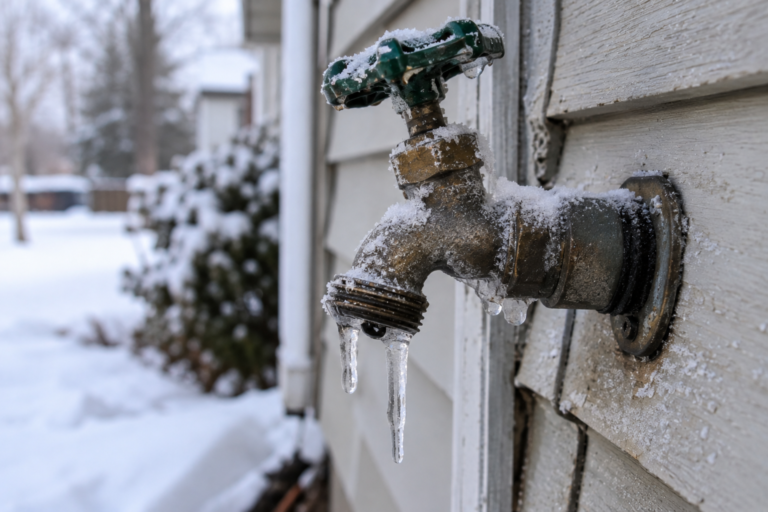
Know where the main water shutoff is located. Check vulnerable pipes in crawlspaces, exterior walls, garages, and unheated utility rooms. During a prolonged outage, follow local utility or plumbing guidance on whether to shut off and drain parts of the plumbing system. Simply turning off the water does not remove water already trapped in pipes.
For detailed plumbing protection, read our guide to keeping pipes from freezing during a power outage. It explains how to protect vulnerable plumbing, identify freezing risks, and reduce the chance of costly water damage.
What About Backup Heat?
The purpose of this article is to understand and manage home cooling, not to rank every heating appliance. Still, any plan for a winter blackout needs a reliable way to provide warmth or reach a heated location. Options may include a professionally installed wood stove or fireplace, an appropriately installed and approved backup heating system, or a generator connected to selected home circuits through approved equipment.
If your home depends entirely on electricity for heat, choosing a backup system before winter is especially important. Our guide to the best backup heating options for power outages compares six ways to stay warm when the primary heating system is unavailable.
Many natural gas furnaces still require electricity for the blower, ignition, controls, and safety systems. A gas supply by itself does not guarantee the furnace will heat your house during a blackout. Generator selection must account for startup loads, electrical requirements, and a safe connection method. Never backfeed a home through a wall outlet.
Homeowners with gas furnaces may be able to restore heating with a properly sized generator and an approved electrical connection. Our guide to running a gas furnace on a generator explains the equipment, electrical requirements, and safety precautions involved.
Portable fuel-burning heaters deserve particular caution. Only use appliances explicitly listed and approved for the intended indoor application, and follow all manufacturer requirements for clearance, ventilation, and operation. Some products require fresh-air openings, which can reduce the benefit of sealing drafts. Do not run fuel-burning appliances while sleeping unless their manufacturer explicitly permits that use and all safety conditions are satisfied.
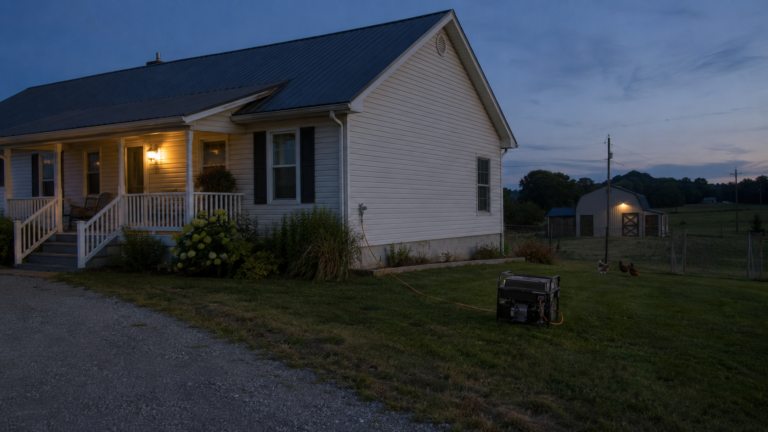
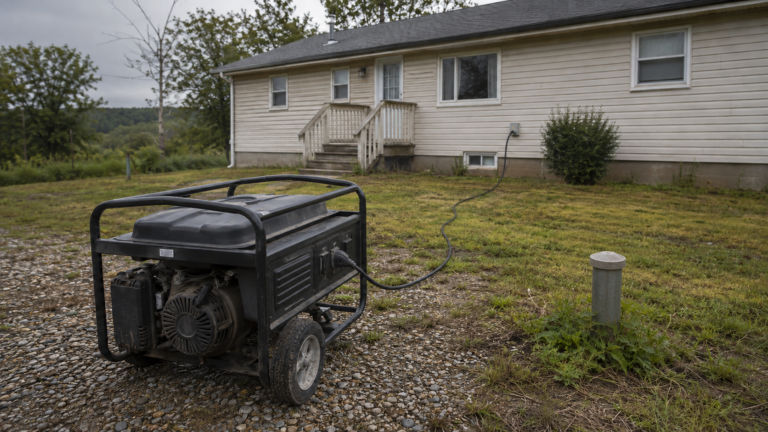
Generators belong outdoors, at least 20 feet from doors, windows, and vents, with exhaust directed away from the building. Never operate one in a garage, basement, crawlspace, porch enclosure, or near an open window. Snow accumulation and changing winds can create dangerous exhaust conditions.
Carbon Monoxide Is a Separate Emergency
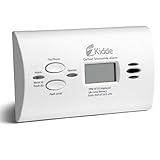
Carbon monoxide is an invisible, odorless gas that can cause sudden illness and death. During blackouts, risk increases when generators, stoves, heaters, or grills are used incorrectly. Every home using fuel-burning equipment should have properly located, functioning carbon monoxide alarms that continue operating without utility power, along with smoke alarms.
Install alarms according to the manufacturer’s instructions and applicable local requirements. Test them regularly and replace units at the end of their service life. An alarm is an essential warning device, but it does not make an unsafe heater or generator arrangement safe.
How Long Can You Stay in a House Without Heat?
The answer depends on the conditions inside the home and the people living there—not simply the outage duration. A well-insulated home in mild weather may remain manageable for a considerable period. The same house during a severe cold snap can require backup heat or evacuation much sooner. An older, leaky home may reach uncomfortable temperatures faster.
Think in terms of a decision sequence. First, confirm the heating failure and monitor actual room temperature. Second, use safe methods to slow heat loss. Third, evaluate whether your backup heat can maintain a livable environment for the likely outage duration. Fourth, identify a heated location and a safe route to reach it. Finally, leave early enough that cold exposure, road ice, or failing communications do not trap you.
Do not wait until the house is freezing to decide where to go. Keep phone numbers for family, neighbors, local emergency management, and potential warming centers in a printed emergency contact list. Warming centers may open only during certain emergencies, so confirm current availability rather than assuming a location will be operating.
Extreme cold can turn a manageable outage into a life-threatening emergency. Our winter power outage survival guide for subzero temperatures explains additional precautions for protecting your household when outdoor temperatures fall dangerously low.
A Practical 24-Hour Winter Blackout Plan
Before the Storm
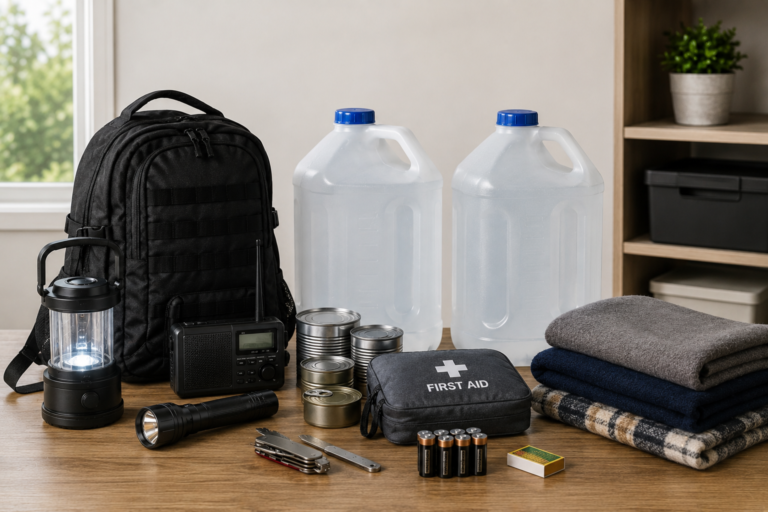
Test smoke and carbon monoxide alarms. Replace weak batteries in flashlights and indoor thermometers. Inspect weatherstripping, prepare blankets and warm clothing, charge power banks, and check your emergency heating equipment. Store enough safe drinking water and food that can be eaten without electricity. Make sure every household member knows where supplies are kept.
For outages lasting several days or longer, a short-term heating plan is only one part of your preparations. Our two-week power outage preparedness guide covers the supplies and planning needed when electricity is unavailable for an extended period.
Arrange a backup destination before severe weather begins. If someone depends on powered medical equipment, work with their healthcare team and electricity provider on a specific backup and relocation plan. Do not assume a small portable power station can operate every medical device or heating appliance.
During the First Hour
Verify whether the problem is a neighborhood outage or a home electrical issue. Report the outage to the utility. Check that everyone is safe, note the indoor temperature, and gather essential supplies. Keep refrigerator and freezer doors closed. Choose an occupied room and close unnecessary exterior doors.
During the Next Several Hours
Continue temperature readings and watch for worsening weather. Evaluate the condition of infants, older adults, and anyone with health concerns. If backup heat is available, operate it exactly as designed. Check alarms, ventilation, and the location of generator exhaust. Keep emergency communications charged and conserve battery power.
Before Going to Sleep
Do not assume that a room comfortable at sunset will remain comfortable at dawn. Review the temperature trend and overnight forecast. Choose a safe sleeping arrangement, confirm working alarms, and consider whether relocation is wiser than spending the night in a cooling home. Never leave an improvised or unapproved heat source operating while sleeping.
If the Outage Lasts Into the Next Day
Recheck the water supply, plumbing, indoor temperature, food safety, and remaining fuel. Listen for verified restoration updates. If roads are open and you cannot sustain safe warmth, move to a heated location. If travel is unsafe, contact local emergency services or emergency management for guidance rather than improvising a hazardous indoor fire or heater.
Common Mistakes That Make a Cold House More Dangerous
Assuming the thermostat tells the whole story. A thermostat in a central hallway may read several degrees warmer than a drafty bedroom. Measure the rooms where people actually spend time.
Believing every house cools at the same rate. Internet timelines often omit insulation, wind, solar gain, and thermal mass. Use them only as broad context, not as a personal forecast.
Waiting too long to seek shelter. Roads may become impassable as a winter storm develops. A heated destination identified early is more useful than one considered after the home becomes dangerously cold.
Sealing off necessary ventilation. Reducing drafts is helpful, but blocking vents for combustion appliances can cause carbon monoxide hazards. Never defeat manufacturer-required ventilation.
Using a cooking appliance as a heater. Ovens, grills, and camp stoves are not safe substitutes for approved space-heating equipment.
Ignoring water pipes. Pipes in exposed areas may freeze even when the main living room feels tolerable. Cold spots behind cabinets or in crawlspaces can be much colder than the thermostat location.
Depending on a single backup system. Generators can fail, fuel can run out, and roads can close. A strong preparedness plan includes a second option and a clear point at which to relocate.
Frequently Asked Questions
Will a house freeze overnight without heat?
Not necessarily. Many houses retain some warmth overnight, but an older or drafty building during extreme cold may cool rapidly. Exposed pipes can freeze before the entire house approaches 32°F. Monitor actual indoor temperatures and vulnerable plumbing instead of relying on a universal overnight rule.
How long does it take a house to drop from 70°F to 50°F?
There is no defensible single answer without information about the building, outdoor weather, wind, sunlight, and air leakage. A building-energy model or actual temperature measurements can provide a better estimate. If the home is already approaching temperatures that are unsafe for its occupants, take action rather than waiting for it to reach 50°F.
Does a brick house stay warmer longer?
Brick and masonry can store heat, which may slow short-term temperature changes, but the wall’s insulation and air sealing are just as important. Brick veneer over a poorly insulated wall is not automatically more efficient than a well-insulated wood-frame wall.
Should I open curtains during a power outage?
Open suitable curtains when direct sunlight can enter and warm the room. Close them after dark or when the window is losing more heat than it gains. Do not obstruct an emergency exit or required ventilation.
Can body heat keep a room warm?
People release heat, but not enough to make an unheated, poorly insulated room reliably safe during severe cold. Gathering in one room may improve comfort and simplify monitoring; it is not a replacement for safe heating or relocation.
Should I leave the water running to stop pipes from freezing?
A small drip may reduce freezing risk in certain plumbing situations when water service is reliable, but it is not a guarantee and may be inappropriate if the water supply or drainage system is compromised. Follow your utility’s guidance and consider professional winterization for prolonged outages.
Can I use a generator to run my furnace?
Some furnaces can be powered by appropriately sized generators through a safe, code-compliant connection. Requirements vary by furnace and electrical installation. See the dedicated furnace-generator guide for the necessary electrical and safety considerations.
Final Thoughts
When the heat goes out, the most important question is not whether a typical house loses one, two, or three degrees per hour. It is whether your home is staying safely warm under the conditions you are facing. Insulation, weatherstripping, wind, windows, and thermal mass all influence the answer, but only real measurements can reveal what is happening in your rooms.
Prepare before winter, track temperatures from the start of an outage, conserve heat without blocking required ventilation, and maintain a reliable backup heating or relocation plan. A simple thermometer, properly weatherized windows, and working carbon monoxide alarms are inexpensive pieces of a much larger strategy. When temperatures or household conditions become unsafe, getting to dependable warmth matters more than trying to remain at home at all costs.
Further Reading
Preparing for a winter power outage involves more than keeping your home warm. These additional guides explain emergency heating options, protecting your plumbing, and maintaining heat when electricity fails.
- Best Backup Heating for Power Outages: 6 Ways to Stay Warm – Compare practical emergency heating options for keeping your home warm when the power goes out.
- Winter Power Outage in Subzero Temperatures: How to Stay Warm and Protect Your Home – Learn how to prepare for extreme cold, protect your home, and recognize dangerous winter conditions.
- How to Keep Pipes From Freezing During a Power Outage – Discover how to protect vulnerable plumbing and reduce the risk of expensive freeze damage.
- How to Run a Gas Furnace on a Generator During a Power Outage – Understand generator sizing, electrical connections, and safety considerations for operating a gas furnace during an outage.
External References
The following government resources provide additional guidance on winter storm preparedness, home heat loss, hypothermia prevention, and carbon monoxide safety during power outages.
- CDC — Safety Guidelines During and After a Winter Storm
- CDC — Preventing Hypothermia
- CDC — Preparing for a Winter Storm
- U.S. Department of Energy — Energy-Efficient Residential Windows, Doors, and Skylights
- EPA — Winter Weather and Indoor Air Quality
- CPSC — Carbon Monoxide and Fire Risks During Power Outages