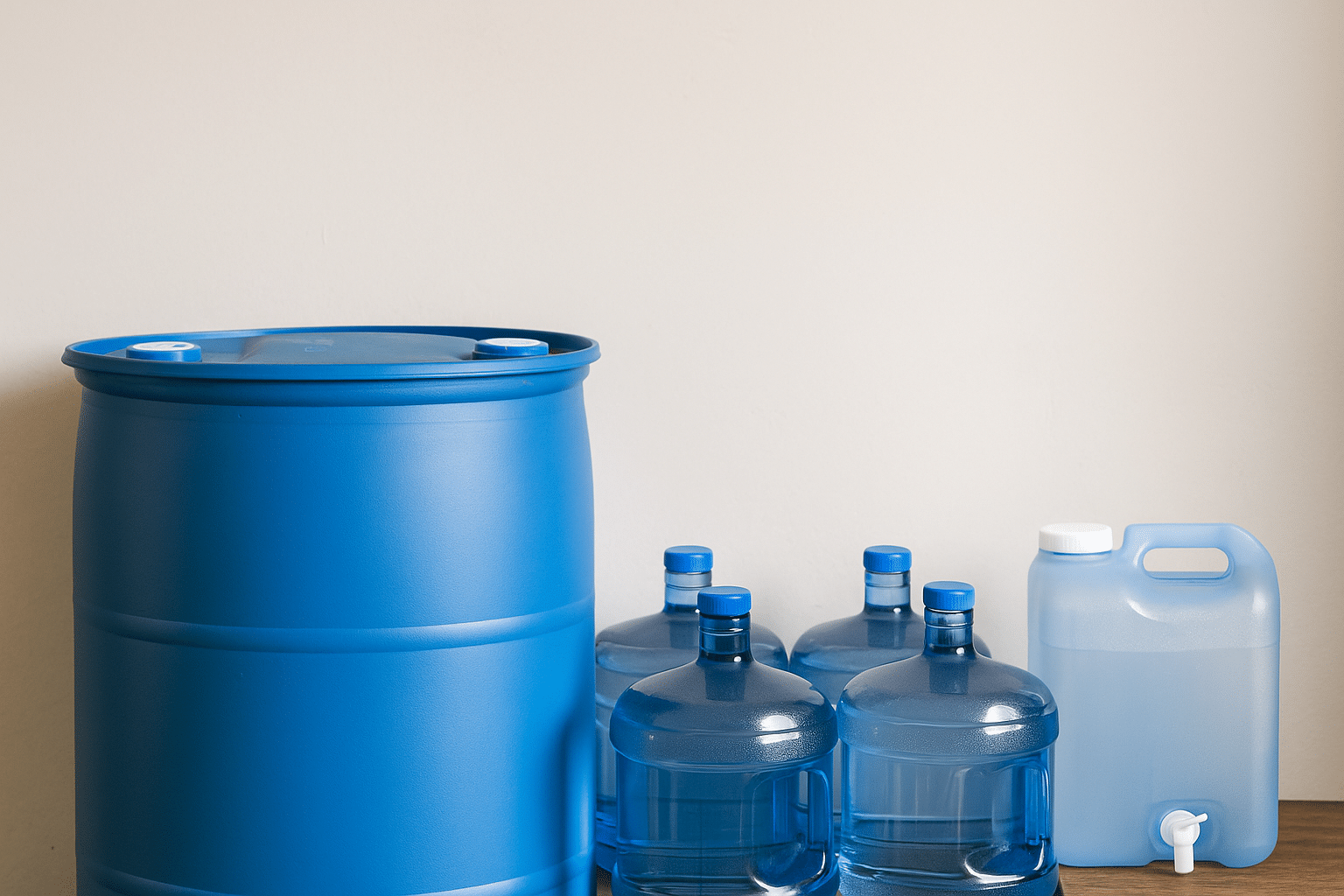
Long Term Water Storage: Complete Prepper Guide
Long-term water storage ensures your household has a reliable emergency supply when municipal systems fail during disasters, blackouts, or infrastructure breakdowns.
This post contains affiliate links. I may earn a small commission at no extra cost to you. Learn more.
This guide is part of our complete Water Purification & Storage Systems hub, where we break down filtration, storage, and real-world survival strategies.
Water is only one part of the system. If you’re building a full emergency setup, start with the complete Emergency Preparedness Plan here.
Long-term water storage is one of the most important parts of emergency preparedness. Without a dependable supply of clean water, survival becomes nearly impossible after just a few days. In this guide, we cover the exact quantities you need, the best storage containers, water treatment methods, ideal storage conditions, maintenance schedules, and essential gear so you can create a reliable water reserve that will last through any crisis.
Quick Start: The average family of four needs roughly 240 gallons for 30 days of secure water storage. Most households store far less than that.
Why Long-Term Water Storage Matters
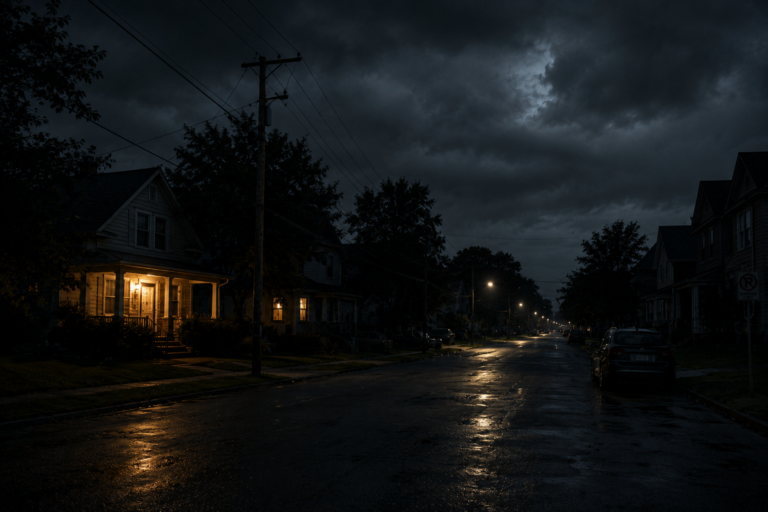
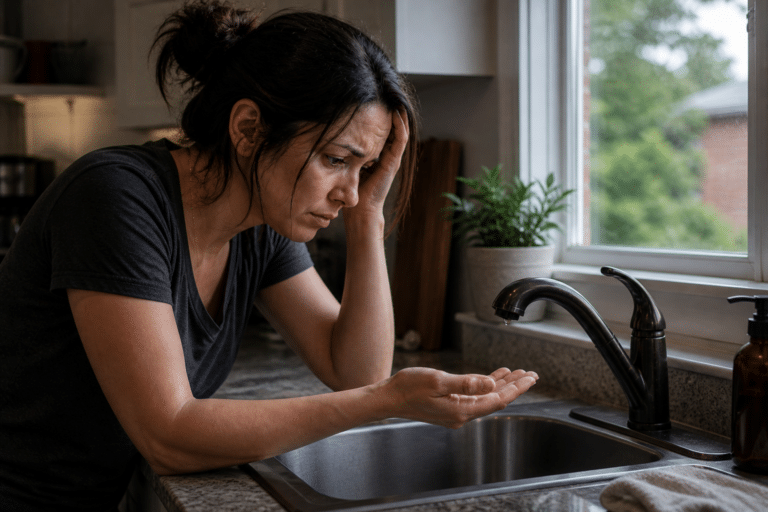
When disaster strikes, the tap can run dry without warning:
- Hurricanes can flood and contaminate reservoirs.
- Earthquakes can rupture pipelines.
- Power outages can shut down municipal pumps.
- Civil unrest can disrupt water treatment operations.
✅ Fact: After Hurricane Maria in Puerto Rico, residents were left without clean water for months. Some resorted to drinking from contaminated streams.
During the Flint, Michigan crisis, residents were without safe drinking water for years. History repeatedly demonstrates the critical importance of maintaining your own emergency water supply.
How Much Water Should You Store?
According to FEMA and the American Red Cross:
- Minimum: 1 gallon per person per day (½ gallon drinking, ½ for hygiene).
- Better: 2 gallons per person per day for comfort, cooking, and hygiene.
- Duration: At least 14 days stored; 30+ days for true readiness.
💡 Pro Tip: If you live in a hot climate, have kids, are pregnant, elderly, or anticipate high physical activity, increase storage by 50% or more.
Example Calculation:
Family of 4 × 2 gallons × 30 days = 240 gallons total.
Water storage should always be planned alongside emergency food reserves.
Our guide to survival foods that last the longest without refrigeration covers shelf-stable foods that pair well with stored water.
Include additional water for pets and livestock. Dogs typically require 1 ounce per pound per day, and larger livestock can need 5-10 gallons daily.
Consider also water for cooking, sanitation, and cleaning, as this will significantly impact your daily usage.
New to treatment and safety? Choose a method from Top 10 Water Purification Methods before you store it.
🧰 Essential Water Storage Gear (Recommended Setup)
Building a reliable long-term water reserve requires the right containers and support tools. Start with scalable storage, then add preservation and access gear.
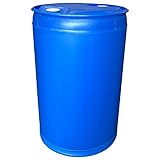
🛢 55-Gallon Food-Grade Water Barrel
Best for bulk household storage and long-term preparedness. Ideal for families building a 30-day reserve.
🧱 Stackable 5–7 Gallon Water Containers
Easier to rotate, move, and manage. Perfect for apartments, small homes, or staged storage.

🧊 Water Bricks (Modular Storage)
Compact, stackable, and ideal for limited spaces. Great for expanding storage gradually.

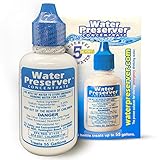
💧 Water Preserver Concentrate
Helps extend potable water life up to 5 years when used correctly. Recommended for long-term storage.
Pro Tip: Start with stackable containers if space is tight. Add a 55-gallon barrel once you’re ready to scale your storage capacity.
Types of Water Storage Containers
Your container choice affects water safety and longevity.
If you’re serious about long-term water security, the right storage containers and treatment tools are non-negotiable. Below are proven options used for real emergency preparedness.
🛢 Best Long-Term Storage Options:
1. 55-Gallon Food-Grade Barrel
- UV-resistant, BPA-free
- Stores large quantities
- Requires siphon or pump for access
2. Stackable 5–7 Gallon Containers
- Easier to move and manage
- Space-efficient
- Ideal for short-term emergency relocations
3. Water Bricks
- Stackable, portable, modular
- Ideal for apartments or limited spaces
Avoid:
- Milk jugs (they degrade quickly and harbor bacteria)
- Non-food-grade plastics (leach harmful chemicals)
- Containers previously used for chemicals or juices
No stove or fuel available? Use these non-boil purification tactics before sealing containers.
Preparing & Sanitizing Containers
Even new containers need sanitization before use.
🧼 Sanitization Steps:
- Wash with hot, soapy water.
- Rinse thoroughly.
- Sanitize using 1 teaspoon unscented bleach per quart of water.
- Shake container, ensuring all surfaces are coated.
- Allow the solution to stand for 30 seconds.
- Rinse well with clean water and air dry.
Regular sanitization prevents bacterial growth and contamination, extending the safe storage lifespan.
⚠️ If the Tap Shut Off Today…
Would your household have enough clean water for 14 days?
Start small. Add containers gradually. Every gallon stored is time bought during a crisis.
Water Treatment Before Storage
Treating water prior to storage enhances its safety over the long term.
✔️ Treatment Options:
- Bleach: Add 1/8 teaspoon (8 drops) per gallon. Wait 30 minutes before sealing.
- Boiling: For collected or questionable water, boil 1–3 minutes, then cool before storage.
Refer to CDC guidelines for more detailed instructions.
Ideal Storage Conditions
Location significantly impacts water longevity.
✅ Optimal conditions:
- Temperature-controlled environment (ideally 50–70°F)
- Away from direct sunlight to prevent algae growth
- Elevated off the ground using pallets or shelving
- Away from chemicals, paints, fuels, or pesticides
Avoid storing water in attics, garages, or outdoor sheds where extreme temperature fluctuations are common. Proper storage preserves taste and prevents microbial contamination.
Rotation and Maintenance Schedule
Regularly rotate and inspect stored water.
🔄 Every 6–12 Months:
- Check containers for leaks, cracks, or bulging
- Inspect water clarity and odor
- Rotate water, using older supplies for non-drinking purposes like gardening
Clearly mark each container with fill dates to streamline the rotation process. Routine inspections ensure your water supply remains safe and potable.
Special Climate Considerations
Hot Climates
- Store extra water to account for higher consumption rates
- Use opaque containers to reduce algae growth
Cold Climates
- Insulate containers or store indoors
- Leave space to allow water expansion if freezing occurs
Climate considerations ensure your water remains accessible and safe year-round.
Advanced Water Storage Solutions
For dedicated preppers or long-term preparedness:
Rainwater Harvesting Systems
- Setup includes gutters, first-flush diverters, and large storage tanks
- Always filter and disinfect harvested rainwater
Underground or Above-ground Cisterns
- Capable of storing hundreds to thousands of gallons
- Ideal for rural or homestead properties
Gravity-Fed Systems
- Elevated tanks provide running water without electricity
Some households also install backup power systems to keep well pumps and filtration systems running.
If you rely on electric water systems, see what size solar generator you need for a blackout.
Emergency Sources if Stored Supplies Run Low
Identify alternative water sources:
- Hot water heater (ensure power/gas shut-off before draining)
- Toilet tanks (if free of cleaners)
- Rain barrels and surface water (always purify before drinking)
During long outages, safe lighting becomes just as important as water access.
Our guide to the best emergency lights for power outages explains how to keep your home functional when the grid goes down.
Establishing backup sources ensures continuous availability in prolonged emergencies.
Water storage isn’t optional—it’s essential for survival. By proactively preparing and storing enough water correctly, you drastically improve your odds of enduring any disaster comfortably and safely. Start your water storage strategy today; future you will thank you.
Prefer low-tech approaches for off-grid setups? See Natural Water Purification Methods.
Stored water is only your first layer of defense. For long-term resilience, you need a full system that includes filtration, purification, and backup methods.
Once your stored supply runs low, your survival depends entirely on your ability to filter and purify new water sources.
💧 Backup Water Purification (When Storage Runs Out)
If your stored supply runs low, you’ll need a reliable purification method.
- Gravity Water Filter System – Ideal for families and long outages.
- Portable Survival Water Filter – Compact backup for bug-out bags.
- Water Purification Tablets – Lightweight emergency option.
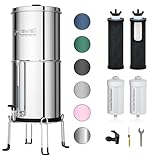

Portable filters are especially important for evacuation kits.
See our guide on building a 72-hour bug-out bag to make sure you have clean water even if you must leave home quickly.
Compare the pros and cons in our full guide:
Ultimate Water Purification Guide
Build a Practical 30-Day Water Setup
If you’re starting from scratch, here’s a simple, realistic approach:
- ✔ 2–4 Stackable 5–7 Gallon Containers (easy rotation)
- ✔ 1 55-Gallon Barrel for bulk backup
- ✔ Water Preserver Concentrate for long-term safety
- ✔ Manual Barrel Pump for clean access
This setup covers most families for extended outages without overcomplicating storage.
Frequently Asked Questions About Long-Term Water Storage
How long can water be stored safely?
Properly treated and sealed water stored in food-grade containers can last 6–12 months without rotation. With water preserver concentrate, storage can extend up to 5 years.
Can stored water go bad?
Water itself does not spoil, but contamination from containers, bacteria, or improper sealing can make it unsafe. Always inspect before use.
Is it better to store water or rely on filters?
Stored water should be your first line of defense. Filters are backup when storage runs out.
Can I store water in my garage?
Only if temperatures remain stable. Extreme heat or freezing reduces storage quality and can damage containers.
For full blackout planning, see our Winter Blackout Survival Guide.
You should also review our Emergency Heat Without Electricity guide if you’re preparing for winter outages.
Recommended Gear: See our complete Emergency Water Storage & Filtration Gear List for recommended containers, filters, purification tools, and backup water systems.
Conclusion: Secure Your Survival with Smart Water Storage
When disaster strikes, food and gear mean little without clean water. Long-term storage isn’t just a prepper luxury — it’s the backbone of survival planning. By calculating your family’s true needs, choosing the right containers, sanitizing properly, and sticking to a rotation schedule, you guarantee a reliable supply when the taps run dry.
Whether you’re filling a few stackable containers in an apartment or installing a full cistern system on rural land, the principle is the same: store more than you think you’ll need, and maintain it like your life depends on it — because it does.
Water storage is one of the simplest, most cost-effective steps you can take to safeguard your household. Start small if you must, but start today. Every gallon you put aside is a layer of insurance against the unknown.
Water planning is a core pillar of any complete emergency preparedness plan.
Further Reading
- Top 10 Water Purification Methods Reviewed – Compare pros/cons and pick what fits your kit.
- Natural Water Purification Methods – Primitive and low-tech options that work off-grid.
- How to Purify Water in the Wild Without Boiling – Field tactics when you can’t use heat.
- Ultimate Water Purification Guide – One-page strategy.