How to Store Food Without Refrigeration During a Blackout
Knowing how to store food without refrigeration during a blackout becomes critically important once refrigerators stop running and indoor temperatures begin climbing hour by hour.
This post contains affiliate links. I may earn a small commission at no extra cost to you. Learn more.
A short outage is usually manageable. A long-term blackout becomes something very different.
Once refrigeration disappears, food spoilage starts accelerating immediately, especially during summer heat waves when kitchens, garages, and pantry areas become significantly warmer than people expect. Meat begins warming faster than thermometers suggest. Dairy products separate and sour. Frozen foods slowly thaw from the outside inward even while appearing solid at first glance. Condensation builds inside refrigerators every time the doors open, creating additional moisture and bacterial growth that quietly shortens food life even further.
The problem becomes far more dangerous once supply chains also begin breaking down.
Grocery stores lose refrigerated inventory first. Ice becomes difficult to find within hours. Fuel shortages affect transportation and generator usage. Many families suddenly discover they stocked large amounts of refrigerated convenience foods but very little shelf-stable food capable of surviving a prolonged outage.
This is why serious preparedness plans focus heavily on building food systems that do not rely entirely on electricity.
The goal is building layered food storage strategies that continue functioning even if refrigeration disappears for days or weeks instead of simply storing random canned goods in a closet.
Anyone building a broader preparedness system should also review What Stops Working First in a Long-Term Blackout because refrigeration failures usually become one of the earliest major household problems during extended outages.
Quick Answer
Storing food without refrigeration during a blackout starts with protecting refrigerated and frozen food for as long as safely possible, then transitioning to shelf-stable foods that require little or no cooling. The best strategy combines smart food rotation, careful temperature management, efficient fuel use, and long-term pantry planning so your household remains fed even if electricity is unavailable for days or weeks.
✓ Key Takeaways
- Keep refrigerator and freezer doors closed as much as possible to preserve safe food temperatures.
- Eat refrigerated foods first, then frozen foods, before relying on long-term pantry supplies.
- Build your emergency food storage around shelf-stable foods instead of depending on refrigeration.
- Store food in cool, dry, dark locations and rotate supplies regularly.
- Food storage, water storage, cooking, and fuel planning should all work together as one preparedness system.
How to Store Food Without Refrigeration for Days During a Blackout
Food storage without refrigeration depends on temperature control, moisture control, food rotation, and realistic planning because most spoilage during blackouts happens when people panic, overload coolers, open refrigerators too often, or fail to understand how quickly indoor temperatures affect food safety.
The safest approach is building food systems around shelf stability first and refrigeration second, because that distinction becomes much more important once outages move beyond the first 24 hours.
💡 Pro Tip
Create a simple food priority list before an emergency happens. Divide your supplies into refrigerated foods, frozen foods, shelf-stable foods, and no-cook emergency foods. Knowing exactly what should be eaten first prevents unnecessary waste and eliminates stressful decision-making when the power goes out.
The First 24 Hours Are More Important Than Most People Realize
The first day of a blackout determines how much food your household ultimately loses.
Most refrigeration failures become far worse because families make poor decisions during the opening hours while power conditions are still uncertain.
People repeatedly open refrigerators to check temperatures. They begin cooking randomly without any organized food priority system. Ice gets wasted too early. Freezer doors stay open too long while people sort through food. Cold air escapes continuously while warm humid air enters the appliance over and over again.
Every one of those mistakes accelerates spoilage.
A closed refrigerator can usually maintain relatively safe temperatures for roughly four hours if the doors remain shut. A full freezer can often preserve food for around 48 hours under ideal conditions, while a half-full freezer may hold temperatures closer to 24 hours.
But those estimates depend heavily on indoor temperatures, freezer density, humidity levels, and how often the appliance gets opened.
During summer outages, refrigerators warm much faster than most online estimates suggest.
Sun-facing kitchens become heat traps. Apartments retain trapped heat overnight. Homes without air conditioning quickly develop indoor temperatures high enough to accelerate bacterial growth inside refrigerators even before the food itself feels warm to the touch.
This is why blackout food management should begin immediately rather than waiting to “see if the power comes back on soon.”
The smartest approach is creating a staged consumption plan the moment the outage begins.
Foods with the shortest safe window should be eaten first.
That usually includes:
fresh meat, leftovers, soft dairy products, opened condiments, eggs, fresh seafood, and prepared refrigerated meals.
Frozen foods should remain untouched initially unless the outage clearly appears long-term.
Many households make the mistake of immediately opening freezers and cooking frozen foods first, when preserving frozen temperatures early often provides more long-term flexibility later.

Anyone depending on generators to extend refrigerator life should also review How Much Fuel You Actually Need for a 2-Week Blackout because refrigeration fuel usage becomes one of the largest hidden fuel drains during extended outages.
Why Most Refrigerated Food Fails Faster Than People Expect
Food spoilage during blackouts is not caused only by heat because moisture and temperature fluctuation become equally dangerous once refrigeration cycles stop functioning normally.
Modern refrigerators are designed around continuous cycling. Once that cycle stops, internal humidity begins rising rapidly, especially in warm environments. Condensation forms on surfaces. Moisture builds inside drawers and containers. Cold zones disappear unevenly, creating pockets where bacteria multiply much faster.
Many foods also become unsafe before they visibly appear spoiled.
Milk may smell normal initially while temperatures already exceeded safe ranges. Meat may still feel cool while bacteria levels rise internally. Frozen foods often refreeze unevenly once intermittent generator power returns, creating dangerous thaw-refreeze cycles that compromise food quality and safety.
This is why blackout food storage cannot rely entirely on appearance or smell.
Temperature control matters more than visual inspection.
The danger zone for food safety generally falls between 40°F and 140°F. Once foods remain inside that range too long, bacterial growth accelerates rapidly.
Unfortunately, many households have no way to accurately track food temperatures during outages.
They guess.
And guessing leads to food poisoning risks at the exact moment medical access may already be strained during a large-scale emergency.
This becomes even more serious during regional disasters when emergency rooms, pharmacies, and transportation systems are already overwhelmed.
Anyone building broader household emergency systems should also review First 72 Hours After a Disaster because food preservation failures often become one of the earliest stress multipliers during infrastructure disruptions.
One of the smartest investments for blackout preparedness is simply having accurate refrigerator and freezer thermometers already installed before an outage begins.
Without them, households have almost no reliable way to determine what food remains safe.
📌 Did You Know?
Food often becomes unsafe before it shows obvious signs of spoilage. Harmful bacteria can multiply rapidly once temperatures rise above safe refrigeration levels, even if food still looks and smells normal. That’s why monitoring temperatures is far more reliable than relying on appearance alone.


The Foods That Actually Work Best During Long Blackouts
Long-term blackout food storage works best when built around foods that naturally tolerate unstable conditions rather than foods that constantly require refrigeration support.
This is where many preparedness plans quietly fail.
People stock snacks instead of sustainable calorie systems.
They buy random canned foods they never actually eat. They overload shelves with processed convenience foods that provide short-term comfort but very little nutritional balance once outages stretch into weeks.
The best blackout foods usually share several important traits.
They store well at room temperature.
They require little or no refrigeration after opening.
They tolerate moderate temperature swings.
They provide meaningful calories and hydration support.
And ideally, they require minimal cooking fuel.
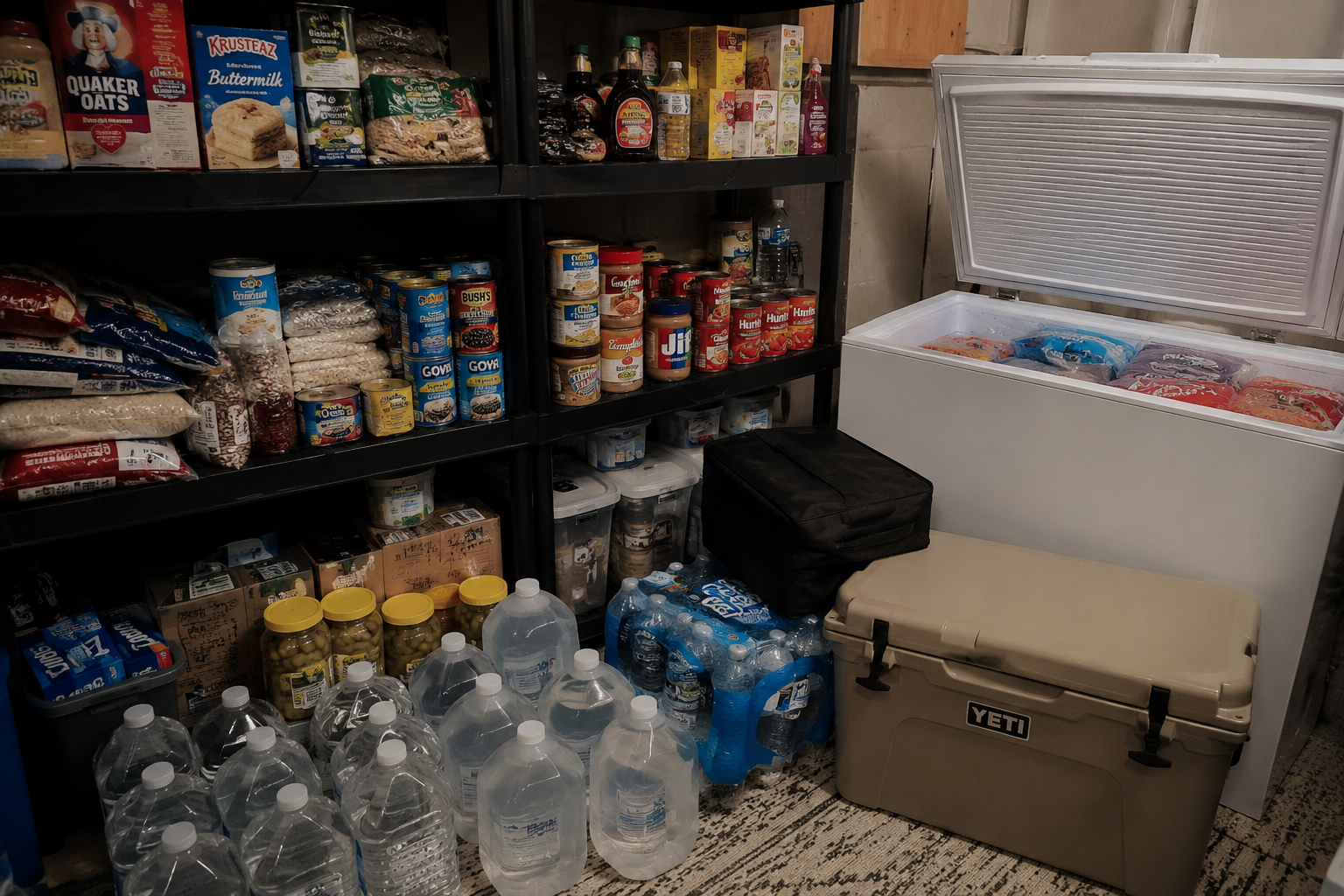
Rice, beans, oats, pasta, canned meat, canned vegetables, peanut butter, dry soup mixes, flour, shelf-stable milk, dehydrated potatoes, freeze-dried foods, and electrolyte drink mixes all perform far better during long outages than most refrigerated grocery items.
Freeze-dried food systems become especially valuable because they dramatically reduce spoilage risk while extending storage life for years instead of days.
Properly stored freeze-dried meals can survive temperature swings that would destroy refrigerated foods almost immediately.
That stability becomes extremely important once outages become unpredictable.
Water storage also becomes directly connected to food planning.
Many shelf-stable foods still require water preparation, cooking, or rehydration. Anyone building a serious blackout food plan should also review Long Term Water Storage | Complete Prepper Guide for Emergencies 2025 because food systems collapse quickly once water access becomes unreliable.

How to Keep Food Cooler Longer Without Constant Generator Power
One of the biggest mistakes households make during blackouts is assuming generators need to run continuously to preserve refrigerated food.
In reality, most families destroy their fuel reserves far faster than necessary because they never develop a rotation system for cooling appliances.
Refrigerators and freezers work more like insulated cold-storage boxes once temperatures are stabilized properly. The goal is maintaining cold conditions efficiently, not powering appliances nonstop every hour of the day.
This becomes critically important during outages that extend beyond several days because fuel availability usually becomes less predictable with time.
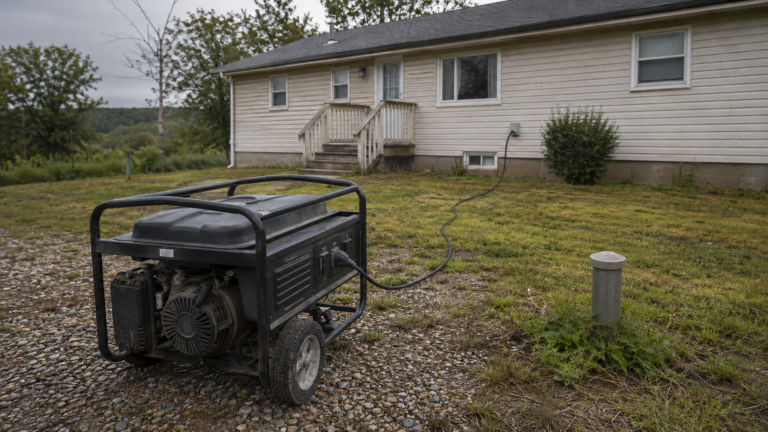
Gas stations may lose power. Fuel deliveries slow down. Long lines begin forming at functioning stations. Portable fuel storage disappears quickly from local stores. Households running generators continuously often discover they burned through a two-week fuel reserve in less than five days.
The smarter approach is controlled cooling cycles.
Instead of leaving refrigerators powered constantly, many experienced blackout households rotate generator usage strategically throughout the day to preserve temperatures while dramatically reducing fuel consumption.
A refrigerator that remains closed most of the time may only need periodic cooling cycles to maintain safer food temperatures, especially once unnecessary items have been removed and internal air space reduced.
Freezers perform even better when packed tightly because frozen food acts as additional thermal mass that slows temperature increases.
Water containers can also help stabilize freezer temperatures.
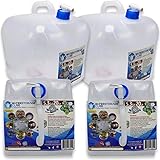
Frozen gallon jugs, reusable ice packs, and sealed water bottles help fill empty freezer space while extending cold retention significantly longer than partially empty freezers.
This is why many preparedness-minded households intentionally keep additional frozen water containers inside freezers year-round.
They serve multiple purposes during outages:
temperature stabilization, emergency drinking water once thawed, and supplemental cooler ice after transfer.
Anyone trying to reduce generator dependency during outages should also review Grid-Down Survival Power because fuel conservation becomes one of the most important long-term survival priorities once outages move beyond the first several days.
Coolers also become far more effective when households stop treating them like temporary picnic equipment.
High-quality coolers can preserve food surprisingly well if managed correctly.
The problem is that most people constantly open them, overload them with warm items, or mix food categories inefficiently.
A blackout cooler system should ideally separate foods by priority and usage frequency.
Frequently accessed foods should remain inside one cooler while long-term cold storage stays sealed inside another. Drinks should remain completely separate whenever possible because beverage access creates unnecessary temperature loss throughout the day.
Shaded placement matters as well.
Direct sunlight dramatically increases cooler temperatures even when ambient air temperatures appear manageable. Garages often become dangerously hot during summer outages. Vehicles become unusable for food storage unless nighttime temperatures remain unusually cool.
Basements, shaded concrete floors, and naturally cooler interior rooms generally perform much better for preserving cold storage conditions.
Some households also underestimate how quickly ice disappears during extended emergencies.
Store shelves empty fast during regional outages, especially during heat waves when entire communities suddenly compete for the same limited supplies.
This is one reason many serious preparedness plans prioritize shelf-stable food systems over trying to preserve large amounts of refrigerated food indefinitely.
The longer the outage lasts, the more valuable stable room-temperature food becomes.

Cooking Without Refrigeration Changes Everything About Food Planning
Most people focus heavily on storing food during blackouts but spend far less time thinking about how they will actually prepare it once kitchens lose power.
That becomes a serious problem very quickly.
Electric stoves stop functioning immediately during most outages. Microwaves become useless. Air fryers, coffee makers, toaster ovens, and many modern kitchen conveniences disappear all at once.
Suddenly, households must prepare meals using limited fuel, limited cookware flexibility, and often limited water.
This changes food planning entirely.
Foods that require long cooking times begin consuming valuable fuel reserves much faster than expected. Rice, dry beans, pasta, soups, and dehydrated meals all require heat sources that many households never properly tested before an emergency.
Fuel-efficient cooking becomes one of the hidden survival skills most households overlook.
Anyone building a broader emergency cooking setup should also review Campfire Free Ways to Cook Your Meals This Summer because blackout cooking often depends on alternative meal preparation systems once indoor kitchens stop functioning normally.
Portable propane stoves, butane cooktops, rocket stoves, solar ovens, and outdoor grills all create additional cooking flexibility during outages, but each comes with limitations.
Propane supplies eventually run low.
Charcoal disappears quickly from stores.
Outdoor cooking becomes difficult during storms, extreme heat, or high winds.
Improper indoor fuel usage also creates extremely dangerous carbon monoxide risks that increase dramatically during widespread blackouts.
This is why long-term blackout food systems work best when built around foods requiring minimal cooking overall.
Ready-to-eat foods become incredibly valuable once fuel conservation becomes necessary.
Canned meats, canned soups, protein bars, peanut butter, tortillas, crackers, trail mixes, shelf-stable milk, tuna packets, instant oats, and freeze-dried meals requiring only hot water dramatically reduce fuel demands compared to raw cooking ingredients that require extended boiling or baking.
Meal planning also becomes more strategic during outages.
Instead of cooking large complex meals multiple times daily, many households shift toward simpler calorie-dense meals that minimize fuel use while maximizing food longevity.
That transition feels uncomfortable initially for families accustomed to modern convenience cooking, but it greatly improves long-term sustainability during prolonged emergencies.
⚠ Important Warning
Never try to “save” questionable food simply because supplies are limited. During a prolonged blackout, food poisoning can become far more dangerous than the inconvenience of throwing food away. Medical care may be delayed, clean water may be limited, and dehydration from foodborne illness can quickly become a serious emergency. When refrigerated food has remained above safe temperatures too long, the safest decision is to discard it.

How to Build a Food Storage System That Survives Long-Term Outages
The biggest difference between temporary blackout preparation and true long-term preparedness is organization.
Most households technically already have food inside the home.
The problem is that almost none of it is structured for controlled long-term usage once refrigeration, resupply trips, and normal cooking routines disappear simultaneously.
Food storage systems fail when households cannot manage rotation, inventory, temperature exposure, or consumption rates under stress.
This is why serious preparedness plans focus on layered storage instead of relying on one massive stockpile approach.
A properly built blackout food system usually operates in stages.
The first layer includes immediate-use refrigerated foods that must be consumed quickly once power fails. The second layer includes frozen foods preserved as long as possible through controlled freezer management and fuel rotation. The third layer becomes the true long-term survival foundation: shelf-stable foods capable of lasting weeks or months without refrigeration support.
That final layer matters most.
Once outages move beyond several days, households that depend heavily on refrigerated food begin burning through fuel, ice, and remaining cold storage capacity at unsustainable rates.
Meanwhile, households with stable pantry systems can shift much more smoothly into long-term consumption without constantly fighting spoilage.
This is one reason many experienced preparedness households build their food storage around what they call “normal-use pantry rotation.”
Instead of storing random emergency food that never gets touched, they gradually expand the same shelf-stable foods they already eat regularly. Canned vegetables, canned meats, rice, pasta, oats, dry beans, soups, baking ingredients, coffee, electrolyte mixes, powdered milk, and cooking oils become part of a constantly rotating system rather than a forgotten emergency pile collecting dust in a closet.
That approach solves several major problems at once.
Food waste decreases because products get rotated naturally before expiration. Families remain familiar with the foods they store. Digestive issues become less likely during emergencies because diets do not suddenly change overnight. And households avoid spending thousands of dollars on survival food they may never realistically use.
Storage conditions matter just as much as food selection.
Heat destroys food quality far faster than many people realize.
Garages frequently become too hot for long-term food storage during summer months. Attics are even worse. Humidity damages packaging, encourages spoilage, and shortens shelf life dramatically. Sunlight exposure slowly degrades nutritional value while increasing internal storage temperatures inside containers and buckets.
Cool, dark, dry areas consistently perform best.
Interior closets, basement shelving, under-bed storage systems, dedicated pantry spaces, and climate-stable utility rooms usually provide much safer long-term conditions than garages or outdoor sheds.
Anyone building larger preparedness systems should also review Two-Week Power Outage Preparedness because food storage works best when integrated into a complete household survival plan instead of treated as a separate problem.
Container choice matters too.
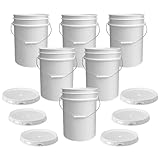
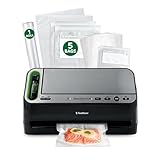
Rodents, insects, moisture, and temperature swings destroy improperly stored food surprisingly fast during long emergencies. Airtight containers, sealed buckets, oxygen absorbers, and heavy-duty shelving systems help protect long-term food reserves far more effectively than leaving products inside weak original packaging.
This becomes especially important once outages begin affecting sanitation, pest control, or indoor climate regulation across entire regions.
The Psychological Side of Blackout Food Storage Most Households Ignore
Long-term food storage is not only a logistical challenge.
It is also a psychological one.
Many households dramatically underestimate how stressful food uncertainty becomes once normal routines disappear for days at a time.
Refrigerators warming up create constant anxiety. Grocery shortages create panic buying. Families begin rationing unpredictably, children become stressed once familiar foods disappear, and small frustrations escalate much faster inside overheated homes running on poor sleep and unstable routines.
Food becomes emotional very quickly during emergencies.
This is one reason blackout food planning should never focus entirely on survival calories alone.
Morale, comfort foods, and familiar routines all become more important than many households expect once outages stretch into multiple days.
Coffee, simple desserts, shelf-stable snacks, drink mixes, seasonings, and familiar meal ingredients all help maintain psychological stability during prolonged outages far more than many preparedness guides acknowledge.
The goal is creating sustainability, not simply endurance.
Households perform much better during extended disruptions when meals still feel somewhat normal instead of turning every day into survival-mode deprivation.
This becomes especially important for children, elderly family members, and anyone already dealing with stress or medical conditions during a disaster.
Organization also reduces panic significantly.
When households know exactly what food exists, how long it should last, and how meals will be prepared, decision fatigue drops dramatically. People stop opening storage containers constantly. Waste decreases. Fuel usage becomes easier to calculate. Water planning improves naturally alongside food management.
Many preparedness failures actually begin with uncertainty rather than shortages.
People panic because they lose visibility over what resources remain available.
This is why inventory systems matter more than most people expect.
Even a simple written list of stored foods, expiration dates, fuel supplies, and water reserves can dramatically improve decision-making during outages.
Anyone preparing for larger infrastructure failures should also review How Fast Society Changes During a Long-Term Power Outage because food shortages and supply instability often create major psychological pressure long before true starvation ever becomes the problem.
One of the smartest things households can do before an emergency is practice.
Run short “no refrigeration” weekends.
Cook using only backup cooking systems.
Test shelf-stable meals.
Track fuel usage realistically.
See what foods actually get eaten and what foods sit untouched.
Those small tests expose weaknesses in preparedness plans far earlier than discovering them during a real regional blackout.
🚨 Emergency Scenario
Imagine a severe storm leaves your community without power for several days during the middle of summer. Grocery stores have already sold out of ice, gas stations are crowded, and your refrigerator has been warming for hours. Families who planned ahead begin cooking refrigerated foods, rotating freezer items, and transitioning to shelf-stable meals while conserving fuel and water. Households without a food management plan are forced to guess what is still safe to eat, wasting valuable supplies or risking foodborne illness at the worst possible time.
☑ Blackout Food Storage Checklist
- ☑ Keep refrigerator and freezer doors closed as much as possible.
- ☑ Eat refrigerated foods before frozen foods whenever safe to do so.
- ☑ Maintain a pantry of shelf-stable foods your family already eats.
- ☑ Store food in cool, dry, dark locations whenever possible.
- ☑ Keep refrigerator and freezer thermometers installed year-round.
- ☑ Rotate food supplies before they expire.
- ☑ Store enough water for cooking, drinking, and sanitation.
- ☑ Practice preparing meals without electricity.
- ☑ Avoid relying entirely on generator-powered refrigeration.
- ☑ Include food storage as part of your overall blackout preparedness plan.
What Food Is Actually Worth Saving During a Long Blackout
One of the hardest parts of a prolonged outage is knowing when to stop trying to preserve refrigerated food and begin transitioning fully into shelf-stable survival mode.
Many households waste enormous amounts of fuel, ice, and time attempting to save foods that simply are not worth the long-term resource drain.
This becomes more obvious as outages continue.
A refrigerator full of highly perishable food can quietly consume huge amounts of generator runtime while providing very little long-term sustainability compared to shelf-stable reserves that require no refrigeration at all.
That does not mean refrigerated food should automatically be discarded early.
It means households need to think strategically.
Dense calorie foods, expensive proteins, bulk frozen meats, and difficult-to-replace supplies usually deserve higher preservation priority than low-calorie convenience items or partially used condiments that consume valuable cold-storage space.
Freezers also tend to provide far more long-term value than refrigerators during extended outages because frozen food can remain usable much longer if temperatures stay controlled properly.
This is why many preparedness-focused households eventually consolidate remaining high-value foods into coolers or freezers while allowing less critical refrigerated items to be consumed first or discarded once temperatures become unsafe.
The longer outages continue, the more important efficiency becomes.
Some foods are also surprisingly resilient.
Hard cheeses often last longer than people expect if protected from excessive moisture and heat. Butter generally tolerates moderate room temperatures better than many refrigerated products. Certain fruits and vegetables store well temporarily without refrigeration if kept cool and dry. Unwashed eggs can sometimes last longer under stable conditions than heavily processed refrigerated foods that spoil quickly once temperatures rise.
Meanwhile, some foods become unsafe much faster than people realize.
Seafood, soft dairy products, deli meats, cooked leftovers, mayonnaise-heavy dishes, and thawed frozen meals often become dangerous rapidly once refrigeration becomes unstable.
One serious mistake households make during blackouts is trying to “stretch” questionable food too long because they fear wasting supplies.
Food poisoning during a major outage can become extremely dangerous.
Medical care may already be strained. Dehydration risks increase faster during heat waves. Pharmacies may be closed. Emergency response times may slow dramatically if outages affect large regions simultaneously.
Throwing away questionable food sometimes becomes the safer survival decision.
Anyone preparing for broader outage conditions should also review What Runs Out First in a Blackout? because refrigeration failures usually overlap with fuel shortages, water stress, supply chain disruptions, and sanitation problems far earlier than most households expect.
Ultimately, the safest long-term blackout food strategy is reducing dependence on refrigeration altogether rather than trying to preserve modern grocery habits indefinitely.
The households that adapt fastest usually perform best.
⚡ Free Blackout Preparedness Planner
Not sure where your blackout plan is weak? Download the FREE 17-page planner and organize your water, food, fuel, medical supplies, communication plan, and evacuation strategy.
Final Thoughts
Modern households rely on refrigeration so heavily that most people never think seriously about food storage until the power suddenly disappears.
By then, the clock is already running.
Every hour without electricity changes food temperatures, fuel usage, water needs, and long-term planning decisions. Refrigerators warm faster during summer heat than most people realize. Grocery stores lose refrigerated inventory quickly. Ice becomes difficult to find. Generator fuel disappears faster than expected. And households without shelf-stable backup systems often begin making poor decisions under stress.
This is why blackout food preparedness works best when built in layers.
Use refrigerated foods strategically during the opening hours. Preserve frozen foods carefully if fuel reserves allow it. But build the true long-term system around stable foods that can survive without electricity entirely.
The households that manage outages best are usually not the ones with the largest refrigerators.
They are the ones with the most flexible systems.
Anyone building a complete emergency readiness plan should start with Emergency Preparedness Plan 2026: The Complete Survival Framework because food storage becomes much easier once power, water, cooking, communication, and fuel planning are all working together as part of one organized survival system.

📚 Continue Reading
Food storage is only one part of preparing for a prolonged blackout. Continue strengthening your emergency plan with these related guides.