Could a Cyberattack Shut Down Power, Water, and Cell Service? What Americans Should Prepare for Now
A cyberattack on critical infrastructure does not have to disable the entire country to create a serious emergency. If attackers disrupt a local water utility, electrical provider, cellular network, fuel distributor, or payment processor, thousands of households could suddenly lose access to services they depend on every day.
This post contains affiliate links. I may earn a small commission at no extra cost to you. Learn more.
This is no longer a purely hypothetical concern. Federal agencies have warned infrastructure operators about ongoing attempts to access the computerized equipment used to control drinking-water, wastewater, energy, and other essential systems. Recent incidents affecting American water utilities have primarily caused operational disruptions rather than widespread contamination, but they demonstrate how a digital attack can create physical problems for a community.
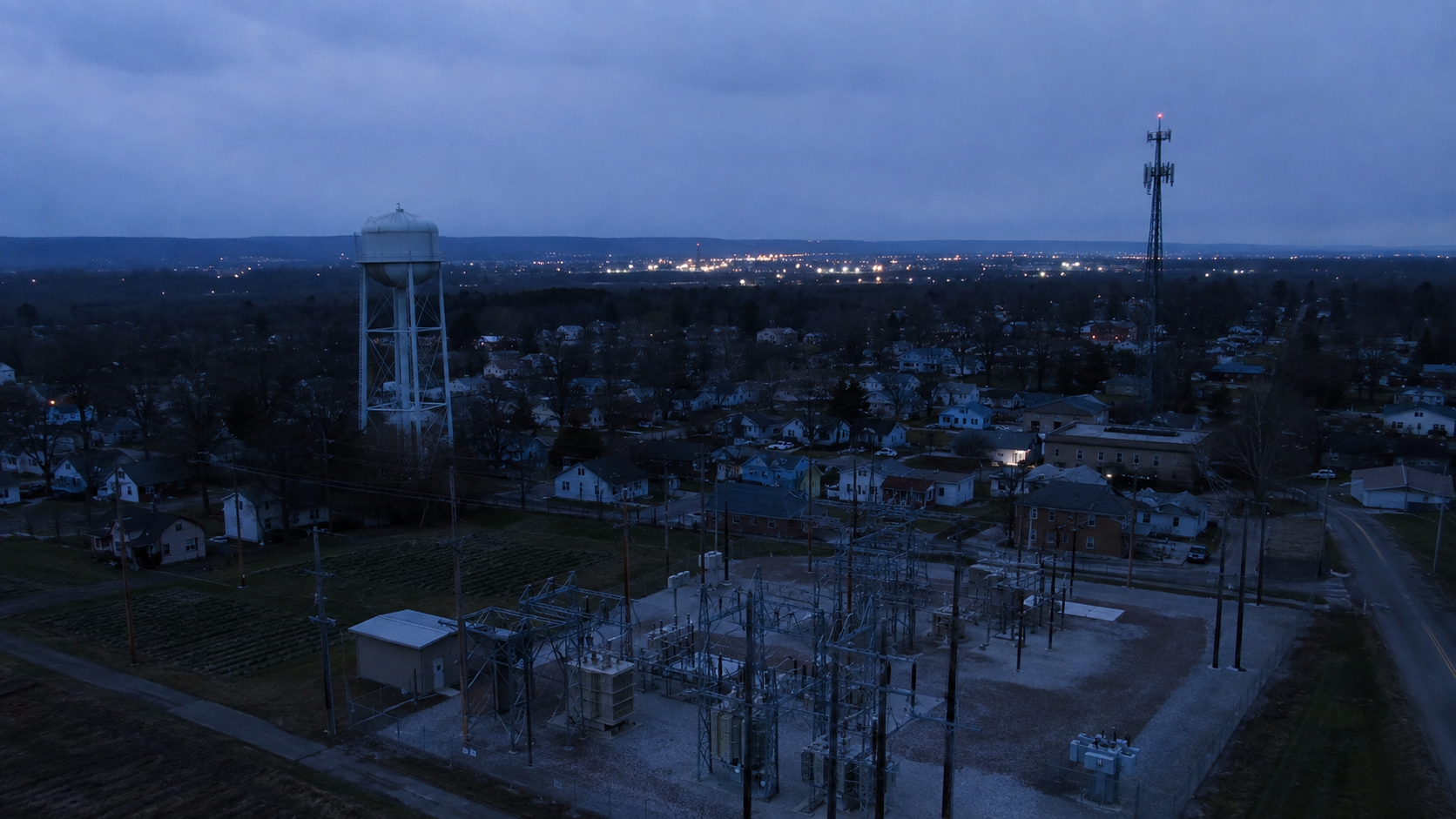
The most realistic scenario is not every utility in America failing simultaneously. A regional or local interruption is considerably more likely. However, modern infrastructure is highly interconnected. Water pumps require electricity, cell towers rely on backup power, gas stations need working pumps and payment systems, and grocery stores depend on refrigeration, communications, and regular deliveries. A failure in one system can quickly begin affecting others.
Families do not need to panic, empty their bank accounts, or purchase a bunker to prepare for this threat. The practical preparations are largely the same ones needed for a severe storm or extended blackout: stored water, shelf-stable food, emergency cash, backup lighting, reliable communication, necessary medications, and a plan for losing basic utilities.
This guide explains what an infrastructure cyberattack could realistically disrupt, how the effects might develop over the first several days, and what ordinary households can do now to remain safe without falling for rumors or fear-driven advice.
⚡ Quick Answer
A cyberattack is more likely to cause a temporary local or regional disruption than a nationwide collapse. The most useful response is to prepare for several days without reliable water, electricity, cellular service, fuel pumps, or electronic payments. These same preparations will also protect your household during storms, equipment failures, and ordinary blackouts.
📌 Key Takeaway
The realistic threat is not hackers instantly turning off the entire United States. It is a local or regional attack interrupting an essential service long enough to affect drinking water, electricity, communications, shopping, fuel access, or sanitation. Preparing for that level of disruption is practical, affordable, and useful for many other emergencies.
Can a Cyberattack Really Shut Down Critical Infrastructure?
Yes, a cyberattack can interrupt essential infrastructure, but that does not mean hackers can flip a single switch and shut down the entire country. American power, water, telecommunications, and fuel systems are operated by thousands of separate public agencies and private companies. This separation makes a simultaneous nationwide shutdown extremely difficult, but it does not prevent attackers from disrupting individual utilities or regional service providers.
Modern utilities depend on computers to monitor equipment, adjust operating conditions, detect problems, and control physical processes. Water plants use computerized systems to operate pumps, maintain pressure, monitor chemical levels, and move wastewater. Electrical providers use similar technology to balance supply and demand, operate substations, and isolate equipment when problems develop.
If attackers gain access to one of these systems, they may be able to interrupt normal operations, alter information displayed to employees, disable equipment, or force the utility to shut down affected systems as a precaution. An attack on billing, communications, or administrative networks can also disrupt service even if the equipment controlling the utility remains operational.
Cyberattacks Versus Physical Attacks
A cyberattack targets computers, communications networks, software, or internet-connected control equipment. A physical attack damages equipment directly, such as transformers, transmission lines, pumping stations, cellular towers, or fuel pipelines. Both can cause outages, but physical damage generally takes longer to repair because replacement parts and crews must be brought to the site.
A cyberattack may be resolved by isolating infected systems, restoring backups, changing access credentials, or temporarily operating equipment manually. However, recovery can still take days if operators must determine what was compromised and confirm that the system is safe before bringing it back online.
Why Smaller Utilities Can Be Particularly Vulnerable
Large utility companies generally have dedicated cybersecurity employees, monitoring systems, backup facilities, and detailed emergency procedures. Smaller municipal and rural utilities may operate with limited staff, older equipment, smaller budgets, and outside contractors who access systems remotely.
In July 2026, the FBI reported cyber incidents affecting water and wastewater utilities in at least seven states. Some of that activity degraded water operations, demonstrating that attacks on industrial equipment can move beyond stolen data and interfere with physical services.
A Local Disruption Is More Likely Than a Nationwide Collapse
Most successful infrastructure attacks would probably affect a particular utility, city, service provider, or type of equipment. The effects could still be serious for the people living there, especially if the disruption occurs during extreme heat, freezing weather, flooding, or another emergency.
Utilities also have safety systems, backup equipment, manual controls, mutual-aid agreements, and procedures for separating compromised networks. These protections cannot prevent every outage, but they make the sudden collapse of every major system far less likely than alarming social-media posts often suggest.
What Could Stop Working During an Infrastructure Cyberattack?
The effects of an infrastructure cyberattack depend on which organization is targeted, what systems attackers reach, and how quickly operators isolate the problem. One incident might cause nothing more than delayed billing or an unavailable website. Another could force a utility to stop pumps, disconnect equipment, or temporarily suspend service while technicians determine whether its control systems are safe.
Households may also experience secondary failures that were not directly targeted. A cyberattack against an electrical provider, for example, could eventually affect water pressure, cellular service, gas stations, stores, and electronic payments. Understanding these connections makes it easier to prepare for the problems most likely to reach your home.
Drinking Water and Wastewater Systems
Water utilities rely on computerized equipment to operate pumps, monitor storage tanks, maintain pressure, control treatment processes, and move wastewater. If operators lose access to these systems or cannot trust the information being displayed, they may shut down part of the system until it can be inspected.
Customers could experience reduced pressure, interrupted service, conservation orders, boil-water advisories, or warnings not to use the water. Loss of pressure is especially concerning because cracks and leaks can allow contaminants to enter water lines. Wastewater problems could also develop if sewage pumps or treatment equipment stop operating.
This does not mean every cyberattack will contaminate the water supply. Utilities have testing procedures, alarms, manual controls, and safety protocols designed to prevent unsafe water from reaching customers. However, families should never assume that water is safe merely because it still comes from the faucet. Follow the exact instructions in local alerts.
Your household should already know how long city water may continue working during a power outage because many of the same pumping and pressure problems can develop during a cyber-related shutdown.
Electrical Power
A successful attack against an electrical provider could interrupt monitoring, billing, communications, generation, or power-distribution systems. Operators may intentionally disconnect affected equipment to keep a problem from spreading or to protect transformers and other expensive components from damage.
The result could be a brief outage, rotating outages, or a longer regional blackout. Restoration time would depend on whether attackers only disrupted software or caused physical equipment to malfunction. Computer systems can sometimes be restored from clean backups, while damaged transformers, substations, or control equipment may require specialized crews and replacement parts.
Even homes with natural gas may lose heating, hot water, or cooking ability because many modern gas appliances require electricity for electronic ignition, thermostats, blowers, controls, or venting. The guide explaining what happens to natural gas during a blackout covers which household appliances are likely to continue operating.
Cellphone and Internet Service
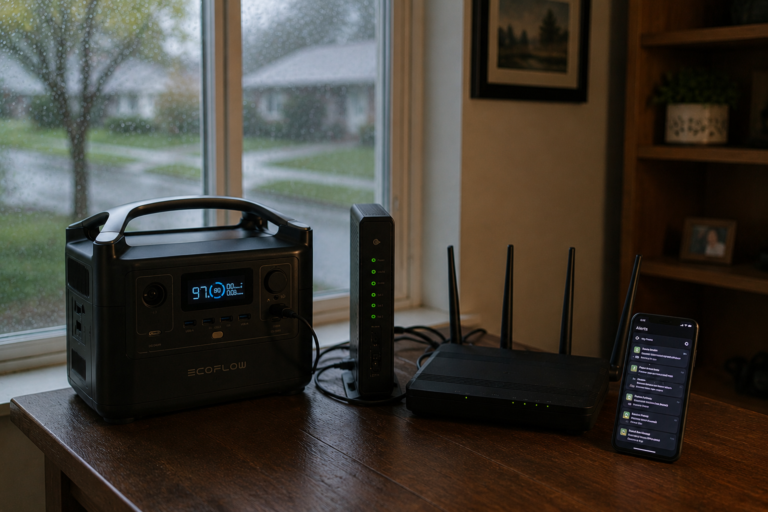
A cyberattack could directly target a telecommunications provider, but communication can also deteriorate after an unrelated power failure. Home routers stop immediately unless connected to backup power. Cable and fiber equipment located throughout the community may continue operating temporarily, depending on available batteries or generators.
Cell towers usually have some form of backup power, but their endurance varies. At the same time, thousands of residents may begin calling relatives, checking outage maps, streaming news, and refreshing social media. This sudden increase in traffic can congest the network even while the towers remain operational.
Calls may fail while text messages continue getting through, and mobile data may become extremely slow or unavailable. Your household should not assume that a charged phone guarantees communication. The communication failure timeline explains how phone and internet service can change over the first 72 hours of an extended outage.
Gas Stations and Fuel Distribution
A gas station can have thousands of gallons of fuel underground and still be unable to sell it. Electric pumps are needed to move fuel from storage tanks into vehicles, while internet connections and payment networks are commonly required to authorize card transactions.
A cyberattack against a fuel distributor, pipeline operator, electrical provider, payment processor, or the station’s own computer network could interrupt sales. Stations with generators may continue operating, but they can quickly attract long lines and run out of popular fuel grades.
Delivery interruptions create an additional problem. Tanker trucks depend on working terminals, dispatch systems, drivers, passable roads, and functioning stations. A prolonged disruption can therefore cause fuel shortages far beyond the organization originally attacked.
ATMs, Banks, and Credit-Card Payments
Electronic payments require several separate systems to communicate. The store needs power and internet access, the payment processor must be online, and the customer’s financial institution must authorize the transaction. A failure anywhere along that chain can cause a card to be declined even when the account has sufficient funds.
ATMs may also become unavailable because of power loss, network problems, direct cyberattacks, or depleted cash. Bank branches could limit services while employees verify transactions and protect customer accounts.
This is why keeping a reasonable amount of small bills at home is useful. It is not a reason to drain a bank account or store thousands of dollars in an unsecured location. The guide on how much emergency cash to keep at home can help families choose an amount based on their actual needs.
Grocery Stores and Pharmacies
Stores depend on electricity, refrigeration, payment processing, inventory software, communications, warehouses, and regular deliveries. A direct attack against one retailer could interrupt its operations, while a larger power or telecommunications failure could affect numerous businesses across the same region.
A store may remain open for cash purchases, restrict the number of customers allowed inside, or close completely until its systems are restored. Refrigerated and frozen products may be removed from sale if employees cannot confirm that they remained at safe temperatures.
Pharmacies face an additional challenge because prescriptions are commonly processed through computerized systems involving doctors, insurers, distributors, and controlled-medication records. People who depend on daily medication should avoid waiting until their last dose to request a refill. During a disruption, even a fully stocked pharmacy may be unable to verify or dispense certain prescriptions immediately.
⚠️ Common Mistake
Do not assume that every failed card reader, cellphone outage, loss of water pressure, or local blackout proves that a cyberattack is underway. Equipment failures, storms, damaged cables, software updates, and ordinary accidents cause similar problems. Treat the service interruption seriously, but wait for confirmation from the affected utility, local emergency management, or another reliable official source before repeating claims online.
What Would an Infrastructure Cyberattack Actually Look Like?
An infrastructure cyberattack may not begin with a dramatic nationwide blackout or an emergency announcement. The first sign could be a utility website going offline, an unexpected loss of water pressure, repeated payment failures, or a local service interruption that officials are still trying to diagnose.
There is no universal cyberattack timeline. A disruption affecting one small water utility would develop differently from an attack against a regional electrical provider or national telecommunications company. The following timeline shows what a household might realistically experience if a cyber incident interrupts one or more essential services.
The First Warning Signs
Early information may be incomplete or contradictory. A utility might initially describe the problem as a technical issue while investigators determine whether unauthorized access occurred. Residents could receive an emergency alert, boil-water advisory, conservation request, outage notification, or instruction to avoid using a particular service.
Other warning signs may include multiple official websites becoming unavailable, unusually widespread payment problems, sudden service interruptions across neighboring communities, or statements from local emergency management. None of these issues proves that a cyberattack occurred. Storm damage, failed equipment, severed communication lines, and software errors can produce many of the same symptoms.
Instead of trying to diagnose the cause yourself, focus on the services that are unavailable and the instructions issued by local officials. The immediate household response to lost water or electricity is largely the same whether the cause is malicious activity, equipment failure, or severe weather.
The First 24 Hours
During the first several hours, most households will still have useful resources available. Phones are charged, vehicles contain fuel, refrigerated food remains cold, and some nearby stores may still be open. This is the time to confirm the affected area, check on family members, preserve phone batteries, gather supplies already inside the home, and follow official utility updates.
If water service is threatened but officials have not issued a do-not-use notice, fill clean containers while water pressure remains available. If electricity is out, keep refrigerator and freezer doors closed. Unplug sensitive electronics to protect them from possible surges when service returns.
Avoid unnecessary driving or rushing to stores. Roads around gas stations, grocery stores, schools, and major intersections may become congested, particularly if traffic lights or payment systems are unavailable. Your first priority is stabilizing your household, not joining a crowd that may be responding to incomplete information.
After 24 to 72 Hours
If the disruption continues, temporary inconveniences begin becoming practical household problems. Phone batteries run down, refrigerated food approaches unsafe temperatures, stored water gets used, and people begin searching for fuel, ice, cash, medication, and reliable information.
Communication may become less dependable as backup batteries are depleted and networks remain congested. Businesses that opened immediately after the incident may close because they cannot process payments, replenish inventory, refrigerate food, or keep employees on-site.
Local emergency resources may also become strained. Crews must investigate affected systems, distribute public information, assist vulnerable residents, and respond to normal emergencies at the same time. Your household should be prepared to manage its basic needs independently throughout this period. The complete guide to the first 72 hours after a disaster provides a more detailed plan for water, food, communication, power, and medical needs.
If the Disruption Lasts a Week
A week-long interruption would create more serious problems, but the outcome would still depend heavily on which systems failed. One community might have electricity but remain under a water restriction. Another could have safe water but limited cellphone coverage, closed banks, or fuel shortages.
By this stage, households must carefully manage stored water, shelf-stable food, generator fuel, medications, batteries, sanitation, and transportation. People with electrically powered medical equipment or temperature-sensitive medications may need outside assistance or temporary relocation.
Officials may establish water-distribution sites, charging locations, shelters, cooling or warming centers, and other emergency services. However, availability could vary, and long lines should be expected. Your plan should not depend entirely on immediate government distribution or a daily trip to the store.
The article explaining what happens after seven days without power covers the household challenges that develop once an outage moves beyond the normal short-term emergency window.
🚨 Emergency Scenario
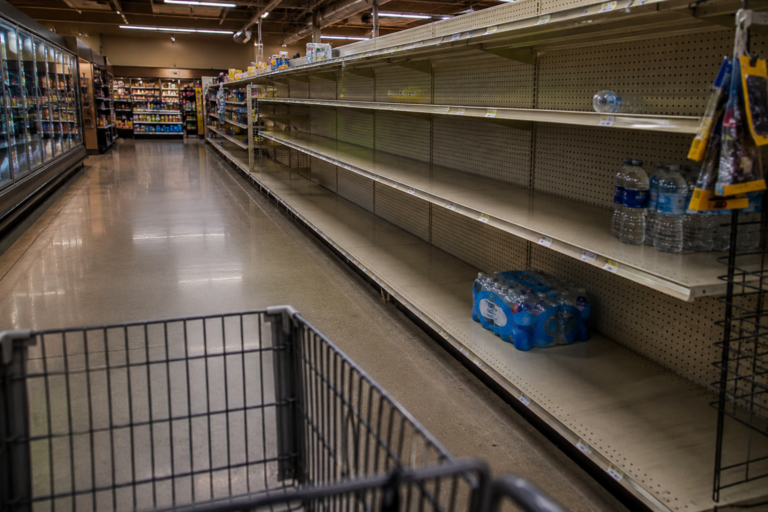
At 8:30 a.m., residents in several nearby towns lose water pressure and receive notices asking them to conserve water. By noon, officials confirm that the regional utility disconnected part of its computerized control system after detecting unauthorized activity. Electricity and cellphone service remain available, but stores quickly sell through bottled water. A prepared household does not need to join the rush. It verifies the notice, separates drinking water from sanitation water, checks stored supplies, fills approved containers if officials say the tap water remains safe, and prepares to remain self-sufficient until the utility restores normal operations.
Could Power, Water, and Communications Fail at the Same Time?
Yes, several services can fail during the same emergency even if attackers directly target only one organization. Modern infrastructure systems depend on one another. Electricity powers pumps and communication equipment, telecommunications connect payment processors and utility controls, and fuel deliveries keep backup generators operating.
Electricity is one of the most important dependencies. Municipal water systems use powered pumps to move water, maintain pressure, operate treatment equipment, and pump sewage. Cell towers, internet equipment, grocery stores, pharmacies, gas stations, banks, and traffic signals also depend on electricity.
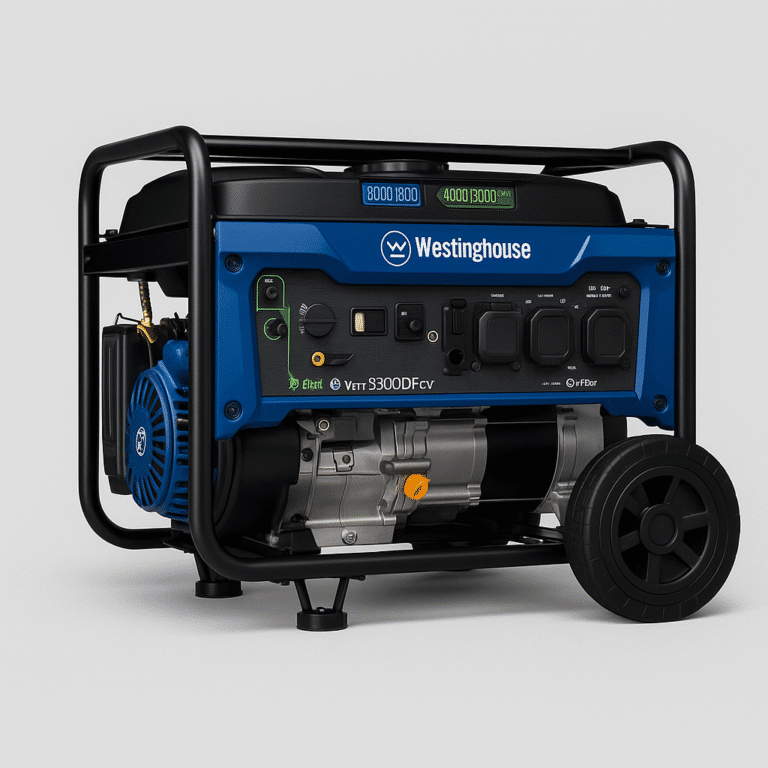
Many facilities have generators or batteries, but backup power is temporary. Batteries eventually discharge, while generators require fuel, maintenance, ventilation, and employees who can reach the site. A generator also does not solve damaged communication lines, compromised software, or unavailable replacement equipment.
Communications create another dependency. Utility employees use phone, radio, internet, and specialized data networks to monitor equipment, dispatch crews, coordinate repairs, and communicate with the public. If those networks become unreliable, the physical equipment may still work while restoration and emergency response become slower.
| Initial Failure | Possible Secondary Effects |
|---|---|
| Electrical outage | Water pressure drops, cell-site batteries drain, gas pumps stop, and stores lose refrigeration. |
| Telecommunications outage | Card payments fail, utility monitoring becomes harder, and public warnings are delayed. |
| Fuel-distribution interruption | Backup generators, utility vehicles, delivery trucks, and emergency operations become harder to sustain. |
| Water-system interruption | Homes, hospitals, restaurants, schools, fire departments, and sanitation services face restrictions. |
| Payment-network outage | Customers cannot easily purchase fuel, food, medication, or emergency supplies. |
A cascading failure does not guarantee that every service will completely stop. Water pressure may weaken instead of disappearing, calls may fail while text messages still work, and some cash-only businesses may remain open. Conditions can also vary significantly between neighboring communities.
This is why a complete preparedness plan should address more than electricity. The Blackout Survival Hub connects household plans for water, food, backup power, communication, sanitation, and other problems that often develop together.
💡 Savvy Tip
Plan around the service you would miss most, not the event that might cause it. Stored water helps during a cyberattack, broken water main, chemical spill, or blackout. Emergency cash helps during a payment-network failure, internet outage, or hurricane. Preparing for the consequences gives your supplies value across many different emergencies.
How Much Should a Household Store?
A household does not need a year of specialized survival supplies to withstand a temporary infrastructure disruption. A more realistic starting point is enough water, food, medication, lighting, and other necessities to remain home for at least three days without shopping. Once that basic supply is complete, gradually extend it to seven days and eventually two weeks.
The correct amount depends on household size, climate, medical needs, available storage space, and whether anyone relies on electrically powered equipment. Families with infants, older adults, pets, or people with health conditions will generally need more than a basic emergency-kit list suggests.
Emergency Water
Ready.gov recommends storing at least one gallon of water per person per day for several days. That amount is intended to cover drinking and limited sanitation, not normal showers, laundry, dishwashing, or toilet flushing.
| Household Size | 3-Day Minimum | 7-Day Supply | 14-Day Supply |
|---|---|---|---|
| 1 person | 3 gallons | 7 gallons | 14 gallons |
| 2 people | 6 gallons | 14 gallons | 28 gallons |
| 4 people | 12 gallons | 28 gallons | 56 gallons |
| 6 people | 18 gallons | 42 gallons | 84 gallons |
More water may be necessary during extreme heat, pregnancy, illness, heavy physical activity, or when preparing dried emergency food. Pets need their own supply as well. Store water in food-grade containers, protect it from chemicals and extreme temperatures, and inspect containers regularly for leaks or damage.
If storage space is limited, begin with a three-day drinking supply and add containers gradually. The complete guide to how long stored water lasts explains container selection, storage conditions, treatment, and rotation.
Food That Requires Little Water or Cooking
Store foods your household already eats instead of building the entire supply around expensive emergency meal buckets. Canned meat, fish, beans, vegetables, fruit, soups, peanut butter, crackers, shelf-stable milk, ready-to-eat grains, protein bars, and similar foods can be used without extensive cooking.
A three-day food supply is the minimum starting point, but seven to fourteen days provides far more flexibility during an extended utility or payment-system outage. Include a manual can opener and account for allergies, medical diets, infant needs, and pet food.
Do not base the plan entirely on dry beans, rice, and pasta unless you have enough safe water and fuel to prepare them. During a water interruption, cooking food that requires boiling can consume water your family needs for drinking. Use the 30-Day Emergency Food Calculator to estimate calories and pantry quantities for your household, even if you initially plan to store only one or two weeks.
Emergency Cash
Electronic payment systems can fail even when stores remain open. Keep enough cash in small bills to cover several days of essential purchases such as fuel, food, medication, or transportation. Small bills are important because stores may be unable or unwilling to provide change during an outage.
A practical household target is commonly between $300 and $1,000, but that is not a requirement for everyone. The right amount depends on household size, local prices, transportation needs, and what supplies are already stored at home. Someone living on a tight budget should build the amount slowly instead of withdrawing money needed for current bills.
Cash should be divided and secured rather than carried in one wallet or stored in an obvious location. The guide on how much emergency cash to keep at home provides a more detailed way to calculate an appropriate amount.
Fuel and Safe Storage
Keeping a vehicle above half a tank reduces the need to find an operating gas station during an emergency. If you store fuel for a generator or other equipment, use only approved containers intended for that fuel and follow local fire codes, container instructions, and the equipment manufacturer’s requirements.
Never store gasoline inside a living area, basement, or near ignition sources. Do not stockpile more fuel than you can safely store and rotate. Gasoline, propane, diesel, and other fuels have different storage requirements and should never be placed in unapproved or incorrectly labeled containers.
Fuel planning should be based on the amount your equipment actually consumes. The free preparedness calculators include a generator runtime and fuel calculator that can help prevent unrealistic estimates.
Prescription Medications and Essential Supplies
Try to maintain a reasonable buffer of necessary medication whenever refill rules, insurance coverage, and your healthcare provider allow it. Do not wait until an emergency is announced to discover that a prescription has expired, no refills remain, or the pharmacy must contact a doctor before dispensing it.
Keep an updated paper list of medications, dosages, allergies, prescribing providers, pharmacy information, and important medical conditions. People using refrigerated medication should have an outage plan approved by their pharmacist or healthcare provider. Do not assume a medication remains safe after becoming warm, and do not freeze medicine unless its instructions specifically permit it.
Other essential supplies may include hearing-aid batteries, eyeglasses, mobility aids, incontinence products, infant formula, diapers, menstrual products, pet medication, and backup power for approved medical devices. These items can be harder to replace than ordinary food once stores and payment systems become unreliable.
💡 Savvy Tip
Build supplies in layers: three days first, then seven days, and finally fourteen days. This approach costs less, requires less storage space at one time, and prevents families from buying large quantities of food or equipment they have never tested. A smaller supply of useful, familiar items is more dependable than a closet full of random survival products.
Cyberattack Preparedness Checklist
A cyberattack kit is not a separate collection of specialized equipment. It is a practical household emergency kit designed to keep essential needs covered when utilities, communications, payments, or local businesses become temporarily unavailable.
Start with the items that protect life and health. Water, necessary medication, safe food, temperature protection, and medical equipment matter more than comfort items or expensive tactical gear. Use the following checklist to inspect what your household already has before purchasing anything new.
✅ Essential Household Checklist
- Stored drinking water: At least one gallon per person per day, beginning with three days and working toward a seven-to-fourteen-day supply.
- Shelf-stable food: Familiar foods that can be eaten cold or prepared with minimal water and fuel.
- Manual can opener: Keep one with the food supply instead of relying on an electric opener.
- Necessary medications: Maintain an allowed refill buffer and a printed list of prescriptions, dosages, allergies, and providers.
- Emergency lighting: Flashlights, headlamps, lanterns, and the correct replacement batteries.
- Communication: A battery-powered or hand-crank emergency radio capable of receiving local broadcasts and weather alerts.
- Backup charging: Charged power banks, vehicle chargers, and compatible cables for every essential device.
- Emergency cash: Small bills stored securely for fuel, food, medication, and other necessary purchases.
- Sanitation supplies: Heavy-duty trash bags, toilet paper, soap, hand sanitizer, disinfectant, disposable gloves, and an emergency toilet plan.
- First-aid supplies: A stocked kit appropriate for the number of people in the household.
- Printed information: Family phone numbers, medical details, insurance contacts, utility numbers, meeting locations, and evacuation routes.
- Paper maps: Local and regional maps in case mobile navigation and internet service become unavailable.
- Alternative cooking method: Equipment designed for emergency cooking, along with the correct fuel and a safe outdoor location when required.
- Temperature protection: Blankets and warm clothing for winter or battery-powered fans, shade materials, and extra water during hot weather.
- Pet supplies: Food, water, medication, waste bags, carriers, leashes, and vaccination records.
- Vehicle readiness: Keep the fuel level above half a tank and store a basic roadside emergency kit.
Test rechargeable equipment every few months and replace damaged batteries, expired food, outdated medication lists, and leaking water containers. Make sure every adult in the household knows where supplies are stored and how to operate radios, power banks, water filters, generators, and other emergency equipment safely.
For a broader plan that connects these supplies to sheltering, evacuation, backup power, communication, and household safety, use the Emergency Preparedness Plan as the main framework.
📌 Key Takeaway
Do not judge preparedness by the amount of gear you own. A useful kit covers specific needs, works without internet access, and can be operated safely by the people who may actually depend on it.
What to Do If Officials Warn of a Possible Attack
A general federal warning does not mean your local utilities are about to fail. If agencies announce an elevated threat but local services remain normal, review your supplies, charge essential equipment, and monitor reliable information. Do not empty store shelves, withdraw all your money, or begin using emergency supplies unnecessarily.
If your utility or local emergency-management office warns of a specific threat or developing disruption, act early while services remain available. The following steps can help stabilize your household without contributing to panic or shortages.
Fill Clean Containers While Water Remains Safe
If officials say tap water is still safe, fill clean, food-grade containers before pressure drops. Prioritize containers intended for drinking water. Additional water can be placed in separate containers for toilet flushing, cleaning, and limited sanitation.
Do not fill containers if authorities have issued a do-not-use notice or warned that the water may contain chemicals. Boiling does not remove every contaminant and can concentrate certain chemicals. Follow the exact language of the local advisory.
Charge Phones and Backup Power
Charge phones, power banks, rechargeable lights, radios, medical equipment, and portable power stations while electricity remains available. Gather the correct cables and label them if several devices use different connections.
Download important information before internet service becomes congested. This can include local maps, insurance documents, medical information, school contacts, and emergency instructions. Once devices are charged, reduce unnecessary streaming and background applications to preserve battery life.
Check Necessary Prescriptions
Review essential medications and determine how many doses remain. If a prescription is eligible for a normal refill, request it before pharmacies become overwhelmed or computer systems become unavailable. Do not seek unauthorized early refills or attempt to stockpile controlled medication.
Contact a pharmacist or healthcare provider in advance if medication requires refrigeration or powered medical equipment must remain operational. The correct backup plan depends on the specific product or device.
Withdraw a Reasonable Amount of Cash
If an official local warning indicates that payment or banking systems may become unreliable, obtain enough small bills for essential expenses. This is not a reason to empty your account. Large withdrawals can leave household bills unpaid, increase theft risk, and contribute to unnecessary pressure on local banks and ATMs.
Count the cash privately, secure it, and avoid discussing the amount publicly or posting about it online.
Check Vehicle and Equipment Fuel
If fuel stations remain open and lines are manageable, top off a vehicle that is already below half a tank. Check stored generator fuel and replace old or improperly stored fuel according to the equipment manufacturer’s instructions.
Do not fill unapproved containers or transport gasoline inside the passenger compartment of a vehicle. Avoid joining a long fuel line unless travel, medical needs, evacuation, or backup power makes additional fuel genuinely necessary.
Print or Write Down Important Information
Digital records are convenient until a phone battery dies or an account becomes unavailable. Keep paper copies of essential phone numbers, medication lists, insurance contacts, utility numbers, family meeting locations, and evacuation routes.
Do not print complete passwords, Social Security numbers, or other sensitive information that could create an identity-theft risk if the papers are lost. Store necessary documents in a secure, portable location.
Monitor Official Local Information
Follow the affected utility, city or county emergency management, state health department, and local news outlets. A battery-powered radio provides another option if cellular data and home internet become unreliable.
Pay attention to whether an alert says boil water, do not drink, or do not use. These instructions are not interchangeable. Also record the time an advisory begins because later updates may apply only to water collected or used after a particular time.
⚠️ Common Mistake
Do not treat every national cybersecurity warning as an order to rush to the store. General alerts are often issued so utilities and businesses can strengthen their defenses. Household action should match the threat: review and charge during a general warning, but secure water, medication, cash, and fuel promptly when a credible local disruption is developing.
What to Do If Your Tap Water Stops or Becomes Unsafe
A water emergency requires more than deciding whether the faucet still works. Water can continue flowing while being unsafe to drink, or pressure can disappear even though the water remaining inside household pipes looks completely normal. Your response should be based on the utility’s instructions, not the water’s appearance, smell, or taste.
Do Not Assume Clear Water Is Safe
Cloudiness, discoloration, sediment, or an unusual odor can signal a problem, but dangerous contamination is not always visible. Clear water may still contain disease-causing organisms or chemicals that cannot be detected without testing.
If pressure suddenly drops, avoid drinking tap water until the utility confirms that it remains safe. Loss of pressure can allow contamination to enter damaged pipes. Check the utility’s website, official social-media account, local emergency management, and local news for instructions.
Follow the Exact Water Advisory
The CDC identifies three major types of drinking-water advisories. Each requires a different response.
| Advisory | What It Generally Means | Household Response |
|---|---|---|
| Boil Water | Harmful germs may be present. | Use bottled water or properly boiled water for drinking, cooking, brushing teeth, making ice, preparing formula, and other consumption. |
| Do Not Drink | Water may contain chemicals, toxins, or another contaminant that boiling will not correct. | Use bottled water for drinking and food preparation. Follow local instructions regarding bathing, washing, and toilet use. |
| Do Not Use | Contact with the water may be dangerous. | Do not use tap water for drinking, cooking, bathing, cleaning, or any other purpose unless officials specifically permit it. |
Local instructions always take priority because officials know what contaminant is suspected and which uses create a risk. Continue following the advisory until the utility announces that it has been lifted. Water beginning to look normal does not mean testing is complete.
When Boiling Water Will Not Make It Safe
Boiling is effective against germs, but it does not remove fuel, toxic chemicals, heavy metals, salts, or radioactive contamination. According to the EPA’s emergency water guidance, boiling or disinfecting water will not destroy most chemical contaminants.
Under a boil-water advisory, the CDC recommends bringing clear water to a rolling boil for one minute. At elevations above 6,500 feet, boil it for three minutes. Let the water cool naturally and store it in a clean, sanitized container with a tight cover.
If the water is cloudy, filter it through a clean cloth, paper towel, or coffee filter first, or allow particles to settle and carefully draw off the clearer water. This removes visible material before boiling; it does not remove dissolved chemicals.
Never attempt to solve a do-not-drink or do-not-use advisory by adding extra bleach, running the water through an ordinary camping filter, or boiling it longer. Use commercially bottled water or another source approved by local health officials.
How to Conserve Stored Water
Separate water by purpose as soon as a disruption begins. Reserve commercially bottled or properly stored water for drinking, medication, cooking, brushing teeth, and pet needs. Use nonpotable water only for activities that officials have declared safe, such as toilet flushing or limited cleaning.
Reduce the number of dishes that require washing, use hand sanitizer when hands are not visibly dirty, and choose food that requires little or no added water. Do not deliberately restrict normal drinking to preserve the supply. Dehydration creates a more immediate health risk than dirty laundry or an unflushed toilet.
The guide to emergency water-purification methods explains what common filters, disinfectants, and boiling can—and cannot—remove.
Emergency Sanitation When Wastewater Service Is Disrupted
If tap water stops but sewer service remains operational, some toilets can be flushed manually by pouring nonpotable water into the bowl. However, stop flushing if wastewater officials request conservation, drains begin backing up, toilets gurgle repeatedly, or sewage appears in tubs, showers, or floor drains.
When the sewer system is unavailable, use a lined emergency toilet or another approved temporary sanitation setup. Keep human waste separated from living areas, drinking water, food, children, and pets. Wear gloves when handling waste and wash or sanitize hands afterward.
Your household should establish this plan before it is needed. The guide explaining when toilets stop working during a blackout covers warning signs, manual flushing, sewer backups, and emergency toilet options.
⚠️ Important Water Warning
Never use floodwater, swimming-pool water, water from a home heating system, or chemically contaminated water for drinking unless a qualified authority has confirmed an effective treatment method. Water that cannot be made safe for drinking may still have limited sanitation uses, but only when doing so does not conflict with a do-not-use advisory.
How to Communicate When Cell Service and Internet Are Down
A communication failure does not always mean every phone has stopped working. Voice calls may fail while text messages remain available, mobile data may become extremely slow, and service may work in one neighborhood but not another. Your family plan should account for partial and changing service instead of depending on one device or application.
Use Text Messages Before Voice Calls
Send a short text containing the essential information: where you are, whether you are safe, where you are going, and when you will check in again. Text messages use less network capacity than voice or video calls and may remain queued until the phone reconnects.
Avoid sending large photographs, videos, or repeated messages during heavy congestion. If a call is necessary, keep it brief so other people can reach emergency services and family members.
Establish an Out-of-Area Contact
Choose a trusted relative or friend who lives outside your immediate region. During a local disruption, family members may be able to contact someone outside the affected network even when they cannot reach one another nearby.
Each person should report their location and condition to that contact. The contact can then relay information between separated family members. Make sure children know the person’s name and have the phone number written down.
Choose Two Family Meeting Locations
Select one location close to home for a neighborhood emergency and another outside the immediate area if returning home is unsafe or impossible. The second location might be a relative’s house, public building, church, school, or another familiar place accessible to every household member.
Do not begin traveling simply because phone service is unavailable. Use the meeting locations only under the conditions established in your family plan, such as an evacuation order, unsafe home, missed school pickup, or a prolonged inability to make contact.
Keep Important Information on Paper
Every household member should carry or have access to a printed contact card containing family numbers, the out-of-area contact, meeting locations, school information, medical contacts, and another trusted adult authorized to help children.
Keep a larger copy with household emergency supplies. Update it whenever someone changes a phone number, school, workplace, medication, or medical provider. A contact list stored only inside a locked phone is not a dependable backup.
Use Emergency Radios for Official Information
A battery-powered or hand-crank radio can receive local information when home internet and cellular data are unavailable. Identify the local stations that broadcast weather warnings and emergency announcements before an outage occurs.
Two-way radios can help family members communicate over short distances, but their effective range is often much shorter than the package claims. Buildings, hills, trees, and interference all reduce performance. Test radios around your neighborhood and agreed meeting locations instead of assuming their advertised maximum range will apply.
The Communication Failure Timeline explains how cellular and internet service may deteriorate during a prolonged outage, while the Emergency Communication Systems guide covers layered communication options beyond a cellphone.
💡 Savvy Tip
Set a specific check-in schedule before service fails, such as attempting contact at noon and 6 p.m. This prevents family members from draining batteries by calling continuously and gives delayed text messages time to move through a congested network.
How to Avoid Cyber Scams and False Emergency Warnings
Real emergencies create opportunities for scammers. When people are worried about losing electricity, water, money, or communication, they are more likely to act quickly without verifying a message. Criminals exploit that urgency by impersonating utilities, government agencies, banks, charities, and technical-support workers.
Watch for Fake Utility and Government Messages
A fraudulent message may claim that your electricity or water will be disconnected unless you pay immediately. Another may offer emergency assistance, compensation, account protection, or priority restoration in exchange for personal information or a fee.
Do not click a link, download an attachment, scan an unexpected QR code, or call the number included in a suspicious message. Instead, find the organization’s official website or use a phone number printed on a bill or bank card. The Federal Trade Commission warns that demands for payment through gift cards, cryptocurrency, wire transfers, or payment applications are common signs of a scam.
Protect Important Accounts
Use unique passwords for email, banking, utility, and mobile-phone accounts. Enable multifactor authentication whenever possible, particularly for email and financial services. An attacker who gains control of an email account may be able to reset passwords for several other accounts.
If you entered information on a suspicious website, change the affected password using a trusted device and the organization’s official application or website. Contact the bank or company directly if financial information was exposed. The CISA phishing guide also recommends reporting and deleting suspected phishing messages instead of responding to them.
Verify Emergency Claims Before Sharing Them
During a disruption, social media may fill with old photographs, unrelated outage maps, unconfirmed attack claims, and predictions that additional systems will fail. A post with thousands of shares is not necessarily accurate.
Confirm important information through at least one direct official source, such as the affected utility, city or county emergency management, state health department, CISA, FEMA, or a local news organization citing named officials. Check the date, location, and exact wording of the notice before forwarding it.
If internet access is limited, use local radio or television. Save screenshots of official instructions when service is available, but check for later updates because advisories can change as investigators learn more.
⚠️ Scam Warning
No legitimate utility or government agency needs your password, authentication code, gift-card number, or cryptocurrency payment to keep your service connected during an emergency. Urgency is not proof. Pause, independently contact the organization, and verify the claim before sending money or providing information.
When Should You Stay Home or Leave?
A reported cyberattack is not automatically a reason to evacuate. In most localized utility disruptions, staying home is safer if the house remains secure, indoor temperatures are manageable, and the household has enough water, food, medication, and sanitation supplies.
Leaving without a destination can expose your family to traffic congestion, fuel shortages, closed roads, unsafe weather, and businesses that are experiencing the same outage. The decision should be based on conditions at your location—not frightening national headlines or unverified social-media predictions.
When Staying Home Is Usually Safer
Remaining home generally makes sense when the structure is safe, no evacuation order has been issued, and essential needs can be met with supplies already available. Your home provides shelter, familiar equipment, stored resources, security, and access to neighbors who may be able to share reliable local information.
A temporary loss of internet, card payments, cellphone service, or electricity does not normally require evacuation by itself. Even a water interruption may be manageable if the household has a sufficient safe supply and wastewater systems remain operational.
Conditions That May Require Leaving
Relocation should be considered when staying home creates a greater risk than traveling. Warning signs include:
- An official evacuation order covering your location.
- Fire, smoke, a natural-gas leak, structural damage, or another immediate physical hazard.
- Sewage backing up into the home or officials ordering residents to stop using the wastewater system.
- No safe drinking water and no reliable way to obtain enough for household members.
- Dangerously hot or cold indoor temperatures that cannot be controlled.
- Loss of power needed for essential medical equipment.
- Inability to safely store necessary temperature-sensitive medication.
- A household member developing a medical problem that cannot be managed at home.
- A credible security threat near the property.
If someone has a life-threatening medical emergency, call 911 or seek emergency assistance. Do not delay urgent care merely because officials are also responding to an infrastructure disruption.
Know Where You Are Going Before You Leave
Identify a destination with confirmed water, electricity, sanitation, and room for your household before beginning the trip. Check routes, weather conditions, fuel levels, and official travel restrictions. Tell an out-of-area contact where you are going and the route you expect to use.
If conditions are deteriorating and relocation is necessary, leaving before roads become gridlocked is usually safer than waiting until the home is already uninhabitable. However, evacuating too early based on rumors can place the household in a worse position.
The complete stay-or-bug-out decision guide provides a broader framework for comparing threats at home with the risks of traveling.
📌 Key Takeaway
Do not evacuate because the word “cyberattack” sounds frightening. Stay when your home remains safe and essential needs are covered. Leave when a specific hazard, medical requirement, official order, or loss of basic necessities makes remaining there more dangerous than relocating to a confirmed safe destination.
Frequently Asked Questions
Could a Cyberattack Shut Down the Entire United States?
A simultaneous nationwide shutdown is possible in theory but far less likely than a local or regional disruption. American infrastructure is divided among thousands of utilities, government agencies, telecommunications providers, financial institutions, and private companies. An attack would be more likely to affect one provider, geographic area, or type of equipment rather than every system at once.
Could Hackers Contaminate a Drinking-Water System?
Attackers who reach industrial control equipment might attempt to interfere with pumps, treatment processes, chemical levels, alarms, or information displayed to operators. However, water utilities use testing, safety limits, manual controls, and shutdown procedures to reduce this risk. Recent incidents have more commonly caused operational disruption than confirmed widespread contamination.
If your utility issues an advisory, follow its exact instructions. Do not assume that boiling, filtering, or adding disinfectant will remove an unknown contaminant.
How Long Would Tap Water Continue Working?
There is no universal timeline. Service might stop immediately if pumps are intentionally shut down, or water could continue flowing from elevated tanks and other stored supplies. Pressure, treatment capacity, backup generators, system design, and the location of the affected equipment all influence how long service continues.
The guide explaining how long city water works during a blackout covers the same infrastructure factors that can determine water availability during a cyber incident.
Will Cellphones Still Work During a Cyberattack or Power Outage?
Cellphones may continue working if towers, switching equipment, and provider networks remain operational. However, voice calls and mobile data can become unreliable because of congestion, direct network disruption, or depleted backup power.
Text messages may work when calls do not because they require less network capacity and can remain queued until a connection becomes available. Families should also have printed contacts, meeting locations, an out-of-area contact, and a battery-powered radio.
Should I Withdraw All My Money If Banks Are Being Targeted?
No. Emptying an account can interfere with automatic bills, increase theft risk, and create unnecessary pressure on banks and ATMs. Keep a reasonable amount of emergency cash in small bills based on household expenses, then secure it at home. Continue monitoring accounts through the bank’s official application or website and report unauthorized transactions directly.
Will Natural Gas Continue Working?
Natural gas may continue flowing when electricity or internet service fails, but many household gas appliances still require power for thermostats, electronic ignition, blowers, pumps, controls, or exhaust systems. Never attempt to bypass an appliance’s electrical safety features or relight equipment unless the manufacturer and gas utility say it is safe.
How Long Should a Family Prepare to Be Self-Sufficient?
Begin with at least three days of water, food, medication, lighting, and communication supplies. A seven-day supply provides better protection during a significant regional disruption, while fourteen days gives households more flexibility when restoration, deliveries, or public assistance take longer than expected.
Build the supply gradually and rotate what your family normally uses. Preparedness should reduce financial stress, not create it.
Final Thoughts
A cyberattack against critical infrastructure can cause real problems without producing the nationwide collapse often portrayed online. The more realistic risk is a temporary local or regional disruption affecting water, electricity, communications, fuel access, electronic payments, or several connected services at once.
Households cannot prevent attacks against utility companies, but they can reduce how disruptive an outage becomes. Stored water, practical food, emergency cash, necessary medication, backup lighting, reliable information, and a family communication plan provide time to make careful decisions while utilities and emergency officials respond.
The most effective approach is to prepare for consequences rather than headlines. The same supplies that help during a cyber incident also work during severe storms, equipment failures, broken water mains, ordinary blackouts, and payment-network outages. That makes basic infrastructure preparedness worthwhile even if your community never experiences a confirmed cyberattack.
Begin with enough supplies for three days, strengthen the plan to seven days, and work toward fourteen days as your budget and storage space allow. Use the free Preparedness Calculators to estimate household water, food, battery runtime, generator fuel, solar charging time, and other emergency needs instead of relying on guesswork.
📌 Final Takeaway
Stay informed, verify warnings, and prepare calmly. You do not need to predict exactly which system will fail or what will cause it. You need a household that can safely function for several days when the services normally operating in the background are suddenly unavailable.
Sources and Further Reading
- Federal Bureau of Investigation: Malicious Cyber Actors Targeting Water and Wastewater Systems
- Cybersecurity and Infrastructure Security Agency: Iranian-Affiliated Cyber Actors Targeting Operational Technology
- Cybersecurity and Infrastructure Security Agency: Recognize and Report Phishing
- Centers for Disease Control and Prevention: Drinking Water Advisories
- Centers for Disease Control and Prevention: Making Water Safe During an Emergency
- Environmental Protection Agency: Emergency Disinfection of Drinking Water
- Ready.gov: Emergency Water Storage
- Ready.gov: Preparing for Power Outages
- Federal Trade Commission: Recognizing and Avoiding Scams