How Long Generators Really Last During a Blackout
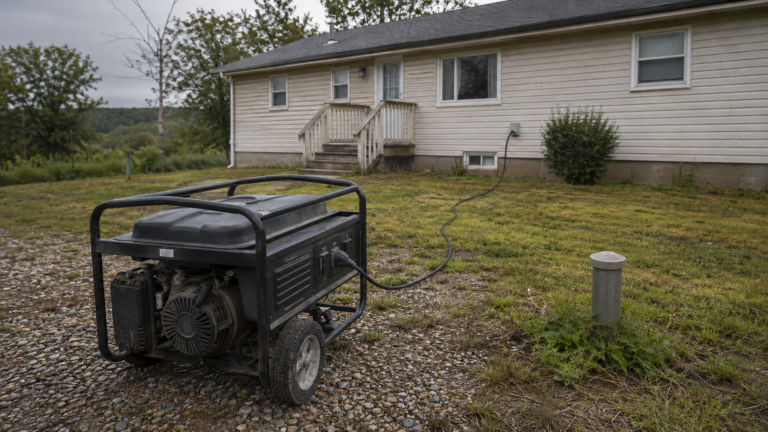
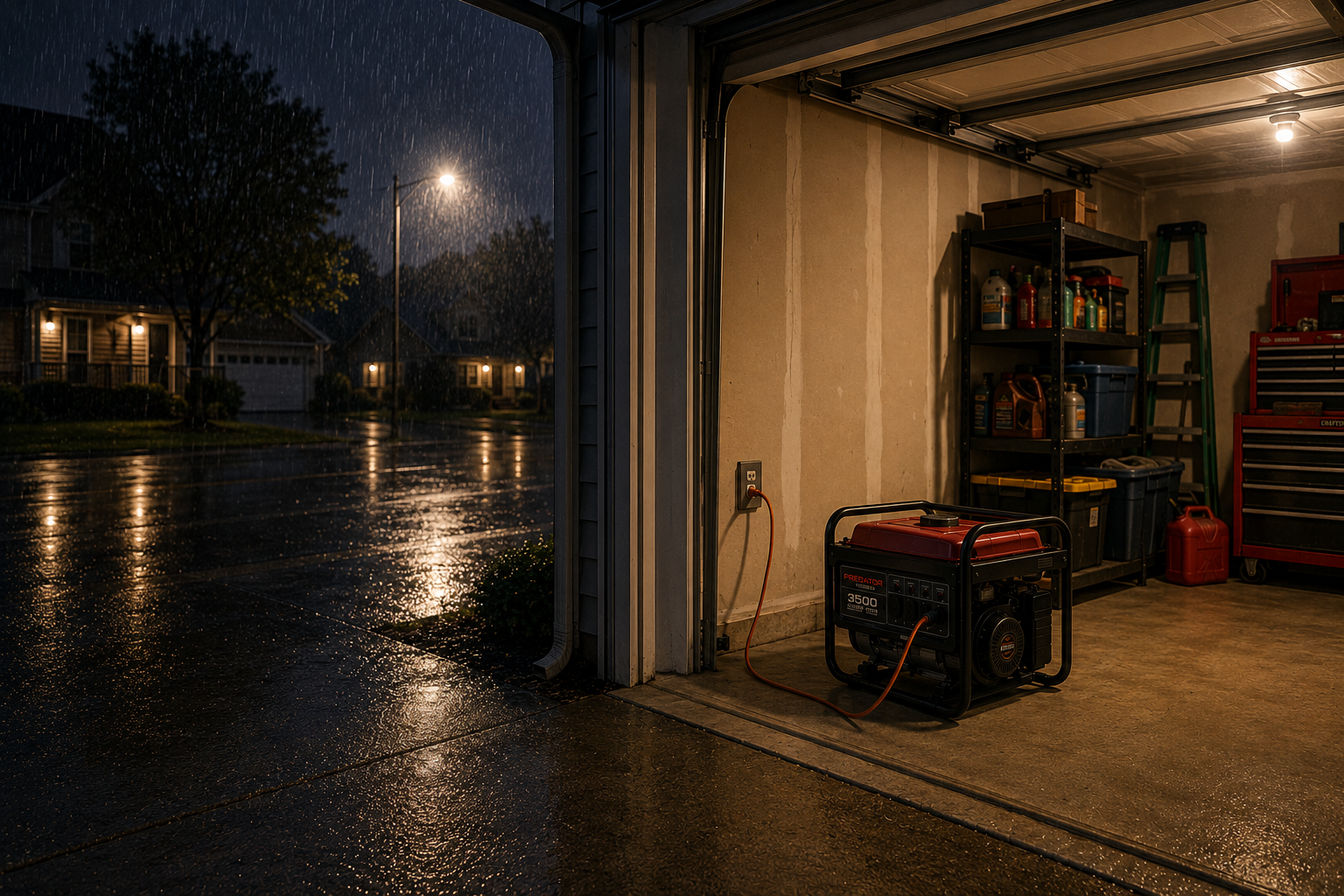
When the power first goes out, most people never stop to think about how long generators last during a blackout until fuel shortages and nonstop runtime become real problems.
This post contains affiliate links. I may earn a small commission at no extra cost to you. Learn more.
They wheel it outside, pour in some gasoline, pull the cord, and feel immediate relief when the lights come back on.
But during a real multi-day blackout, generator survival becomes less about watts — and more about fuel, maintenance, heat, runtime, noise, and realistic expectations.
The truth is that most generators are not designed to run nonstop for days or weeks without planning.
And during long-term outages, families quickly discover that fuel disappears much faster than expected.
Refrigerators cycle constantly in summer heat. Freezers struggle to maintain temperature. Portable air conditioners overload small generators. Fuel stations stop pumping gas. Extension cords overheat. Oil levels drop faster than most owners realize.
And the people who prepared for a 12-hour outage suddenly find themselves trying to survive a 7-day blackout with only a few gallons of fuel left.
This guide breaks down how long generators actually last during real blackouts, what drains fuel the fastest, why running generators 24/7 is usually a mistake, and how experienced preparedness-minded families stretch fuel far longer than most people think possible.
If you’re still building your complete emergency power system, start here first:
Grid-Down Survival Power: The 2025 Off-Grid Energy Playbook
Why Most People Completely Miscalculate Generator Runtime
The biggest generator mistake during a blackout is assuming the runtime listed on the box reflects real-world emergency conditions.
It usually doesn’t.
Most advertised runtimes are tested at low electrical loads, in mild temperatures, with ideal maintenance conditions, brand-new equipment, and without refrigerators, surge loads, or heavy cooling systems constantly cycling on and off.
But real blackouts rarely happen under ideal conditions.
Summer outages increase cooling demands dramatically. Heat forces refrigerators and freezers to run longer. Families charge phones constantly. Fans run nonstop. Sump pumps cycle during storms. Portable AC units strain generators harder than expected.
And fuel disappears fast once generators operate under heavy loads for extended periods.
Many households discover too late that their “12-hour runtime” generator may realistically provide only 6–8 hours under heavy load, even less during extreme summer heat, and far less if multiple appliances are running continuously.
This becomes especially dangerous during long-term outages where fuel resupply may become difficult or impossible.
If you haven’t already read it, this breakdown explains how quickly larger systems begin failing during prolonged outages:
What Happens When the Grid Goes Down: Timeline, Failures & Survival Plan
How Long Different Generator Types Actually Last
Gasoline Generators
Gasoline generators remain the most common backup power option because they’re affordable and widely available.
But gasoline creates serious long-term survival problems during extended outages.
Most portable gasoline generators run roughly 6–12 hours per tank depending on load, burn fuel much faster under heavy usage, require regular oil changes, and depend heavily on fuel stations remaining operational during outages.
The real issue isn’t the generator itself.
It’s the fuel supply.
Gas stations rely heavily on electricity for fuel pumps, payment systems, communications, and delivery logistics during normal operations.
And during widespread blackouts, fuel shortages can begin far faster than most people expect.
This becomes even more serious during regional infrastructure problems:
Global Oil Crisis: The First Countries to Break (And How It Spreads Fast)
Propane Generators
Propane offers several major advantages during emergencies, including long shelf life, cleaner combustion, easier storage, reduced fuel degradation, and fewer carburetor problems during long-term storage.
But propane systems usually produce lower total power output, shorter runtime per tank, and reduced efficiency under heavier electrical loads.
Still, many preparedness-focused households prefer dual-fuel generators because propane provides long-term storage flexibility that gasoline cannot.
This is one reason dual-fuel systems continue gaining popularity among blackout-focused preparedness setups.
Diesel Generators
Diesel generators are often the longest-lasting option for extended runtime situations.
They typically offer:
- better fuel efficiency
- longer engine life
- better heavy-load handling
- lower RPM operation
But diesel systems also:
- cost more
- weigh more
- require larger storage setups
- can gel during cold weather
For average suburban blackout preparedness, gasoline and dual-fuel generators remain far more common.
What Actually Burns Through Fuel the Fastest
Most people assume lights are the biggest generator load, but large appliances and cooling systems usually consume far more fuel during extended outages.
The biggest fuel killers are usually:
- air conditioners
- space heaters
- electric stoves
- water heaters
- refrigerator startup surges
- multiple refrigeration appliances
Air conditioning alone can completely destroy runtime expectations.
A small portable generator that runs a refrigerator comfortably may suddenly struggle once a portable AC unit gets added.
And during summer blackouts, many families panic-buy generators specifically because indoor heat becomes unbearable.
If extreme heat is part of your emergency planning, this guide pairs directly with generator planning:
How to Stay Cool Without Power: 15 DIY Summer Cooling Hacks
Why Running a Generator 24/7 Is Usually a Massive Mistake
One of the biggest survival mistakes during prolonged outages is running generators nonstop.
At first, running a generator nonstop feels logical because families want to keep refrigerators cold, maintain lighting, and preserve some sense of normal life during the outage.
But continuous operation creates several serious problems:
- massive fuel consumption
- faster oil breakdown
- engine overheating
- increased maintenance
- greater noise exposure
- higher theft risk
And most importantly:
You burn through your fuel reserve dramatically faster.
Experienced blackout planners often use scheduled generator cycles instead.
For example:
- Run generator 1–2 hours in morning
- Recharge devices
- Cool refrigerators/freezers
- Pump water if needed
- Shut generator down
- Repeat later in evening
This strategy can stretch fuel supplies several times longer.
And during longer outages, fuel conservation becomes survival.
This is especially true once conditions move beyond the first few days:
How Fast Society Changes During a Long-Term Power Outage
Most households dramatically underestimate generator fuel consumption during extended outages, especially once refrigerators, freezers, charging devices, lighting, and emergency cooking systems all begin competing for limited reserves, which is explained further in Fuel Needed for a 2-Week Blackout.
The Fuel Math Most People Ignore During a Real Blackout
How Much Fuel Does a Generator Use Per Day?
Fuel usage depends heavily on generator size, electrical load, outside temperatures, and how many hours the system runs daily. But during extended outages, even medium-sized generators can easily burn through 5–10 gallons of fuel per day if they are powering refrigerators, freezers, cooling systems, and battery charging equipment regularly.
One of the fastest ways to fail during an extended outage is underestimating how much fuel generators actually consume over time.
Most people think about generator runtime in hours, while experienced preparedness planners think in days and gallons per week.
That difference matters enormously once outages move beyond the first 24–48 hours.
A generator that burns:
- 0.75 gallons per hour
- running 12 hours daily
can easily consume:
- 9 gallons per day
- 63 gallons per week
Those numbers surprise many first-time generator owners.
Especially families who only stored:
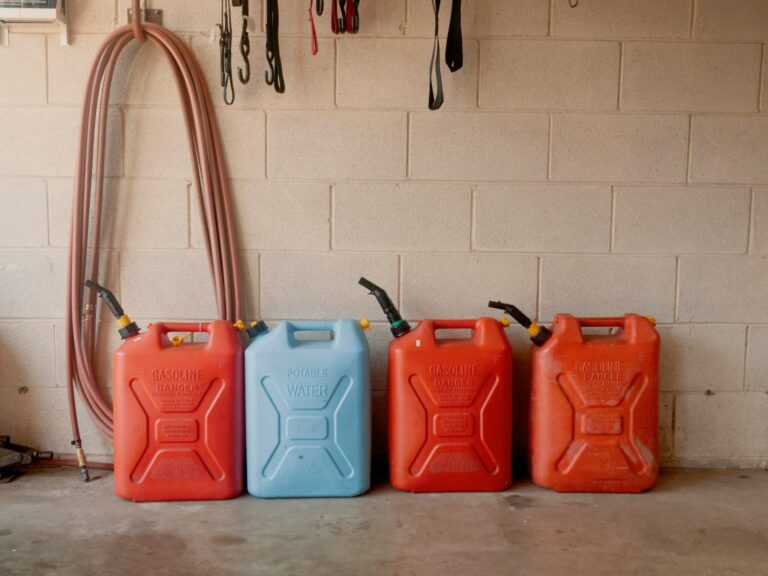
- 10–15 gallons total
- one propane tank
- or a few emergency gas cans
And fuel disappears even faster when generators power:
- multiple refrigerators
- portable air conditioners
- freezers
- medical devices
- battery charging stations
- fans during summer heat
That’s why many long-term blackout plans fail long before the generator itself breaks down.
In many cases, the generator itself survives longer than the available fuel supply.
If you’re still building long-term emergency fuel reserves, this guide should be part of your setup:
How to Store Gasoline Safely for Emergencies (Without Ruining Your Fuel)


Why Summer Blackouts Drain Fuel Much Faster
Summer outages create some of the worst fuel consumption conditions possible because heat forces refrigerators, freezers, fans, and portable cooling systems to work much harder for much longer periods of time.
Dangerous indoor temperatures can rise surprisingly fast during prolonged outages, particularly during heat waves and high humidity conditions explained further in Why Summer Blackouts Turn Dangerous Faster Than Most Expect.
Many families also try powering far more devices than their fuel reserves can realistically support once indoor temperatures become uncomfortable.
This is one reason generators often fail to meet expectations during heat-wave blackouts.
Most people prepare for losing power, but they underestimate how quickly extreme heat increases fuel usage once cooling appliances start running almost nonstop. After several days of high temperatures, many households begin burning through fuel much faster than they originally planned simply trying to keep food cold and indoor conditions survivable.
If summer outages are part of your preparedness plan, this guide connects directly with long-term generator planning:
How to Stay Cool Without Power This Summer
How Smart Generator Owners Stretch Fuel Much Longer
During a prolonged blackout, the goal shifts from maintaining normal life to extending survivability, and that mindset changes how experienced households manage fuel, power usage, and daily routines.
Instead of trying to power an entire house continuously, experienced blackout planners reduce runtime aggressively.
They prioritize food preservation, device charging, water pumping, medical equipment, limited cooling, and communication systems instead of trying to power an entire house continuously.
And they often rotate power usage strategically throughout the day.
For example:
| Time | Generator Strategy |
|---|---|
| Morning | Cool refrigerator and freezer, charge devices, and pump water if needed. |
| Afternoon | Shut generator down during peak heat to conserve fuel whenever possible. |
| Evening | Recharge battery banks, run fans briefly, and prepare meals. |
| Night | Shut generator down completely to reduce fuel usage, noise, and security risks. |
This approach dramatically extends fuel reserves while also reducing engine wear, maintenance frequency, noise exposure, and unwanted attention from neighbors.
Most importantly, it prevents families from burning through their entire fuel reserve in the first few days.
Many preparedness plans now combine traditional fuel generators with battery-based backup systems to reduce long-term fuel dependency during extended outages, which is why more families are comparing Solar Generator vs Gas Generator systems.
Choosing the wrong backup system size is one of the biggest mistakes households make during emergency planning, especially when trying to power refrigerators, CPAP machines, freezers, and communication equipment during blackouts, which is covered in What Size Solar Generator Do I Need?
Refrigerators and Freezers Are the Biggest Hidden Fuel Problem
Food preservation becomes one of the most difficult balancing acts during long outages.
People panic about keeping refrigerators running nonstop because losing hundreds of dollars in food feels catastrophic.
But running generators continuously just to maintain refrigerator temperatures often burns through fuel at unsustainable rates.
In reality, refrigerators usually do not need constant power if managed correctly.
Simple strategies like keeping refrigerator doors closed, consolidating freezer contents, freezing water containers beforehand, cooling refrigerators in scheduled cycles, and using thermometers instead of guessing can dramatically reduce generator runtime.
Most modern refrigerators can maintain safe temperatures for several hours without continuous power if doors stay closed.
Freezers packed tightly often perform even better.
This is where disciplined power cycling becomes incredibly valuable.
And understanding food survival timelines becomes critical once outages stretch beyond a single day.
This guide explains realistic refrigerator and freezer survival timelines during outages:
How Long Food Lasts Without Power (Fridge, Freezer & Pantry Guide)


Why Fuel Shortages Become Dangerous Faster Than Most People Expect
One major problem with gasoline generators is that they depend heavily on functioning infrastructure.
And during larger blackouts, fuel systems begin breaking down quickly.
Gas stations rely on electric pumps, payment processing systems, internet connectivity, fuel delivery trucks, and regional transportation infrastructure to keep fuel available during normal conditions.
Once outages spread across larger areas, panic buying often starts immediately.
Fuel lines form quickly, stations begin running dry, and remaining fuel becomes much harder to access once outages spread across larger areas.
This is one reason many preparedness-focused families increasingly combine:
- fuel storage
- solar generators
- battery systems
- dual-fuel setups
If you’re comparing different emergency backup systems, this guide breaks down the real-world differences:
Solar Generator vs Gas Generator: Which Backup Power System Actually Works in a Blackout?

Generator Maintenance Becomes Critical During Extended Blackouts
One thing many first-time generator owners never realize is that portable generators require far more maintenance during prolonged outages than most other emergency equipment.
Many people assume they can simply add fuel, change the oil occasionally, and keep a generator running indefinitely during an outage.
But real blackout conditions are much harder on generators than occasional recreational use.
Extended runtimes create higher engine temperatures, faster oil breakdown, carbon buildup, air filter contamination, spark plug wear, and increased vibration stress on generator components.
And during summer outages, heat makes these problems even worse.
Many portable generators require oil changes every:
- 50 hours
- 75 hours
- 100 hours
depending on engine type and operating conditions.
That means a generator running heavily during a blackout may need maintenance every few days.
Unfortunately, many families never store:
- extra oil
- funnels
- spark plugs
- air filters
- maintenance kits
And once stores close or supply chains fail, small maintenance problems can shut entire backup power systems down.
This is exactly why realistic blackout planning matters more than simply owning a generator.


Why Dirty Oil Destroys Generators Fast
Oil becomes one of the most overlooked survival supplies during long-term outages.
Portable generators operate under constant load for extended periods, which causes oil temperatures to rise quickly.
As oil degrades, it loses its ability to:
- lubricate internal parts
- control engine heat
- reduce wear
- remove contaminants
Once oil breaks down badly enough, generators begin suffering:
- reduced efficiency
- hard starts
- overheating
- premature shutdowns
- engine damage
Some generators include low-oil shutoff protection.
But during real emergencies, many people ignore warning signs until systems stop working completely.
And once the generator dies during a major blackout, replacement options may not exist.
Why Generator Noise Can Become a Serious Security Problem
Fuel consumption and maintenance are not the only long-term generator problems people face during extended blackouts.
Generators also create another major problem many preparedness beginners overlook: noise.
A running generator can unintentionally signal fuel availability, refrigeration capability, and stored supplies during prolonged outages once neighborhoods become increasingly unstable, similar to the breakdown patterns discussed in What Happens After 30 Days Without Power?
During small neighborhood outages, generator sound usually isn’t a major concern.
But during prolonged regional blackouts, generators can attract enormous attention, especially at night when surrounding neighborhoods are completely dark.
A running generator signals several things immediately:
- fuel availability
- electricity
- food storage
- working refrigeration
- relative preparedness
And in larger outages where tensions rise, that attention may become dangerous.
This is one reason experienced blackout planners often:
- reduce nighttime runtime
- use inverter generators
- build sound barriers
- run limited schedules
- combine solar and battery backups
Some households intentionally avoid continuous nighttime generator use entirely.
Instead, they cool refrigerators before dark, recharge batteries during daylight hours, and minimize nighttime electrical demand altogether.
This dramatically reduces:
- fuel usage
- engine wear
- noise exposure
- security risks
Long-term blackout conditions change neighborhood behavior quickly once systems remain offline for days.
This timeline breakdown explains how fast social conditions can begin deteriorating:
How Fast Society Changes During a Long-Term Power Outage

Why Solar + Generator Hybrid Systems Are Becoming More Popular
One major weakness of gasoline-only blackout planning is fuel dependency.
Once fuel supplies disappear, runtime becomes limited no matter how powerful the generator is.
That’s why more preparedness-focused households are building hybrid systems instead.
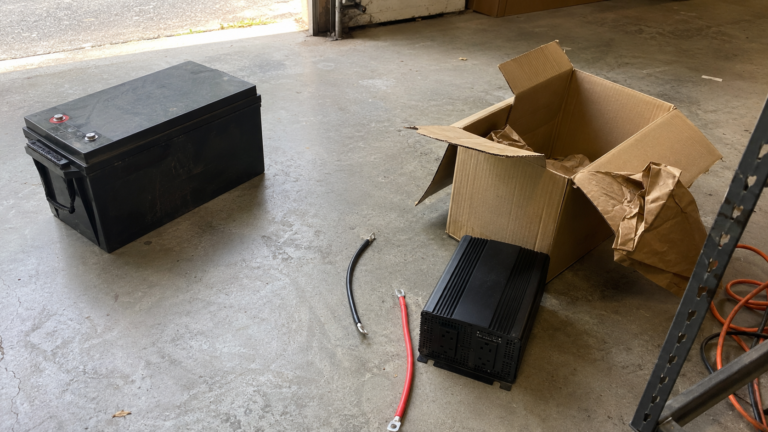
These setups usually combine portable generators, solar panels, battery power stations, and smaller inverter systems to reduce fuel usage while extending total runtime during outages.
Instead of running generators nonstop, hybrid systems often use generators only for:
- heavy appliance loads
- battery charging
- high-demand cooling cycles
- emergency backup periods
Meanwhile, quieter battery systems can handle smaller daily loads like phones, lights, radios, fans, and other basic electronics without constantly running the generator.
This approach lowers fuel consumption, reduces generator wear, creates less noise, improves nighttime security, and helps systems remain sustainable during longer outages.
For many families, hybrid systems now offer one of the best balances between runtime, fuel efficiency, security, and long-term resilience during blackout conditions.
This guide explains how hybrid power setups work during real outages:
Solar Generator Hybrid Backup (2025 Guide)
What Happens After Day 3, Day 7, and Day 14 of Generator Use
After Day 3
Fuel anxiety usually starts becoming serious around this point.
Families begin realizing how fast fuel disappears, how difficult refueling becomes, and how exhausting constant generator management can be once outages continue for several days.
Many people also begin reducing runtime aggressively to conserve remaining fuel supplies.
This is where smarter blackout planning starts separating itself from panic-driven survival decisions.
After Day 7
Maintenance problems often begin appearing by the second week.
Generators may begin developing hard starts, overheating issues, clogged filters, oil consumption problems, and fuel contamination as runtime hours continue increasing.
At the same time, regional fuel shortages may become severe.
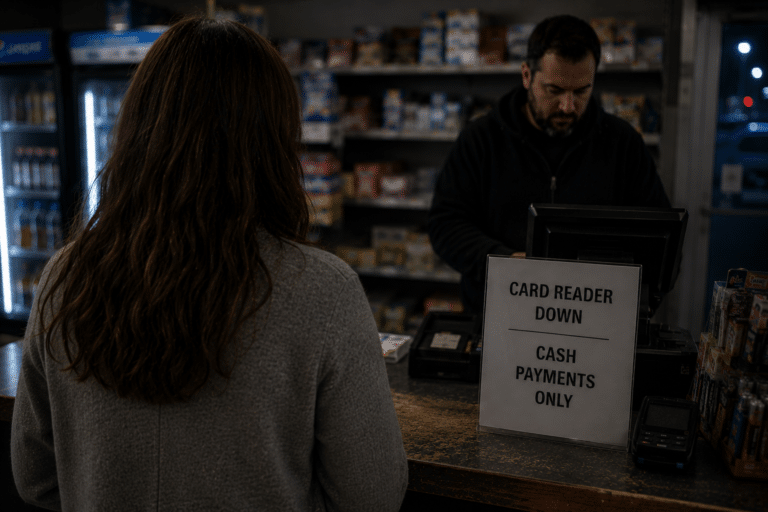
Long lines, limited deliveries, cash-only fuel purchases, and closed stations often become common once regional fuel shortages begin worsening.
This is where fuel storage preparation becomes incredibly important.
After Day 14
By this point, blackout survival becomes more about system management than comfort.
Most families can no longer maintain normal electrical usage.
Instead, priorities usually shift toward food preservation, communication systems, water access, basic cooling, and limited lighting.
And generators that were never intended for continuous survival operation begin showing serious wear.
This is one reason long-term blackout preparedness requires far more than simply buying a generator and hoping for the best.
If you want to understand how prolonged outages evolve beyond the first week, this breakdown connects directly to generator survival planning:
What Happens After 30 Days Without Power? (How Society Starts Breaking Down)
The Best Generator Strategy Depends on Your Budget and Blackout Goals
One major mistake people make during emergency planning is copying someone else’s power setup without thinking realistically about their own situation.
A family preparing for occasional storms or short summer outages needs a very different system than someone preparing for multi-week grid failures, off-grid survival, or medical equipment dependency.
The best generator setup is not always the biggest or most expensive. The best setup is the one you can realistically fuel, maintain, store, operate safely, and sustain during longer outages.
Budget Emergency Backup Setup
For households mainly preparing for short blackouts, storm outages, temporary refrigeration loss, and basic communication needs, a smaller inverter generator often makes more sense than a large fuel-hungry system.
These generators are usually quieter, more fuel efficient, easier to maintain, and far easier to store during everyday use. They work well for charging devices, running fans, powering lights, and keeping refrigerators cold during shorter outages without burning massive amounts of fuel.

Mid-Level Blackout Preparedness Setup
Families preparing for longer outages usually benefit from dual-fuel systems combined with limited solar backup.
This type of setup balances runtime, fuel flexibility, maintenance demands, quiet operation, and battery charging capability much more effectively than relying on gasoline alone.
Many preparedness-focused households now combine dual-fuel generators, portable solar panels, battery power stations, and fuel storage reserves instead of relying entirely on one backup power source.
This approach dramatically increases survivability during fuel shortages.

Long-Term Grid-Down Survival Setup
For households preparing for severe infrastructure failures or multi-week outages, long-term sustainability becomes far more important than convenience.
At that point, most systems focus heavily on fuel conservation, battery storage, solar charging, water access, communication systems, and reducing overall electrical dependence.
Large whole-home generators can provide enormous comfort during short outages, but during extended grid failures they also create massive fuel demands, heavier maintenance requirements, continuous noise, and additional security concerns.
That’s why many experienced preparedness planners eventually shift toward layered systems instead of trying to power entire homes continuously.
If your goal is building a complete long-term survival framework instead of temporary outage comfort, start with this system guide:
Emergency Preparedness Plan 2026: Master Framework
Common Generator Mistakes That Burn Through Fuel Fast
Oversizing the Generator
Bigger generators often seem safer.
Oversized systems usually burn more fuel, cost more to operate, create more noise, and require additional maintenance during extended outages.
Many families buy generators large enough to power entire homes when they realistically only need refrigeration, communication devices, basic lighting, and limited cooling systems during emergencies.
Understanding realistic wattage needs matters enormously.
This sizing guide helps avoid one of the biggest generator buying mistakes:
What Size Solar Generator Do I Need for a Blackout?
Ignoring Load Management
Another common problem is trying to run everything simultaneously.
Generators operate far more efficiently when loads are managed carefully.
Simple scheduling can dramatically reduce fuel consumption.
For example, families may run microwaves briefly instead of continuously, alternate fan usage, cool refrigerators in cycles, and charge battery banks only during scheduled generator runtime periods.
Small changes often extend fuel reserves much longer than people expect.
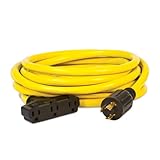
Using Unsafe Extension Cord Setups
During emergencies, many households throw together dangerous power setups quickly.
Improper extension cord setups can create voltage drops, dangerous heat buildup, fire hazards, and equipment damage during prolonged generator use.
And overloaded cords become increasingly dangerous during long runtimes.
This safety guide explains proper emergency generator connection strategies:
Generator Power Connections Made Safe (2025): Cords, Cables & Transfer Switch Setup

Why Blackout Preparedness Is About Systems — Not Just Equipment
A generator by itself is not a survival plan.
It’s only one piece of a much larger system.
Real blackout preparedness also includes fuel storage, food preservation, water access, communication plans, cooling strategies, lighting, security, and medical preparation.
And the longer outages last, the more these systems begin overlapping.
That’s why the households that handle blackouts best usually aren’t the ones with the biggest generators.
They are usually the ones with multiple backup layers, realistic fuel expectations, maintenance supplies, disciplined load management, and alternative power options already in place.
During real outages, survival rarely depends on a single piece of equipment. It depends on how well your entire preparedness system works together once normal infrastructure starts failing.
Anyone building a realistic long-term outage plan should also review the complete Blackout Survival Hub to prepare for interconnected failures involving fuel shortages, refrigeration loss, communication breakdowns, water outages, sanitation problems, and emergency power planning.
Final Thoughts
Most generators do not fail because the engine suddenly breaks. They fail because fuel runs out faster than expected, maintenance gets ignored, systems become overloaded, or families realize too late that their backup plan was never built for a long-term outage.
At first, generators can make life feel almost normal again during a blackout. But once outages continue for several days, fuel consumption, oil changes, and nonstop runtime quickly become serious problems.
The families that handle blackouts best usually are not trying to power everything 24/7. They are conserving fuel, rotating generator schedules, reducing electrical demand, and using layered backup systems instead of relying on one machine alone.
Because during real long-term outages, survival is not about having the biggest generator — it is about how long you can realistically keep your critical systems running once fuel becomes harder to find.
If you want to build a complete preparedness setup beyond just backup power alone, these guides connect directly into the next stages of blackout survival planning:
- The First 72 Hours After a Disaster: What Actually Happens
- What Runs Out First in a Blackout?
- How to Communicate When the Grid Goes Down