What to Stock Before a Long-Term Blackout
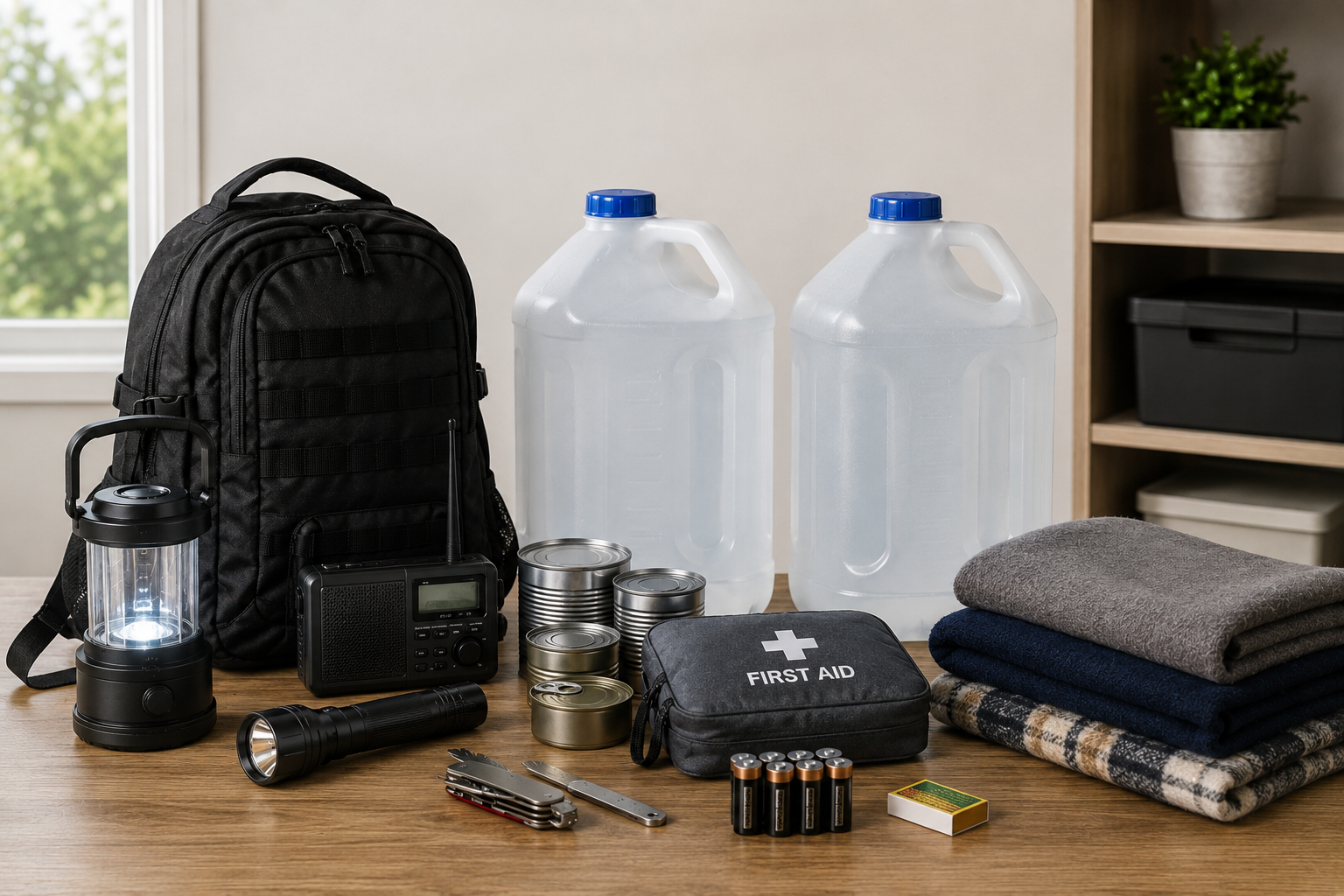
Knowing what to stock before a long-term blackout can make the difference between managing an extended power outage with a practical plan and struggling to meet basic household needs after electricity, refrigeration, and other essential services become unreliable.
This post contains affiliate links. I may earn a small commission at no extra cost to you. Learn more.
Most people associate blackout preparedness with flashlights, bottled water, and a portable generator. Those supplies are useful, but a serious emergency plan must go much further. A prolonged outage can interfere with food storage, cooking, water pumping, communication, sanitation, home heating and cooling, and access to medical equipment.
The challenge is not simply collecting as many emergency supplies as possible. It is making sure your water, food, power, sanitation, and communication systems work together. A household with a generator but no realistic fuel plan may be less prepared than one with a smaller backup power system, properly stored water, shelf-stable food, and reliable alternatives for everyday tasks.
This guide explains what to stock for a blackout lasting seven days, two weeks, or potentially longer. It covers essential supplies, realistic storage quantities, overlooked household items, and ways to prioritize purchases without spending thousands of dollars at once.
For a broader approach to emergency planning, see our Emergency Preparedness Plan.
Quick Answer: What Should You Stock Before a Long-Term Blackout?
Start with drinking water, shelf-stable food, safe cooking equipment, lighting, backup power, medical supplies, sanitation supplies, and reliable communication equipment. Add seasonal heating or cooling supplies, household tools, cash, and items needed by children, pets, or people with medical dependencies.
Build an initial three-day supply, expand it to seven days, and work toward a two-week or 30-day reserve where storage space and household circumstances allow. Prioritize essential needs before purchasing specialized survival equipment.
Long-Term Blackout Supply Checklist: Start With These Essentials
A long-term blackout supply plan should cover the systems your household depends on every day. Water and food are obvious priorities, but sanitation, communication, and temperature control can become equally important when an outage lasts longer than expected.
The following table provides a practical starting point. Quantities should be adjusted for household size, climate, medical needs, available storage, and the type of emergency you are preparing for.
| Category | Essential Supplies | Planning Priority |
|---|---|---|
| Water | Stored drinking water, food-grade containers, filtration and treatment supplies | At least one gallon per person per day as a basic emergency starting point |
| Food | Canned meals, beans, rice, oats, shelf-stable protein, ready-to-eat foods | Build a realistic 7–14-day menu and expand gradually |
| Power and lighting | Flashlights, headlamps, lanterns, batteries, power banks, compatible backup power | Support critical devices and safe movement |
| Medical | First aid kit, prescribed medications, medical equipment backup plans | Address individual medical requirements first |
| Sanitation | Soap, toilet supplies, trash bags, gloves, hygiene products | Prepare for water or wastewater interruptions |
| Communication | Emergency radio, printed contacts, charging equipment, offline maps | Maintain several ways to receive information |
| Household essentials | Manual tools, cash, pet supplies, seasonal clothing, blankets | Reduce dependence on stores and electrical appliances |
1. Water Should Be Your First Stockpiling Priority
Safe drinking water is one of the most important resources during any emergency. Electricity is required for many water-pumping, treatment, and distribution operations, although the effect of a blackout depends on how the local water system is designed and what backup systems are available.
Some municipal systems can maintain water pressure during an outage through elevated storage tanks, backup generators, or other arrangements. Others may experience pressure reductions, boil-water advisories, or service interruptions. Households with private wells may lose water immediately if their pumps depend on electricity and no compatible backup power is available.
Because water availability is difficult to predict during a major emergency, stored water should be the first layer of your preparedness plan. Filtration, disinfection, and alternative water sources can provide additional protection, but they should not replace an initial supply of known-safe drinking water.
How Much Water Should You Store for a Long-Term Blackout?
Ready.gov recommends storing at least one gallon of water per person per day for several days, with additional water needed in hot climates, for pregnancy, illness, pets, and other circumstances. That gallon is a basic emergency planning quantity for drinking and limited sanitation, not necessarily enough for normal bathing, laundry, or household cleaning.
For a family of four, one gallon per person per day means four gallons daily. A seven-day reserve requires 28 gallons, while a 30-day reserve requires 120 gallons. Those quantities can become substantial, which is why it helps to build storage gradually and consider how containers will be filled, moved, protected, and rotated.
| Household Size | 7 Days | 14 Days | 30 Days |
|---|---|---|---|
| 1 person | 7 gallons | 14 gallons | 30 gallons |
| 2 people | 14 gallons | 28 gallons | 60 gallons |
| 4 people | 28 gallons | 56 gallons | 120 gallons |
| 6 people | 42 gallons | 84 gallons | 180 gallons |
These figures represent baseline planning quantities. They do not include substantial additional water for laundry, bathing, cleaning, gardening, or other household activities. When possible, keep separate reserves for drinking and nonpotable sanitation uses.
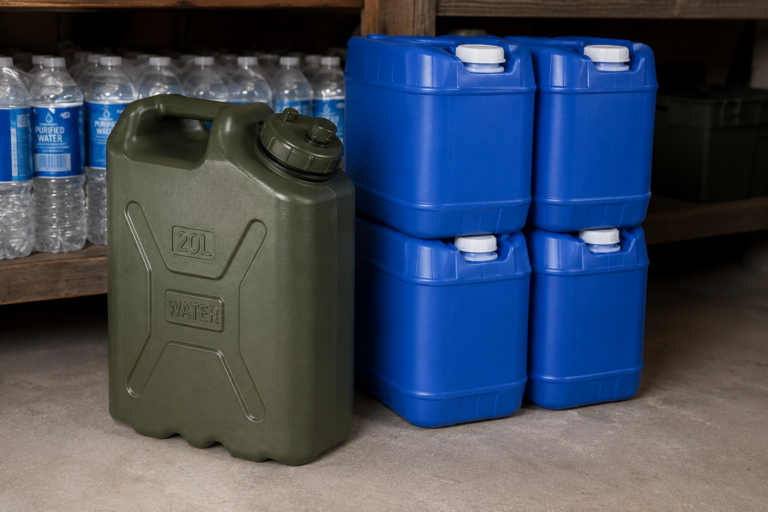
Store drinking water in food-grade containers, keep it protected from contamination, and maintain a backup method for treating water if your stored supply runs low. For additional planning, see our Water Outage Survival Guide.

Water Filtration and Purification Backups
Stored drinking water can eventually run low during an extended emergency. A secondary water treatment system may help when a suitable alternative source is available, but it is important to understand the limitations of each method.
Portable filters differ in what they remove. Some are designed primarily to reduce bacteria and protozoa, while others may also address viruses or specific chemical contaminants. Boiling can inactivate many disease-causing microorganisms but does not remove chemical pollution, fuels, or heavy metals. Household disinfectants are not appropriate for every type of contaminated water.
Use equipment according to the manufacturer’s instructions and follow official water advisories. Water suspected of containing fuel, industrial chemicals, or other hazardous substances should not be assumed safe after ordinary filtration or boiling.


Don’t Forget Water for Hygiene and Sanitation
Water storage should support more than drinking. Washing hands, cleaning cooking equipment, managing toilets, and maintaining basic personal hygiene all become harder when running water is unavailable.
Stock soap, hand sanitizer, disposable gloves, cleaning supplies, and appropriate containers for nonpotable water. If you plan to collect rainwater or use untreated water for certain cleaning tasks, keep it clearly separated from drinking water and prevent accidental consumption.
For more information about water-system interruptions, see What Happens When Water Stops Running.
2. Stock Food You Can Actually Eat Without Electricity
Emergency food storage works best when it is built around familiar meals, realistic portions, and ingredients that can be prepared with limited water and fuel. Expensive freeze-dried survival meals may have a place in a larger food reserve, but they are not the only way to prepare for a prolonged blackout.
Ordinary grocery-store foods often provide an affordable foundation. Canned beans, vegetables, meats, soups, oats, peanut butter, shelf-stable milk, pasta, rice, and other pantry staples can be rotated through normal household meals before they expire.
The key is balancing storage life with actual usability. Dry beans and rice store well under suitable conditions, but they may require considerable cooking time, water, and fuel. Ready-to-eat canned foods can be more practical during the first days of an outage when cooking arrangements are limited.
Build a Seven-Day Emergency Food Menu First
Rather than buying random cans and boxes, plan seven complete days of meals. Write down breakfast, lunch, dinner, snacks, and beverages for each person in the household. Identify which meals can be eaten without cooking and which require water, heat, or refrigeration.
Once the seven-day menu works, duplicate or adapt it to cover two weeks. A 30-day food reserve becomes easier to manage when it is organized around several repeatable menus rather than an unstructured collection of emergency food products.
Calorie requirements vary by age, body size, health, and activity level. For planning purposes, a hypothetical adult requiring 2,000 calories per day would need approximately 14,000 calories for seven days or 60,000 calories for 30 days. Those numbers are illustrations, not appropriate calorie targets for every household member.
A Practical Seven-Day Food Supply
For each household member, plan enough food for seven days of complete meals, including:
- Ready-to-eat breakfasts such as cereal, oatmeal, or shelf-stable alternatives.
- Canned or packaged proteins such as chicken, tuna, beans, or nut butter.
- Grains and starches such as crackers, rice, pasta, or tortillas.
- Canned vegetables and fruits.
- Healthy fats and other calorie-dense foods.
- Snacks and familiar comfort foods.
- Appropriate beverages and any special dietary products.
Include a manual can opener, enough drinking and cooking water, and a safe preparation method for foods that require heating.
Prioritize Shelf-Stable Protein and Balanced Nutrition
Carbohydrate-rich foods are affordable and useful, but a complete emergency menu should also provide protein, fats, and a reasonable variety of nutrients. Canned chicken, fish, beans, nut butter, shelf-stable milk, and other appropriate foods can help create more balanced meals.
Consider dietary restrictions and allergies before purchasing bulk supplies. A food reserve is only useful if the people depending on it can safely eat what has been stored.
Specialty emergency meals can provide convenience or additional storage flexibility, particularly when space and cooking requirements are considered. Compare serving sizes, total calories, ingredients, water requirements, and storage instructions before purchasing.


Prepare for Refrigerator and Freezer Failure
Refrigerated food is one of the first household resources affected by a blackout. The FDA advises that an unopened refrigerator generally keeps food cold for approximately four hours without power. A full unopened freezer can maintain temperature for about 48 hours, while a half-full freezer may maintain temperature for about 24 hours.
These are general guidelines, not guarantees. Appliance condition, surrounding temperature, door openings, and the starting temperature of food all matter. Use appliance thermometers, follow food-safety recommendations, and discard perishable foods when they have been held at unsafe temperatures for too long.
For detailed guidance, see How Long Food Lasts Without Power.
Stock a Safe Way to Cook Without Electricity
Food storage and emergency cooking should be planned together. An electric range or microwave may be unavailable during a blackout, and even a generator may not provide enough power to operate large cooking appliances efficiently.
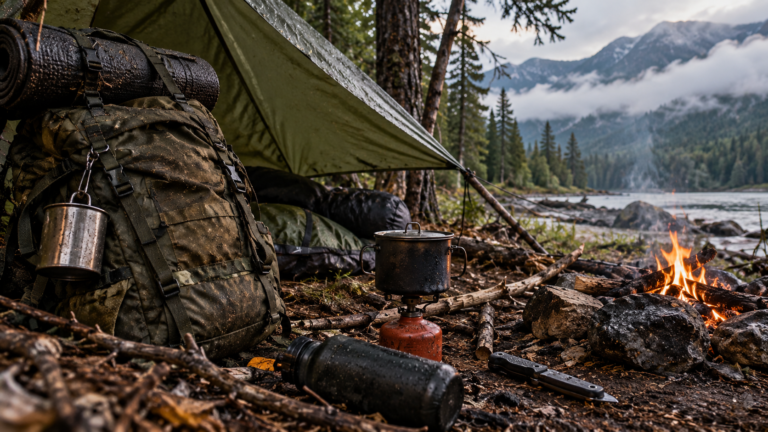
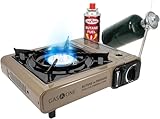
A portable outdoor camp stove, suitable grill, or another approved emergency cooking method can provide flexibility. However, charcoal grills, camp stoves, and other outdoor combustion appliances must never be operated inside homes, garages, tents, or enclosed porches because they can produce deadly carbon monoxide.
Store compatible fuel according to manufacturer instructions and applicable safety requirements. Choose meals that reduce cooking time and water consumption when fuel is limited.
See our How to Cook During a Power Outage guide for additional cooking strategies.
Keep Familiar Foods and Comfort Items
Long outages can disrupt sleep, meals, school routines, and everyday family activities. Familiar foods and small comforts can help make an uncomfortable situation more manageable, particularly for children.
Coffee, tea, powdered drink mixes, crackers, snacks, spices, and favorite shelf-stable meals are reasonable additions after essential nutrition has been addressed. They should supplement a balanced food reserve rather than replace it.
3. Backup Power and Lighting Supplies
Backup electricity becomes important when household appliances, communication devices, medical equipment, and water systems depend on power. But buying a generator without calculating electrical demand can result in a system that is too small for critical equipment or unnecessarily expensive to fuel.
Start by identifying which devices truly need electricity during an outage. Refrigeration, medical equipment, communication devices, and necessary water pumping may be essential. Entertainment systems and other convenience appliances can usually be assigned lower priority.
Calculate continuous wattage and starting surges before selecting equipment. A refrigerator or well pump may briefly require substantially more power to start than it uses during normal operation.
Our Grid-Down Survival Power Guide explains how to build a layered backup system.
Portable Generators and Fuel Planning
Portable generators can support many household needs, but their usefulness depends on fuel availability, operating conditions, and maintenance. A generator that runs for eight hours on one tank will not automatically provide a week of backup electricity without additional fuel and scheduled servicing.
Use the manufacturer’s fuel-consumption specifications to estimate how much fuel is required for the electrical loads you expect to operate. A generator consuming 0.5 gallon per hour for eight hours daily would use four gallons per day, or 28 gallons over a week.
That calculation is illustrative. Actual consumption depends on generator design, electrical demand, and operating conditions. Fuel storage must comply with applicable safety rules, and gasoline should be kept in approved containers away from occupied spaces and ignition sources.
Never operate a portable generator indoors or in a garage, even with doors open. Position it outdoors at least 20 feet from windows, doors, and vents, with exhaust directed away from the building, following applicable manufacturer and safety guidance. Maintain working carbon monoxide alarms inside the home.

Portable Power Stations and Battery Banks
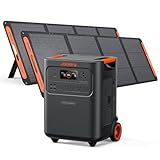
Battery power stations can provide quiet electricity for suitable devices without running a gasoline engine continuously. They are particularly useful for charging phones, powering LED lights, operating radios, and supporting compatible low-wattage appliances.
Battery capacity is usually measured in watt-hours. A power station rated at 1,000 watt-hours theoretically stores enough energy to operate a continuous 100-watt load for ten hours before accounting for inverter losses, battery operating limits, and internal consumption.
Actual runtime will be shorter in many situations. Appliances with variable electrical demand, such as refrigerators, require more careful calculations.
Some households combine battery storage with a generator or solar charging equipment. This can reduce generator runtime when the system is properly sized and compatible.

Emergency Lighting for Every Room
Lighting is one of the simplest preparedness upgrades, yet it has an immediate effect on household safety. Navigating stairs, preparing food, caring for children, and performing repairs becomes more difficult when ordinary lighting is unavailable.
Keep several types of lighting rather than relying on one flashlight. Headlamps leave both hands free, lanterns illuminate shared spaces, and small rechargeable lights can provide low-power illumination in bedrooms or hallways.
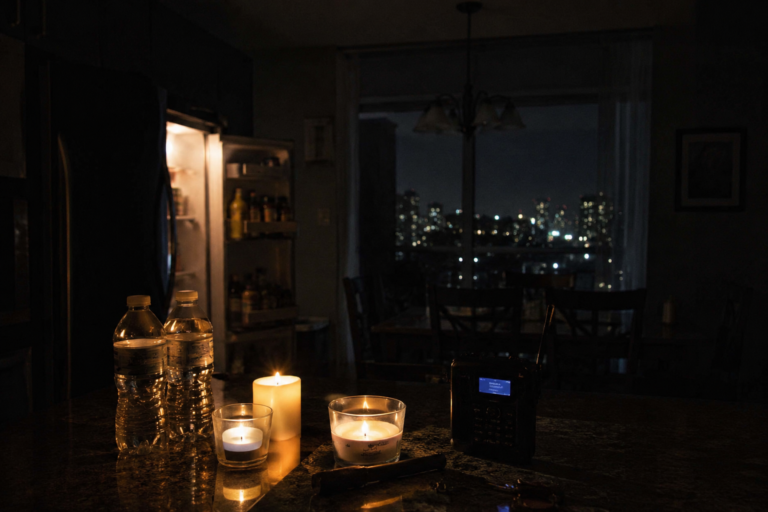
Store spare batteries or compatible charging equipment. Avoid relying on candles as your primary light source because open flames increase fire risk, especially in crowded spaces or around children and pets.
See our Emergency Lighting Guide for additional options.

4. Communication Supplies for Extended Blackouts
Communication systems may continue operating during many power outages, but their reliability can change depending on the extent of the disruption. Cell towers, internet providers, and other infrastructure may have backup power, yet prolonged outages, damaged equipment, or network congestion can still interfere with service.
A good communication plan should not depend entirely on a single smartphone or internet connection. Households should have several ways to receive official information, contact family members, and locate important addresses when digital services are unavailable.
Our Communication Failure Timeline Guide explains how different communication systems may be affected by infrastructure disruptions.
Emergency Radios and Weather Alerts
A battery-powered or hand-crank emergency radio can provide access to broadcasts when internet service is unavailable. A radio capable of receiving NOAA Weather Radio alerts is particularly useful for severe weather preparedness in areas where those broadcasts are available.
Check the radio’s battery requirements and test reception before an emergency. Some models provide additional charging features, but their effectiveness depends on the specific device.

Two-Way Radios and Family Communication Plans
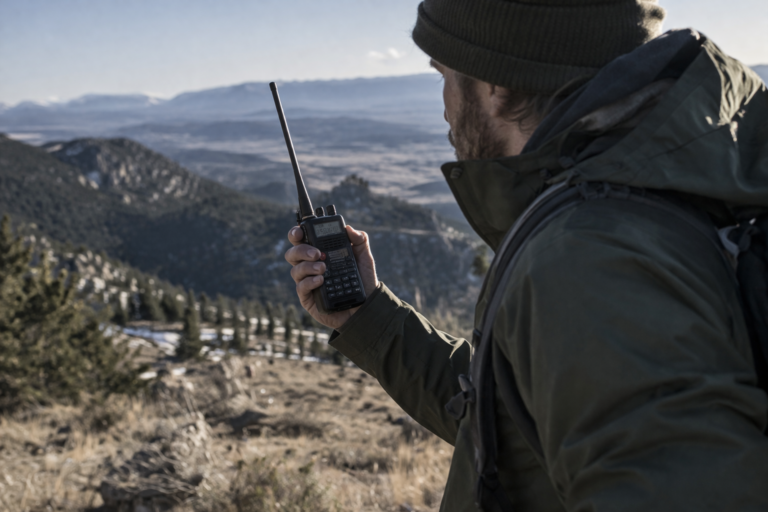
Two-way radios may be useful for communication between family members or nearby locations when cellular networks are unreliable. Their practical range depends on terrain, buildings, antenna configuration, radio type, and operating conditions.
FRS and GMRS equipment have different technical and licensing requirements. Choose equipment appropriate for the intended use and follow applicable FCC rules.
Establish a household communication plan that includes meeting locations, emergency contacts, and a procedure for checking in when phones do not work. Printed contact information should be available to everyone who may need it.
For more information, see How to Communicate When the Grid Goes Down.

Power Banks, Charging Cables, and Offline Information
Phones remain useful even without a cellular connection. They may contain downloaded maps, medical information, documents, photographs, notes, and other essential records. Keeping them charged preserves access to those offline resources.
Store compatible charging cables, a reliable power bank, and an alternative charging method. Test cables and adapters before an outage because a charged battery is not helpful if the correct connector is missing.

Printed information is equally valuable. Keep copies of emergency contacts, local maps, medication lists, insurance information, and essential instructions in a secure, accessible location. Protect sensitive personal information rather than leaving account numbers and private documents exposed.
5. Medical and First Aid Supplies
Medical preparedness is especially important during prolonged blackouts because pharmacies, clinics, transportation, and emergency services may experience disruptions. The degree of disruption varies by location, but households should not assume that every routine service will remain available during a major emergency.
Start with the medical supplies your household already uses. Prescription medications, mobility aids, medical equipment accessories, and individual care supplies should take priority over purchasing a large generic first aid kit.
Discuss emergency prescription access and medication storage requirements with a pharmacist or prescribing clinician before an outage. Some medications require controlled temperatures or other special handling, and not all can safely be stored for long periods without appropriate conditions.
Build a Practical First Aid Kit
A household first aid kit should address common minor injuries while supporting appropriate care until professional medical help is available. Include supplies suitable for cleaning and dressing wounds, handling minor burns, and protecting caregivers from exposure to bodily fluids.
Useful supplies may include adhesive bandages, sterile gauze, medical tape, disposable gloves, appropriate wound-cleaning products, a thermometer, and medications suitable for the household. Follow label directions and account for allergies, age restrictions, and individual medical needs.
First aid training is as important as equipment. Knowing how to respond to bleeding, burns, heat illness, and other emergencies can be more valuable than owning unfamiliar supplies.

Backup Power for Medical Equipment
Some households depend on electrically powered medical devices, including oxygen equipment, CPAP machines, mobility devices, or medication refrigeration systems. These needs require a specific emergency plan rather than a general recommendation to purchase a portable battery.
Determine the equipment’s actual power requirements, compatible backup options, and expected runtime. Discuss interruptions and emergency alternatives with the medical equipment provider or clinician. Identify where the household can relocate if reliable power cannot be maintained.
For additional planning, see our Two-Week Power Outage Preparedness Guide.
Hygiene and Everyday Health Supplies
Soap, oral care products, personal hygiene items, cleaning supplies, and appropriate waste-disposal materials are important for preventing avoidable health problems. Families with infants, older adults, or individuals requiring personal care should calculate their supplies based on normal daily usage.
Electrolyte products may be useful in some situations, but they should not replace adequate drinking water or individualized medical advice. Severe dehydration, heat illness, or other significant symptoms require appropriate medical evaluation.
6. Sanitation and Hygiene Supplies for Long-Term Outages
Sanitation is frequently overlooked because most households assume toilets, sinks, trash collection, and laundry equipment will continue functioning. During an extended power outage, these services may be affected by water-pressure problems, wastewater pumping failures, or interruptions to municipal services.
Not every blackout causes a sewage failure, but a household should know what to do if toilets cannot be flushed or wastewater systems are not functioning normally. Never assume a toilet can safely be flushed with stored water when the sewer system is backed up or the local utility has advised against it.
Portable Toilet and Waste-Disposal Supplies
A portable camping toilet or appropriately managed emergency toilet system can provide an alternative when normal plumbing is unavailable. Waste must be contained and disposed of according to local health guidance. Do not assume that untreated human waste can safely be buried or discarded with ordinary household trash in every location.
Stock suitable liners, absorbent materials where appropriate, gloves, handwashing supplies, and a plan for isolating waste from food and drinking water.

Cleaning and Personal Hygiene
Handwashing remains important during emergencies. Soap and safe water are preferred when hands are visibly dirty, while alcohol-based hand sanitizer can be useful in appropriate situations. Keep cleaning products in their original labeled containers and follow their directions.
Never mix household bleach with ammonia, acids, or other cleaning chemicals. Mixing incompatible products can release dangerous gases. Disinfectants must be used at the correct concentrations and for their intended purposes.
Stock enough toilet paper, soap, toothbrushes, toothpaste, feminine hygiene products, diapers when needed, trash bags, and other consumables to support the household during the intended outage period.
Laundry, Clothing, and Insect Control
Clean clothing becomes more important during hot weather, physical labor, and situations where laundry equipment is unavailable. Extra socks, underwear, work clothing, and suitable footwear can reduce discomfort and help maintain hygiene.
For longer outages, a simple handwashing arrangement and an appropriate drying location may be useful. Keep contaminated laundry separate when necessary and use safe cleaning practices.
In warm climates, standing water and accumulated waste may also increase insect problems. Eliminate standing water where possible, keep food and trash properly contained, and use repellents according to label directions.
Our DIY Bug Repellent Guide covers additional insect-control considerations.
7. Home Security and Household Safety Supplies
Blackout security should begin with ordinary household safety rather than assumptions about widespread disorder. Many communities respond to disasters through cooperation, mutual assistance, and organized recovery efforts. However, darkness, disrupted communications, and reduced access to services can create practical security concerns.
Check door and window locks, maintain safe exterior lighting, and keep essential equipment secured. Battery-powered or solar-powered motion lighting may be useful at entrances, walkways, and other areas where people need to move safely after dark.
Generator theft and fuel storage are additional considerations. Equipment should be protected without interfering with ventilation, exhaust discharge, cooling, or emergency access. Fuel containers must be stored safely, not simply hidden in an enclosed or poorly ventilated location.
Keep communication channels open with trusted neighbors when practical. Sharing information about road closures, official advisories, and available assistance can improve household safety during an extended outage.
For related planning, see Emergency Communication Systems and What Happens When the Grid Goes Down.
8. Manual Tools and Repair Supplies
Many everyday tasks become harder when electricity is unavailable. Electric can openers, powered tools, kitchen appliances, and charging equipment may be unusable or impractical during an extended outage. A small collection of reliable manual tools can help a household continue basic tasks without consuming backup electricity.
Focus on tools you already know how to use. A manual can opener, screwdrivers, adjustable wrench, pliers, utility knife, work gloves, and appropriate repair materials can solve many ordinary problems.
Specialized tools should be selected according to the property and household needs. A rural household with outbuildings and outdoor equipment may require different supplies than someone living in an apartment.
Essential Manual Tools
- Manual can opener and basic kitchen utensils.
- Screwdrivers, pliers, and an adjustable wrench.
- Work gloves and suitable eye protection.
- Headlamps and portable work lighting.
- Duct tape, zip ties, and suitable cordage.
- Tarps and weather-resistant repair materials.
- Spare batteries and compatible charging cables.
- Basic maintenance supplies for essential equipment.
Manual tools are especially useful when stores are closed or replacement equipment is difficult to obtain. However, emergency repairs involving electrical wiring, gas systems, or structural hazards should be handled by qualified professionals whenever possible.
For additional practical skills, see 100 Forgotten Survival Skills.

Headlamps and Hands-Free Lighting
Headlamps are useful for household repairs, food preparation, checking equipment, and navigating dark spaces. They leave both hands available and often use less energy than larger area lights.
Choose a model with a practical runtime, appropriate brightness settings, and a battery system you can support during an extended outage. Keep spare batteries or a compatible charging method available.

Fuel Handling and Equipment Maintenance
Households using generators or outdoor cooking equipment may need approved fuel containers, compatible funnels, and model-specific maintenance supplies. Use only equipment intended for the particular fuel and follow all manufacturer instructions.
Never transfer gasoline near open flames, operating engines, or other ignition sources. Avoid improvised fuel connections and do not attempt repairs to damaged fuel systems during an emergency without appropriate expertise.
See our Gasoline Storage Guide for more information.
9. Overlooked Supplies Most Households Forget
Some of the most useful emergency supplies are ordinary household items that receive little attention in preparedness discussions. These products may not seem important when stores are open, but running out during an extended outage can create unnecessary difficulties.
The most effective way to identify overlooked items is to examine your normal weekly routine. Consider what your household consumes, replaces, charges, washes, or purchases regularly. Then determine which of those items would be difficult to obtain during a prolonged interruption.
Frequently Forgotten Blackout Supplies
- Manual can openers and spare kitchen utensils.
- Prescription glasses and necessary accessories.
- Pet food, pet medications, and water containers.
- Diapers, wipes, and other infant supplies.
- Feminine hygiene products.
- Extra socks, underwear, and seasonal clothing.
- Charging cables, adapters, and spare batteries.
- Trash bags, dish soap, and cleaning supplies.
- Paper plates and other useful disposable supplies.
- Cash in small denominations.
- Printed maps and emergency contact information.
- Books, games, and familiar comfort items.
Keep Emergency Cash Available
Electronic payment systems and ATMs may be unavailable during power or communication outages. Some businesses that remain open may temporarily accept cash only, although others may close entirely.
Keep a reasonable amount of emergency cash in a secure location, including smaller denominations. The appropriate amount depends on household expenses, local circumstances, and the level of emergency spending you want to cover.
Cash is one preparedness layer, not a guarantee that supplies will remain available. It should complement stored essentials rather than replace them.
Prepare for Children, Older Adults, and Pets
Household members have different needs. Young children may require specific foods, medications, hygiene supplies, entertainment, and comfort items. Older adults or people with disabilities may need mobility equipment, specialized supplies, or additional assistance during an evacuation.
Pets also need food, drinking water, medications, sanitation supplies, and safe temperature conditions. Include pet carriers, leashes, identification, and veterinary information in your emergency plan.
Review these needs regularly because household circumstances change. A supply list that worked a year ago may no longer be adequate.
10. Seasonal Blackout Supplies for Summer and Winter
Seasonal conditions can dramatically change which emergency supplies matter most. A summer outage during a heat wave creates different risks from a winter blackout during freezing temperatures. Your preparedness plan should reflect the weather conditions most likely to affect your location.
Summer Blackout Supplies
Extreme heat can make homes uncomfortable or dangerous when air conditioning is unavailable. Battery-powered fans, shade materials, breathable clothing, drinking water, and access to a safe cooling location may be important.
Fans can improve comfort in some conditions but are not always sufficient to prevent heat illness during extreme temperatures. Monitor official heat advisories, recognize symptoms of heat-related illness, and relocate to a cooler environment when necessary.
Households should also consider refrigeration needs, insect control, and the additional water required during hot weather.

Winter Blackout Supplies
Winter outages require planning for indoor temperature loss, frozen plumbing, and reduced access to heating. Stock appropriate blankets, sleeping bags, layered clothing, insulated footwear, and other cold-weather essentials.
If your household relies on electric heat, develop a safe alternative heating plan before winter. Only use heating equipment approved for its intended indoor or outdoor application, following all ventilation and clearance instructions. Never use charcoal grills, outdoor camp stoves, or generators to heat indoor spaces.
Maintain working carbon monoxide alarms and smoke alarms. If the home cannot be kept at a safe temperature, relocation to a warming center or another safe location may be necessary.
How Much Should You Stock for 7, 14, or 30 Days?
A useful preparedness goal is to build supplies in stages. Trying to purchase a complete 30-day reserve at once can be expensive and may lead to poor choices, wasted food, or equipment that does not fit your actual needs.
Begin with the essentials required for three days. Expand to seven days by adding water, meals, medications where appropriate, sanitation supplies, and reliable lighting. Then develop a two-week reserve that includes realistic cooking, power, and communication arrangements.
For a 30-day plan, focus on sustainability. More stored food is useful, but it will not solve a lack of drinking water, unsafe sanitation, or an inability to operate essential medical equipment.
| Preparedness Stage | Primary Goal | What to Add |
|---|---|---|
| 3 days | Meet immediate essential needs | Water, ready-to-eat food, lights, radio, medical essentials |
| 7 days | Manage a week without routine services | Additional meals, sanitation supplies, charging options, cooking plan |
| 14 days | Reduce dependence on outside resupply | Expanded water and food, fuel planning, repair supplies, medical contingency plans |
| 30 days | Develop a more resilient household system | Sustainable water strategy, food rotation, layered power, sanitation and communication backups |
The appropriate goal depends on your household’s circumstances. Some people may need to prioritize evacuation capability rather than building a large at-home stockpile, particularly when medical dependencies, flood risks, wildfire exposure, or extreme temperatures make sheltering in place unsafe.
Build Systems Instead of Buying Random Survival Gear
The most important principle of long-term blackout preparedness is that supplies must work together. Stored rice is less useful without safe cooking water and a way to prepare it. A generator cannot support essential appliances without compatible electrical connections and sufficient fuel. A water filter does not necessarily make chemically contaminated water safe to drink.
Evaluate your preparedness plan as a series of connected systems. Your food reserve should match your cooking equipment and available water. Your backup power should support essential devices. Your communication plan should work when internet access is unavailable. Your sanitation supplies should be suitable for the waste-disposal options actually available at your property.
Test your equipment before an emergency. Practice using emergency lighting, confirm that radios receive local broadcasts, inspect stored water containers, and prepare a few meals using your planned backup cooking method under safe conditions.
Also consider whether sheltering in place remains appropriate. A household may be well stocked yet still need to evacuate because of flooding, extreme temperatures, structural damage, or medical needs.
For a broader framework, visit our Emergency Preparedness Hub.
Free Blackout Preparedness Planner
Free Blackout Preparedness Planner
Not sure where your blackout plan is weak? Download the free 17-page planner to organize your water, food, fuel, medical supplies, communication plan, and evacuation strategy.
Frequently Asked Questions About Long-Term Blackout Supplies
What are the most important supplies to stock before a blackout?
Start with safe drinking water, shelf-stable food, necessary medications, reliable lighting, a way to receive emergency information, and basic sanitation supplies. Add backup cooking and power equipment based on your household’s actual needs.
How much water does a family of four need for 30 days?
Using a baseline of one gallon per person per day, a family of four would need 120 gallons for 30 days. Additional water may be necessary for hot weather, illness, pets, cooking, and sanitation.
What food should you stock for a two-week power outage?
Choose shelf-stable foods that provide complete meals and can be prepared with the water and cooking fuel you expect to have available. Canned proteins, beans, vegetables, fruits, nut butter, grains, and ready-to-eat foods are practical options. Adjust quantities for household size and dietary requirements.
Do you need a generator for a long-term blackout?
Not every household needs a fuel-powered generator, but many benefit from some form of backup electricity. The right solution depends on medical equipment, refrigeration, water pumping, climate, and other essential electrical loads. Battery systems and solar charging may support certain needs without continuous generator operation.
What supplies do people commonly forget?
Frequently overlooked items include manual can openers, charging cables, trash bags, personal hygiene supplies, pet food, prescription glasses, spare batteries, printed emergency contacts, and cash in small denominations.
Should you prepare for seven days or 30 days without power?
A seven-day supply is a practical milestone, while a two-week or 30-day reserve can provide additional flexibility when circumstances allow. The priority is to build a reliable system that addresses water, food, medical needs, sanitation, and safe temperature control rather than focusing only on the number of stored days.
Final Thoughts
Knowing what to stock before a long-term blackout is about preparing for the everyday systems that may become unavailable when electricity is interrupted. Safe drinking water, usable food, reliable lighting, medical supplies, sanitation equipment, and communication backups are more important than collecting impressive amounts of specialized survival gear.
Start with the needs your household cannot safely go without. Build a manageable three-day reserve, expand to seven days, and work toward a longer supply as your budget and storage space allow. Rotate food, maintain equipment, and review your emergency plans as family circumstances change.
The strongest preparedness plans also include alternatives. Backup electricity should have a realistic fuel or charging strategy. Food storage should include safe cooking arrangements. Water reserves should be supported by appropriate treatment options, and medical dependencies should have specific contingency plans.
You do not need to purchase everything at once. Consistent improvements, regular equipment testing, and thoughtful planning can create a more resilient household over time.
Most importantly, remember that preparedness is about maintaining safety and flexibility. If a home becomes unsafe because of heat, cold, flooding, medical needs, or another serious hazard, knowing when and how to relocate is just as important as having supplies stored at home.
Further Reading
- Emergency Preparedness Plan — A broader framework for household emergency readiness.
- Long-Term Water Storage Guide — Water quantities, containers, and storage methods.
- How Long Food Lasts Without Power — Refrigerator and freezer food safety.
- Grid-Down Survival Power Guide — Generator, battery, and solar backup planning.
- First 72 Hours After a Disaster — Immediate emergency priorities.
- Two-Week Power Outage Preparedness — Planning beyond short outages.
- What Runs Out First in a Blackout? — Supplies and services that may become harder to obtain.
- How to Communicate When the Grid Goes Down — Backup communication strategies.
- What Happens When the Grid Goes Down — Understanding prolonged infrastructure disruptions.
Safety References and Additional Resources
- Ready.gov: Build a Kit — Emergency supply recommendations and household preparedness.
- Ready.gov: Power Outages — Preparing for and responding to electrical outages.
- CDC: Carbon Monoxide Poisoning — Carbon monoxide hazards and prevention.
- FDA: Food and Water Safety During Power Outages and Floods — Food storage and water safety guidance.
- American Red Cross: How to Prepare for Emergencies — Emergency planning and disaster preparedness resources.