How Long Will Municipal Water Systems Work During a Blackout?
How long will city water work during a blackout? In many communities, water may continue flowing for hours or even days thanks to water towers, storage tanks, and backup power systems, but prolonged outages can eventually reduce pressure and affect service.
This post contains affiliate links. I may earn a small commission at no extra cost to you. Learn more.
Most people expect the lights to go out during a blackout, but far fewer people think about what happens when the water system starts to struggle. The faucet feels separate from the power grid because tap water often keeps running after the house goes dark, the refrigerator shuts off, and the internet drops, but municipal water systems still depend on electricity in more ways than most households realize.
Water has to be pumped, treated, monitored, stored, pressurized, and moved through miles of underground pipes before it ever reaches a kitchen sink. Some of that water may already be sitting in towers or storage tanks when an outage begins, which is why many homes still have running water during the early part of a blackout. That does not mean the system can operate normally forever, and it definitely does not mean every neighborhood will have safe water for the same amount of time.
A short outage may cause little more than inconvenience, especially if the local water utility has backup generators, full storage tanks, working pressure zones, and enough fuel to keep critical equipment running. A longer outage can be very different. Once pumps lose power, storage levels drop, treatment equipment slows down, or system pressure falls too low, the problem can shift from weak water flow to possible contamination, boil water notices, or complete service loss.
This is where blackout preparedness becomes more practical than theoretical. Families often store flashlights, batteries, food, and backup power, but water is harder to replace once the taps stop working. You need water for drinking, cooking, medications, pets, sanitation, cleaning, and basic comfort, and those needs add up faster than most people expect.
The good news is that most municipal water systems do not fail immediately when the power goes out. The bad news is that many people assume running water will continue indefinitely and never prepare for the possibility that it could stop. Understanding how municipal water systems operate during a blackout can help you make better decisions before an emergency occurs and avoid finding yourself without one of the most important resources your family depends on every day.
Quick Answer
Municipal water often continues working for hours or even days during a blackout because water towers, storage tanks, and backup generators help maintain pressure. However, prolonged outages can eventually reduce pressure, interrupt pumping, trigger boil water advisories, or stop service altogether.
✓ Key Takeaways
- City water usually does not stop immediately during a blackout.
- Water towers can keep pressure going for a limited time.
- Longer outages can reduce pressure and affect water safety.
- Boil water advisories may happen even if water still flows.
- Every household should store emergency water before outages happen.
How Municipal Water Systems Behave During a Blackout
There is no universal answer to how long municipal water systems will continue operating during a blackout because every water utility is built differently. Some communities have multiple water towers, backup generators, fuel contracts, and redundant pumping systems. Others rely on a smaller number of pumps and have less emergency capacity available. The size of the outage, the number of people affected, and how quickly power can be restored all influence how long water service remains available.
In many cases, households will still have running water during the first several hours of a blackout. This happens because water is often stored in elevated towers or large storage tanks before it reaches homes and businesses. Those reserves can continue supplying the system even when electrical power has been interrupted. As long as pressure remains high enough and water levels stay adequate, many customers may notice little change initially.
Problems begin when the outage lasts long enough that storage reserves start declining faster than they can be replenished. Water treatment plants, pumping stations, booster stations, and monitoring equipment all depend on electricity. Backup generators can keep some of these facilities operating, but generators require fuel, maintenance, and functioning personnel to remain effective. Once those backup systems become strained, the utility may have difficulty maintaining normal service.
The first warning sign is often reduced water pressure rather than a complete loss of water. Faucets may flow more slowly, showers may feel weaker, and upper floors of buildings may experience pressure problems before ground-level homes notice any changes. In some situations, water continues flowing but becomes subject to a boil water advisory because the system can no longer guarantee safe operating conditions.
For most households, the safest assumption is not that municipal water will stop immediately, but that it could become unreliable if a widespread blackout extends beyond a day or two. That is especially true during emergencies where fuel deliveries, transportation networks, and communication systems are also being disrupted. As discussed in What Stops Working First in a Long-Term Blackout?, critical infrastructure rarely fails all at once. Instead, systems begin experiencing problems in stages, and municipal water is no exception.
What Actually Keeps a Municipal Water System Running
Most people only see one part of the water system: the faucet. When water comes out every time the handle is turned, it is easy to assume the process is simple. In reality, municipal water systems depend on a network of facilities, equipment, and infrastructure working together around the clock. A blackout affects far more than a single pump.
Everything begins at the water source. Depending on the community, water may come from rivers, lakes, reservoirs, or underground wells. Before that water reaches homes, it usually passes through treatment facilities where contaminants, sediment, bacteria, and other unwanted materials are removed. Treatment plants rely on pumps, motors, monitoring equipment, chemical feed systems, computers, and communications networks that all require electrical power to function properly.
Once treated, water is pushed into the distribution system. Large pumps move enormous amounts of water through transmission lines toward storage tanks, water towers, and pressure zones. In many communities, elevated water towers serve two important purposes. They store reserve water and create pressure through gravity, helping water continue flowing even when pumping operations are temporarily interrupted.
Many larger cities also use booster stations throughout the distribution network. These facilities help maintain adequate pressure across different elevations and neighborhoods. Without those booster stations, homes located on higher ground or farther from the treatment plant may experience pressure problems long before customers in other parts of town.
To reduce the risk of service interruptions, many utilities have backup generators installed at critical facilities. These generators can keep treatment operations and pumping stations functioning during power outages, but they are not unlimited solutions. Generators require fuel, regular maintenance, replacement parts, and trained operators. During a short outage, backup power may work exactly as intended. During a prolonged regional emergency, fuel shortages or equipment failures can create additional challenges.
This layered system is the reason municipal water often survives the early stages of a blackout better than many people expect. At the same time, it explains why a long-term outage becomes increasingly difficult to manage. Every day without reliable power places additional strain on treatment facilities, storage reserves, pumping stations, and backup systems that were designed to bridge temporary disruptions rather than operate indefinitely.
Understanding these moving parts helps explain why some communities maintain service for days while others experience pressure problems much sooner. The amount of water available is important, but the ability to move, treat, and distribute that water is what ultimately determines how long the system can continue operating.
Why Water Towers Matter During Blackouts
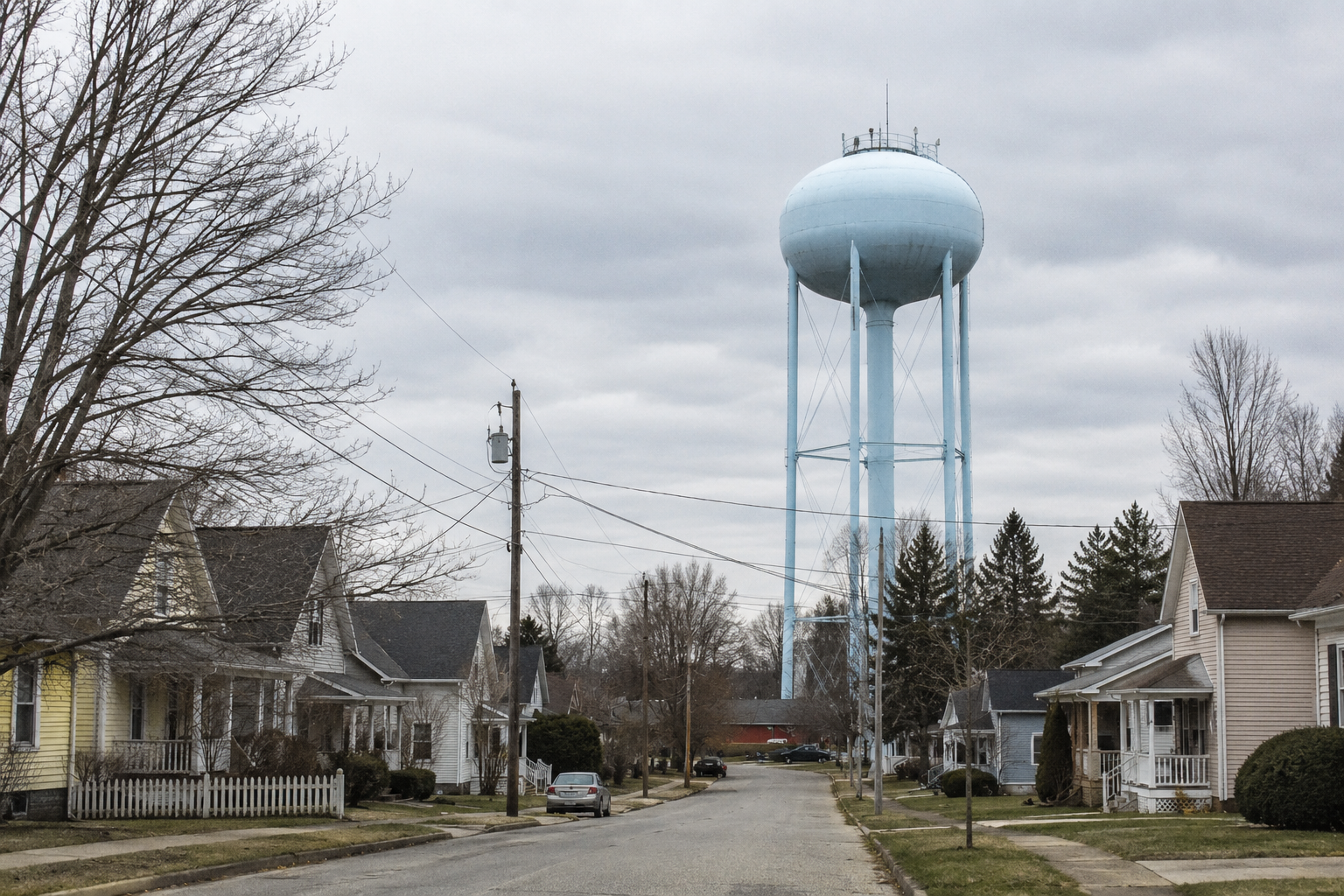
One of the biggest reasons municipal water often continues working after a blackout begins is the water tower. Many people see these structures every day without giving them much thought, but they play a critical role in keeping water flowing throughout a community. In many cases, the water tower becomes the difference between having running water for several hours and losing service almost immediately.
Water towers work by storing large volumes of treated water high above the ground. Gravity naturally creates pressure as the water moves downward through the distribution system. Because that pressure already exists before the outage begins, water can continue flowing to homes and businesses even when electric pumps temporarily stop operating.
This is why a family may lose electricity yet still be able to take a shower, wash dishes, flush toilets, or fill containers from the tap. The water is not being actively pumped to the house at that moment. Instead, it is coming from water that was already stored and pressurized before the outage occurred.
The problem is that many people mistake this temporary resilience for unlimited capacity. Water towers are reserves, not endless supplies. Every gallon used during the outage reduces the amount available in storage. If pumps cannot refill the tower because the electrical outage continues or backup systems fail, water levels gradually decline. As those levels drop, pressure throughout the system can begin falling as well.
Heavy water use can accelerate this process. During emergencies, people often fill bathtubs, wash clothes, take extra showers, top off containers, and store water for later use. While these actions may be reasonable preparedness measures, they also increase demand at exactly the time when the utility’s ability to replenish reserves may be limited.
Communities with multiple towers, large storage facilities, and robust backup power systems generally have more flexibility than smaller systems with limited reserves. Even so, every water utility eventually depends on functioning pumps to restore storage levels and maintain normal operations. Gravity can buy time, but it cannot replace the infrastructure needed to keep the entire system running.
This delayed effect is one reason many residents underestimate how serious a prolonged blackout can become. During the first several hours, everything may appear normal. Water still comes from the faucet, toilets still flush, and daily routines continue. The real challenges often begin later, after storage levels start falling and utilities must work harder to maintain pressure across the system.
📌 Did You Know?
Water towers do not need electricity to create pressure. They use gravity, which is why many homes still have running water during the early stages of a blackout.
What Happens in the First Few Hours of a Blackout
For most households connected to a municipal water system, the first few hours of a blackout may feel surprisingly normal. Water continues flowing from faucets, toilets still flush, and many people assume the water system is unaffected by the loss of electricity. In reality, utility operators are often already assessing conditions, monitoring storage levels, and determining how long backup systems can support critical operations.
During this period, water towers and storage tanks are doing much of the work. If they were near full capacity before the outage began, they can continue supplying water to customers while treatment plants and pumping stations switch to backup power or wait for electrical service to be restored. Many utilities are specifically designed to handle short interruptions without causing immediate service disruptions.
This early stage is also when customer behavior starts influencing how the situation develops. Some residents continue using water normally because they assume everything is fine. Others begin filling containers, buckets, sinks, bathtubs, and any available storage vessel. A sudden increase in demand can place additional stress on the system at the exact moment utilities are trying to preserve reserves.
From a preparedness standpoint, the first few hours are often the best opportunity to increase your household’s water supply. If water pressure remains strong and no contamination concerns have been reported, filling clean containers early provides additional security if conditions worsen later. Waiting until pressure begins dropping may leave you competing with thousands of other residents drawing from the same limited reserves.
Most families should also pay attention to local emergency announcements during this period. Utility companies, emergency management agencies, and local governments may issue updates regarding water service, conservation requests, boil water advisories, or expected restoration timelines. As discussed in How Long Will Cell Towers Work During a Blackout?, communication systems can also become less reliable during extended outages, making it important to gather information while normal channels are still functioning.
Although serious water problems are uncommon during the opening hours of many blackouts, this is the stage where preparation has the greatest impact. Households that use the time wisely can build a reserve of water, monitor developments, and reduce future stress. Those who assume the situation will remain unchanged indefinitely may find themselves scrambling later if the outage extends beyond initial expectations.
💡 Pro Tip
If water is still flowing during the early hours of a blackout, fill clean containers immediately. Waiting until pressure drops can leave you with weak flow, empty shelves, and fewer safe storage options.
What Happens After 24 Hours Without Power
Once a blackout reaches the 24-hour mark, the situation begins changing for both water utilities and the households that depend on them. A short disruption that initially seemed manageable can start creating operational challenges behind the scenes, even if many customers still have running water. At this stage, the focus shifts from surviving the outage itself to sustaining critical infrastructure for an unknown period of time.
Utilities that have backup generators may still be operating normally, but generators are only part of the equation. Fuel consumption becomes an increasingly important concern, especially during widespread outages where transportation networks, fuel stations, and supply chains may also be experiencing disruptions. A generator that performs perfectly for the first day becomes much less useful if fuel deliveries cannot reach the facility several days later.
Water towers and storage tanks may also be showing signs of increased demand. Communities often experience higher water usage during emergencies as residents fill containers, store water for later use, and attempt to prepare for a longer disruption. If pumping capacity has been reduced, utilities may struggle to replenish reserves as quickly as customers are using them.
For residents, the first noticeable changes may be subtle. Water pressure might fluctuate during peak usage periods. Upper floors of apartment buildings and homes located on higher elevations may experience weaker flow than properties in lower areas. Some households may notice air sputtering from faucets or temporary pressure drops that were not present during the first several hours of the outage.
Local officials may also begin encouraging water conservation measures. Requests to postpone laundry, reduce shower times, avoid unnecessary outdoor water use, and limit other high-volume activities become more common as utilities work to preserve storage levels. Even if water is still available, reducing consumption helps extend the amount of time the system can continue functioning normally.
This stage of a blackout is often where people realize how interconnected infrastructure systems really are. Water depends on electricity, fuel deliveries, communications, transportation, and available personnel. The same factors affecting fuel supplies may also influence water operations, which is one reason understanding How Long Will Gas Stations Work During a Blackout? provides valuable context when evaluating how long critical services can remain operational.
For most households, the safest approach after the first day is to assume conditions could deteriorate faster than expected. Even if water service appears normal, this is a good time to increase conservation efforts, verify emergency supplies, and prepare for the possibility that pressure reductions, boil water advisories, or service interruptions could occur if the outage continues.
What Happens After 48 to 72 Hours Without Power
By the time a blackout reaches 48 to 72 hours, municipal water systems are operating under far different conditions than they were during the first day. The exact situation varies from one community to another, but this is often the point where backup plans begin facing real stress. Utilities may still be functioning, but maintaining normal service becomes increasingly difficult if power restoration remains uncertain.
Storage levels become a major concern during this stage. Water towers and reserve tanks are designed to provide a buffer against interruptions, not to serve as a permanent replacement for active pumping and treatment operations. If generators have experienced problems, fuel supplies are becoming limited, or demand has remained elevated, utilities may struggle to keep storage levels where they need to be.
Customers may begin noticing more obvious signs that the system is under pressure. Water flow can become inconsistent, pressure may drop noticeably during certain times of the day, and some neighborhoods may experience interruptions before others. Areas located farther from treatment facilities, booster stations, or storage infrastructure often feel these effects sooner than locations closer to critical system components.
One of the most significant concerns during this period is the potential loss of adequate system pressure. Municipal water systems are designed to keep water moving outward through the pipes. When pressure falls too low, the risk of contaminants entering the system increases. Small leaks, damaged pipes, aging infrastructure, and other weak points that normally pose little risk can become pathways for contamination when pressure is no longer maintained.
This is why boil water advisories frequently accompany major water system disruptions. Even if water continues flowing from the tap, utilities may no longer be able to guarantee that the water remains safe to drink without additional treatment. Households that have stored water, water filters, or alternative purification methods are often in a much stronger position than those relying entirely on the municipal supply.
At the same time, other infrastructure systems may also be experiencing increasing strain. Grocery inventories can become less predictable, fuel availability may tighten, communication networks may degrade, and emergency services may be stretched across a wider area. As discussed in How Long Will Grocery Stores Have Food During an Emergency?, disruptions rarely remain isolated to a single service for very long.
The 48-to-72-hour window is often where preparedness begins separating inconvenience from hardship. Families with stored water, emergency supplies, and a realistic understanding of how infrastructure operates can adapt more easily. Those who assumed utilities would continue functioning indefinitely may find themselves facing difficult decisions at the same time other critical resources are becoming harder to obtain.
🚨 Imagine This…
A regional blackout enters its third day. Water still trickles from the faucet, but pressure is weak, local officials issue a boil water advisory, and grocery stores are already low on bottled water. Families that stored water early are much better prepared than those who waited.
Why Water Pressure Is More Important Than Most People Realize
When most people think about a water emergency, they imagine turning on a faucet and seeing nothing come out. In reality, one of the biggest threats during a prolonged blackout is not the complete loss of water but the gradual loss of water pressure. Pressure is what keeps municipal water systems functioning safely, and once it begins falling below normal levels, a series of problems can follow.
Under normal conditions, water systems maintain positive pressure throughout the distribution network. This constant pressure helps ensure that water continues moving outward toward homes, businesses, schools, and hospitals. As long as the system remains pressurized, contaminants outside the pipes have a much harder time entering the water supply.
Problems begin when pressure drops significantly. Small cracks in aging pipes, damaged service lines, leaking connections, and other weak points that may not cause issues during normal operation can become potential entry points for contamination. Instead of clean water being forced outward, pressure changes can allow outside substances to enter areas of the distribution system where they do not belong.
This is one reason utilities take pressure loss so seriously during emergencies. A system may still have water available, but if operators can no longer maintain safe pressure levels, they may issue precautionary boil water advisories until testing confirms that the water remains safe. To many residents, this can seem confusing because water is still coming out of the faucet. The concern is not whether water exists; the concern is whether the utility can guarantee its quality.
Pressure issues can also affect everyday activities long before service is completely interrupted. Showers may become weaker, washing machines may take longer to fill, and faucets may sputter as air enters portions of the system. Homes located at higher elevations often experience these problems first because they require more pressure to receive adequate water flow.
For households, declining pressure should be viewed as a warning sign rather than a minor inconvenience. It may indicate that storage levels are falling, pumping capacity has been reduced, or the utility is facing increasing operational challenges. If water pressure begins dropping during a widespread blackout, it is usually wise to conserve water immediately and prepare for additional service disruptions.
This is also why emergency planners emphasize storing water before an emergency rather than waiting until one develops. Once pressure starts declining across a community, thousands of people may attempt to secure additional water at the same time. Having your own supply already in place removes much of the uncertainty and allows you to focus on other priorities if conditions continue worsening.
Boil Water Advisories and Contamination Risks During a Blackout
One of the most misunderstood aspects of a water emergency is the boil water advisory. Many people assume that if water is still coming out of the faucet, it must be safe to drink. During a prolonged blackout, however, water quality can become a concern even when service has not completely stopped. This is why utilities sometimes issue boil water notices before customers experience a total loss of water.
A boil water advisory does not necessarily mean contamination has already occurred. In many cases, it is a precautionary measure issued because the utility can no longer guarantee that normal operating conditions have been maintained throughout the distribution system. Pressure loss, equipment failures, treatment interruptions, line breaks, or other operational issues may create uncertainty about water quality until additional testing can be completed.
When pressure drops below acceptable levels, the risk of outside contaminants entering the system increases. Water utilities are responsible for delivering safe drinking water, so operators often take a conservative approach when conditions become uncertain. Issuing a boil water advisory helps reduce the risk of residents consuming potentially unsafe water while the system is being evaluated.
For households, a boil water advisory affects more than drinking water. Water used for cooking, making ice, brushing teeth, preparing infant formula, washing produce, and taking medications may also need to be treated before use. During a widespread emergency, these additional requirements can significantly increase the amount of safe water a family needs each day.
The challenge becomes even greater when the outage extends for several days. Families may already be dealing with food storage concerns, fuel shortages, communication difficulties, and other disruptions. Adding water treatment requirements to that list can place additional strain on households that were not prepared ahead of time. This is one reason many preparedness experts recommend maintaining a reserve of potable water rather than relying entirely on the municipal supply.
Water filters can help address certain contaminants, but not all filters provide the same level of protection. Some are designed primarily to improve taste and reduce sediment, while others are capable of removing bacteria, protozoa, and additional threats. Understanding the capabilities of your equipment before an emergency occurs is far better than trying to learn during a crisis.
The safest approach is to assume that water quality could become an issue during a long-duration blackout. If a boil water advisory is issued, follow the instructions provided by local officials and use stored water whenever practical. A family that has prepared for temporary water quality problems will be far more comfortable than one that suddenly discovers every gallon coming from the faucet now requires additional treatment before use.
⚠ Important Warning
Do not assume tap water is safe just because it is still flowing. If pressure drops or a boil water advisory is issued, treat water before drinking, cooking, brushing teeth, or preparing baby formula.
What Happens to Sewage and Wastewater Systems During a Blackout
When people think about water during a blackout, they usually focus on what comes out of the faucet. What leaves the house is just as important. Municipal wastewater systems depend on electricity in many of the same ways that drinking water systems do, and problems with sewage can become a serious concern during prolonged outages.
Many sewer systems rely on lift stations to move wastewater from lower elevations to higher elevations before it reaches treatment facilities. These lift stations use electric pumps to keep sewage flowing through the system. During a blackout, backup generators may keep critical stations operating for a period of time, but prolonged outages increase the risk of equipment failures, fuel shortages, or reduced pumping capacity.
If wastewater can no longer move efficiently through the system, communities may experience sewer overflows, backups, or other sanitation issues. While these situations are not guaranteed to occur during every outage, they become more likely as infrastructure remains under stress for longer periods. Heavy rainfall, flooding, or additional damage to utility systems can make the situation even worse.
For homeowners, one of the biggest concerns is the possibility of sewage backing up into drains, tubs, or lower-level plumbing fixtures. Homes connected to municipal sewer systems generally have some protection from immediate problems, but no system is immune if pumping stations or treatment facilities experience major disruptions.
Sanitation challenges often become more noticeable as an outage extends beyond several days. Even if drinking water remains available, wastewater problems can create health risks and significantly reduce quality of life. This is one reason long-duration blackouts become far more complicated than simply living without electricity. Multiple infrastructure systems begin affecting one another, creating challenges that many households have never experienced before.
Prepared families often focus on drinking water storage, but it is equally important to think about sanitation. Having basic supplies available for hygiene, cleaning, and emergency toilet use can make a difficult situation much easier to manage if municipal systems begin experiencing problems.
As outages grow longer, water, wastewater, communications, fuel, and food systems become increasingly connected. Understanding those relationships helps explain why extended emergencies can escalate quickly even when individual problems seem manageable at first.
What Families Should Do While Water Is Still Running
One of the biggest mistakes people make during a blackout is assuming that because water is still flowing from the faucet, it will continue flowing indefinitely. The period when water service remains available is the best opportunity to prepare for the possibility that conditions could worsen later. Taking a few simple steps early can provide a significant advantage if the outage lasts longer than expected.
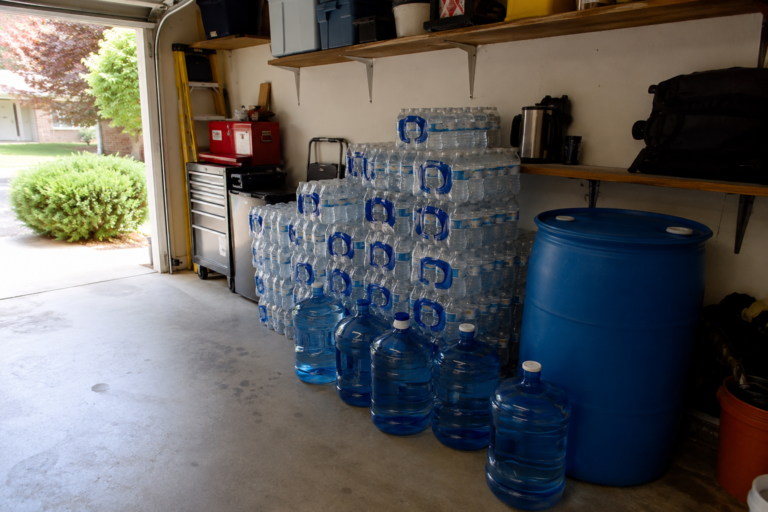
The first priority should be storing additional water while pressure is still normal. Clean containers, water jugs, pitchers, bottles, and other food-grade storage containers can all help increase your available supply. Even containers intended for non-drinking uses can be valuable because sanitation, cleaning, and toilet flushing often consume far more water than most people realize.
It is also a good idea to fill bathtubs and larger containers if a prolonged outage appears likely. Water stored for sanitation purposes can reduce the amount of drinking water your household needs to use for washing, cleaning, or flushing toilets. Separating potable water from utility water helps stretch supplies much further.
Conservation should begin immediately rather than waiting until water pressure starts dropping. Shorter showers, postponing laundry, reducing unnecessary water use, and fixing leaks can all help preserve both household supplies and community reserves. If thousands of households reduce consumption, municipal storage levels often remain stable much longer than they otherwise would.
Families should also monitor local emergency updates closely. Utility companies may issue conservation requests, boil water advisories, or other notices that provide valuable insight into the condition of the system. Information gathered early often allows households to adjust before shortages or restrictions become widespread.
A blackout is rarely limited to a single problem. Water concerns frequently develop alongside communication disruptions, fuel shortages, and supply chain issues. Having a broader preparedness plan in place can make decision-making much easier as conditions change. This is why a Family Emergency Communication Plan can be just as important as stored supplies during a prolonged emergency.
Ultimately, the goal is simple: use the time while water is still available to prepare for the possibility that it may not remain available forever. Households that act early generally have more options, less stress, and a greater ability to adapt if the blackout extends beyond initial expectations.
🛒 Recommended Municipal Water Emergency Gear
These water preparedness supplies help you store, treat, and manage water if municipal service becomes weak, unsafe, or unavailable during a prolonged blackout.
Emergency Water Storage Container
Stores extra water for drinking, cooking, hand washing, and toilet flushing before pressure drops.

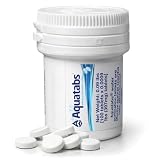
Water Purification Tablets
Provides a compact backup treatment option if tap water becomes questionable or a boil water advisory is issued.
Frequently Asked Questions
Will tap water stop immediately during a blackout?
Usually no. Many municipal systems continue operating for hours or even days because water towers, storage tanks, and backup generators help maintain service.
Can tap water become unsafe during a blackout?
Yes. If water pressure drops or treatment operations are disrupted, utilities may issue boil water advisories until water quality can be verified.
How much emergency water should I store?
A common recommendation is at least one gallon per person per day, but many families find they need more when cooking, sanitation, pets, and hygiene are included.
Do water towers work without electricity?
Yes. Water towers use gravity to maintain pressure, which allows water to continue flowing even when electrical pumps are temporarily offline.
☑ Municipal Water Preparedness Checklist
- ☑ Store emergency drinking water before outages happen.
- ☑ Fill clean containers while pressure is still strong.
- ☑ Keep water for sanitation and toilet flushing.
- ☑ Monitor local utility alerts and boil water advisories.
- ☑ Have a backup water filter or purification method.
- ☑ Conserve water as soon as an outage begins.
- ☑ Store extra water for pets, medications, and hygiene.
📚 Continue Reading
Continue building your blackout water and infrastructure preparedness plan.
Final Thoughts
Municipal water systems are remarkably resilient, which is why many households continue receiving water long after the power goes out. Water towers, storage tanks, backup generators, treatment facilities, and distribution networks are designed to help communities withstand short-term disruptions. The challenge is that none of those systems are designed to operate indefinitely without reliable power, fuel, maintenance, and personnel.
For most families, the danger is not that water disappears the moment a blackout begins. The danger is assuming that because water is available today, it will still be available tomorrow. As outages extend from hours into days, utilities face increasing pressure to maintain treatment operations, keep storage levels adequate, preserve system pressure, and ensure water remains safe for public use.
That is why preparedness starts before an emergency occurs. A household with stored water, basic sanitation supplies, and a realistic understanding of how infrastructure works is far better positioned than one that relies entirely on the assumption that public utilities will continue functioning normally. Even a modest water reserve can provide valuable flexibility if conditions deteriorate.
Long-duration blackouts rarely affect only one service. Water systems interact with fuel supplies, communications networks, transportation infrastructure, grocery distribution, and emergency services. When one system struggles, the effects often spread into others. Understanding those connections can help families make smarter decisions and avoid being caught off guard by problems that develop several days into an emergency.
If you are building a comprehensive blackout preparedness plan, continue with 2-Week Blackout Survival Plan and Should You Stay or Bug Out?. Both topics help answer the next question that follows every discussion about infrastructure failures: what should your family do if the outage lasts much longer than expected?
The best time to prepare for a water emergency is while the faucet is still working normally. Once pressure begins falling or service becomes unreliable, your options become much more limited. A little preparation today can make a major difference if the next blackout lasts longer than anyone anticipated.