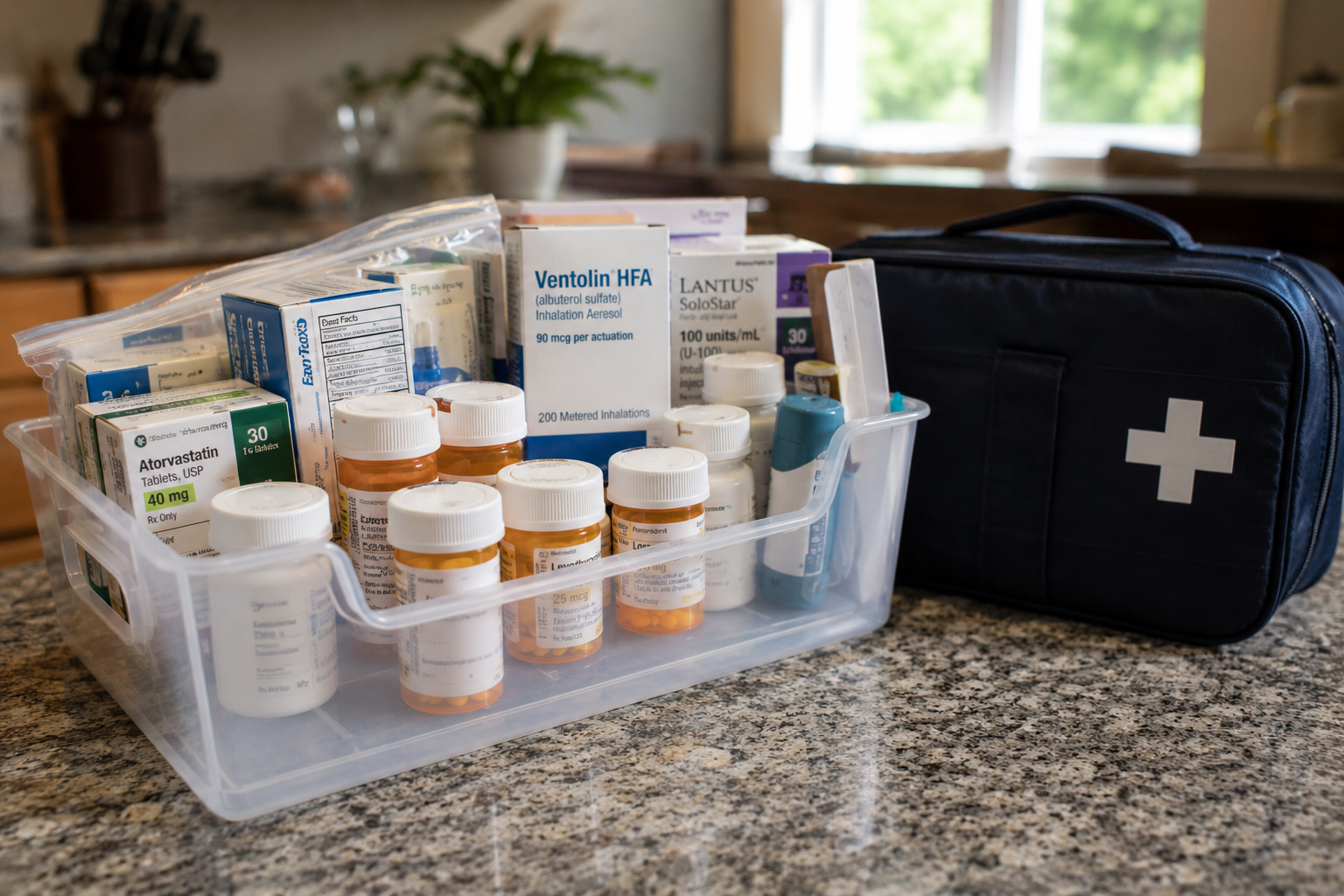
What Happens When Prescription Medications Run Out During a Disaster
Prescription medications can become unavailable during a disaster far sooner than many families expect, creating serious challenges when pharmacies, healthcare providers, and supply chains are disrupted.
This post contains affiliate links. I may earn a small commission at no extra cost to you. Learn more.
When most people think about emergency preparedness, they usually picture food, water, flashlights, batteries, generators, and fuel. Those supplies are unquestionably important, yet millions of Americans depend on something even more critical to their daily well-being: prescription medications. Unlike many household necessities that can be rationed, substituted, or temporarily reduced during a crisis, certain medications must be taken consistently to manage chronic medical conditions and prevent potentially serious health complications.
One of the biggest misconceptions surrounding disasters is the belief that pharmacies will continue operating normally regardless of what happens around them. In reality, prescription access depends on a complex network of healthcare providers, insurance systems, transportation infrastructure, wholesalers, manufacturers, computer networks, payment processors, and distribution centers. A disruption affecting any link in that chain can create delays that leave patients unable to obtain the medications they rely upon every day.
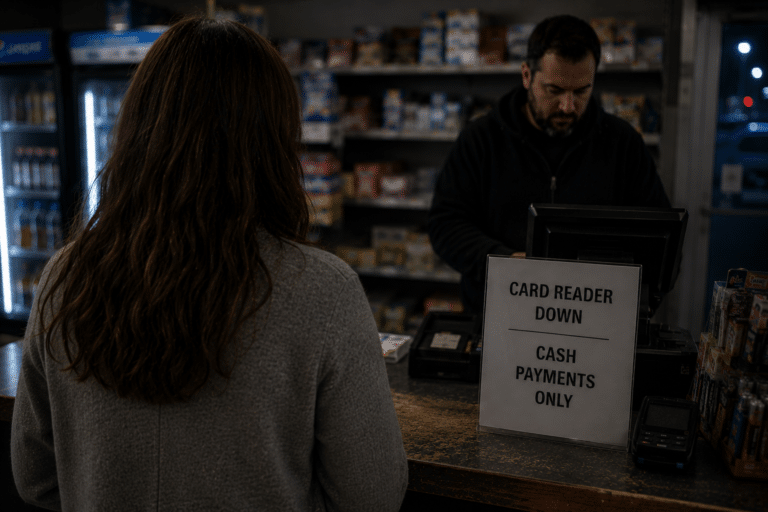
During localized emergencies, residents may assume they can simply drive to another town to refill a prescription. That solution may work for a short-term incident affecting a small area, but larger disasters often impact entire regions simultaneously. Roads may become impassable, fuel supplies may become limited, pharmacies may operate under reduced hours, and medical providers may struggle to access patient records. As discussed in When ATMs and Credit Cards Stop Working During a Blackout, even businesses that remain physically open can experience significant operational challenges when electronic systems become unreliable.
Many medications do not create immediate problems when a single dose is missed, which can lead people to underestimate the seriousness of a developing shortage. The danger often emerges gradually. A patient may skip doses to stretch a remaining supply, reduce medication frequency without medical guidance, or wait several days hoping conditions improve before seeking alternatives. By the time symptoms become noticeable, options for obtaining a refill may be far more limited than they were at the beginning of the emergency.
Certain prescription categories carry particularly significant risks when supplies are interrupted. Individuals who depend on insulin, seizure medications, heart medications, asthma treatments, or other life-sustaining prescriptions may experience worsening medical conditions within days or even hours. Other medications may not create an immediate emergency but can still lead to serious complications when treatment is interrupted for extended periods.
The challenge becomes even greater during prolonged disruptions. As discussed in What Happens After 7 Days Without Power?, many systems that appear resilient during the first few days of a crisis begin experiencing increasing strain as resources, staffing, transportation, and communications become more difficult to maintain. A household that starts an emergency with only a week or two of medication available may discover that normal refill options remain unavailable long after their supply has been exhausted.
Another overlooked factor is that medication shortages do not only affect those currently taking prescriptions. Family members may suddenly become caregivers for elderly relatives, neighbors with chronic medical conditions, or children with specialized health needs. The responsibility of helping others obtain necessary medications can quickly become a major concern during a widespread emergency, particularly when healthcare facilities are overwhelmed or operating with reduced capacity.
Preparedness planning often focuses on surviving without outside assistance for several days, but prescription medications highlight a different reality. For many households, maintaining access to healthcare essentials can become a pressing concern long before food supplies run low or water reserves become depleted. Understanding how medication access can be disrupted is the first step toward creating a realistic preparedness strategy that addresses one of the most important yet frequently overlooked vulnerabilities in modern life.
Quick Answer
Prescription medications can become difficult or impossible to obtain during a disaster because pharmacies depend on electricity, internet access, wholesalers, transportation networks, and healthcare providers to refill prescriptions. Preparing ahead by maintaining an emergency medication supply and keeping accurate medical records can help reduce the risk of running out when normal services are disrupted.
✓ Key Takeaways
- Many prescriptions cannot be replaced immediately during a disaster.
- Pharmacies rely on multiple systems that may fail during emergencies.
- Talk with your healthcare provider about maintaining an emergency supply.
- Keep medication records with your emergency documents.
- Never change or skip prescription medications without medical guidance.
How Pharmacies Are Affected During Different Types of Disasters
Many people assume that obtaining prescription medications during an emergency will be as simple as driving to another pharmacy if their usual location is closed. Unfortunately, modern pharmacies rely on a wide range of interconnected systems that can be disrupted by severe weather, infrastructure failures, cyberattacks, fuel shortages, transportation problems, and widespread power outages. Even when a pharmacy building remains standing and employees are available to work, the systems required to process prescriptions and restock medications may not be functioning normally.
The impact varies depending on the type of disaster, but the result is often the same: patients face increasing difficulty obtaining the medications they depend on. Understanding how different emergencies affect pharmacy operations can help families recognize why maintaining an emergency medication reserve is just as important as storing food and water.
Power Outages
Extended power outages can create immediate challenges for pharmacies. Computers, internet connections, prescription databases, payment systems, refrigeration equipment, security systems, and communication networks all depend on electricity. While some larger locations may have backup generators, many pharmacies do not have enough emergency power to maintain normal operations indefinitely.
Without access to electronic records, pharmacy staff may be unable to verify prescriptions, check refill eligibility, process insurance claims, or communicate with healthcare providers. Refrigerated medications can also become vulnerable if backup power systems fail or fuel supplies run low. As discussed in How Long Will Municipal Water Systems Work During a Blackout?, many critical services remain functional for a period of time after the power goes out, but prolonged outages often expose vulnerabilities that become increasingly difficult to manage.
Hurricanes and Major Storm Systems
Hurricanes can disrupt medication access long before landfall occurs. Residents frequently rush to refill prescriptions ahead of the storm, creating temporary shortages and overwhelming pharmacy staff. Once the storm arrives, flooding, wind damage, road closures, and utility failures can prevent pharmacies from opening or receiving new shipments.
Even after conditions improve, transportation networks may remain disrupted for days or weeks. Delivery trucks carrying prescription medications may struggle to reach affected areas, forcing pharmacies to ration available inventory until supply chains stabilize.
Flooding Events
Floods can have a particularly severe impact because they often damage buildings, warehouses, roads, bridges, and transportation routes simultaneously. A pharmacy that survives flooding may still be unable to operate if employees cannot safely reach work or delivery vehicles cannot access the area.
Floodwaters can also destroy stored medications, medical supplies, and critical equipment. In heavily affected regions, entire healthcare systems may operate under emergency conditions while waiting for replacement inventory and infrastructure repairs.
Wildfires
Wildfires present unique challenges because evacuations often occur with little warning. Families may leave home quickly and forget essential medications during the rush to evacuate. At the same time, pharmacies located within evacuation zones may close indefinitely, leaving residents scrambling to transfer prescriptions elsewhere.
Smoke damage, power outages, damaged communication systems, and transportation disruptions can affect communities far beyond the actual fire perimeter. Patients who normally refill prescriptions on a predictable schedule may suddenly find themselves competing with thousands of other displaced residents seeking the same medications.
Winter Storms and Extreme Cold
Severe winter weather can isolate communities even when no major infrastructure damage occurs. Heavy snow, ice accumulation, and hazardous driving conditions can prevent pharmacy employees from reaching work and make deliveries impossible for several days.
Patients who wait until the last few days of a prescription supply may discover that roads remain unsafe longer than expected. This is particularly concerning for individuals who rely on medications that cannot be skipped without medical consequences.
Winter weather can also threaten refrigerated medications if heating systems fail. As explored in What Happens After 7 Days Without Power?, maintaining safe temperatures inside homes becomes increasingly difficult during prolonged outages, creating additional challenges for medications that require specific storage conditions.
Cyberattacks and Technology Failures
Modern healthcare depends heavily on digital systems. Pharmacies use electronic prescribing platforms, insurance verification systems, inventory databases, payment networks, and patient records that communicate with one another continuously throughout the day.
A large-scale cyberattack or software failure can disrupt these systems even when buildings remain open and employees are present. Pharmacists may have difficulty verifying prescriptions, confirming refill histories, checking medication interactions, or processing transactions. In recent years, healthcare organizations have experienced cyber incidents that temporarily slowed or disrupted prescription services across large portions of the country, demonstrating how dependent modern healthcare has become on digital infrastructure.
Supply Chain Disruptions
Some of the most serious medication shortages occur far away from the communities affected by a disaster. Manufacturing interruptions, transportation bottlenecks, labor shortages, international shipping problems, or disruptions at pharmaceutical distribution centers can reduce medication availability across entire regions or even nationwide.
Unlike temporary pharmacy closures, supply chain disruptions may persist for weeks or months. A patient may have access to an open pharmacy, active insurance coverage, and a valid prescription, yet still be unable to obtain medication because inventory simply is not available.
This is one reason preparedness experts encourage families to think beyond short-term emergencies. As discussed in How Much Food Should a Family Store for 30 Days?, disruptions lasting several weeks create challenges that differ significantly from a brief power outage. Medication access follows the same pattern. The longer a crisis continues, the greater the likelihood that shortages, delays, and supply interruptions will affect normal healthcare services.
The common thread connecting all of these disasters is that prescription access depends on far more than a pharmacy’s front door being unlocked. Healthcare providers, insurance companies, transportation networks, communication systems, wholesalers, manufacturers, utility providers, and countless other components must continue functioning together. When multiple parts of that system experience stress simultaneously, obtaining necessary medications can become far more difficult than most people expect.
⚠ Important Warning
Never reduce dosages, split pills, stop taking prescription medications, or substitute another medication without guidance from your healthcare provider. Improper medication use can create serious health risks that may be more dangerous than the disaster itself.
How Long Most People Can Continue Taking Their Medications During an Emergency
The amount of time a person can continue taking prescription medications during a disaster depends almost entirely on how much medication they have available when the emergency begins. While many households maintain weeks or even months of food and bottled water, prescription supplies are often much more limited. In many cases, patients have only enough medication to last until their next scheduled refill date.
This creates a preparedness challenge that many people do not recognize until they are already facing a disruption. A family may have adequate emergency food storage, backup lighting, batteries, and water reserves, yet still find themselves dealing with a serious medical problem because an essential prescription cannot be replaced.
Most insurance plans are designed around routine refill schedules rather than emergency preparedness. Depending on the medication and insurance provider, patients may receive a thirty-day, sixty-day, or ninety-day supply at a time. While that sounds like a significant amount, the available reserve is often much smaller than it appears.
For example, someone who receives a thirty-day prescription and refills it on schedule may only have a few weeks remaining before they need another refill. If a major storm, regional blackout, flood, wildfire, or transportation disruption occurs during that period, the window for obtaining additional medication may be surprisingly short.
Many people assume they can simply reduce their dosage or skip occasional doses to stretch a supply during an emergency. This can be dangerous because medications are prescribed according to specific treatment plans developed by healthcare providers. Altering those instructions without medical guidance may reduce effectiveness, worsen symptoms, or create additional health complications.
The timeline for developing problems varies dramatically depending on the medication involved. Some prescriptions may allow a degree of flexibility, while others are considered critical and should never be interrupted without professional guidance. Certain medications can cause withdrawal symptoms, worsening medical conditions, or potentially life-threatening complications when they are stopped suddenly.
Another factor that is often overlooked is that disasters rarely arrive at convenient times. A person may be fully stocked one month and nearly due for a refill the next. The exact timing of an emergency can significantly affect how much medication remains available when normal healthcare services become disrupted.
Natural disasters frequently create waves of demand that place additional pressure on pharmacies. Thousands of residents may attempt to refill prescriptions at the same time after receiving warnings about an approaching hurricane, winter storm, or severe weather event. This surge in demand can temporarily reduce inventory even before the disaster itself causes transportation or infrastructure problems.
As discussed in How Long Will Grocery Stores Have Food During an Emergency?, shortages often begin because large numbers of people attempt to purchase the same items simultaneously. Prescription medications can experience similar pressures when large populations suddenly decide they need additional supplies at the same time.
Households that care for elderly relatives face additional concerns because older adults are more likely to take multiple medications each day. Managing several prescriptions with different refill dates can make preparedness planning considerably more complicated. A disruption that affects one medication may not affect another, creating gaps in treatment that become difficult to manage during stressful conditions.
Parents of children with chronic medical conditions face similar challenges. Inhalers, allergy medications, seizure treatments, diabetes supplies, and other specialized prescriptions may not be readily available during emergencies. Waiting until supplies are nearly exhausted before considering contingency plans can leave families with very few options if pharmacies experience prolonged disruptions.
People who rely on mail-order pharmacies should also consider the possibility of shipping delays. While mail-order services can provide convenience and larger prescription quantities, severe weather, transportation interruptions, labor shortages, or distribution problems can delay deliveries at the exact moment medications are needed most.
The reality is that most families have far less medication resilience than they realize. A household that can comfortably handle several weeks without grocery stores, restaurants, or fuel deliveries may still face serious challenges if essential prescriptions become unavailable. Understanding how long current supplies would realistically last is one of the first steps toward building a more complete emergency preparedness plan.
Rather than assuming medications will always remain available, preparedness-minded families should evaluate each prescription they depend upon, understand refill limitations, review storage requirements, and discuss emergency planning options with healthcare providers before a crisis occurs. Taking those steps in advance can provide significantly more flexibility than trying to solve medication shortages after a disaster is already underway.
💡 Pro Tip
Store a printed medication list that includes prescription names, dosages, prescribing physicians, pharmacy contact information, allergies, and medical conditions inside your emergency binder and bug out bag.
What Happens When Common Prescription Medications Run Out
Not all prescription medications carry the same level of risk when supplies become unavailable. Some medications may be missed temporarily with relatively minor consequences, while others can lead to rapidly worsening medical conditions if treatment is interrupted. The exact outcome depends on the medication, the condition being treated, the patient’s overall health, and how long the interruption lasts.
Because every medical situation is different, individuals should always follow the guidance of their healthcare providers regarding prescription use. However, understanding why certain medications are considered especially important during emergencies can help families prioritize preparedness efforts and identify which prescriptions deserve the most attention when creating a disaster plan.
Blood Pressure Medications
High blood pressure often produces few noticeable symptoms, which can create a false sense of security when medications become unavailable. A person may feel completely normal after missing several doses and assume the interruption is not causing any harm. Unfortunately, elevated blood pressure can increase the risk of heart attack, stroke, kidney damage, and other serious complications over time.
Some individuals may experience headaches, dizziness, shortness of breath, or chest discomfort when blood pressure rises significantly. Others may notice no symptoms at all despite potentially dangerous increases. This makes blood pressure medications particularly challenging because the consequences of interruption are not always immediately obvious.
During a prolonged emergency, maintaining consistent access to prescribed treatments becomes an important part of protecting long-term health, especially for older adults and those with existing cardiovascular conditions.
Diabetes Medications
Many people with diabetes rely on daily medications to help regulate blood sugar levels and reduce the risk of complications. When these medications become unavailable, blood glucose levels may begin moving outside healthy ranges, creating both short-term and long-term concerns.
Symptoms of poorly controlled blood sugar can include fatigue, increased thirst, frequent urination, blurred vision, headaches, and difficulty concentrating. As conditions worsen, the risk of more serious complications increases.
Disasters can make diabetes management especially difficult because stress, altered eating habits, limited food availability, dehydration, illness, and disrupted daily routines can all affect blood sugar control. This combination of factors means medication interruptions may become more problematic during emergencies than they would under normal circumstances.
Insulin
Insulin deserves special attention because it is one of the most critical medications that many individuals depend upon for survival. Unlike some prescriptions that can be temporarily interrupted with manageable consequences, insulin shortages can quickly become dangerous.
In addition to maintaining an adequate supply, insulin users must also consider storage requirements. Extended power outages may affect refrigeration, creating concerns about maintaining proper temperatures for insulin supplies. As discussed in How Long Will Internet Service Work During a Blackout?, many people focus on communication disruptions during emergencies, but medical storage challenges can become equally important as outages continue.
For households that depend on insulin, emergency planning often involves discussions with healthcare providers about backup supplies, storage solutions, temperature monitoring, and contingency plans for prolonged disruptions.
Asthma Inhalers and Respiratory Medications
Individuals with asthma and other respiratory conditions may face increased challenges during disasters because environmental conditions frequently become less favorable. Smoke from wildfires, airborne dust from storms, mold following floods, debris from damaged structures, and poor air quality can all aggravate respiratory symptoms.
Rescue inhalers are often used during sudden breathing difficulties, making access particularly important when environmental conditions deteriorate. A person who normally uses an inhaler infrequently may discover that emergency conditions increase the need for respiratory support.
Preparedness planning should account not only for current medication use but also for the possibility that environmental stressors could increase demand during a crisis.
Heart Medications
Many heart-related prescriptions help manage conditions such as irregular heart rhythms, heart failure, coronary artery disease, and other cardiovascular concerns. Interruptions may increase the likelihood of worsening symptoms or complications depending on the specific medication and medical condition involved.
Stress can be a significant factor during disasters. Financial uncertainty, evacuation decisions, property damage, limited sleep, and concerns about family safety can place additional strain on the body. For individuals already managing cardiovascular conditions, maintaining consistent treatment becomes especially important during these periods of elevated stress.
As discussed in When ATMs and Credit Cards Stop Working During a Blackout, emergencies often create multiple sources of anxiety simultaneously. Those pressures can make underlying health conditions more difficult to manage if medications become unavailable.
Thyroid Medications
Thyroid medications are commonly prescribed to help regulate metabolism and support normal body functions. Unlike some medications that produce immediate effects when interrupted, thyroid medication shortages may develop more gradually.
Individuals may begin experiencing fatigue, changes in energy levels, difficulty concentrating, mood changes, sensitivity to temperature, or other symptoms as treatment remains interrupted. While the effects may not be immediately dramatic, prolonged shortages can significantly affect quality of life and overall health.
Because symptoms often develop slowly, some people may underestimate the importance of maintaining an emergency supply until the disruption has already become prolonged.
Antidepressants
Millions of Americans rely on antidepressant medications as part of their mental health treatment plans. Suddenly stopping certain antidepressants can result in uncomfortable symptoms that may include dizziness, headaches, sleep disturbances, nausea, irritability, mood changes, and other effects.
Disasters already place significant emotional strain on individuals and families. Concerns about housing, finances, employment, safety, and recovery efforts can create extraordinary stress. Experiencing medication interruptions during the same period may further complicate an already challenging situation.
Maintaining continuity of care becomes particularly important because mental health plays a major role in decision-making, resilience, communication, and the ability to navigate difficult circumstances effectively.
Anti-Anxiety Medications
Some anti-anxiety medications may produce withdrawal symptoms if they are stopped abruptly after regular use. The severity can vary depending on the medication, dosage, duration of treatment, and individual circumstances.
Because disasters often generate uncertainty and emotional stress, interruptions can occur at exactly the time people feel they need support the most. Individuals who rely on these medications should discuss emergency preparedness options with their healthcare providers before a crisis occurs rather than waiting until supplies become limited.
Having a plan in place ahead of time can help reduce uncertainty if normal refill procedures become disrupted.
Seizure Medications
For individuals with seizure disorders, maintaining consistent medication schedules is often critically important. Missed doses may increase the risk of breakthrough seizures, creating potentially serious safety concerns.
Transportation disruptions, power outages, damaged infrastructure, evacuation requirements, and pharmacy closures can all interfere with medication access during emergencies. Because seizure medications are often taken on strict schedules, even short interruptions may create challenges that require immediate attention.
Families caring for children or adults with seizure disorders should include medication continuity among their highest preparedness priorities and maintain updated medical information that can be quickly shared with healthcare providers if relocation or emergency treatment becomes necessary.
📌 Did You Know?
Many pharmacies can remain physically open after a disaster but still be unable to fill prescriptions because insurance verification systems, electronic prescription networks, wholesalers, or delivery trucks are offline.
The Importance of Identifying Critical Prescriptions Before a Disaster
One of the most valuable preparedness exercises a household can complete is identifying which medications are absolutely essential and understanding how long current supplies would realistically last. Many people discover they know exactly how much food, water, fuel, and battery capacity they have available, yet have never calculated how many days of prescription medication remain on hand.
As discussed in How Much Water Does a Family Need for 30 Days?, preparedness planning becomes much more effective when specific quantities are known in advance rather than estimated during a crisis. The same principle applies to prescription medications. Understanding refill schedules, storage requirements, insurance limitations, and emergency options before a disaster occurs can provide valuable flexibility when normal healthcare systems become strained.
For many households, prescription medications represent one of the most important preparedness supplies they own. While food and water often receive the most attention, maintaining access to essential treatments may ultimately have an even greater impact on health and safety during a prolonged emergency.
Why Refilling Prescriptions During a Disaster May Not Be Possible
Many people assume that if their medication supply begins running low during an emergency, they will simply contact their doctor, visit a pharmacy, and obtain a refill. Under normal circumstances that process may seem routine, but disasters can interrupt nearly every step involved in obtaining prescription medications. The challenge is not usually a single point of failure. Instead, multiple systems often experience disruptions simultaneously, making it far more difficult to replace essential medications than most people expect.
The modern prescription system depends on healthcare providers, pharmacies, insurance companies, electronic prescribing networks, internet connectivity, transportation infrastructure, distribution centers, manufacturers, and payment processing systems all functioning together. When one component experiences problems, alternatives may still exist. When several components are disrupted at the same time, refill options can become extremely limited.
Healthcare Providers May Be Difficult to Reach
Many prescriptions require authorization from a physician before additional refills can be issued. During a disaster, medical offices may close temporarily, lose power, operate with reduced staffing, or experience communication problems that make routine requests difficult to process.
Even healthcare providers who remain available may be overwhelmed by emergency medical needs. Patients seeking routine prescription renewals could find themselves competing for attention with individuals requiring urgent treatment, injuries, or disaster-related medical care.
Telephone systems may become overloaded, internet connections may fail, and electronic health record systems may be inaccessible. These disruptions can significantly slow what would normally be a simple refill request.
Electronic Prescription Systems Can Fail
Most prescriptions today move through electronic systems that connect healthcare providers, pharmacies, insurers, and patient records. These networks improve efficiency under normal conditions, but they also create dependence on technology that may not function reliably during a widespread emergency.
Power outages, cyberattacks, damaged communications infrastructure, software failures, and internet disruptions can all interfere with electronic prescription processing. Even if a pharmacy remains open, staff may have difficulty receiving new prescriptions or verifying existing information.
Recent healthcare-related cyber incidents have demonstrated how vulnerable modern medical systems can be when critical technology becomes unavailable. A pharmacy may have medication sitting on its shelves but still face challenges dispensing it if key systems cannot be accessed.
Insurance Processing May Be Interrupted
Insurance companies rely on electronic verification systems that normally approve prescriptions within seconds. During a disaster, communication problems or system outages can prevent pharmacies from confirming coverage and processing claims.
While emergency procedures may exist in some situations, delays can occur when insurance verification becomes unavailable. Patients who depend on insurance coverage for expensive medications may face additional complications if normal billing systems are temporarily inaccessible.
This is one reason emergency preparedness experts frequently recommend maintaining multiple layers of readiness. As discussed in When ATMs and Credit Cards Stop Working During a Blackout, disruptions affecting electronic systems often create cascading problems that extend far beyond the original emergency.
Pharmacy Inventory May Already Be Running Low
Even if prescriptions can be processed successfully, there is no guarantee that the medication will be available. Many pharmacies maintain inventory levels based on normal demand patterns. When thousands of people attempt to refill prescriptions before an approaching storm or immediately after a major disaster, available supplies can disappear much faster than expected.
Certain medications may already be experiencing regional or national shortages before a disaster occurs. A sudden increase in demand can quickly exhaust remaining inventory and create delays that last well beyond the initial emergency.
Patients often assume another pharmacy nearby will have the medication available. During widespread emergencies, however, neighboring pharmacies may be experiencing the same shortages and receiving deliveries from the same disrupted supply chain.
Transportation Problems Can Delay Deliveries
Pharmacies depend on regular deliveries from wholesalers and distribution centers to replenish inventory. Flooded roads, damaged bridges, fuel shortages, severe weather, labor disruptions, and transportation bottlenecks can all interfere with those deliveries.
Even a pharmacy that remains fully operational may struggle to maintain stock if replacement inventory cannot reach the location. Deliveries that normally arrive overnight may require several days or even weeks during severe disruptions.
As discussed in How Long Will Grocery Stores Have Food During an Emergency?, retail shelves can empty surprisingly quickly when supply chains stop moving. Prescription medications follow many of the same logistical pathways and can experience similar shortages.
Evacuations Can Separate Patients From Their Normal Pharmacy
Wildfires, hurricanes, floods, chemical spills, and other emergencies sometimes force residents to evacuate with little notice. In those situations, people may find themselves hundreds of miles away from their usual healthcare providers and pharmacies.
Although pharmacy chains often share records across locations, not every prescription can be transferred instantly. Controlled substances, specialty medications, insurance restrictions, and state regulations may complicate the process.
Patients who evacuate without bringing their medications may discover that obtaining replacements takes significantly longer than expected, especially if local healthcare systems are already under pressure from incoming evacuees.
Disasters Often Last Longer Than Expected
One of the biggest preparedness mistakes is assuming that disruptions will be resolved within a day or two. While many emergencies are relatively short-lived, others create lingering effects that persist for weeks. Roads may reopen gradually, utility restoration can take time, and damaged infrastructure often requires extensive repairs.
A patient who begins a disaster with ten days of medication may feel comfortable initially. However, if supply chain problems, pharmacy shortages, transportation disruptions, and healthcare system delays continue for several weeks, that supply can disappear long before normal services return.
This is similar to what many households discover when evaluating emergency food and water supplies. As discussed in How Much Food Should a Family Store for 30 Days?, people frequently underestimate how quickly resources are consumed when normal resupply options become unavailable.
Preparation Before the Emergency Matters Most
The common thread connecting nearly every prescription shortage during a disaster is timing. Families that begin preparing after shelves are empty, pharmacies are overwhelmed, roads are closed, and communication systems are struggling often have fewer options available.
By contrast, individuals who understand their refill schedules, maintain updated prescription information, discuss emergency planning with healthcare providers, and establish reasonable medication reserves before a crisis occurs are generally in a much stronger position to navigate disruptions.
The goal is not to create fear or encourage stockpiling beyond medical guidance. Instead, it is to recognize that prescription access depends on numerous systems working together and that those systems may not operate normally during a significant emergency. Understanding those vulnerabilities allows households to plan ahead rather than relying entirely on solutions that may not be available when they are needed most.
🚨 Imagine This…
A severe storm knocks out power across your region for several days. Roads are blocked, your doctor’s office is closed, your pharmacy cannot verify prescriptions electronically, and you discover you only have two days of medication remaining. Preparing before an emergency helps reduce the chances of facing this situation.
Can Pharmacists Provide Emergency Refills?
One of the most common questions people ask during emergencies is whether a pharmacist can legally provide medication when a prescription has expired, a doctor cannot be reached, or normal refill procedures are unavailable. The answer is sometimes yes, but the details depend on state laws, pharmacy policies, the type of medication involved, and the specific circumstances surrounding the emergency.
Many states have provisions that allow pharmacists to dispense a limited emergency supply of certain medications when interrupting treatment could pose a risk to the patient. These rules are designed to help people maintain continuity of care during situations where obtaining immediate authorization from a healthcare provider is not possible.
However, emergency refill authority is not unlimited. Pharmacists must still follow state regulations, professional standards, and safety requirements. The amount dispensed may be restricted, certain medications may be excluded, and documentation requirements often remain in place even during emergencies.
Because regulations vary considerably from one state to another, families should not assume that emergency refill options will automatically be available. Understanding local laws before a disaster occurs can help avoid confusion during a stressful situation.
What Pharmacists Typically Consider
When evaluating whether an emergency refill may be appropriate, pharmacists generally review several factors. These can include the patient’s prescription history, the medication involved, how long the individual has been taking the medication, whether the prescription has previously been filled at that location, and the potential risks associated with interrupting treatment.
A pharmacist who can verify a patient’s history and see evidence of ongoing treatment may have more options available than one attempting to assist someone with no accessible records. This is one reason maintaining updated prescription information can be extremely valuable during emergencies.
Patients who regularly use the same pharmacy may benefit from having an established history that helps pharmacists verify treatment needs when unusual situations arise.
Controlled Substances Often Have Additional Restrictions
Certain medications are subject to stricter regulations than others. Controlled substances frequently have additional legal requirements that may limit emergency refill options even during disasters.
While emergency procedures sometimes exist for specific situations, patients should not assume that medications with heightened regulatory controls can be replaced as easily as routine maintenance prescriptions. Individuals who rely on these medications should discuss preparedness planning with their healthcare providers well before an emergency develops.
Waiting until supplies are nearly exhausted may leave very little room for flexibility if pharmacies, healthcare providers, or communication systems become unavailable.
Declared Emergencies May Expand Options
During major disasters, governors, state health agencies, and emergency management authorities sometimes implement temporary measures designed to improve access to healthcare services. These actions may include expanded emergency refill authority, temporary licensing accommodations, modified prescription requirements, or other measures intended to support affected populations.
Such actions can be extremely helpful, but they should not be viewed as guaranteed solutions. Emergency declarations vary widely, implementation may differ between jurisdictions, and patients may still encounter delays caused by transportation problems, inventory shortages, or overwhelmed healthcare systems.
The existence of emergency authorities does not necessarily mean medications will be immediately available if pharmacies have limited inventory or supply chains remain disrupted.
Why Prescription Records Matter
One of the most effective ways to improve the likelihood of obtaining assistance during an emergency is maintaining accurate prescription records. Patients who can quickly provide medication names, dosages, prescribing physicians, pharmacy information, and refill histories may have an easier time working with healthcare professionals when normal systems are disrupted.
Many people assume this information will always be available electronically. However, disasters can affect internet access, electronic health records, mobile networks, and pharmacy databases. As discussed in How Long Will Internet Service Work During a Blackout?, communication systems that seem dependable under normal conditions can become unreliable during prolonged disruptions.
Having printed records available can provide an additional layer of resilience when digital access becomes limited.
Why Emergency Refills Should Be Viewed as a Backup Plan
Emergency refill provisions are valuable safeguards, but they are not a substitute for preparedness. Pharmacies may be closed, inventories may be depleted, roads may be impassable, and healthcare systems may be overwhelmed. Even when legal pathways exist for emergency dispensing, obtaining medication can still take time.
Relying entirely on emergency refill procedures assumes multiple systems will remain functional during a crisis. While that may be true during some events, larger disasters often create simultaneous challenges that reduce available options.
Preparedness planning is generally most effective when emergency refill programs are viewed as a last line of defense rather than a primary strategy. The more preparation completed before a disaster occurs, the less dependent a household becomes on emergency measures that may or may not be available.
Discuss Emergency Planning With Your Healthcare Provider
One of the most important steps patients can take is speaking with their healthcare providers before an emergency develops. Physicians, pharmacists, and other healthcare professionals may be able to explain refill timing, insurance considerations, prescription durations, storage requirements, and preparedness options that are appropriate for a specific medical situation.
These conversations are often much easier to have during normal conditions than in the middle of a regional disaster when healthcare resources are stretched thin and communication systems are under pressure.
Just as families are encouraged to prepare food, water, backup lighting, and emergency supplies before a crisis occurs, medication planning is most effective when addressed well in advance. The next step is understanding how to build a legal and practical emergency medication reserve that can help bridge temporary disruptions without relying entirely on emergency refill programs.
How to Build a Medication Emergency Reserve Legally and Safely
Building an emergency medication reserve is one of the most important preparedness steps a family can take, but it should always be done legally and under the guidance of healthcare professionals. The goal is not to stockpile years of medication. Instead, the objective is to create enough flexibility to bridge temporary disruptions caused by storms, power outages, transportation problems, or other emergencies.
Many healthcare providers can prescribe ninety-day supplies for maintenance medications instead of thirty-day prescriptions. Depending on insurance coverage and medical circumstances, this can provide a larger buffer if refill delays occur. Patients should discuss available options with their physicians and pharmacists to determine what makes sense for their situation.
Refilling prescriptions as soon as insurance permits can also help create a modest reserve over time. Even a small surplus may provide valuable flexibility during a short-term emergency when pharmacies are closed or deliveries are delayed.
Mail-order pharmacies can be another useful option because they often provide larger prescription quantities. However, patients should remember that shipping disruptions can occur during severe weather and major disasters, making it important not to rely exclusively on future deliveries.
Medications should always be stored according to manufacturer recommendations. Excessive heat, humidity, freezing temperatures, and direct sunlight can reduce effectiveness and shorten shelf life. Bathrooms, vehicles, sheds, and garages are often poor storage locations because temperatures can fluctuate significantly throughout the year.
Most importantly, patients should never change dosages, skip doses, or alter treatment plans without professional medical guidance. Attempting to stretch supplies by taking medications differently than prescribed can create serious health risks and may worsen the underlying condition being treated.
🛒 Recommended Emergency Medication Supplies
These supplies can help organize, protect, and transport important medications during emergencies. They do not replace prescription medications but can make managing them much easier during a disaster.
Waterproof Medication Organizer
Keeps daily medications organized while protecting them from moisture during travel or evacuation.

Portable Medication Storage Case
Provides a dedicated location for medications, prescriptions, and important medical paperwork.

Insulated Medication Cooler
Useful for temperature-sensitive medications that may require cooling during power outages or evacuations.

Creating a 30-Day Medication Preparedness Plan
Just as families calculate how much food and water they need during an emergency, it is equally important to understand how long prescription medications will last. A simple medication preparedness plan can help identify potential vulnerabilities before a disaster occurs.
Start by creating a complete list of every prescription medication used by members of the household. Include medication names, dosages, prescribing physicians, pharmacy information, refill schedules, and any special storage requirements. Keep both printed and digital copies in case internet access or electronic records become unavailable.
Review current supplies and determine how many days each prescription would realistically last if normal refill options became unavailable. This exercise often reveals weaknesses that would otherwise remain hidden until a crisis occurs.
Families should also maintain updated contact information for healthcare providers, pharmacies, insurance companies, and emergency contacts. Having this information readily available can save valuable time during stressful situations.
As discussed in How Much Food Should a Family Store for 30 Days? and How Much Water Does a Family Need for 30 Days?, preparedness planning becomes more effective when specific needs are identified in advance rather than estimated during an emergency. Prescription medications deserve the same level of planning because they may be among the most important supplies a family depends upon.
Review medication inventories several times each year, remove expired items when appropriate, update prescription information, and adjust plans as medical needs change. Small efforts performed consistently are often far more effective than trying to prepare after a disaster has already begun.
☑ Medication Preparedness Checklist
- ☑ Keep an up-to-date medication list.
- ☑ Maintain copies of prescriptions whenever possible.
- ☑ Know your pharmacy’s emergency refill policies.
- ☑ Discuss emergency supplies with your healthcare provider.
- ☑ Store medications properly according to label directions.
- ☑ Keep emergency contact information with your medical records.
- ☑ Review your medication supply every month.
Frequently Asked Questions
How many days of prescription medication should I keep on hand?
The ideal amount varies by medication and medical condition, but many preparedness-minded households aim to maintain at least a thirty-day buffer whenever legally and medically appropriate.
Can pharmacists provide emergency refills during a disaster?
In some situations, pharmacists may be authorized to provide limited emergency supplies, but rules vary by state and medication type.
What should I do if my medication requires refrigeration?
Review storage requirements with your healthcare provider and develop a backup plan for maintaining safe temperatures during extended power outages.
Can I refill prescriptions early before a storm?
Some insurance plans and pharmacies allow early refills before major disasters. Check with your provider and pharmacy before severe weather arrives.
What documents should I keep with my medications?
Maintain a current medication list, dosage information, prescribing physician contact details, pharmacy information, and insurance information.
What happens if insulin becomes unavailable during a disaster?
Insulin shortages can become serious very quickly. Individuals who depend on insulin should discuss emergency preparedness plans with their healthcare providers before an emergency occurs.
Are controlled substances handled differently during emergencies?
Yes. Controlled medications are often subject to additional legal and regulatory requirements that may limit emergency refill options.
Can I transfer prescriptions to another pharmacy?
Many prescriptions can be transferred, but rules vary depending on the medication, state regulations, and pharmacy policies.
Should I store medications in a bug out bag?
If evacuation is a possibility, keeping a small supply of essential medications in an emergency kit may be helpful, provided storage conditions remain appropriate.
How often should I review my medication preparedness plan?
Review it at least twice per year and whenever prescriptions, dosages, healthcare providers, or medical conditions change.
Final Thoughts
Prescription medications are often overlooked in emergency preparedness discussions, yet for millions of people they are every bit as important as food, water, shelter, and backup power. Modern healthcare depends on a complex network of providers, pharmacies, transportation systems, manufacturers, insurance companies, and digital infrastructure that can all be affected during a disaster.
While pharmacies and healthcare professionals work hard to continue serving patients during emergencies, disruptions can occur with little warning. Families that understand their medication needs, maintain accurate records, discuss preparedness options with healthcare providers, and build reasonable emergency reserves are generally better positioned to navigate temporary interruptions.
The goal is not fear or stockpiling. It is simply recognizing that medication access is a critical part of preparedness planning. Taking a few practical steps today can help reduce uncertainty and provide valuable peace of mind when normal systems are under stress.
For households building a complete emergency plan, understanding how utilities, communications, food supplies, and healthcare systems can be affected by disruptions is just as important as maintaining emergency medication reserves. Readers may also find What Happens After 7 Days Without Power? helpful when evaluating longer-term preparedness needs.
📚 Continue Reading
Build the rest of your emergency preparedness plan with these guides: