Apartment Prepping: Emergency Preparedness for Small Spaces
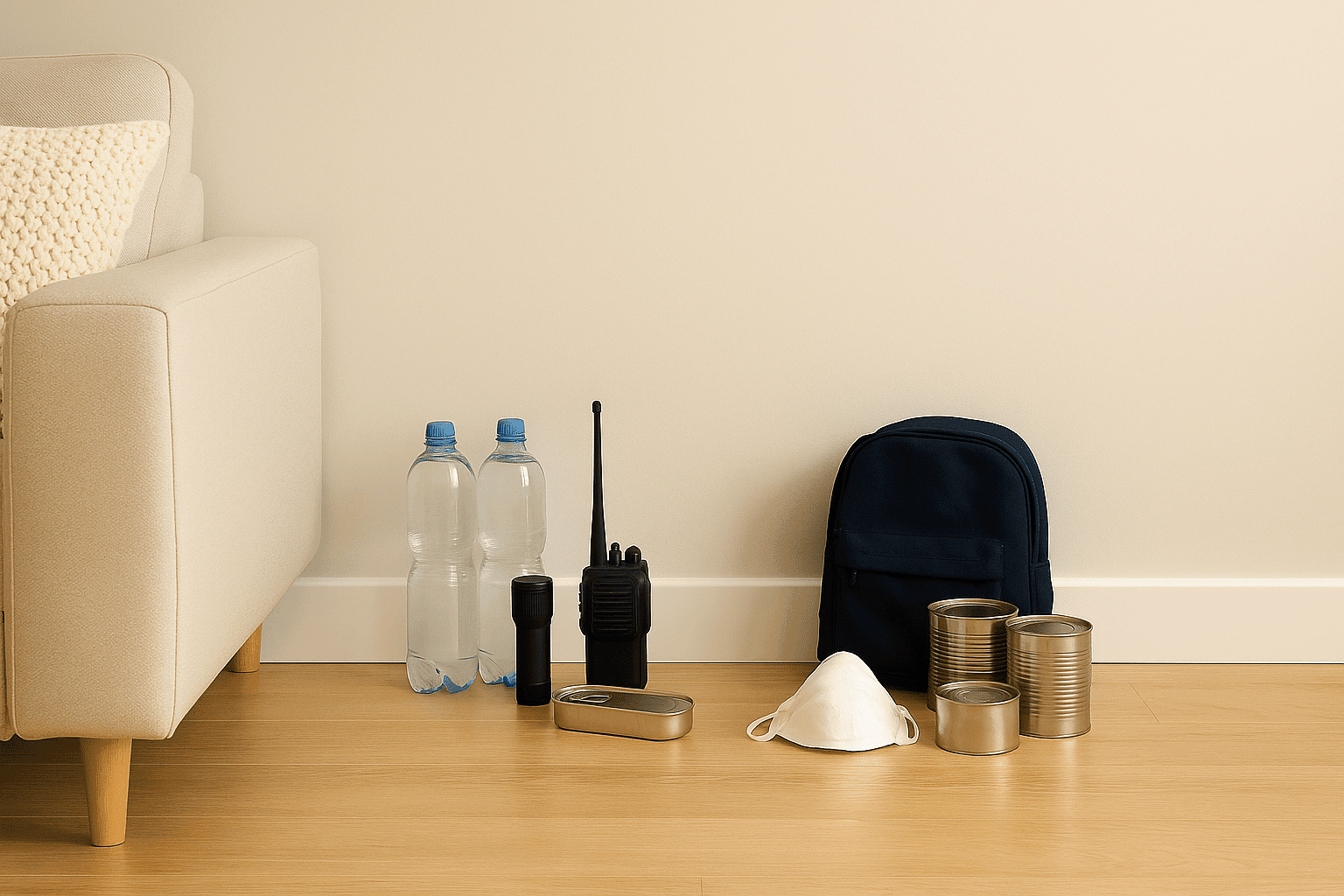
Apartment prepping is about preparing for emergencies without a basement, garage, or spare room full of supplies. Whether you live in a studio apartment or a high-rise building, you can build a practical emergency plan using compact food storage, reliable water supplies, portable lighting, and a well-organized evacuation kit.
This post contains affiliate links. I may earn a small commission at no extra cost to you. Learn more.
The biggest challenge isn’t simply finding enough storage space. Apartment residents also depend on shared infrastructure, including elevators, water pumps, heating and cooling systems, building access controls, and common evacuation routes.
That means your emergency supplies need to support two different situations: sheltering safely in your apartment and leaving quickly when conditions become unsafe.
Start with three days of drinking water, shelf-stable food, flashlights, a battery-powered or hand-crank radio, essential medications, sanitation supplies, and a ready-to-carry evacuation bag. Store supplies in sturdy containers under beds or in closets without blocking exits. Expand toward a two-week supply as space and budget allow, and learn your building’s emergency procedures.
For a complete household planning framework, see our Emergency Preparedness Master Plan.
Recommended gear: Browse our Apartment Prepping Essentials List on Amazon for compact emergency supplies and storage options.
Apartment Prepping Essentials: What to Prioritize First
When space is limited, prioritize supplies according to the problems they solve rather than how impressive they look on a shelf.
| Priority | Essential Supplies | Apartment Consideration |
|---|---|---|
| Water | Stored drinking water | Weight and floor space |
| Food | Shelf-stable, ready-to-eat meals | Limited cooking options |
| Lighting | LED lanterns and headlamps | Dark stairwells and rooms |
| Communication | Radio, charged phone, power bank | Cellular or internet outages |
| Sanitation | Hygiene supplies and waste bags | Water and plumbing interruptions |
| Evacuation | Go-bag, documents, shoes | Stairs and shared exits |
1. Emergency Food Storage in Small Apartments
Apartment food storage works best when you build a rotating pantry of foods you already eat.
Instead of filling your apartment with bulky buckets, start with compact, shelf-stable foods that require little or no cooking.
Best Emergency Foods for Apartment Preppers
- Canned meats and fish: Chicken, tuna, salmon, and similar ready-to-eat proteins.
- Canned beans and vegetables: Convenient foods that can often be eaten without heating.
- Peanut butter and nut butters: Calorie-dense foods that require no cooking.
- Crackers, oats, and shelf-stable cereals: Practical pantry staples.
- Rice and pasta: Useful for longer-term storage when you have a safe cooking method and sufficient water.
- Freeze-dried meals: Lightweight and compact, but many require clean water for preparation.
- Shelf-stable milk and packaged fruit: Useful additions for variety and nutrition.
For a short blackout, prioritize foods that can be eaten directly from the package. If electricity and gas service are unavailable, cooking may not be practical or safe.
For more guidance on refrigerated food, see How Long Food Lasts Without Power.
Emergency Food Kits
Commercial emergency food kits can be convenient, but check the total calories, servings per person, required preparation water, and storage conditions. A package advertising many servings does not necessarily provide complete daily meals.

Where to Store Emergency Food
- Under beds: Use shallow, sturdy containers for lighter packaged foods.
- Inside closets: Place heavy items on low, stable shelves.
- In kitchen cabinets: Rotate emergency food alongside your regular pantry supplies.
- In storage furniture: Use benches or ottomans designed to support the intended load.
- Inside unused luggage: Store lightweight emergency supplies where they remain accessible.
Avoid stacking heavy cans on unstable shelving or storing supplies where they obstruct doors, ventilation, electrical panels, or escape routes.
Food Rotation and Shelf Life
Use a first-in, first-out system. Place older purchases toward the front and use them before newer supplies.
Label storage containers, inspect packaging periodically, and follow product-specific storage guidance. Shelf life varies considerably with food type, packaging, temperature, and moisture.
For a practical starting point, build a three-day supply, expand to one week, and then work toward two weeks or more.
2. Emergency Water Storage for Apartments
Water is one of the most important supplies to store because apartment buildings can lose water pressure when municipal service, building pumps, or other systems fail.
A common emergency planning baseline is one gallon of water per person per day for drinking and basic sanitation. Some people and circumstances require more.
How Much Water Should You Store?
| Household | 3 Days | 14 Days |
|---|---|---|
| 1 person | 3 gallons | 14 gallons |
| 2 people | 6 gallons | 28 gallons |
| 4 people | 12 gallons | 56 gallons |
Remember that one gallon of water weighs approximately 8.3 pounds, not including its container. Large quantities can create substantial concentrated loads on shelving and floors.
Best Apartment Water Storage Options
- Commercially bottled water: Convenient and easy to rotate.
- Food-grade water containers: Suitable for planned emergency storage when cleaned and maintained correctly.
- Stackable water containers: Useful when the manufacturer permits stacking and the storage surface can safely support the weight.
- Collapsible water containers: Helpful as supplemental storage when advance warning allows time to fill them.
- Bathtub water-storage bladders: Can provide temporary extra capacity before a forecast emergency, but are not a substitute for water already stored.
Place heavy water containers on low, stable surfaces. Avoid overloading wall-mounted shelving or placing large quantities in areas where leaks could damage the building.
Do Apartment Preppers Need Water Filters?
Water filters can provide backup treatment for appropriate water sources, but they cannot replace an initial supply of safe drinking water.
Different treatment products address different hazards. Many portable filters remove certain bacteria and protozoa but do not reliably remove viruses, dissolved chemicals, or fuel contamination.
Choose treatment equipment based on verified performance claims and the type of contamination you may encounter.

Do not assume water from flooded streets, industrial areas, or unknown sources becomes safe simply by passing it through a camping filter. Filters and disinfectants have specific limitations. If chemical contamination is suspected, follow official drinking-water instructions and use a verified safe source.
How to Store Water Safely
Use containers intended for drinking water, keep them closed, and store them away from excessive heat and chemicals.
Properly treated municipal tap water placed in clean, food-grade containers generally does not need routine bleach additions. Follow established emergency water-storage guidance for container preparation and replacement intervals.
For detailed instructions, read our Long-Term Water Storage Guide and Emergency Water Purification Methods.
3. Compact Emergency Gear for Apartment Living
Apartment emergency equipment should be portable, dependable, and useful for more than one situation.
Essential Equipment Checklist
- LED flashlight or headlamp for each household member.
- Rechargeable or battery-powered lantern.
- Emergency radio with a dependable power source.
- Charged USB power banks and compatible cables.
- First aid supplies and necessary medications.
- Manual can opener.
- Sturdy shoes and work gloves.
- Whistle for attracting attention.
- Copies of important documents in a protected container.
- Compact multi-tool for ordinary repairs and utility tasks.
A multi-tool can be useful for everyday preparedness, but it should not replace specialized equipment when a task requires it.

Where to Keep Your Emergency Equipment
Use a dedicated closet shelf, under-bed container, or labeled storage tote. Keep frequently needed items easy to find in the dark.
Place a flashlight near your bed and keep a second one near the main living area. Store an evacuation bag somewhere accessible without blocking your door.
4. Backup Power and Lighting During Apartment Blackouts
Apartment residents may have fewer options for backup power than homeowners because fuel-burning equipment, outdoor installations, and electrical modifications are often restricted.
Fortunately, many essential blackout needs can be met with relatively small battery-powered systems.
Practical Backup Power Options
- USB power banks: Useful for phones and small rechargeable devices.
- LED lanterns: Efficient lighting without an open flame.
- Portable power stations: Can support compatible low-wattage devices when appropriately sized.
- Foldable solar panels: May recharge compatible batteries when safe access to sunlight is available.
Portable solar panels are not a guaranteed solution for every apartment. Window orientation, shading, weather, building rules, and safe placement can limit their usefulness.
Never hang panels outside windows or attach equipment to balconies in ways that could create falling-object or electrical hazards.
For sizing larger battery systems, see What Size Solar Generator Do I Need?.
What About Gas Generators?
Never operate a gasoline, propane, or other fuel-burning generator inside an apartment, hallway, stairwell, garage, or enclosed balcony.
Generators produce carbon monoxide, which can be fatal. Outdoor generator placement also requires substantial clearance from buildings, doors, windows, and ventilation openings.
For most apartment residents, a properly sized battery power station is a more practical indoor backup option than a combustion generator.
Best Emergency Lighting Setup
Keep at least one headlamp for hands-free movement and one lantern for general room lighting.
Choose devices with documented runtimes and maintain charged batteries. Avoid relying on candles during blackouts because open flames increase fire risk.
See our Best Emergency Lights for Power Outages.
5. How to Cook Safely During an Apartment Power Outage
Cooking is a major challenge when an apartment loses electricity or gas service.
The safest first option is to maintain a supply of food that does not require heating.
Safer Food Options During an Outage
- Ready-to-eat canned meals and proteins.
- Nut butters, crackers, and shelf-stable snacks.
- Packaged foods that can be eaten cold.
- Meals prepared with an approved electrical appliance when sufficient backup power is available.
Do not use camping stoves, charcoal grills, propane burners, or other outdoor combustion cooking equipment inside an apartment or enclosed balcony. These devices can create carbon monoxide and fire hazards. Follow building rules and manufacturer instructions for any cooking equipment.
For a longer outage, identify safe cooking locations and alternatives before a disaster rather than improvising with indoor flames.
6. Emergency Sanitation When Apartment Plumbing Fails
A prolonged water outage can affect toilets, handwashing, cleaning, and waste disposal.
Even if drinking water remains available, building plumbing may not function normally.
Sanitation Supplies Worth Storing
- Toilet paper and tissues.
- Hand sanitizer and soap.
- Heavy-duty waste bags.
- Disposable gloves.
- Household disinfectant used according to its label.
- Personal hygiene and menstrual supplies.
- A covered container and appropriate liners for emergency sanitation if toilets cannot be used.
Check with building management and local authorities before flushing during sewer backups or suspected plumbing failures. Continued flushing can worsen problems in shared systems.
Do not dispose of human waste in shared hallways, storm drains, or other unauthorized locations. Follow local emergency sanitation and waste-disposal guidance.
7. Apartment Security and Fire Safety
Apartment preparedness should prioritize ordinary safety measures before specialized security equipment.
Improve Everyday Apartment Safety
- Confirm that smoke alarms work and replace batteries when required.
- Install and maintain carbon monoxide alarms where appropriate.
- Keep a suitable fire extinguisher accessible and learn how to use it.
- Check that door and window locks function properly.
- Keep emergency contact numbers available offline.
- Know where building exits and fire stairwells are located.
Any additional door-security device must comply with building and fire-safety requirements and must not prevent rapid emergency exit.
Window security film may help retain broken glass in some circumstances, but it does not make windows unbreakable.
Keep Exit Routes Clear
Do not place storage bins, water containers, bicycles, or go-bags where they block apartment doors or shared corridors.
For high-rise residents, understanding evacuation procedures is particularly important because elevators may be unavailable during fires and certain other emergencies.
8. Space-Saving Apartment Prepping Hacks
Smart organization can increase emergency storage without making your apartment difficult to live in.
Use Vertical Storage Carefully
Closet organizers, over-the-door pockets, and wall-mounted storage can hold lightweight equipment such as flashlights, cables, gloves, and first aid supplies.
Follow mounting and load-rating requirements. Heavy water and food containers belong on stable, lower surfaces.
Use Under-Bed Storage
Shallow bins are useful for spare clothing, blankets, packaged food, and other relatively lightweight supplies.
Choose containers that slide out easily so you can retrieve them quickly.
No products found.
Use Multi-Purpose Furniture
Storage benches, ottomans, and beds with built-in drawers can provide additional space for emergency equipment.
Avoid overloading furniture or hiding critical supplies so thoroughly that you cannot find them during an emergency.
Maintain a Simple Inventory
Keep a printed or digital inventory identifying where important supplies are stored, when they were purchased, and when they need inspection.
Review your supplies periodically and replace anything damaged, depleted, or expired.
9. Apartment Evacuation Planning
Not every emergency is safer to ride out at home. Fires, structural damage, hazardous-material incidents, and official evacuation orders may require you to leave.
Prepare a Compact Go-Bag
- Water and ready-to-eat food.
- Flashlight or headlamp.
- Phone charging cable and power bank.
- Essential medications and basic first aid.
- Copies of identification and important documents.
- Weather-appropriate clothing and sturdy shoes.
- Emergency contact information.
- Necessary supplies for children, pets, or household members with additional needs.
Keep the bag accessible but out of the path of the exit door.
Know Your Building’s Evacuation Plan
Identify primary and alternative exit routes, the location of stairwells, and a safe meeting location outside the building.
Ask building management about fire procedures, emergency communications, and arrangements for residents who may need evacuation assistance.
During a fire, follow the building’s emergency procedures and firefighters’ instructions. Do not assume every high-rise incident requires the same evacuation response.
For broader urban evacuation planning, see our Guide to Leaving a City During an Emergency.
10. What Happens to Apartments During a Long-Term Blackout?
Apartment blackouts can become increasingly difficult as backup systems lose power and essential services are disrupted.
However, the effects depend on building design, weather, emergency generators, municipal infrastructure, and the duration of the outage.
During the First Several Hours
- Normal lighting and electrical appliances stop working.
- Elevators may become unavailable.
- Internet access and some communications may be interrupted.
- Heating and cooling systems may stop.
- Refrigerators and freezers begin warming if power remains off.
After One or More Days
- Food spoilage becomes a growing concern.
- Indoor temperatures may become unsafe.
- Water pressure or plumbing systems may be affected.
- Device batteries become depleted.
- Residents may need alternative sanitation arrangements.
- Building management may issue additional safety instructions.
These outcomes are possibilities, not a fixed timeline. A well-equipped building with functioning backup systems may retain some essential services, while another building may experience immediate problems.
For extended outage planning, see our Two-Week Power Outage Preparedness Guide.
11. Four Apartment Emergency Scenarios
Scenario 1: A 48-Hour Power Outage
Your apartment loses electricity during severe weather. Elevators stop working, the kitchen appliances are unavailable, and the building becomes dark after sunset.
Your preparedness advantage: Charged lanterns, a weather radio, power banks, drinking water, and ready-to-eat meals help you manage basic needs without dangerous improvised cooking methods.
Scenario 2: A Water Main Break
A municipal water main failure interrupts water service to your building.
Your preparedness advantage: Stored drinking water and hygiene supplies reduce the need to search for emergency supplies immediately. You also have a plan for sanitation if toilets become unusable.
Scenario 3: Wildfire Smoke or a Chemical Release
Officials warn residents about dangerous outdoor air conditions.
Your preparedness advantage: You can follow official shelter-in-place or evacuation instructions without needing to leave for routine groceries or other supplies.
For wildfire particles, a properly fitted N95 respirator can reduce exposure to certain airborne particles. However, an N95 does not protect against hazardous gases or vapors. Chemical incidents require incident-specific instructions; do not assume sealing windows with tape provides complete protection.
Scenario 4: A Multi-Day Shelter-in-Place Emergency
Severe weather, a public health incident, or another emergency temporarily limits travel and access to stores.
Your preparedness advantage: A rotating food supply, water, medications, hygiene items, communication tools, and activities for household members help you remain at home when authorities advise doing so.
12. Build Your Apartment Emergency Kit in Stages
You do not have to purchase every item at once. A phased approach makes apartment prepping more manageable.
Stage 1: Three Days of Essentials
- Three days of water and ready-to-eat food.
- Flashlights and spare or charged batteries.
- Necessary medications.
- Basic first aid and hygiene supplies.
- Emergency contact information.
Stage 2: One Week of Preparedness
- Additional food and water.
- Emergency radio.
- Power banks and charging cables.
- Improved sanitation supplies.
- Completed evacuation bag.
Stage 3: Two Weeks or More
- Expanded rotating food supplies.
- Additional water within safe storage limits.
- Appropriate battery backup for essential electronics.
- Plans for temperature extremes and extended plumbing failures.
- Alternative accommodation or evacuation arrangements if the apartment becomes unsafe.
Focus on supplies that address your building’s actual risks rather than buying large quantities of specialized survival gear.
Frequently Asked Questions About Apartment Prepping
Can You Prep in a Small Apartment?
Yes. A small apartment can accommodate a meaningful emergency supply when you prioritize water, ready-to-eat food, lighting, communication, medications, and evacuation planning.
How Much Food Should Apartment Preppers Store?
Begin with at least three days of shelf-stable food, then work toward two weeks or more as your space and budget permit. Choose foods your household normally eats.
Where Should You Store Emergency Water in an Apartment?
Use stable, low storage locations such as the bottoms of closets or suitable floor-level storage areas. Avoid concentrated loads on weak shelving and keep all exits clear.
Can You Use a Camping Stove Inside an Apartment?
No. Outdoor camping stoves and fuel-burning grills should not be used inside apartments or enclosed balconies because of fire and carbon monoxide risks.
Are Portable Power Stations Safe for Apartments?
Many battery power stations are designed for indoor use when operated according to manufacturer instructions. Choose reputable equipment, avoid damaged batteries, and follow charging, ventilation, and storage requirements.
What Should You Do if Apartment Water Stops Working?
Use stored drinking water, check building and local utility updates, and determine whether the interruption also affects toilets and sewer systems. Follow official water-use and sanitation instructions.
Should You Stay in Your Apartment During a Long Blackout?
That depends on indoor temperature, access to safe water, medical needs, building conditions, and official guidance. Evacuate when ordered or when remaining creates an immediate safety risk.
What Is the Most Important Apartment Prepping Item?
There is no single item that solves every emergency. Safe drinking water, essential medications, reliable lighting, and a workable emergency plan should be among your first priorities.
Final Thoughts: Apartment Prepping Is About Practical Resilience
Effective apartment prepping does not require a garage full of supplies or an expensive collection of survival equipment.
It requires understanding the limitations of your living space and preparing for the emergencies most likely to affect it.
Begin with three days of food and water, dependable lighting, essential medications, and a clear evacuation plan. Expand your supplies gradually, organize them safely, and practice using your equipment.
The goal is not to turn your apartment into a bunker. It is to make your household safer, more independent, and better prepared when normal services are interrupted.
For compact supplies and practical emergency equipment, browse our Apartment Prepping Essentials List.