Should You Stay or Bug Out? (Real Emergency Decision Guide)
Should you stay or bug out in an emergency? The answer depends on the type of disaster, the condition of your home, and whether remaining where you are is safer than leaving. While popular survival shows often make bugging out seem like the obvious choice, most real-world emergencies are better handled by staying home if your house is safe, well supplied, and outside the immediate danger area.
This post contains affiliate links. I may earn a small commission at no extra cost to you. Learn more.
One of the biggest mistakes people make during a disaster is waiting too long to decide. They hope conditions will improve, assume there is still plenty of time, or delay making a plan until roads become congested, gas stations run out of fuel, or emergency warnings become more urgent. By the time they realize the situation has changed, many of their best options have already disappeared.
The decision to bug in or bug out should never be based on fear or guesswork. Instead, it should be based on the specific hazards you are facing, the resources available in your home, the safety of your neighborhood, and whether you have a realistic destination if evacuation becomes necessary. In many situations, leaving too early is inconvenient, but leaving too late can place your family in far greater danger.
If you’ve already read our 2-Week Blackout Survival Plan, you know how quickly essential services can begin breaking down during an extended emergency. Likewise, understanding what happens during the first 72 hours without power shows why making timely decisions is often just as important as having the right supplies.
In this guide, you’ll learn when staying home is usually the safest option, when evacuation becomes the better choice, how to recognize the warning signs that it’s time to leave, and how to make a clear, confident decision before circumstances make that decision for you.
Quick Answer
In most emergencies, staying in your home is the safer option if your house is structurally sound, well supplied, and outside an evacuation zone. Bugging out should be reserved for situations where remaining in place presents a greater danger than leaving, such as wildfires, flooding, hazardous material releases, or mandatory evacuations.
✓ Key Takeaways
- Bugging in is usually safer than bugging out.
- Leave immediately when your environment becomes more dangerous than travel.
- Evacuating early is almost always better than evacuating late.
- A destination is just as important as a bug out bag.
- Prepare for both options before an emergency happens.
When You Should Stay (Bug In)
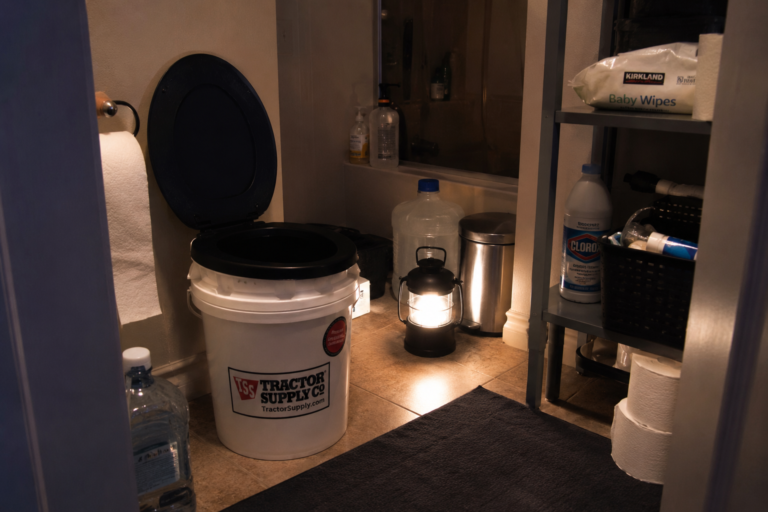
In most emergencies, staying home is the safest and most practical decision. Unless your home is directly threatened by fire, floodwater, structural damage, toxic air, or another immediate hazard, your house gives you advantages that are difficult to replace once you leave. You already have shelter, supplies, familiar surroundings, tools, stored food, water, clothing, and some level of security.
Bugging out may sound like the stronger survival move, but in real life it often creates more problems than it solves. Leaving means entering crowded roads, burning fuel, exposing your family to uncertain conditions, and giving up control over your environment. If the threat is not directly coming toward your home, staying put usually gives you more options and less risk.
You should strongly consider staying if your home is structurally safe, outside an evacuation zone, stocked with food and water, and secure enough to protect your family. A prepared home can support you through power outages, winter storms, short-term supply disruptions, localized unrest, and many other emergencies where leaving would only add unnecessary danger.
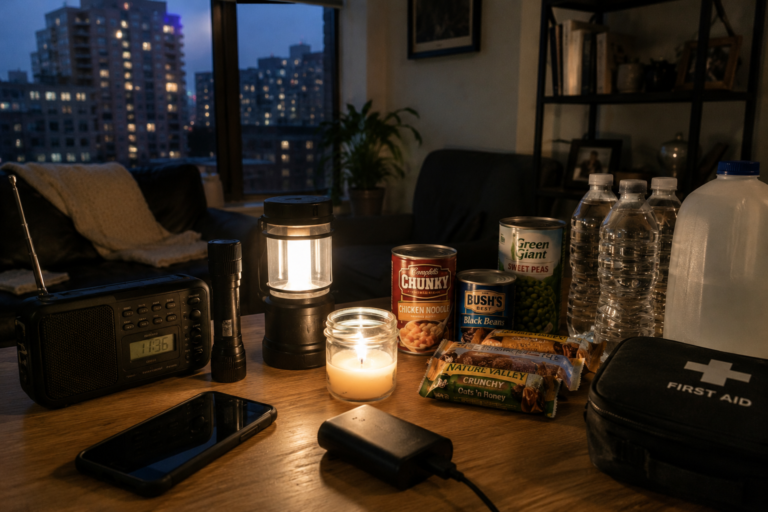
The key word is prepared. Staying only works if you can sustain it. That means having enough drinking water, shelf-stable food, backup lighting, basic cooking options, sanitation supplies, communication methods, and a plan for staying informed. A safe home without supplies can become a problem quickly, but a safe home with the right supplies is usually your strongest position.
When Bugging In Usually Makes Sense
- Your home is not in the direct path of danger.
- You have enough food and water for at least several days.
- You can secure doors, windows, and entry points.
- You are not under a mandatory evacuation order.
- You have basic lighting, cooking, sanitation, and communication options.
- Roads are dangerous, crowded, blocked, or unnecessary to use.
In these situations, staying allows you to avoid crowds, conserve fuel, protect your supplies, and maintain a more stable routine. It also keeps you from becoming one more person competing for gas, food, lodging, and space on already-stressed evacuation routes.
When You Must Bug Out
There are emergencies where staying home is no longer the smart decision. Once your home or neighborhood becomes the threat, bugging in stops being preparedness and starts becoming denial. Fire, flooding, chemical exposure, structural damage, and mandatory evacuation orders are not situations where you wait around hoping conditions improve.
The hardest part is that many dangerous situations do not look deadly at first. A wildfire may seem distant until the wind shifts. Floodwater may look manageable until roads disappear. A chemical spill may not be visible at all, even though the air outside is no longer safe. This is why evacuation decisions need to be based on triggers, not feelings.
If officials issue a mandatory evacuation order, leave. Emergency managers often have information the public does not have yet, including fire movement, flood modeling, bridge closures, chemical risks, or infrastructure failures. Waiting until you personally see the danger can put you behind everyone else and make evacuation far more dangerous.
Leave Immediately If Any of These Conditions Apply
- A wildfire or structure fire is approaching your area.
- Floodwaters are rising or expected to cut off roads.
- You are inside a mandatory evacuation zone.
- There is a chemical spill, toxic smoke, or unsafe air risk.
- Your home is damaged, unstable, or unsafe to remain in.
- Local conditions are deteriorating faster than you can safely manage.
Bugging out should not be your default response, but it must remain an option. The goal is not to run from every inconvenience. The goal is to leave early enough when staying becomes more dangerous than traveling.
A real evacuation is not just grabbing a bag and driving away. You need a destination, alternate routes, enough fuel, communication methods, and a clear reason for leaving. Without those pieces, bugging out can turn into wandering under stress, which is one of the worst positions to be in during a disaster.
The Critical Timing Window
The stay-or-go decision is often less about gear and more about timing. You can have the right supplies, the right vehicle, and the right destination, but if you wait too long to leave, those advantages can disappear quickly. Roads clog, fuel disappears, emergency alerts intensify, and the same route that was open an hour ago may no longer be usable.
Leaving too early can be inconvenient. You may waste fuel, miss work, spend money on lodging, or return home after the threat passes. Those outcomes are frustrating, but they are usually recoverable. Leaving too late is different. Once traffic locks up, stations run dry, roads flood, or fire cuts off exits, you may no longer have a clean way out.
The best window is usually after the threat is confirmed but before the general public fully reacts. This is the period when roads are still moving, fuel is still available, and most people are still debating what to do. Prepared households use that window because they already know their destination, routes, fuel plan, and decision triggers.
Warning Signs Your Window Is Closing
- Emergency alerts become more urgent or more frequent.
- Traffic becomes heavier than normal on evacuation routes.
- Gas stations develop long lines or begin running out of fuel.
- Stores are being emptied faster than normal.
- Weather, fire, flooding, or local instability is worsening.
- Reliable information becomes harder to get.
You will rarely have perfect information during an emergency. Reports may conflict, conditions may change, and official updates may lag behind what is happening on the ground. Waiting for complete certainty often means waiting too long.
The goal is not to panic early. The goal is to recognize when staying is becoming riskier than leaving. Once that line is crossed, hesitation becomes the biggest danger.
Bug In vs Bug Out: Quick Comparison
- Bug In (Stay) → Safer, more control, uses your supplies
- Bug Out (Leave) → Higher risk, but necessary if conditions become dangerous
- Best Strategy → Stay as long as it’s safe, leave early if it’s not
Stay or Bug Out Decision Summary
- Stay if your home is safe, stocked, and secure
- Leave if the threat is immediate or unavoidable
- Prepare for both to maintain control
The 5-Question Stay or Bug Out Test
When conditions are changing fast, you need a decision system that removes emotion from the process. Most people make bad calls during emergencies because they wait for certainty, follow the crowd, or freeze while trying to process too much information at once. A simple five-question test gives you a way to make the decision quickly and logically.
1. Is My Life in Immediate Danger?
This is the first question because it overrides everything else. If fire is approaching, floodwater is rising, your home is structurally unsafe, or toxic air is present, you leave. You do not wait for a better time, a clearer update, or one more confirmation.
2. Will This Area Become Unsafe Soon?
Some threats are not immediate yet, but they are clearly moving in your direction. Worsening weather, shifting fire conditions, rising water, increasing evacuation alerts, and failing local infrastructure are signs that your situation may become unsafe within hours. If that is happening, you should already be preparing to move.
3. Do I Have Enough Supplies to Stay?
Staying home only works if you can support yourself. You need drinking water, food that does not depend on refrigeration, lighting, sanitation supplies, basic medical supplies, and a way to stay informed. If you only have one or two days of supplies and the emergency may last much longer, your ability to bug in is limited.
4. Can I Keep My Location Secure?
A home does not need to be a fortress, but it does need to be reasonably secure. If doors, windows, visibility, lighting, or neighborhood conditions make your home difficult to protect, staying becomes riskier. This matters even more during extended outages, civil unrest, or situations where emergency response is delayed.
5. Do I Have a Safe Destination?
This question prevents one of the biggest evacuation mistakes. Leaving without a destination is not a plan. It is a reaction. A safe destination might be a relative’s house, a friend’s property, a hotel outside the danger zone, a preplanned campsite, or another location where your family can realistically stay.
How to Use the Test
- If there is immediate danger, leave now.
- If two or more warning signs are developing, begin preparing to leave.
- If three or more answers point toward danger, you should already be moving.
- If your home is safe, supplied, and outside the hazard zone, staying is usually the better option.
This test is not meant to be perfect. It is meant to keep you from guessing. The goal is to make the decision before panic, traffic, fuel shortages, or bad information make the decision for you.
🚨 Imagine This…
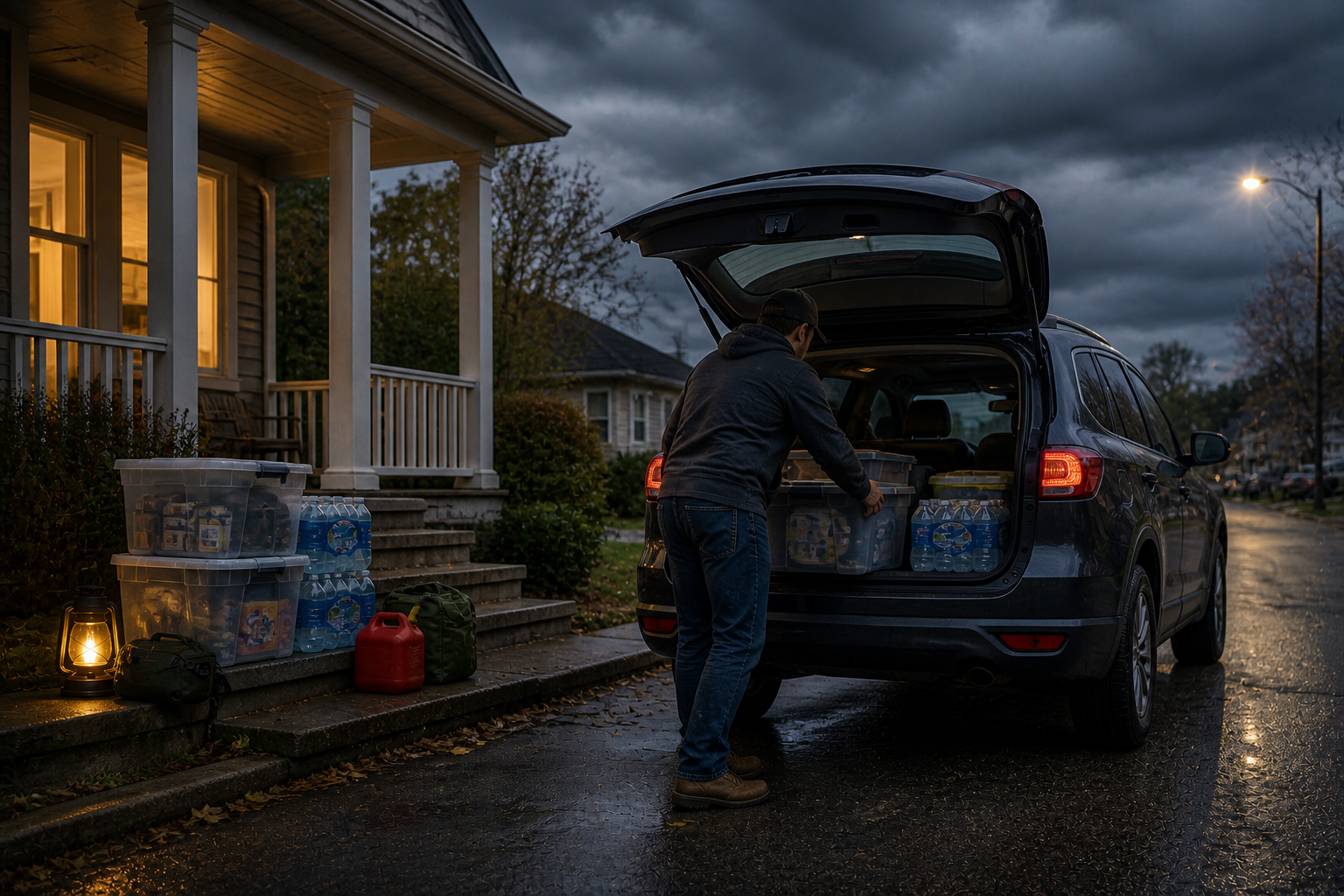
A fast-moving wildfire is approaching your community. Because your family already discussed evacuation triggers, your bug out bags are packed, your vehicle is fueled, and your destination is confirmed, you leave before traffic becomes gridlocked while many neighbors are still deciding what to do.
Common Mistakes People Make When Bugging Out
Many people imagine bugging out as a straightforward process of grabbing a backpack, getting in the vehicle, and driving away from danger. In reality, successful evacuations require planning long before an emergency begins. Most people who struggle during evacuations do not fail because they decided to leave. They fail because they leave too late, leave without a destination, or leave without preparing for the challenges they will face along the way.
Evacuating removes many of the advantages that come with staying in a prepared home. Once you leave, you become dependent on road conditions, fuel availability, weather, communication systems, and the availability of safe places to stay. Understanding the most common evacuation mistakes can help you avoid turning a difficult situation into a far more dangerous one.
Mistake #1: Leaving Without a Destination
One of the biggest misconceptions about bugging out is the belief that simply getting away from danger is enough. In reality, leaving without knowing exactly where you are going often creates new problems instead of solving the original one. A successful evacuation requires more than putting distance between yourself and the emergency—it requires a safe location where your family can realistically stay.
People who evacuate without a destination often spend valuable time driving from place to place while burning fuel, encountering traffic, and competing with thousands of other evacuees for hotel rooms, campsites, or other temporary shelter. As conditions worsen, those options become increasingly limited.
Every evacuation plan should include a primary destination, at least one alternate location, and multiple routes for reaching each destination. Whether your destination is a relative’s home, a trusted friend’s property, or another prearranged location, knowing where you are going before you leave removes uncertainty during an already stressful situation.
Mistake #2: Waiting Too Long to Leave
Timing is often the difference between a smooth evacuation and a dangerous one. Many people hesitate because they hope conditions will improve, believe there is still plenty of time, or simply do not want to leave unnecessarily. Unfortunately, emergencies rarely provide perfect certainty, and delaying a decision often means leaving under far worse conditions.
As evacuation orders are issued, traffic increases dramatically, gas stations develop long lines, and roads become congested. What could have been a simple drive only hours earlier may become a slow and frustrating journey surrounded by thousands of other people trying to escape at the same time.
Leaving earlier than necessary may prove inconvenient, but leaving too late can remove many of your options altogether. Recognizing when conditions are beginning to deteriorate—and acting before everyone else does—is one of the most valuable preparedness skills you can develop.
Mistake #3: Packing Too Much
Another common mistake is treating a bug out bag like a suitcase for an extended vacation. It is natural to want to bring extra clothing, tools, and comfort items, but excessive weight quickly becomes a disadvantage if you need to walk, change vehicles, or carry your equipment for any distance.
Every item inside a bug out bag should serve a clear purpose. Water, food, shelter, first aid supplies, fire-starting equipment, lighting, communication gear, and navigation tools deserve priority because they support your immediate survival. Items that offer little practical value simply add unnecessary weight and reduce mobility.
A lighter, well-organized pack is usually far more useful than an overloaded bag filled with equipment that is unlikely to be used.
Mistake #4: Failing to Plan for Fuel
Many evacuation plans assume that fuel will be available whenever it is needed. Unfortunately, fuel shortages often develop quickly during hurricanes, wildfires, major storms, and other large-scale emergencies. Long lines at gas stations, empty storage tanks, and power outages that prevent pumps from operating are all common problems during evacuations.
Keeping your vehicle above half a tank throughout the year provides valuable flexibility if an emergency develops unexpectedly. If local regulations allow it, safely storing additional fuel in approved containers can further reduce your dependence on crowded gas stations during an evacuation.
Mistake #5: Relying Entirely on Cell Phones
Modern smartphones are incredibly useful during everyday life, but they should never be your only communication plan during an emergency. Cellular towers can become overloaded by heavy demand, lose commercial power, or experience physical damage that limits coverage when you need it most.
Every family should establish backup communication methods before disaster strikes. Two-way radios, predetermined meeting locations, emergency contact lists, and battery-powered weather radios all provide additional layers of communication that remain valuable when normal networks become unreliable.
Mistake #6: Following the Crowd
During emergencies, many people instinctively follow the actions of everyone around them. They choose the busiest roads, stop at the same gas stations, and head toward the same destinations simply because those choices appear to be popular.
Unfortunately, crowds often create the very problems people are trying to avoid. Heavy traffic, resource shortages, and long delays frequently develop because large numbers of evacuees are making identical decisions at the same time. Families who have already identified alternate routes and backup destinations are often able to avoid these bottlenecks altogether.
Mistake #7: Having No Backup Plan
Even the best evacuation plans can encounter unexpected obstacles. Roads may become flooded, bridges may close, weather conditions may change, or your intended destination may suddenly become unavailable. If your entire plan depends on one route or one location, a single problem can force you to improvise under pressure.
Prepared families develop multiple options before an emergency begins. Having alternate routes, secondary destinations, and contingency plans allows you to adapt as conditions change instead of making rushed decisions in unfamiliar circumstances.
The Reality of Bugging Out
Bugging out should never be viewed as the exciting or adventurous option. Leaving home usually means giving up the security of familiar surroundings, stored supplies, and a controlled environment in exchange for greater uncertainty. You become dependent on transportation, weather, available shelter, and infrastructure that may already be under significant stress.
This does not mean evacuation is the wrong decision. In situations involving wildfires, flooding, hazardous material releases, structural damage, or mandatory evacuation orders, leaving early is unquestionably the safest choice. The key is understanding that bugging out is a carefully planned emergency response—not an impulsive reaction.
Final Thoughts on Evacuation Planning
The strongest preparedness strategy is one that gives you the flexibility to stay home when conditions remain safe while allowing you to leave quickly if circumstances change. Maintaining a packed bug out bag, keeping your vehicle fueled, identifying multiple evacuation routes, and selecting safe destinations ahead of time all reduce the stress of making difficult decisions during an emergency.
When your destination is planned, your equipment is ready, and your timing is deliberate, bugging out becomes a controlled and organized response instead of a desperate attempt to escape worsening conditions.
🛒 Recommended Bug Out Essentials
A successful evacuation depends on preparation long before an emergency begins. These products help you leave quickly while maintaining access to shelter, lighting, water, and essential survival equipment.
72-Hour Emergency Survival Kit
Provides a ready-to-go collection of survival essentials for rapid evacuation and short-term emergencies when every minute matters.


Rechargeable Emergency Lantern
Provides dependable area lighting during evacuations, temporary shelters, and extended power outages while using rechargeable batteries.

Bug Out Bag Essentials Collection
Build a complete evacuation kit with carefully selected survival gear, water filtration, shelter, first aid supplies, and emergency equipment.
Hybrid Strategy: Prepare to Stay and Be Ready to Leave
The smartest emergency plan is not built around only one option. It is not “always stay” or “always bug out.” Real emergencies change, and your plan needs to change with them. A situation that starts as a manageable power outage can turn into a longer infrastructure failure. A storm that looked survivable at home can shift into an evacuation event if flooding, fire, or structural damage enters the picture.
A hybrid strategy gives you flexibility. Your first layer is a strong bug-in plan that allows you to remain safely at home during most disruptions. Your second layer is a ready evacuation plan in case conditions change and staying becomes unsafe.
Build the Stay-Home System First
Your home should be your strongest emergency position whenever it is safe to remain there. That means storing water, shelf-stable food, backup lighting, basic power, cooking options, sanitation supplies, first aid, and communication tools. The better your home system is, the less likely you are to leave unnecessarily.
Keep the Bug-Out Option Ready
Even if you expect to stay, you still need to be able to leave quickly. Bug out bags should be packed, vehicles should be maintained, fuel should not be allowed to run near empty, and important documents should be easy to grab. When evacuation becomes necessary, you should not be searching the house for gear.
Know Your Destination and Routes
A real evacuation plan includes more than one route and more than one destination. Roads may close, traffic may redirect, fuel stations may be unavailable, and your first destination may not work out. Having backup options prevents one failed plan from becoming a complete failure.
Use Information to Switch Early
Communication is what tells you when to stay and when to move. Weather alerts, emergency broadcasts, family check-ins, local reports, and backup radios all help you recognize when the situation is changing. Without information, your timing becomes guesswork.
The strength of the hybrid approach is that it keeps you from locking into the wrong decision. You can stay while staying is safe, prepare while conditions deteriorate, and leave before leaving becomes dangerous. That flexibility is what separates a controlled response from a desperate reaction.
☑ Stay or Bug Out Checklist
- ☑ Determine whether your home is safe.
- ☑ Monitor emergency alerts continuously.
- ☑ Keep vehicles fueled and ready.
- ☑ Maintain packed bug out bags.
- ☑ Confirm evacuation destinations.
- ☑ Review alternate travel routes.
- ☑ Leave early if conditions deteriorate.
Final Verdict: Stay Smart, Move When You Have To
In most emergencies, staying home is the better first choice. Your home gives you shelter, supplies, familiarity, and control. If it is safe, stocked, and outside the danger zone, leaving may expose your family to more risk than the emergency itself.
That changes the moment your environment becomes unsafe. Fire, floodwater, toxic air, structural damage, or a mandatory evacuation order changes the equation completely. At that point, staying is no longer strength. It is delay.
The best strategy is to prepare for both outcomes before the emergency begins. Build a home system strong enough to keep your family stable during outages and disruptions, but keep your evacuation plan ready in case conditions change. Your bug out bag, fuel plan, destination, routes, documents, and communication methods should already be in place before you need them.
The decision comes down to one simple rule: stay as long as your home remains safe and sustainable, but leave early when staying becomes the greater risk. Prepared families do not wait until panic makes the decision for them. They watch the conditions, recognize the triggers, and act while they still have options.
That is the real goal of preparedness. Not fear. Not overreaction. Control. The more you prepare ahead of time, the less you have to guess when everything around you starts changing.
📚 Continue Reading
Continue building your evacuation and blackout preparedness with these related guides.
Don’t Get Caught Unprepared
Most people think they’re prepared—until the first 72 hours prove them wrong. By then, it’s too late to fix it.
If you want a simple way to fix that fast:
👉 Start with your checklist below: