15 Beginner Survival Mistakes That Could Get You Hurt
If you’re new to survival or prepping, you’re already at a disadvantage—and most people don’t even realize it.
This post contains affiliate links. I may earn a small commission at no extra cost to you. Learn more.
The biggest threat isn’t always the situation… it’s the mistakes people make before things go wrong.
Most beginners focus on the wrong gear, ignore critical basics, and assume they’ll “figure it out” when the time comes. That mindset gets people into trouble fast.
This guide breaks down the most common survival mistakes beginners make—and more importantly, how to fix them before it’s too late.
Because when things go sideways, you don’t rise to the occasion…
You fall back on your preparation.
Most people don’t realize how fast things fall apart until they’re in it—especially in the first 24–72 hours.
👉 What Actually Happens in the First 72 Hours of a Disaster
🧠 WHAT YOU’LL LEARN
- The most dangerous beginner survival mistakes
- Why these mistakes fail in real-world situations
- Simple ways to fix them before an emergency happens
- What gear actually matters (and what doesn’t)
❌ Mistake #1: Bringing Too Much Gear
What people think:
More gear = more prepared
Reality:
Overpacking slows you down, drains your energy, and makes you less mobile when it matters most.
In a real emergency—whether you’re evacuating, hiking out, or bugging out—mobility is survival. If your pack is overloaded, you’re not just uncomfortable… you’re vulnerable.
Why it’s dangerous:
- Slower movement = easier target
- Faster fatigue = poor decision-making
- Higher chance of injury
How to fix it:
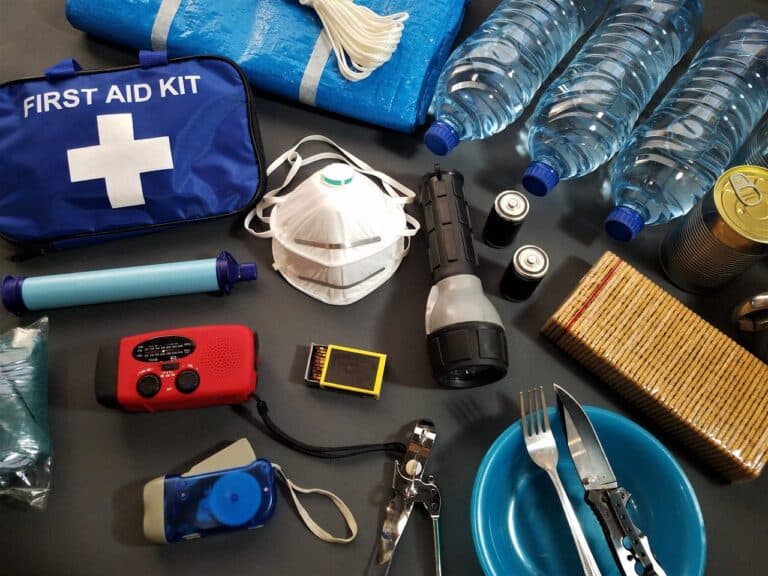
Focus on essentials only:
- Water
- Shelter
- Fire
- Basic tools
- Communication
Everything else is secondary.
Most people aren’t prepared for what happens after the first few days—and that’s where real failures start.
👉 How to Prepare for a Two-Week Power Outage
👉 If you’re not sure what actually belongs in your pack, read this:
Ultimate 72-Hour Bug-Out Bag Guide
❌ Mistake #2: Not Prioritizing Water
What people think:
“I’ll find water when I need it”
Reality:
You won’t last long without water—and finding safe water is harder than most people think.
Streams can be contaminated. Ponds can carry bacteria. Even clear-looking water can make you seriously sick.
Why it’s dangerous:
- Dehydration hits fast
- Contaminated water can disable you quickly
- Poor hydration affects judgment and energy
Dehydration doesn’t take days—it can start affecting you within hours, especially in heat or high exertion.
Early signs include:
- Headache
- Dizziness
- Fatigue
If it gets worse, you’re looking at confusion, poor decision-making, and even collapse.
In a survival situation, that’s the difference between staying in control and becoming a liability to yourself or others.
How to fix it:
Always have:
- A water source (stored or carried)
- A backup purification method
👉 Learn proper storage + purification here:
Long-Term Water Storage Guide
👉 And if you’re filtering on the go, a portable water filter is one of the smartest pieces of gear you can carry.
👉 A reliable filter is one of the easiest ways to solve this problem fast:


❌ Mistake #3: Having No Communication Plan
What people think:
“My phone will work”
Reality:
In a real emergency, communication systems are often the first thing to fail.
Cell towers go down. Networks overload. Power outages kill your ability to charge devices.
Why it’s dangerous:
- You can’t coordinate with family
- You can’t get updates
- You’re completely isolated
During major disasters, communication systems don’t just fail—they get overwhelmed.
Even if towers are still standing, networks can crash from too many people trying to call or text at once. This happened during hurricanes, wildfires, and large-scale outages where people suddenly lose access all at once.
That means even a working phone doesn’t guarantee communication.
How to fix it:
You need:
- Backup communication devices
- A pre-planned meeting point
- A simple communication strategy
When communication fails, most people are completely cut off—and that’s when mistakes compound fast.
👉 How to Communicate When the Grid Goes Down
At minimum, you need a reliable backup like a handheld radio or walkie talkies in your kit.
Not all radios perform the same when it matters.
👉 Best Walkie Talkies for Grid-Down Communication
A simple radio or walkie talkie setup can completely fix this gap:

❌ Mistake #4: Relying on One Way to Start a Fire
What people think:
“I’ve got a lighter, I’m good”
Reality:
Lighters fail. Matches get wet. Conditions aren’t always ideal.
If you can’t start a fire, you lose:
- Warmth
- Ability to cook
- Ability to purify water
Why it’s dangerous:
- Hypothermia risk
- No safe water
- Lower morale (huge factor people ignore)
How to fix it:
Always carry multiple fire-starting methods:
- Lighter
- Ferro rod
- Waterproof matches
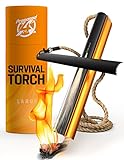
👉 A compact fire starter kit gives you multiple options in one tool:
👉 Learn what actually works in real conditions:
Ultimate Survival Fire Starters Guide
❌ Mistake #5: No Backup Power Plan
What people think:
“I’ll just charge things when needed”
Reality:
No power = no communication, no light, no access to critical tools.
Most people don’t realize how dependent they are on electricity until it’s gone.
Think about how many things you rely on daily that require power:
- Phones
- GPS
- Flashlights
- Radios
- Even basic communication tools
Most people underestimate how much power they actually need until everything starts shutting down—👉 see what size solar generator you need before your system fails.
Once power is gone, those systems start failing one by one. What seems like a minor inconvenience at first quickly turns into a serious problem if you don’t have backups.
That’s when short outages turn into long-term problems most people aren’t ready for.
👉 How to Survive a Two-Week Power Outage
Most people underestimate how fast power becomes a critical failure point.
👉 Grid-Down Survival Power Guide
Why it’s dangerous:
- Dead phone = no information
- No lighting = unsafe conditions
- No way to power essential gear
How to fix it:
Have at least:
- Power banks
- Solar charging option
- A backup power solution
👉 A backup power source keeps your critical gear running when everything else fails:

❌ Mistake #6: Not Practicing With Your Gear
What people think:
“I’ll figure it out when I need it”
Reality:
If you’ve never used your gear before, you’re already behind.
In a real emergency, stress is high, time is limited, and mistakes happen fast. The last place you want to learn how your gear works is when your survival depends on it.
Why it’s dangerous:
- Wasted time when seconds matter
- Misuse of critical gear
- Increased panic and poor decisions
How to fix it:
- Test your gear regularly
- Practice setting up shelter
- Start fires in different conditions
- Run short “practice scenarios”
👉 If you can’t use it confidently, don’t rely on it.
❌ Mistake #7: Buying Cheap, Low-Quality Gear
What people think:
“I’ll save money and upgrade later”
Reality:
Cheap gear fails when you need it most.
Low-quality equipment breaks, wears out faster, and often doesn’t perform in real-world conditions.
Why it’s dangerous:
- Gear failure in critical moments
- False sense of security
- Wasted money replacing junk
How to fix it:
Focus on reliability over quantity:
- Buy fewer items—but better ones
- Stick with proven gear categories
- Prioritize essentials first
👉 If your gear fails, your plan fails.
❌ Mistake #8: Ignoring Weather and Exposure
What people think:
“I’ll deal with it when it happens”
Reality:
Exposure kills faster than most people realize.
Heat, cold, wind, and rain can turn a manageable situation into a life-threatening one quickly.
Why it’s dangerous:
- Hypothermia or heat exhaustion
- Loss of mobility and energy
- Increased risk of injury
For example, in cold conditions, hypothermia can begin even in temperatures above freezing—especially if you’re wet or exposed to wind.
In extreme heat, dehydration and heat exhaustion can hit fast, even if you’re carrying water.
The environment doesn’t need to be extreme to become dangerous—it just needs to be ignored.
How to fix it:
Always plan for:
- Shelter
- Insulation
- Weather-appropriate clothing
👉 Learn how to stay protected in extreme conditions:
Emergency Heat Without Electricity: 11 Safe Ways to Stay Warm
❌ Mistake #9: No Clear Evacuation Plan
What people think:
“I’ll just leave if things get bad”
Reality:
Without a plan, evacuation turns into chaos.
Roads clog. Routes get blocked. Panic spreads. If you don’t already know where you’re going and how to get there, you’re behind everyone else.
The first 72 hours of a disaster are where most evacuation mistakes happen.
👉 What Actually Happens in the First 72 Hours
Most people plan to leave but never choose a destination — here’s how to fix that: Best Bug Out Locations (Where to Go When Disaster Strikes)
Why it’s dangerous:
- Getting stuck in traffic or unsafe areas
- Wasting time making decisions under pressure
- Increased risk of separation from family
How to fix it:
- Plan multiple evacuation routes
- Identify safe destinations
- Keep your vehicle ready
- Have a go-bag prepared
👉 If you haven’t built one yet:
How to Build a Bug-Out Bag That Actually Works
Many survival plans fail because they rely on outdated thinking — here’s what’s changed: The New Rules of Bugging Out in 2025
❌ Mistake #10: Overconfidence
What people think:
“I’ve watched videos—I’ll be fine”
Reality:
Survival isn’t theory—it’s execution.
Watching content is not the same as doing it. Many beginners underestimate how difficult real-world conditions can be.
Why it’s dangerous:
- Poor decisions under pressure
- Underestimating risk
- Lack of real preparedness
How to fix it:
- Stay realistic about your skill level
- Practice regularly
- Keep learning and improving
👉 Confidence should come from experience—not assumptions.
❌ Mistake #11: Not Carrying Enough Light Sources
What people think:
“My phone flashlight is enough”
Reality:
Your phone dies. Fast.
And once it’s dark, everything becomes harder—and more dangerous.
Why it’s dangerous:
- Limited visibility = higher injury risk
- Slower movement
- Increased fear and panic
How to fix it:
Always carry:
- A primary flashlight
- A backup light
- Extra batteries or rechargeable option
👉 A high-lumen tactical flashlight or headlamp is one of the most overlooked essentials.
👉 For a full breakdown of what actually works, check this:
Best Emergency Lights for Power Outages
👉 A dependable flashlight or headlamp is something you don’t want to gamble on:

👉 You can also see reliable lighting options here:
Best Emergency Lights for Power Outages
❌ Mistake #12: No Basic First Aid Knowledge
What people think:
“I’ve got a first aid kit—I’m covered”
Reality:
A kit doesn’t help if you don’t know how to use it.
Injuries are common in survival situations—and small issues can become serious quickly.
Why it’s dangerous:
- Minor injuries turn into major problems
- Infection risk
- Delayed treatment
How to fix it:
- Learn basic first aid skills
- Know how to treat cuts, burns, sprains
- Keep a properly stocked kit
👉 Don’t just carry it—know how to use it.
❌ Mistake #13: No Redundancy (Only One of Everything)
What people think:
“One is enough”
Reality:
If it breaks, you’re done.
Survival planning is about backups.
Why it’s dangerous:
- Single point of failure
- No fallback options
- Increased risk in critical moments
How to fix it:
Follow the rule of 2–3:
- Two fire methods
- Two light sources
- Backup communication
👉 Redundancy is what keeps small failures from becoming big problems.
This is why building a complete system matters—not just individual gear:
Emergency Preparedness Plan 2026
❌ Mistake #14: Poor Food Planning
What people think:
“I’ll just pack some snacks”
Reality:
Food is fuel—and poor planning leads to low energy and bad decisions.
You don’t need a full pantry—but you do need reliable calories.
Why it’s dangerous:
- Low energy = poor judgment
- Faster fatigue
- Reduced physical performance
How to fix it:
- Pack calorie-dense, lightweight food
- Choose long shelf-life items
- Rotate supplies regularly
👉 Keep it simple, but intentional.
If you’re not sure what food actually makes sense in a survival setup, start here:
15 Survival Tools You’ll Regret Not Packing
❌ Mistake #15: Lack of Situational Awareness
What people think:
“I’ll react when something happens”
Reality:
If you’re reacting, you’re already behind.
Situational awareness is one of the most important survival skills—and most beginners ignore it.
Why it’s dangerous:
- Miss early warning signs
- Walk into avoidable danger
- Slower response times
How to fix it:
- Pay attention to your surroundings
- Watch for changes in environment or behavior
- Always think ahead
👉 Awareness gives you time—and time gives you options.
🧠 Why Most Beginners Fail (And Don’t Realize It)
Most beginner survival mistakes don’t come from lack of effort—they come from focusing on the wrong things.
People tend to prioritize gear over skills, convenience over reliability, and assumptions over real-world testing.
The problem?
Survival doesn’t reward intention—it rewards preparation.
Many beginners build kits based on what looks good online instead of what actually works under pressure. They buy gear they’ve never tested, rely on systems they don’t understand, and assume they’ll adapt when the time comes.
That’s rarely how it plays out.
In real situations:
- Stress limits your ability to think clearly
- Time pressure forces quick decisions
- Small mistakes compound fast
That’s why the fundamentals matter more than anything else:
- Water
- Shelter
- Fire
- Communication
- Mobility
If you don’t have a complete system tying all of this together, small failures turn into big ones fast.
👉 Emergency Preparedness Master Plan 2026
If those fail, everything else becomes harder.
👉 The goal isn’t perfection—it’s reducing failure points.
And most of those failures start within the first few days.
👉 What Actually Happens in the First 72 Hours of a Disaster
🧰 Essential Survival Gear to Avoid These Mistakes
If you want to eliminate most of these beginner mistakes fast, focus on getting a few key items right:
✅ Portable water filter
✅ Emergency radio or walkie talkies
✅ Reliable flashlight or headlamp
✅ Fire starter kit (multiple methods)
✅ Backup power bank or solar charger
👉 You don’t need everything—you need the right things.
✅ Beginner Survival Reality Check (Quick Checklist)
If you’re serious about being prepared, you should be able to say yes to these:
- Do you have a reliable water source and backup purification?
- Do you have at least two ways to start a fire?
- Do you have a communication plan if phones fail?
- Do you have a go-bag ready to grab and go?
- Do you have backup light and power options?
- Have you actually tested your gear?
If you answered “no” to more than one of these…
You’ve got gaps that need fixing.
⚠️ Most People Learn This Too Late
Survival isn’t about having the most gear—it’s about avoiding the mistakes that get people hurt, lost, or worse.
Most of these mistakes aren’t obvious until you’re in a bad situation. By then, it’s too late to fix them.
The good news?
You don’t have to learn the hard way.
Start now:
- Fix the gaps in your plan
- Upgrade the gear that matters
- Practice the skills you’ll actually need
Because when something goes wrong, you won’t have time to figure it out.
You’ll only have what you’ve already prepared.
If your power plan fails, everything else starts breaking down.
👉 What Size Solar Generator Do You Need for a Blackout?