
Best Bug Out Locations (Where to Go When Disaster Strikes)
When disaster hits, most people panic—and they all make the same mistake:
This post contains affiliate links. I may earn a small commission at no extra cost to you. Learn more.
They grab their bug-out bag… and have no real destination.
That’s how people end up:
- Stuck in traffic
- Walking into overcrowded shelters
- Or worse—heading straight into danger
A bug-out bag without a plan is useless.
And a plan without a location?
That’s just guessing under pressure.
In this guide, you’ll learn:
- The best bug out locations based on real-world scenarios
- Where not to go (this is where most people fail)
- How to choose a location based on your situation
- What gear you actually need to get there and survive
Choosing the right bug out locations ahead of time can be the difference between getting out safely—or getting stuck when it matters most.
Most people don’t realize how fast things fall apart in the first few hours of a disaster. If you don’t understand that timeline, you’re already behind—👉 see what actually fails first in the first 72 hours of a disaster.
👉 If you want a complete survival strategy (not just one piece of the puzzle), start with the full system here: Emergency Preparedness Plan 2026
Recommended Gear: See our complete Bug Out Bag Essentials List for recommended emergency gear, water filtration, survival tools, shelter, lighting, and rapid evacuation supplies.
WHY MOST BUG OUT PLANS FAIL
Most people think like this:
“I’ll just head to the woods.”
That’s not a plan—that’s a fast way to get into trouble.
Most people focus on just one piece of survival, but real preparedness is a full system—👉 build your complete emergency plan here before you ever need to bug out.
Here’s what actually happens during emergencies:
- Roads clog within hours
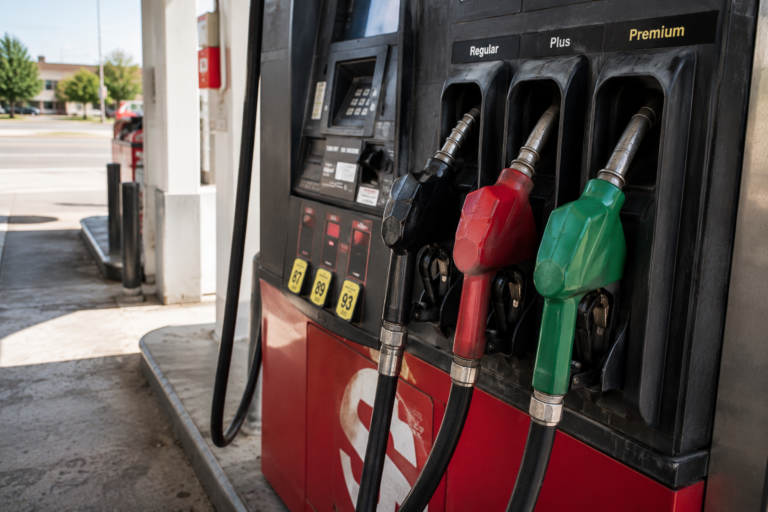
- Gas stations run dry
- Cell networks overload or go down
- People flood the same “safe” areas
Most people don’t realize how fast things fall apart.
Within the first few hours of a major event:
- Roads turn into parking lots
- Gas stations get overwhelmed or shut down
- Emergency services are stretched thin
- People start making desperate decisions
What looks like a simple evacuation turns into chaos fast.
And once that happens, your options shrink quickly.
Common Mistakes:
- No backup location
- No route planning
- Choosing places too far away
- Assuming wilderness = safety
Reality Check:
Your bug-out location needs to be:
- Reachable
- Defensible
- Sustainable
Not just “remote.”
Why Most People NEVER Make It to Their Bug Out Location
This is the part nobody wants to talk about.
Most people don’t fail because of bad intentions—they fail because of bad planning.
Here’s what actually goes wrong:
They Run Out of Gas
Gas stations don’t stay open long during emergencies.
- Lines form immediately
- Supplies run out
- Power outages shut pumps down
If you’re relying on stopping for fuel—you’re already behind.
They Get Stuck in Traffic
Everyone has the same idea:
“Just leave.”
That turns highways into parking lots.
Once you’re stuck:
- You burn fuel
- You lose time
- You become a sitting target
They Pick a Location That’s Too Far
A location 100 miles away might sound great—until you try to get there under pressure.
Reality:
Most people won’t make it past the first 20–30 miles during chaos
They Follow the Crowd
People head toward:
- Highways
- Cities
- Public shelters
That’s exactly where you don’t want to be.
They Never Practiced the Route
Knowing where you’re going is not enough.
If you haven’t:
- Driven it
- Walked it
- Tested it
Then you don’t actually have a plan.
What Happens When You Choose the WRONG Bug-Out Location
Most people don’t realize how fast a bad decision compounds during a crisis.
Scenario 1: You Head Too Far
You pick a location 80–100 miles away thinking it’s safer.
- Traffic slows you down within the first 10–20 miles
- Fuel becomes an issue faster than expected
- You get stranded before you even get close
Now you’re stuck between:
- Home (which may no longer be safe)
- A destination you can’t reach
Scenario 2: You Follow Main Roads
This is where most people fail.
Highways turn into:
- Parking lots
- High-risk zones
- Bottlenecks with no escape
Once you’re in it, you’re committed.
And that’s dangerous.
Scenario 3: You Head Into the Woods Without a Plan
This is the biggest myth in survival.
People think:
“I’ll just go into the woods and figure it out.”
Reality:
- No shelter
- No water access
- No navigation plan
- No food strategy
The woods don’t keep you safe—they expose your lack of preparation.
Scenario 4: You Pick a Popular “Safe” Location
Examples:
- State parks
- Campgrounds
- Public shelters
These become overcrowded fast.
And where there are people, there are problems:
- Limited resources
- Increased risk
- Zero control
Bottom Line:
A bad bug-out location doesn’t just slow you down…
It puts you in a worse situation than if you stayed put.
Modern evacuation isn’t what it used to be — here’s how bug-out strategies have changed in recent years: The New Rules of Bugging Out in 2025
THE 3 TYPES OF BUG OUT LOCATIONS (CORE FRAMEWORK)
You don’t need one location.
You need three layers.
1. Primary Location (Your Best Option)
This is where you want to go.
Examples:
- Family property
- Friend’s house in rural area
- Cabin or land you have access to
Must have:
- Water access
- Shelter (or ability to build it)
- Distance from major population centers
👉 If you’re building a full survival strategy, this ties directly into a complete emergency preparedness plan for real-world scenarios.
2. Secondary Location (Backup Plan)
If your main location is unreachable:
- Different route
- Different direction
- Less ideal—but viable
Examples:
- State park outskirts
- Known low-traffic rural zones
- Pre-scouted wooded areas
3. Emergency Stop Location (Immediate Survival)
This is your “I need to get out NOW” location
Examples:
- Nearby woods
- Drainage areas / cover zones
- Temporary hide spots
Used for:
- Avoiding chaos
- Regrouping
- Moving later
BEST BUG OUT LOCATIONS (RANKED)
Now let’s get real about where you should actually go.
1. Rural Private Property (BEST OPTION)
Why:
- Controlled environment
- Known terrain
- Less people = less risk
Pros:
- Security
- Sustainability potential
- Storage capability
Cons:
- Requires planning ahead
- May still be far
2. National Forest / Remote Public Land
Pros:
- Remote
- Natural resources
- Harder to track
Cons:
- No guaranteed safety
- Other people WILL go there
- Requires real survival skills
3. Farmland / Agricultural Areas
Farmland gives you something most locations don’t—visibility.
You can see movement from a distance, which gives you time to react.
That alone can make the difference between staying safe and getting caught off guard.
Pros:
- Open visibility
- Access to water sources
- Often overlooked
Cons:
- Limited cover
- Property ownership issues
4. Small Towns (NOT Cities)
Pros:
- Less chaos than cities
- Resources still available early
Cons:
- Will fill up quickly
- Limited long-term sustainability
5. Hidden & Overlooked Bug Out Locations (Most People Miss These)
That’s a problem.
If you want to stay safe, you need to think differently.
Smart alternative locations:
🔹 Abandoned Structures (Use Carefully)
- Old barns
- Hunting cabins
- Outbuildings
Why they work:
- Already provide shelter
- Often overlooked
- Quick setup
Risks:
- Could already be occupied
- Structural safety issues
🔹 Old Logging Roads / Access Trails
These are gold if you know how to use them.
- Low traffic
- Not visible from main roads
- Easy navigation routes
Perfect for:
- Moving quietly
- Avoiding crowds
- Setting up temporary camps
🔹 Natural Concealment Zones
- Creek beds
- Tree lines
- Hillside cover
These aren’t long-term locations—but they’re critical survival stops.
Reality:
The best bug-out location is the one nobody else is thinking about.
Quick Comparison: Bug Out Location Types
| Location Type | Safety | Sustainability | Risk Level |
|---|---|---|---|
| Private Land | High | High | Low |
| National Forest | Medium | Medium | Medium |
| Farmland | Medium | Medium | Low |
| Small Town | Low | Low | High |
Where You Should Go Based on the Disaster Type
Not all bug-out locations work for every situation.
Choosing the wrong type of location for the disaster you’re facing is one of the fastest ways to get yourself into trouble.
Grid-Down / Power Outage (Most Likely Scenario)
When the grid goes down, chaos builds fast—but it doesn’t happen instantly.
Best move:
- Stay within 10–30 miles
- Avoid highways and major evacuation routes
- Head to a pre-scouted rural or semi-rural location
Why this works:
- Fuel becomes a problem quickly
- Traffic choke points form within hours
- Communication systems fail early
Power becomes just as critical as movement—👉 this shows what size solar generator you actually need to stay operational during a blackout.
When that happens, most people are completely cut off—👉 here’s how to communicate when the grid goes down and stay connected.
👉 Most people underestimate how fast things fall apart—especially in the early phase. Here’s a breakdown of how to survive a two-week power outage when systems fail.
Wildfire
This is where most people make deadly mistakes.
DO NOT go deeper into wooded areas.
Best move:
- Move away from wind direction
- Head toward open areas or low vegetation zones
- Use roads with multiple exit options
Big mistake:
- Thinking the forest is a safe escape—it’s not
Civil Unrest / Urban Collapse
Best move:
- Get out of populated areas immediately
- Use low-visibility routes
- Avoid predictable evacuation paths
Goal:
- Stay unseen, not just safe
👉 If you’re stuck in an urban environment, this guide breaks down exactly how to move safely: urban survival strategies that actually work when things go bad.
Flood / Hurricane
Distance doesn’t matter as much here—elevation does.
Best move:
- Get to higher ground immediately
- Avoid valleys, rivers, and low roads
- Choose locations with drainage and elevation advantage
Winter Storm / Extreme Cold
This is one of the few scenarios where bugging out can be worse than staying put.
Best move:
- Only leave if your shelter becomes unsafe
- Prioritize locations with reliable heat sources
HOW TO PRE-SCOUT YOUR BUG OUT LOCATION (THIS IS WHERE PEOPLE FAIL)
Planning in your head doesn’t count.
If you haven’t physically checked your location—you don’t have one.
🔍 What You Need to Do:
1. Visit It (At Least Once)
- Walk the area
- Identify entry/exit routes
- Look for water
2. Time the Trip
How long does it really take?
- Normal conditions
- Heavy traffic scenario
- On foot
Most people massively underestimate this
3. Identify Danger Points
- Bridges
- Narrow roads
- High-traffic intersections
These become choke points fast.
4. Test a Night Approach
This is where things get real.
- Can you find it in the dark?
- Can you move quietly?
- Can you navigate without GPS?
⚠️ Hard Truth:
If you haven’t practiced getting there…
You probably won’t make it.
WHERE NOT TO GO (CRITICAL)
Avoid these at all costs:
Major Highways
You’ll get stuck.
Cities
Too many people, too fast.
Emergency Shelters
- Overcrowded
- Limited supplies
- No control over safety
The best bug out locations are the ones you can reach quickly under pressure—not the ones that look good on paper.
How to Plan Your Bug-Out Routes (This Is Where Most Plans Break)
Most people focus on where they’re going…
…but completely ignore how they’re getting there.
That’s a mistake.
Because your route is often more important than your destination.
You Need 3 Routes — Minimum
If you only have one route, you don’t have a plan.
You need:
- Primary Route → Fastest way there
- Secondary Route → Avoids main traffic areas
- Emergency Foot Route → If your vehicle fails
Identify Choke Points (Before They Trap You)
These are the places where people get stuck:
- Bridges
- Highway on-ramps
- Intersections near cities
- Gas stations
During a real emergency, these turn into dead zones.
👉 Avoid them or plan a way around them.
Plan Fuel Strategy (Critical)
Don’t assume you can stop for gas.
You need:
- At least ½ tank at all times
- Backup fuel if possible
- Route distance within your fuel range
Hard truth:
Running out of gas is one of the most common failure points.
👉 Fuel becomes one of the biggest limiting factors in a real emergency. Here’s how to plan for longer outages: how to survive a two-week power outage without running out of essentials.
Night Movement Advantage
Moving at night can:
- Reduce visibility
- Avoid crowds
- Increase your chances of getting through
But only if:
- You’ve tested your route
- You have proper lighting
- You know the terrain
Offline Navigation Plan
If GPS goes down, what’s your plan?
You should have:
- Printed maps
- Landmarks memorized
- Route checkpoints
Because once navigation fails…
Most people are completely lost.
Real Example: What a Smart Bug-Out Plan Looks Like
Let’s make this real.
Instead of guessing, here’s what an actual plan might look like:
- Primary Location: Rural property 25 miles away
- Secondary Location: Wooded area off a back road 15 miles away
- Emergency Stop: Tree line 3 miles outside town
Routes:
- Main road (fastest, but risky)
- Backroad route (slower, safer)
- Walking route (last resort)
Gear Ready:
- Full bug-out bag
- Water filtration
- Lighting + communication
Why this works:
- Distance is realistic
- Multiple fallback options
- Routes already tested
👉 This is the difference between a plan and a guess.
HOW TO CHOOSE YOUR LOCATION (STEP-BY-STEP)
Step 1: Distance Sweet Spot
- 10–50 miles ideal
- Far enough to escape
- Close enough to reach
Step 2: Water Source (Non-Negotiable)
If there’s no water, it’s not a bug-out location.
Step 3: Access Routes
Have:
- Primary route
- Backup route
- Foot route
Step 4: Threat Level
Ask:
- How many people will go here?
- Is it visible?
- Is it defendable?
Step 5: Sustainability
Can you:
- Stay 72 hours?
- Stay 2 weeks?
- Stay longer?
What Makes a Bug-Out Location Actually Sustainable
A lot of locations look good on paper…
…but fall apart after 48–72 hours.
Here’s what separates a real location from a bad one:
Water (Daily Survival Requirement)
You need:
- 1 gallon per person per day (minimum)
- A renewable source nearby
No water = no survival.
If your location doesn’t have clean water, you need a way to make it safe—👉 this guide shows how to purify water in any survival situation.
Food (Short-Term vs Long-Term)
Ask yourself:
- Can you last 72 hours?
- Can you stretch food for 2+ weeks?
Most people overestimate how long their supplies will last.
Security (Often Ignored)
Ask:
- Can you see people approaching?
- Can you stay hidden if needed?
- Do you have multiple escape routes?
If not—you’re exposed.
Shelter & Heat
This depends on your environment.
You need:
- Protection from weather
- Insulation from cold
- Shade in heat
👉 Without shelter, survival time drops fast.
👉 Staying alive in extreme conditions depends heavily on your shelter and heat strategy. Learn the safest options for how to stay warm without power during an emergency.
Reality Check:
A “good location” isn’t just somewhere you can reach…
It’s somewhere you can stay alive.
Essential Gear to Reach and Survive at Your Bug Out Location
Your plan is only as good as your ability to execute it.
The right gear doesn’t just make things easier—it makes the difference between getting there… or not.
Recommended Bug-Out Gear (Field-Tested Essentials)
When it comes to actually reaching your bug-out location, the right gear makes all the difference.
Here are a few essentials you should not skip:
🔹 Water Filter (Non-Negotiable)
Clean water is your #1 priority once you leave home.
👉 A portable water filter lets you turn almost any water source into safe drinking water.

🔹 Emergency Radio
When communication goes down, information becomes survival.
👉 A solar-powered emergency radio keeps you updated without relying on the grid.

🔹 Tactical Flashlight
Moving at night is often safer—but only if you can see clearly.
👉 A durable, high-lumen flashlight gives you visibility and control.

🔹 Durable Backpack (Bug-Out Bag Base)
Everything you carry depends on this.
👉 A strong, well-organized backpack keeps your gear accessible and mobile.

Why This Matters:
Without the right gear:
- You won’t reach your location
- You won’t stay there
- You won’t adapt when things change
💡 Pro Tip: Don’t wait until an emergency to test your gear—most failures happen the first time people actually need it.
Navigation (Non-Negotiable)
When GPS fails, most people are completely lost.
You need:
- Physical map of your area
- Compass
- Backup route notes
Water Filtration
You cannot carry enough water for long-term survival.
You need a way to create more.
👉 If you don’t have a solid water plan, your location won’t matter. This guide covers how to purify water in any survival situation.
Lighting (Movement & Safety)
Moving in the dark is often safer—but only if you can see.
👉 The right lighting setup isn’t optional—it’s critical. Here are the best emergency lights that actually work during power outages.
Communication
When networks go down, you’re on your own—unless you planned ahead.
👉 When everything goes down, communication becomes your lifeline. Learn how to stay connected with the best emergency radios for grid-down situations.
Bug-Out Bag (Your Mobile Survival System)
Everything you need should already be packed and ready.
👉 If your bag isn’t ready, neither are you. Use this guide to build a 72-hour bug-out bag that actually works.
Fire & Cooking (Critical Survival Layer)
You need the ability to:
- Boil water
- Cook food
- Stay warm
Add:
- Fire starters
- Compact stove
- Backup ignition sources
👉 If you can’t make fire, your survival window drops fast.
👉 Fire is one of the most important survival skills you can have. Learn how to choose fire starters that actually work in wet and harsh conditions.
Multi-Use Tools (Efficiency = Survival)
Weight matters.
You need gear that does multiple jobs:
- Multi-tool
- Folding shovel
- Paracord
These increase your ability to adapt.
Power & Charging
Even basic gear depends on power now.
You should have:
- Power bank
- Solar backup
- Charging cables
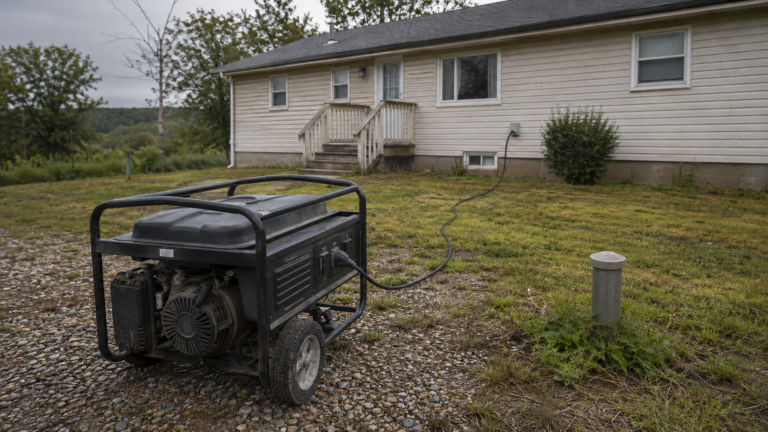
👉 This ties directly into your power setup. Here’s how to choose the best survival generators for backup power.
👉 Long-term survival isn’t just about food and water—you need power. Here’s how to build a reliable off-grid power setup for emergencies.
The Biggest Bug-Out Location Myth
Most people think:
“Further away = safer.”
That’s not true.
In reality:
- Distance increases risk
- Travel time becomes the problem
- Fuel becomes the limiter
👉 The best location is:
- Close enough to reach
- Far enough to escape
- Known and practiced
If you don’t choose your bug out locations ahead of time, you’re leaving your survival up to chance.
Bug-Out Location Checklist (Quick Planning Guide)
If you want to know whether your location is actually viable, run through this checklist:
✅ Distance
- Within 10–50 miles
- Reachable with your current fuel
✅ Water
- Natural water source nearby
- Backup filtration method ready
✅ Access
- At least 2 routes
- One non-highway option
- One foot route
✅ Visibility & Security
- Can you see people approaching?
- Can you stay hidden if needed?
✅ Sustainability
- Can you survive 72 hours minimum?
- Can you stretch supplies longer?
✅ Familiarity
- You’ve visited it
- You’ve tested at least one route
- You can reach it without GPS
If You Can’t Check These Boxes:
It’s not a real bug-out location yet.
The Best Bug-Out Location for MOST People (Simple Answer)
If you’re overwhelmed by all of this, here’s the truth:
For most people, the best bug-out location is:
- 10–30 miles away
- Outside major population areas
- Accessible without highways
- Already familiar to you
✔️ Why This Works
- Close enough to reach quickly
- Far enough to avoid chaos
- Doesn’t rely on perfect conditions
What Most People Get Wrong
They overcomplicate it.
You don’t need:
- A remote cabin 100 miles away
- A deep wilderness setup
- A “perfect” survival location
You need something you can actually reach under pressure.
👉 Simple beats perfect—every time.
Your Bug Out Plan Starts NOW
Most people wait until something happens.
By then—it’s already too late.
If you want to actually make it to your bug-out location, here’s what you need to do:
- Pick 3 locations today
- Drive at least one route this week
- Identify fuel stops and choke points
- Build your gear setup
- Create a backup plan
Because when things go bad…
You won’t rise to the occasion.
You’ll fall back on your preparation.
Building a reliable evacuation setup? See our recommended bug out bag essentials here.
FAQ: Bug Out Locations
How far should a bug out location be?
Most people should aim for 10–50 miles—close enough to reach quickly, far enough to avoid immediate danger.
Is going into the woods a good bug out plan?
Only if you have the skills, gear, and a plan. Otherwise, it can put you in a worse situation.
Should you bug out or stay home?
It depends on the situation. In many cases, staying put is safer unless your location becomes dangerous, such as during wildfire, flooding, or civil unrest.