30 Days Without Power: What Actually Happens
Most people prepare for blackouts that last a few hours — maybe a few days.
This post contains affiliate links. I may earn a small commission at no extra cost to you. Learn more.
Very few people ever stop to think about what happens when the power stays off for an entire month.
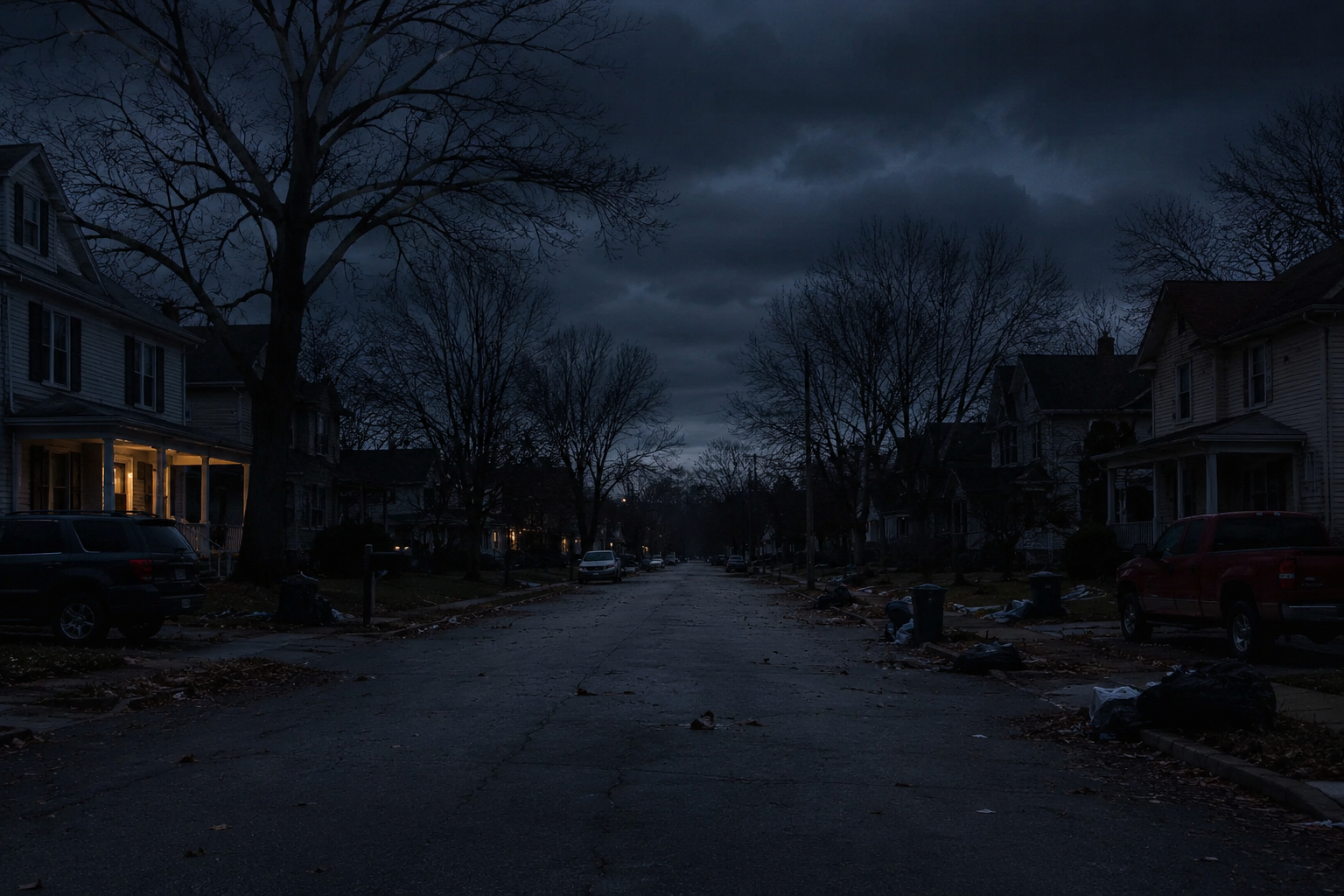
After 30 days without electricity, modern society begins operating in a completely different reality. Supply chains collapse. Fuel becomes scarce. Clean water systems become unreliable. Medical infrastructure weakens. Communication networks disappear. Food shortages intensify. Entire communities begin changing behavior.
The dangerous part is that none of this happens instantly. It happens slowly enough that most people underestimate the threat until conditions become extremely difficult to reverse.
The first few days of a blackout are mostly confusion and inconvenience.
But after a full month without power, critical infrastructure is no longer simply disrupted — supply systems, utilities, transportation networks, and communications all begin struggling to operate reliably.
Most families are not prepared for how fast conditions begin changing during the early stages of a grid failure. If you missed the beginning of the timeline, read What Happens During the First 24 Hours of a Major Blackout.
The households that adapt the fastest during extended outages are usually the ones that prepared before shortages and infrastructure problems became widespread.
If you haven’t already built a complete emergency system, start with this guide first:
Emergency Preparedness Plan 2026: The Complete Survival Framework
This article breaks down what realistically happens after 30 days without power, how daily life changes, which systems fail first, and what prepared households do differently before long-term grid failures become dangerous.
By Day 30, Most Early Backup Plans Have Already Failed
One of the biggest problems during long-term blackouts is that most emergency preparations are built around short-term outages.
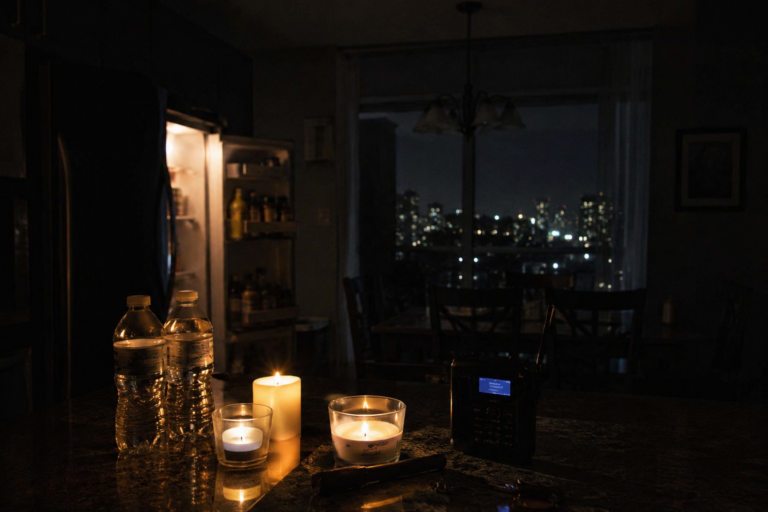
Freezer food is already gone. Small battery banks are drained. Propane tanks are running low. Cheap flashlights stop working. Gasoline stored improperly may already be degrading.
Many families discover they only prepared for inconvenience — not long-term infrastructure failure.
This is the stage where temporary emergency supplies stop being enough, and long-term preparedness systems start mattering.
The First Month Changes Everything
Many households still view blackouts as short-term emergencies where life eventually returns to normal after a rough few days. But after 30 days without power, society is no longer operating in emergency mode — it begins adapting to collapse conditions.
That distinction matters because long-term outages force communities to adapt to conditions most people never expected to face.
By this point, households have already burned through most easily available supplies. Grocery stores were emptied weeks ago. Fuel reserves are critically low. Many pharmacies have stopped functioning. Battery banks are dead. Backup generators are running out of gasoline or propane.
The psychological shift becomes just as important as the physical shortages. During the first week, people still believe help is coming quickly, but after a month that optimism starts disappearing. And once hope fades, human behavior changes fast.
Communities that looked calm during the first few days of a blackout can begin showing signs of fear, desperation, territorial behavior, theft, panic buying, and conflict.
The households that remain stable during prolonged emergencies usually solve three problems early:
- Reliable water access
- Long-term food storage
- Independent power and communication systems
If your water plan still depends on city utilities, read this next:
Long-Term Water Storage: Complete Prepper Guide for Emergencies
Food Supply Chains Begin Completely Breaking Down
The average grocery store only carries a few days of inventory under normal conditions.
Few households realize how dependent grocery supply chains are on continuous transportation and refrigeration.
After 30 days without power, nearly every weak point in that system has already failed.
Refrigerated warehouses spoil. Distribution centers slow down or stop entirely. Fuel shortages make trucking difficult. Electronic payment systems become unreliable. Security problems increase around food deliveries.
Even if some stores reopen periodically, shelves are usually inconsistent and heavily picked over.
The remaining available food becomes limited to shelf-stable basics, canned goods, dry grains, and whatever local suppliers can still distribute.
Protein sources become especially difficult for many families. Frozen foods disappeared weeks earlier, fresh produce becomes increasingly scarce, and many households discover they never actually stored enough calories for a long-term emergency.
This is where panic buying transitions into real scarcity. People stop purchasing what they want and start purchasing whatever still exists.
If you missed the earlier stages of how shortages develop, this article connects directly into the timeline:
What Runs Out First in a Blackout? (And What You Need to Stock Before Everyone Else Does)
Water Systems Become a Serious Threat
Food shortages usually receive more attention than water failures during emergencies.
That’s backwards.
Water becomes dangerous much faster.
After 30 days without reliable electricity, municipal water systems may begin experiencing severe pressure problems, contamination risks, equipment failures, or complete outages depending on the scale of the disaster.
Water treatment plants require electricity, chemicals, maintenance crews, and fuel to continue operating safely.
If those systems weaken long enough, water quality becomes increasingly questionable.
And even areas still receiving running water may no longer have safe water.
This creates a major shift in daily life. Families begin rationing water aggressively, bathing becomes limited, laundry decreases, sanitation problems increase, toilet systems become difficult to manage, and illness spreads easier when hygiene standards collapse.
This is why experienced preppers usually prioritize water independence long before conditions ever reach this stage.
Most water contingency plans include:
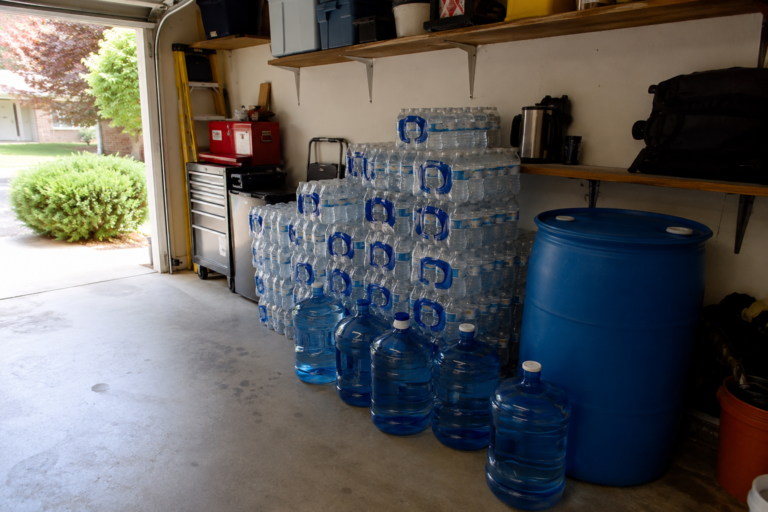
- Stored water reserves
- Water filtration systems
- Rain collection systems
- Portable purification methods
- Backup sanitation plans
For a full breakdown of how fast water systems deteriorate during outages, read:
When Water Stops Running: What Happens in the First 72 Hours

Fuel Becomes One of the Most Valuable Resources Left
By the 30-day mark, fuel shortages are no longer temporary inconveniences.
After a month-long blackout, fuel effectively becomes infrastructure.
Ambulances require fuel. Food deliveries require fuel. Farm equipment requires fuel. Utility crews require fuel. Once shortages begin affecting transportation systems, nearly every other emergency problem becomes harder to solve.
Without gasoline, diesel, propane, or firewood, entire support systems begin breaking down. Generators stop running, vehicles become unusable, supply deliveries slow down, and heating and cooking systems disappear for many households.
And one of the biggest mistakes families make is assuming they can simply “go get more fuel” later.
After a month-long outage, fuel availability may become unpredictable or heavily controlled depending on the situation.
Gas stations depend on:
- Electric pumps
- Fuel deliveries
- Digital payment systems
- Working communications
- Safe transportation routes
When several of those systems fail simultaneously, fuel access changes completely.
Long lines, rationing, theft, and violence around fuel supplies become increasingly common during extended emergencies.
Families with long-term emergency plans usually begin conserving fuel early instead of waiting until shortages become severe.
Fuel conservation strategies often include:
- Limiting unnecessary driving
- Reducing generator runtime
- Switching to solar charging whenever possible
- Using fuel-efficient cooking methods
- Keeping stabilized gasoline stored beforehand
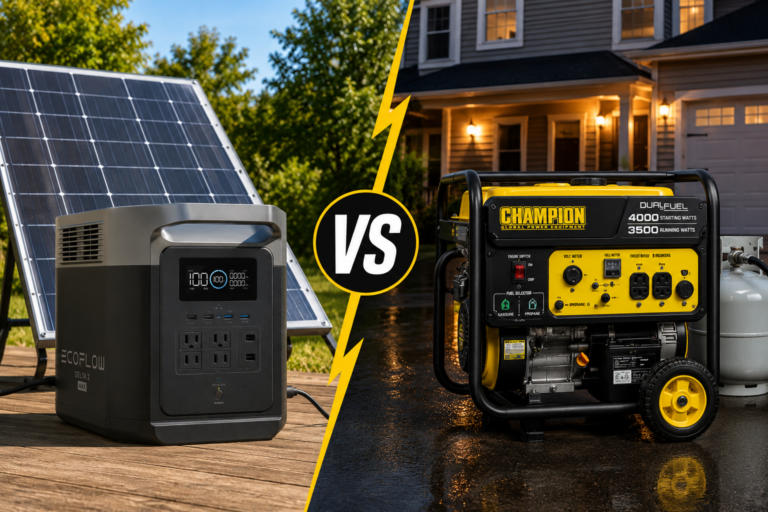
If your backup power system still depends entirely on gasoline, this guide becomes extremely important:
Solar Generator vs Gas Generator: Which Backup Power System Actually Works in a Blackout?


Medical Systems Begin Failing in Dangerous Ways
Extended grid failures become especially dangerous for people who depend on refrigerated medications, powered medical devices, or consistent access to healthcare services.
Hospitals may still operate in limited capacities, but healthcare systems become overwhelmed quickly.
Backup generators require constant fuel, medical supply chains slow down, staff shortages increase, transportation problems delay emergency response times, and medications become increasingly difficult to refill.
For many families, the biggest long-term survival threat is not violence — it is losing access to modern medical support systems people normally depend on every day.
Diabetics struggle with insulin storage.
People dependent on refrigerated medications face major risks.
CPAP users lose reliable overnight power.
Minor infections become more dangerous when antibiotics are harder to obtain.
And emergency rooms begin prioritizing only the most severe cases.
This is why experienced preparedness planning focuses heavily on medical redundancy.
Many experienced preppers keep:
- Extended medication reserves where legally possible
- Backup power for critical medical devices
- Comprehensive first aid kits
- Alternative refrigeration plans
- Basic sanitation and infection-control supplies
If you rely on electrically powered medical equipment during outages, this guide may help:
Grid-Down Survival Power: Emergency Backup Systems That Actually Work

Communication Networks Nearly Disappear
Many families assume communication systems will remain functional far longer than they actually do during major outages.
That assumption usually comes from experiencing short outages.
But after 30 days without stable electricity, communication infrastructure starts becoming increasingly unstable.
Cell towers require power.
Internet infrastructure requires power.
Fiber systems require maintenance.
Data centers require cooling and backup systems.
As outages spread and backup systems fail, communication networks become increasingly unstable and unreliable.
And even functioning systems become overloaded.
One of the most dangerous psychological effects of a long-term blackout is losing access to reliable information. Families no longer know:
- What areas are safe
- When supplies are arriving
- Whether outages are improving
- What government responses are happening
- What rumors are true
That level of uncertainty increases panic dramatically during prolonged outages.
Families that prioritize emergency planning usually build communication redundancy long before disasters occur.
That often includes:
- NOAA weather radios
- Emergency HAM radios
- FRS/GMRS radios
- Offline maps
- Battery and solar charging systems

If you haven’t built an emergency communication setup yet, start here:
Emergency Communication Systems: Complete Off-Grid Communication Guide
You should also read:
How to Communicate When the Grid Goes Down

Crime and Security Problems Increase Gradually
One of the biggest myths about long-term blackouts is that society instantly turns into chaos overnight.
That usually is not how real disasters work.
What actually happens is slower — and often more dangerous.
Crime tends to rise gradually as desperation increases.
During the first week, most people are still relying on stored supplies and hoping normal systems return quickly.
But after 30 days, shortages become serious enough that behavior changes.
People begin protecting resources aggressively.
Theft increases around:
- Fuel
- Generators
- Food supplies
- Medication
- Battery systems
- Vehicles
Neighborhood tensions increase, law enforcement resources become stretched thinner, response times grow longer, and visible signs of preparation can attract unwanted attention.
This is one reason experienced preparedness communities often emphasize “gray man” principles during prolonged emergencies.
The safest households during prolonged emergencies are usually the ones that avoid drawing unnecessary attention.
Low-profile security strategies often include:
- Running generators carefully
- Avoiding unnecessary lights at night
- Keeping supplies discreet
- Building strong neighborhood relationships early
- Maintaining situational awareness
If you haven’t read it yet, this article connects directly into how conditions evolve socially during long-term outages:
How Fast Society Changes During a Long-Term Power Outage

Mental Fatigue and Stress Become Major Survival Problems
Physical preparedness receives far more attention than psychological preparedness during most emergency planning. After 30 days without power, mental exhaustion becomes one of the biggest threats families face.
The constant stress changes people. Sleep quality drops, patience disappears, arguments increase, and decision-making becomes worse.
Even simple daily tasks begin feeling overwhelming when nearly every part of life suddenly requires manual effort.
People spend enormous amounts of energy just trying to maintain basic survival routines:
- Finding water
- Cooking food
- Charging devices
- Managing sanitation
- Staying informed
- Protecting supplies
Modern life normally automates most of these systems.
During a month-long blackout, households suddenly have to manage them manually every single day.
That constant workload creates exhaustion quickly.
And once fatigue sets in, mistakes increase.
Families with established routines and backup systems usually handle prolonged emergencies far better psychologically.
Routine becomes critical during long-term disasters.
Families that maintain structure tend to handle stress much better than households operating entirely in reaction mode.
That means:
- Establishing daily routines
- Creating scheduled chores
- Maintaining morale activities
- Limiting panic-based decisions
- Keeping realistic expectations
One overlooked advantage of preparedness is psychological stability.
People handle emergencies better when they feel capable instead of helpless.
Sanitation Problems Start Creating Serious Health Risks
After 30 days without reliable utilities, sanitation becomes a major problem in many areas.
This is one of the least discussed parts of long-term grid failures — but historically, sanitation breakdowns create enormous health problems during disasters.
Garbage collection slows or stops.
Sewage systems become unreliable.
Water shortages reduce hygiene standards.
Pests increase.
And once waste systems begin failing, disease spreads much easier.
Many households are completely unprepared for this stage because modern sanitation normally feels automatic.
But during long-term outages, families may suddenly need backup plans for:
- Human waste disposal
- Trash management
- Laundry
- Bathing
- Dish sanitation
- Pest control
These problems escalate quickly in dense urban areas where large populations depend entirely on municipal systems.
Families that prepare early usually reduce sanitation risks significantly during extended outages.
That includes:
- Stored cleaning supplies
- Heavy-duty trash bags
- Portable toilet systems
- Bleach and disinfectants
- Wet wipes and hygiene products
- Backup water reserves
If your preparedness plan still depends entirely on normal plumbing systems, this article becomes important:
Two-Week Power Outage Preparedness: What Most Families Forget

Weather Exposure Becomes More Dangerous Over Time
The longer a blackout lasts, the more dangerous seasonal weather becomes. Most people can tolerate uncomfortable temperatures for a few days, but 30 days is completely different.
Without reliable heating or cooling systems, weather exposure becomes a constant survival issue.
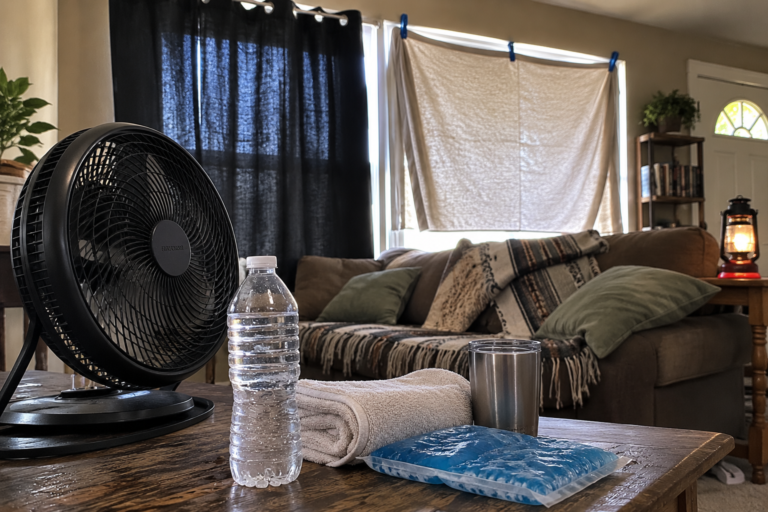
Summer outages create dehydration risks, heat exhaustion, food spoilage, and dangerous indoor temperatures.
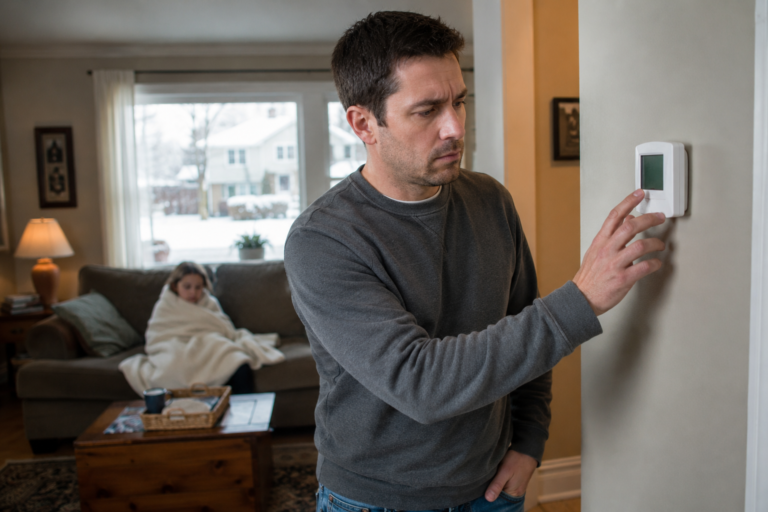
Winter outages create hypothermia risks, frozen pipes, dangerous indoor heating attempts, and fuel shortages.
And after a month without stable power, many households are already low on the supplies needed to manage those conditions safely.
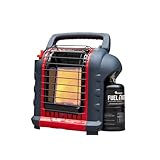
This is where poorly planned backup systems start failing. Small battery banks drain too quickly, cheap generators break down, fuel supplies disappear, and many families discover they prepared for short outages — not long-term survival.
The most resilient households usually rely on layered backup systems instead of one single solution.
That often includes:
- Insulation improvements
- Cold-weather sleeping systems
- Solar charging systems
- Battery backups
- Ventilation plans
- Safe off-grid cooking methods
If you haven’t already built a realistic long-term power strategy, start here:
Emergency Power & Energy Backup Guide
Communities Begin Operating Very Differently
One of the biggest changes after 30 days without power is the growing divide between households that prepared early and households that did not.
At first, everyone struggles together.
But over time, the differences become obvious.
Households that planned early usually still have:
- Stored food
- Reliable water
- Some communication ability
- Lighting systems
- Cooking capability
- Backup power options
Unprepared households begin running out of options.
And that creates tension.
Communities often start reorganizing around resources, trust, and cooperation.
Some neighborhoods become stronger and more cooperative.
Others become increasingly unstable.
This is why community preparedness matters far more than most people realize.
A single prepared household surrounded by desperate neighbors eventually faces serious pressure.
But neighborhoods that communicate, share responsibilities, and plan ahead together usually handle disasters much better.
During prolonged emergencies, preparedness becomes less about individual survival and more about community resilience.
If you are still building your core emergency systems, this guide ties everything together:
How to Prepare Before a 30-Day Blackout Happens
The biggest mistake most families make is waiting until shortages begin before preparing.
By the time outages stretch into weeks, stores are already empty, fuel is difficult to find, and critical supplies become expensive or unavailable.
Experienced preppers usually focus on building complete systems instead of panic-buying random gear.
The goal is creating enough resilience to remain stable while other systems become unreliable.
That usually means preparing for:
- 30+ days of food
- Independent water filtration
- Backup lighting and power
- Off-grid cooking capability
- Medical and sanitation supplies
- Reliable emergency communication
Most importantly, experienced preppers test their systems before emergencies happen.
A generator that has never been tested, stored fuel that has gone bad, or emergency food nobody knows how to cook becomes a major liability during a real blackout.
If you’re still building your setup, start with this guide:
Emergency Preparedness Plan 2026
No products found.
Most Modern Conveniences Never Return Quickly
One of the biggest mistakes people make during long-term blackouts is assuming recovery happens as fast as the outage itself.
It usually doesn’t.
Even if portions of the electrical grid eventually begin recovering, many surrounding systems remain damaged long afterward.
After 30 days without power, communities may still face:
- Fuel shortages
- Food rationing
- Communication failures
- Water restrictions
- Medical backlogs
- Supply chain instability
And the psychological impact remains long after electricity returns.
People who experience extended outages often permanently change how they think about preparedness afterward.
Once people experience how fragile supply chains, utilities, and communication systems can become during extended outages, they usually think about preparedness very differently afterward.
This is why experienced preparedness planning focuses less on fear and more on resilience.
The goal is not paranoia.
The goal is reducing dependency on fragile systems before those systems become unavailable.
Families that recover the fastest after disasters are usually the ones that prepared before everyone else realized preparation mattered.
How Experienced Preppers Prepare for Extended Grid Failures
The households that handle 30-day outages the best are usually not the ones with the most expensive gear.
They are the ones with layered systems.
They understand that long-term survival is not about one product or one bunker.
It’s about solving multiple problems simultaneously before emergencies happen.
Experienced preparedness planning usually focuses on six core areas first:
1. Water Independence
Reliable water storage and filtration become priorities immediately because water failures become catastrophic fast.
Most experienced preppers build both short-term stored water and long-term purification capability.
Start here:
Water Purification Systems Guide
2. Long-Term Food Storage
Long-term food storage plans usually prioritize shelf-stable calories over convenience foods.
Rice, beans, oats, canned foods, freeze-dried meals, and bulk staples become extremely valuable during extended outages.
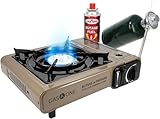
Many also build off-grid cooking capability before emergencies happen.
You should also read:
How to Cook During a Power Outage
3. Backup Power Systems
Reliable backup power setups rarely depend on a single energy source.
Instead, they layer multiple systems together:
- Battery banks
- Solar generators
- Fuel generators
- Rechargeable lighting
- Power conservation strategies
Most importantly, they test these systems before emergencies happen.
If you’re still building your setup, start with:
4. Communication Redundancy
Long-term disasters become far more dangerous when people lose access to information.
Families with communication plans usually maintain multiple ways to receive updates and communicate locally.
That includes radios, offline maps, backup charging systems, and emergency communication plans.
Read next:
5. Security and Situational Awareness
The safest households during extended outages are usually the ones that avoid attracting attention while maintaining awareness of changing conditions.
That means:
- Strong exterior lighting plans
- Neighborhood relationships
- Low-profile preparedness
- Emergency routines
- Reliable communication
Preparedness works best when it stays organized instead of reactive.
6. Skills Instead of Just Supplies
Supplies help during emergencies, but practical skills are what allow households to adapt when conditions continue getting worse.
Families that know how to cook without electricity, purify water, conserve fuel, repair equipment, and adapt to changing conditions usually perform far better during extended emergencies.
This is why long-term preparedness is really about self-reliance.
Not fear.
Not panic buying.
Not fantasy scenarios.
Just practical systems that continue working after modern conveniences stop functioning.
Recommended Blackout Preparedness Gear
If you’re still building your emergency setup, I organized a complete list of blackout preparedness gear including backup power, emergency lighting, communication equipment, water filtration, fuel storage, and other critical supplies designed for extended outages.
Final Thoughts
After 30 days without power, modern life begins changing in ways most people never expect.
Food systems weaken, fuel becomes scarce, communication networks fail, medical systems struggle, sanitation problems increase, and the psychological pressure on families becomes enormous.
But long-term blackouts also reveal something important: preparedness works.
The families who prepare early usually adapt faster, remain more stable, and recover more effectively than the households trying to build emergency systems after shortages already begin.
You do not need to prepare for the apocalypse.
But you should prepare for the possibility that modern infrastructure may not always work the way people assume it will.
Because once outages stretch from days into weeks, modern conveniences stop behaving like guarantees.
And by the time most people realize how serious the situation has become, the easiest opportunities to prepare are already gone.
If you want to build a complete preparedness system before conditions ever reach this point, start here: