Emergency Toilet and Sanitation Setup During a Blackout (Most Families Aren’t Prepared for This)
An emergency toilet and sanitation setup during a blackout becomes critically important once water pressure weakens, sewer systems become unstable, and households begin struggling to maintain hygiene during prolonged power outages.
This post contains affiliate links. I may earn a small commission at no extra cost to you. Learn more.
Most people preparing for a blackout focus heavily on food, flashlights, generators, and water storage while overlooking one of the fastest-growing problems during any long-term emergency: human waste and sanitation.
Toilets are so deeply integrated into modern infrastructure that most households rarely think about what happens once water pressure disappears, sewer systems fail, lift stations lose power, or plumbing stops functioning normally.
The problem is not simply inconvenience.
Sanitation failures quickly become health hazards.
Once toilets stop flushing reliably, bacteria begins accumulating inside the home almost immediately. Moisture levels rise. Odors spread through bathrooms and living areas. Trash piles up faster than expected. Handwashing becomes harder once clean water must be rationed carefully. Families start improvising solutions that often create even larger contamination problems without realizing it.
During short outages, municipal systems may continue functioning temporarily because many cities maintain backup pressure systems and emergency water reserves. But during larger grid failures or infrastructure emergencies, sanitation systems become increasingly unstable the longer outages continue.
This is one reason experienced preparedness planners treat sanitation as a core survival system rather than a minor comfort issue.
Food shortages take time.
Sanitation problems begin immediately.
And once waste management inside the home starts breaking down, disease risk increases rapidly.
Many families discover too late that they stocked weeks of food but almost nothing capable of safely managing waste, maintaining hygiene, or preventing contamination during a prolonged blackout.
The danger becomes even worse inside apartments, suburban neighborhoods with overloaded sewer systems, and densely populated urban areas where thousands of toilets may stop functioning simultaneously.
Anyone building a serious long-term preparedness plan should also review First 72 Hours After a Disaster: What Actually Happens because sanitation problems begin escalating far earlier than most emergency timelines suggest.
Likewise, understanding how infrastructure systems collapse together becomes critically important during larger outages. What Stops Working First in a Long-Term Blackout explains why water pressure, sewage systems, fuel access, refrigeration, and communications often begin failing in overlapping stages rather than independently.

The goal of emergency sanitation planning is not creating perfect comfort during a blackout.
The goal is building simple, realistic systems that safely manage waste, maintain hygiene, reduce contamination risks, and keep the household functioning for days or even weeks if utilities fail completely.
Because once sanitation breaks down inside a home, every other survival problem becomes harder to manage.
Sanitation problems usually become far worse once municipal water pressure systems begin failing during prolonged outages, which is why every household should also understand what happens during a major water outage survival scenario
Why Sanitation Fails Faster Than Most People Expect
Most modern sanitation systems depend entirely on infrastructure that people rarely see.
Flush toilets appear simple from inside the home, but the larger system behind them depends on constant water pressure, functioning sewer lines, powered lift stations, treatment facilities, transportation systems, chemical processing plants, and maintenance crews capable of responding quickly when failures begin occurring across entire regions.
Once the electrical grid becomes unstable, many of those systems immediately start operating under emergency conditions.
Some cities maintain strong backup systems.
Others do not.
And even areas with reliable emergency infrastructure often struggle once outages extend beyond the first several days.
This is why many people misunderstand how sanitation failures actually unfold during real disasters.
Toilets do not always stop working instantly.
Instead, the system usually degrades in stages.
Water pressure weakens.
Lift stations begin failing intermittently.
Sewage backups become more common in lower elevation neighborhoods.
Wastewater treatment slows down. Maintenance crews become overwhelmed. Fuel shortages begin affecting repair vehicles and emergency response operations. Eventually entire portions of the sanitation network may become unreliable at the same time households are consuming more stored water than expected.
During summer blackouts, the situation becomes even more dangerous because heat accelerates bacterial growth while increasing household water usage dramatically.
Bathrooms become humid faster.
Stored waste begins producing stronger odors.
Mold growth accelerates.
Handwashing frequency often decreases because families start rationing water too aggressively.
At the same time, spoiled food, overflowing trash, and contaminated surfaces begin increasing disease risk throughout the home.
This creates a cascading infrastructure problem that many preparedness plans completely overlook.
Once sanitation becomes difficult, every other daily survival task becomes harder.
Cooking safely becomes more complicated.
Water storage systems become more vulnerable to contamination.
Sleeping conditions worsen.
Morale drops quickly inside confined living spaces.
Children struggle especially hard during long-term sanitation disruptions because maintaining hygiene routines becomes difficult once water access becomes limited.
The psychological effects are also larger than most people anticipate.
People can tolerate darkness for surprisingly long periods.
They tolerate constant exposure to waste, odors, humidity, and poor hygiene far less effectively.
This is one reason sanitation failures often become major stress multipliers during prolonged emergencies.
Many sanitation-related illnesses begin appearing during the critical first few days after infrastructure failures, which is why households should understand what realistically happens during the First 72 Hours After a Disaster.
Anyone preparing for extended outages should also review How Fast Society Changes During a Long-Term Power Outage because infrastructure deterioration tends to accelerate once sanitation systems, water systems, refrigeration, and fuel shortages begin overlapping simultaneously.
Apartment residents face even greater sanitation challenges because they usually depend entirely on centralized plumbing systems with limited backup options once water pressure disappears. Families living in small spaces should also review Apartment Blackout Survival: How to Live Without Power in a Small Space since confined environments become much harder to manage once sanitation systems stop functioning normally.

One of the biggest mistakes households make during blackout preparation is assuming sanitation problems only matter during extreme collapse scenarios.
In reality, even moderate infrastructure failures can create major household sanitation problems within just a few days if families lack backup systems.
And unlike many other preparedness categories, sanitation failures become impossible to ignore once they begin affecting everyday life inside the home.
What Happens When Toilets Stop Flushing
Most households assume toilets either work normally or stop functioning completely.
In reality, toilet systems usually become unreliable in stages depending on water pressure, sewer capacity, local infrastructure damage, and how many people continue attempting to use overloaded systems at the same time.
During smaller outages, municipal water pressure may continue operating temporarily because many cities use elevated water towers or backup pumping systems designed to maintain short-term service.
That creates a dangerous false sense of security.
Families continue flushing normally while assuming the system remains stable, even as infrastructure operators begin struggling behind the scenes to maintain pressure, treat wastewater, and manage increasing equipment failures.
Once backup systems weaken, toilets often start showing warning signs before total failure occurs.
Flush pressure becomes weaker.
Drains empty more slowly.
Gurgling sounds begin appearing inside pipes.
Water backs up slightly after flushing.
Lower-level bathrooms may start experiencing partial sewage reversal during heavy system overloads.
These are early indicators that the sanitation network is becoming unstable.
The danger grows significantly once households continue flushing toilets after sewer systems stop processing waste correctly.
At that point, every flush adds additional pressure to a failing system.
In severe situations, sewage can begin backing up directly into homes through floor drains, bathtubs, sinks, and lower-level toilets. This becomes especially dangerous in apartment buildings and densely populated neighborhoods where hundreds or thousands of households remain connected to the same overloaded sewer network.
Many people also underestimate how quickly stored toilet water disappears once flushing stops.
A standard toilet flush may use anywhere from 1.6 to over 5 gallons depending on the age of the system.
That means even moderate usage can quietly drain emergency water reserves far faster than expected.
Families who aggressively continue flushing with stored water often discover they consumed critical drinking water supplies on sanitation long before the blackout actually ends.
This is why serious preparedness plans separate drinking water from sanitation water whenever possible.
Not every gallon needs to be potable.
Greywater, rainwater, melted ice, pool water, and other non-drinking sources may become critically important once toilets stop functioning normally.
Anyone building a larger preparedness water system should also review Long-Term Water Storage: Complete Prepper Guide for Emergencies because sanitation planning dramatically increases the total amount of water households actually require during extended outages.
The timing of sanitation failures also surprises many people.
Most assume sanitation becomes a problem weeks into a disaster.
In reality, it often becomes a problem within the first several days once water conservation starts, temperatures rise, trash accumulates, and municipal systems become overloaded.
Apartment residents face even harder choices because many buildings rely on electrically powered pumps capable of moving wastewater vertically through the structure. Once those systems fail, upper-floor residents may lose usable plumbing almost immediately even if limited city water pressure still exists elsewhere.

For this reason, experienced preppers often stop using household toilets entirely once infrastructure instability becomes obvious.
Instead of risking backups or wasting critical water reserves, they transition early toward controlled sanitation systems designed specifically for blackout conditions.
That shift may feel extreme initially.
But once infrastructure failures begin compounding across water, power, and sewer systems simultaneously, preserving sanitation control inside the home becomes one of the most important survival priorities families face.
The First 72 Hours: Temporary Toilet Strategies
The first several days of a blackout are usually the most important period for sanitation management because families are forced to make rapid decisions while infrastructure conditions remain uncertain.
Some outages recover quickly.
Others continue deteriorating hour by hour.
The problem is that most households continue operating normally for too long while assuming utilities will return at any moment.
That delay often wastes valuable water, increases contamination risks, and leaves families scrambling once sanitation systems finally begin failing completely.
This is why the first 72 hours should focus heavily on conserving resources while transitioning toward controlled sanitation routines as early as possible.
One of the smartest strategies during the early stages of a blackout is limiting unnecessary toilet flushing immediately instead of waiting for total system failure.
If water pressure remains active, households can often safely use the “if it’s yellow, let it mellow” approach temporarily to reduce water usage dramatically. While not ideal for long-term living, this slows water consumption significantly during uncertain infrastructure conditions.
At the same time, families should begin separating available water supplies into different categories.
Drinking water should remain protected first.
Cooking water second.
Sanitation water should come from alternative sources whenever possible.
Bathtub reserves, rain collection, pool water, melted ice, and stored greywater can often handle basic flushing temporarily without consuming purified drinking reserves.
However, one of the biggest mistakes people make is continuing to trust the sewer system once warning signs begin appearing.
If drains start slowing down, toilets bubble, sewage odors increase, or local authorities begin warning about wastewater problems, households should stop relying on standard flushing systems entirely.
Waiting too long can create catastrophic contamination inside the home if sewage backups begin occurring.
This is especially important in neighborhoods with aging infrastructure or areas prone to flooding during storms and grid failures.
During this early phase, many preparedness experts recommend building a backup toilet system immediately even if household plumbing still appears functional.
The goal is creating redundancy before stress and resource shortages make improvisation harder.
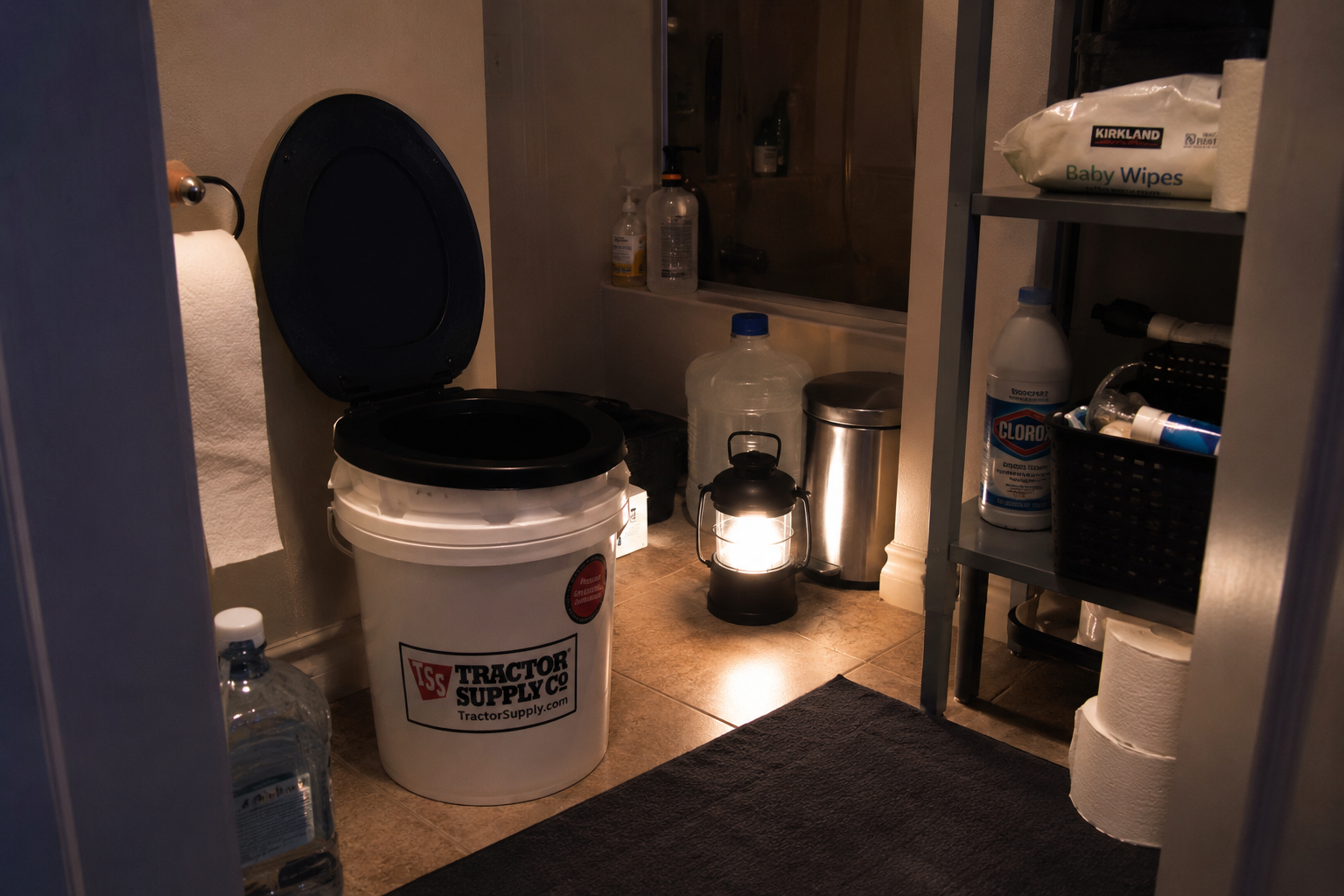
A simple bucket toilet setup can often be assembled in minutes using basic supplies many households already own.
Heavy-duty contractor bags, absorbent materials, disinfectants, gloves, toilet paper, and sealed storage containers become far more valuable once sanitation systems become unstable.
Anyone preparing for longer outages should also review What Stops Working First in a Long-Term Blackout because sanitation problems often overlap directly with water shortages, refrigeration loss, fuel issues, and communication failures during the first several days.
Cleanliness also matters far more than most people initially realize.
Even temporary sanitation systems become dangerous if waste handling procedures remain inconsistent.
Hands should be sanitized after every bathroom use.
Disinfecting wipes should be used aggressively on shared surfaces.
Bathrooms must remain ventilated whenever possible to reduce humidity and bacterial growth.
Trash containing human waste should remain sealed and isolated from food preparation areas at all times.

Families with children face additional challenges during this phase because younger kids often struggle adapting to emergency sanitation routines. Stress levels increase quickly once bathrooms become unfamiliar, water usage becomes restricted, and hygiene routines start changing under already stressful blackout conditions.
This is one reason preparedness planning should focus heavily on simplicity.
The easier the sanitation system is to maintain, the more reliable it becomes once exhaustion, heat, stress, and limited resources begin affecting decision-making.
Because during the first 72 hours of a major blackout, sanitation discipline often determines whether conditions inside the home remain manageable or start deteriorating rapidly.
Building a Reliable Emergency Bucket Toilet System
One of the most effective blackout sanitation systems is also one of the simplest.
A properly built emergency bucket toilet can safely manage human waste for days or even weeks while using very little water, requiring minimal space, and functioning completely independent from municipal sewer infrastructure.
The reason these systems work so well during emergencies is because they eliminate dependence on failing plumbing systems entirely.
Instead of attempting to preserve normal bathroom routines, families transition toward controlled waste containment that can continue functioning even during severe infrastructure failures.
Most emergency bucket toilet systems start with a standard 5-gallon bucket fitted with heavy-duty waste bags.
While the concept sounds primitive initially, modern preparedness toilet systems can actually remain surprisingly sanitary and manageable when built correctly.
The key is controlling moisture, odors, bacteria, and waste separation from the very beginning.
One of the biggest mistakes people make is using thin trash bags or weak liners.
Standard kitchen bags tear far too easily once waste accumulates inside the bucket. Contractor-grade bags or specialized waste bags designed for portable toilets are far safer because they resist punctures and reduce leakage risks significantly.
Absorbent materials also become critically important.
Without moisture control, odors spread rapidly while bacteria growth accelerates inside enclosed living spaces. Sawdust, cat litter, peat moss, absorbent gel powders, shredded paper, or commercial waste treatment products can all help stabilize waste and reduce odor buildup after each use.
Some families attempt to build extremely elaborate composting systems during emergencies.
For most households, simpler is better.
The goal during a blackout is not creating a perfect long-term off-grid composting operation.
The goal is building a safe, reliable, low-maintenance sanitation system capable of functioning under stressful conditions with limited supplies.
Comfort matters more than many people expect as well.
Using a proper snap-on toilet seat for the bucket dramatically improves usability during longer outages, especially for children, elderly family members, or anyone with mobility issues. Small improvements in comfort often make emergency systems easier to maintain consistently over time.
Placement inside the home matters too.
The emergency toilet area should remain isolated from food preparation spaces whenever possible while still remaining accessible at night or during dangerous weather conditions. Good airflow becomes extremely important because poor ventilation accelerates odors, humidity, and bacterial growth rapidly during summer blackouts.
In apartments or smaller homes, families often designate a single bathroom specifically for emergency sanitation operations once plumbing becomes unreliable. This helps contain contamination while simplifying cleaning and waste management.
Anyone living in smaller urban spaces should also review Apartment Blackout Survival: How to Live Without Power in a Small Space because confined environments create unique sanitation and ventilation challenges once utilities fail.
Another major advantage of bucket systems is water conservation.
Families living in small apartments face additional sanitation problems because limited storage space, shared plumbing systems, and restricted ventilation create far more challenges during extended outages, especially in situations covered in Apartment Blackout Survival.
Traditional flushing toilets can consume enormous amounts of stored water during a prolonged blackout. Bucket systems eliminate that waste almost entirely, allowing families to preserve valuable water reserves for drinking, cooking, basic cleaning, and limited hygiene.

Disinfectants should remain part of the system from the start.
Bleach solutions, disinfecting sprays, hand sanitizer, gloves, wipes, and paper towels all become essential once households begin manually managing sanitation inside the home. Every surface that contacts waste should be cleaned regularly to reduce bacterial buildup.
Waste storage also requires planning.
Filled waste bags should be sealed tightly and stored away from living areas until disposal becomes possible. During extended outages, outdoor sealed containers may become necessary to prevent insects, animals, and odors from creating additional health hazards.
This may sound excessive to people who have never experienced sanitation disruptions before.
But once infrastructure systems begin failing simultaneously, simple sanitation systems quickly become some of the most valuable preparedness tools a household can build.
Because maintaining basic hygiene and waste control during a blackout is not about comfort anymore.
It becomes a direct health and survival issue.
Best Waste Bags, Absorbents, and Odor Control Methods
Most emergency sanitation systems fail for one simple reason: poor waste containment.
The toilet setup itself is usually not the problem.
The real problems begin once odors spread, liquids leak, bacteria multiplies, and families lose control over waste storage inside the home.
This is why waste bags, absorbent materials, and odor management become some of the most important supplies in any long-term blackout sanitation plan.
Many households assume ordinary trash bags will handle emergency waste disposal.
That usually works for only a very short period.
Human waste becomes surprisingly heavy once liquids accumulate, especially during hot weather when bacteria growth accelerates rapidly inside sealed containers. Thin household trash bags tear easily, leak around seams, and allow odors to spread throughout enclosed living spaces.
Heavy-duty contractor bags are far more reliable because they resist punctures and hold weight much better over extended use. Specialized portable toilet waste bags are even better because many contain built-in absorbent chemicals designed specifically to reduce moisture and odor buildup.
Double-bagging is also one of the simplest ways to reduce contamination risk.
One liner may eventually fail.
Two layers provide significantly better protection if the bucket tips over, shifts during transport, or develops small tears from repeated use.
Absorbents become equally important because moisture control determines how quickly odors and bacteria spread inside the home.
Sawdust works extremely well because it absorbs liquid efficiently while helping reduce odor naturally. Cat litter is another common option because it remains widely available and stores easily. Peat moss, shredded paper, wood pellets, and commercial gel absorbents also work effectively depending on available supplies.
The goal is keeping waste as dry as possible.
Dry waste is easier to contain.
Wet waste creates stronger odors, faster bacterial growth, and much higher contamination risks.
Commercial portable toilet chemicals can also help significantly during longer outages.
Many are designed specifically for RVs, marine toilets, or camping sanitation systems and can dramatically reduce odor buildup inside enclosed spaces. While not absolutely necessary, these products often make long-term emergency sanitation far more manageable psychologically.
Odor control becomes especially important during summer blackouts when heat and humidity intensify conditions inside the home.
Bathrooms without ventilation quickly become unbearable once waste accumulates indoors. Small battery fans, cracked windows, charcoal odor absorbers, baking soda, and portable ventilation setups can all help improve air quality significantly.
Anyone preparing for prolonged summer outages should also review Why Summer Blackouts Turn Dangerous Faster Than Most Expect because heat dramatically increases sanitation, hydration, and bacterial risks once infrastructure systems begin failing.
Another major mistake families make is storing waste too close to living spaces.
Even sealed waste bags should remain isolated from kitchens, sleeping areas, and food storage whenever possible. Outdoor storage bins with tight-fitting lids work far better during longer outages because they reduce insect activity and keep odors away from occupied rooms.
Rodents and insects also become a growing concern once trash collection services slow down during widespread emergencies.
Improperly stored waste quickly attracts flies, ants, raccoons, stray animals, and other pests capable of spreading contamination further throughout the property.
Gloves should remain part of every sanitation setup as well.

Many people underestimate how often emergency sanitation systems require handling, cleaning, or waste transport. Disposable gloves, disinfectants, wipes, and hand sanitizer dramatically reduce contamination risks during those routine maintenance tasks.
Preparedness sanitation is ultimately about controlling conditions before they spiral into larger problems.
Because once odors, moisture, insects, and bacteria start spreading through the home simultaneously, sanitation stops being a manageable inconvenience and starts becoming a serious health hazard very quickly.
How to Handle Hygiene Without Running Water
Most people preparing for blackouts focus heavily on drinking water while underestimating how much water basic hygiene actually consumes every day.
Once running water disappears, even simple routines become far more complicated than expected.
Handwashing becomes limited.
Bathing becomes difficult.
Laundry begins piling up almost immediately.
Dishes accumulate faster than families anticipate. Bathrooms become harder to disinfect. Sweat, humidity, bacteria, and body odor build quickly during hot weather, especially inside crowded homes without functioning air conditioning.
The danger is not simply discomfort.
Poor hygiene dramatically increases illness risk during long-term emergencies.
Minor infections spread more easily.
Food contamination becomes more common.
Skin irritation worsens in hot, humid conditions. Cuts and scrapes become harder to clean properly. Once sanitation routines collapse entirely, households often experience a steady decline in overall living conditions that affects both physical health and morale.
This is why blackout hygiene planning should focus on conservation instead of attempting to preserve normal routines.
Most families simply do not have enough stored water to continue operating exactly like they do during normal utility service.
Every gallon must serve a purpose.
Hand hygiene becomes the highest priority.
Clean hands reduce disease spread more effectively than almost any other sanitation practice during an emergency. Alcohol-based hand sanitizer should remain accessible throughout the home, especially near food preparation areas and emergency toilet setups.
Soap matters too.
Even limited handwashing with small amounts of water can dramatically reduce contamination risks when combined with disciplined cleaning habits.
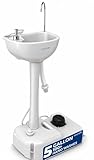
Many preparedness experts recommend creating a dedicated handwashing station separate from the main kitchen or bathroom once outages become prolonged. A simple water container with a spigot, soap dispenser, catch bucket, and paper towels can maintain basic hygiene while using surprisingly little water each day.

Bathing requires a different approach entirely.
Instead of full showers, most blackout hygiene plans rely on sponge baths, hygiene wipes, washcloth cleaning, and limited water rinses focused on high-bacteria areas. Baby wipes, camping wipes, microfiber towels, and no-rinse hygiene products become extremely valuable once water conservation becomes critical.
Clothing management also becomes more important than many people realize.
Dirty clothes accumulate bacteria and odors rapidly during hot weather, especially once households lose climate control systems. Rotating lightweight clothing, air drying garments, and spot cleaning heavily used items can help reduce laundry demands significantly during outages.
Humidity control inside the home matters as well.
Bathrooms without ventilation quickly become breeding grounds for mold and bacteria once showers stop functioning normally and airflow decreases. Keeping windows cracked when weather allows, improving airflow with battery fans, and cleaning moisture-prone surfaces regularly can prevent conditions from deteriorating rapidly.
Dental hygiene should not be ignored either.
Small infections become much harder to manage during long-term infrastructure failures, especially once pharmacies, clinics, and supply chains become unreliable. Toothbrushes, toothpaste, floss, and antiseptic mouthwash should remain part of every preparedness hygiene system.
Anyone building a larger household preparedness system should also review Emergency Preparedness Plan 2026: The Complete Survival Framework because hygiene failures rarely happen independently during major outages. They usually overlap directly with water shortages, heat, refrigeration failures, sanitation breakdowns, and declining living conditions across the entire home.
Children and elderly family members often require additional hygiene planning as well.
Young children may struggle understanding water conservation while older adults may face mobility challenges once bathrooms become harder to use safely. Hygiene supplies should remain simple, accessible, and easy to maintain under stressful conditions.
One of the biggest mistakes households make is waiting too long before adapting their routines.
The earlier families transition toward conservation-focused hygiene practices, the easier it becomes to stretch supplies safely through longer outages.
Because during a major blackout, maintaining cleanliness is not about comfort or convenience anymore.
It becomes one of the most important defenses against illness, contamination, and rapidly deteriorating living conditions inside the home.
Preventing Bacteria, Mold, and Disease Inside the Home
One of the biggest dangers during a prolonged blackout is not always the outage itself.
It is the gradual breakdown of indoor living conditions once sanitation, ventilation, refrigeration, and hygiene systems all begin failing together.
Most households are designed around continuous airflow, clean running water, regular trash removal, climate control, and functioning plumbing. Once those systems disappear, bacteria and moisture start accumulating much faster than most people expect.
The process often begins quietly.
Bathrooms stay damp longer.
Trash piles up faster.
Food waste lingers indoors.
Humidity rises once air conditioning stops running. Condensation builds on windows and walls. Dirty dishes accumulate in sinks. Wet towels stop drying properly. Small odors begin spreading through enclosed rooms.
Within days, conditions inside the home can begin changing dramatically.
This becomes especially dangerous during summer outages when high temperatures accelerate bacterial growth across nearly every surface inside the house.
Kitchen contamination becomes one of the first major risks.
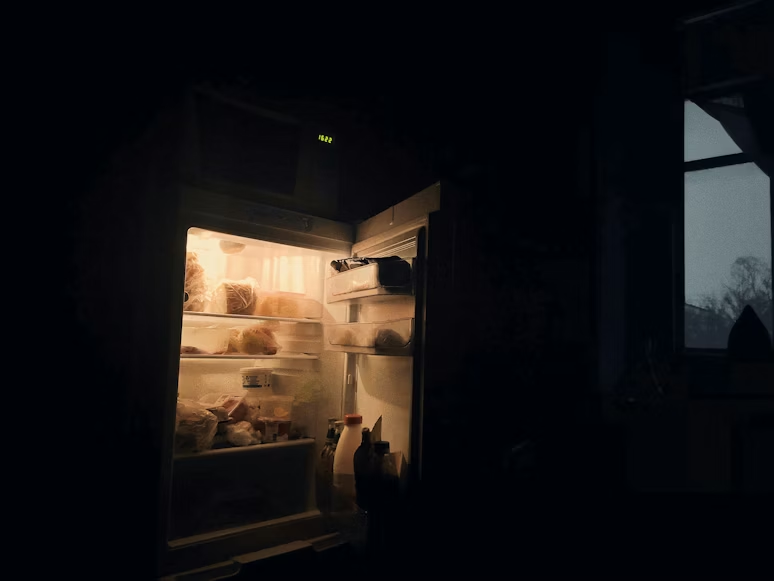
Once refrigeration fails, spoiled food must be removed quickly before bacteria spreads to surrounding surfaces. Refrigerators and freezers often develop foul odors rapidly during extended outages, especially if families leave spoiled meat or dairy products inside too long while hoping power will return.
Anyone managing food during a blackout should also review How to Store Food Without Refrigeration During a Blackout because improper food storage and sanitation failures often create overlapping health risks during prolonged emergencies.
Bathrooms become another major contamination zone once water usage becomes restricted.
Moisture, waste particles, poor ventilation, and limited cleaning supplies allow bacteria to spread rapidly if surfaces are not disinfected consistently. Toilet lids should remain closed whenever possible. Cleaning wipes, bleach solutions, and disinfecting sprays should be used aggressively on high-contact surfaces like handles, sinks, toilet seats, counters, and door knobs.
Mold growth becomes increasingly likely once humidity remains trapped indoors for extended periods.
Closets, bathrooms, basements, laundry areas, and poorly ventilated rooms become especially vulnerable during long-term outages. Even small amounts of trapped moisture can begin producing mold within days under hot conditions.
Airflow becomes critically important.
Cross-ventilation using open windows and battery-powered fans can help reduce humidity buildup significantly if outdoor conditions remain safe. Solar generators or battery stations capable of running small fans may become far more valuable than many people initially realize once indoor air quality starts declining.

Trash management also becomes a much larger issue during widespread emergencies.
Once municipal collection services slow down, households must manage garbage far more carefully than normal. Food waste should remain sealed whenever possible. Human waste should stay completely separated from ordinary trash. Outdoor storage containers need tight-fitting lids to reduce insect and rodent activity.
Flies become a serious sanitation threat surprisingly quickly once waste accumulates indoors or near the home.
They spread bacteria easily between garbage, food preparation surfaces, bathrooms, and stored supplies. This is one reason cleanliness becomes far more important during blackouts than many preparedness guides initially suggest.
Disease prevention during emergencies often depends more on routine discipline than complicated survival equipment.
- Clean hands.
- Clean surfaces.
- Dry living spaces.
- Controlled waste management.
- Safe food handling.
- Consistent ventilation.
These simple systems prevent countless larger problems once infrastructure conditions begin deteriorating.
Families also underestimate how quickly morale drops once living spaces start smelling dirty or feeling contaminated.
Psychological stress rises sharply once households begin feeling physically uncomfortable inside their own homes. Maintaining cleanliness, airflow, and basic hygiene routines helps preserve not only physical health but also emotional stability during longer emergencies.
Because during a prolonged blackout, keeping the home sanitary is not just about avoiding inconvenience.
It becomes one of the most important ways to prevent a difficult situation from turning into a dangerous one.
Common Blackout Sanitation Mistakes That Create Serious Problems
Most sanitation failures during blackouts do not happen because families lack expensive equipment.
They happen because small mistakes compound over time once stress, exhaustion, heat, and infrastructure failures begin affecting everyday decision-making.
One of the biggest mistakes households make is waiting too long to transition away from normal plumbing systems.
People continue flushing toilets aggressively while assuming water service will stabilize soon, even as pressure weakens and sewer systems become overloaded. By the time obvious backup signs appear, contamination risks may already be increasing throughout the neighborhood.
Another extremely common mistake is wasting purified drinking water on sanitation tasks that could use non-potable water instead.
Many families quietly burn through critical reserves flushing toilets, rinsing surfaces, or washing excessively during the first several days of an outage. Once drinking water supplies begin running low, the entire household becomes far more vulnerable.
Anyone building a larger blackout preparedness plan should also review Long-Term Water Storage: Complete Prepper Guide for Emergencies because sanitation planning dramatically increases overall household water demands during prolonged emergencies.
Poor waste storage creates another major problem.
Unsealed trash bags, overloaded buckets, and improperly stored waste quickly attract insects while spreading odors and bacteria through the home. Once flies, rodents, or contaminated runoff become involved, sanitation conditions deteriorate very quickly.
Ventilation is another area people underestimate.
Bathrooms, storage rooms, and sleeping areas trap humidity rapidly during summer outages, especially once air conditioning systems stop functioning. Without airflow, bacteria and mold spread much faster while indoor living conditions become increasingly difficult to tolerate.
Many families also fail to stock enough sanitation supplies ahead of time.
Toilet paper disappears quickly during emergencies, but so do garbage bags, disinfectants, gloves, wipes, bleach, soap, and hand sanitizer. Once stores become crowded or supply chains slow down, these basic hygiene products often become surprisingly difficult to replace.
Another major mistake is failing to establish clear household sanitation routines.
During stressful emergencies, inconsistency creates contamination.
Everyone inside the home should understand where waste goes, how hands are cleaned, how surfaces are disinfected, and how sanitation supplies are managed. Simple routines dramatically reduce confusion once living conditions become more difficult.
Apartment residents face additional risks when neighbors continue overloading unstable plumbing systems long after warning signs appear. Shared infrastructure becomes much harder to control once hundreds of households remain connected to the same failing network.
The reality is that sanitation rarely receives much attention during everyday preparedness conversations because it feels uncomfortable and uninteresting compared to generators, food storage, or survival gear.
But once a major blackout actually begins, sanitation quickly becomes one of the most important systems inside the entire home.
Clean water matters.
Safe food matters.
Reliable communication matters.
But if waste management and hygiene collapse completely, every other preparedness system becomes harder to maintain safely over time.
Anyone building a realistic long-term outage plan should also review the complete Blackout Survival Hub to prepare for interconnected failures involving water, food storage, communication systems, fuel shortages, and emergency power.
⚡ Free Blackout Preparedness Planner
Not sure where your blackout plan is weak? Download the FREE 17-page planner and organize your water, food, fuel, medical supplies, communication plan, and evacuation strategy.
Final Thoughts
Most families are far less prepared for sanitation failures than they realize.
Modern infrastructure hides the complexity of waste management so effectively that people rarely think about it until toilets stop flushing, water pressure weakens, trash accumulates, and hygiene routines begin breaking down inside the home.
The households that manage blackouts best are usually not the ones with the most expensive equipment.
They are the ones with simple systems already planned before the emergency begins.
- A reliable emergency toilet setup
- Stored sanitation supplies.
- Backup water reserves.
- Basic hygiene routines.
- Waste containment plans.
- Ventilation strategies.
These small preparations prevent enormous problems once outages extend beyond the first several days.
Anyone serious about long-term preparedness should also review Emergency Preparedness Plan 2026: The Complete Survival Framework because sanitation is only one piece of a much larger survival system involving water, food, power, communication, medical readiness, and home resilience during infrastructure failures.
The goal is not living comfortably during a blackout.
The goal is keeping the household clean, functional, healthy, and stable while normal infrastructure remains unavailable.
Because once sanitation systems fail, preparedness stops being theoretical very quickly.
It becomes part of everyday survival inside the home.