How Long Will Grocery Stores Have Food During an Emergency?
How long will grocery stores have food during an emergency? Most people assume grocery stores have weeks or even months of food stored in the back, but the reality is very different.
This post contains affiliate links. I may earn a small commission at no extra cost to you. Learn more.
Under normal conditions, this system works well. Trucks arrive daily, inventory is restocked throughout the day, and customers rarely notice how little food is actually stored on-site.
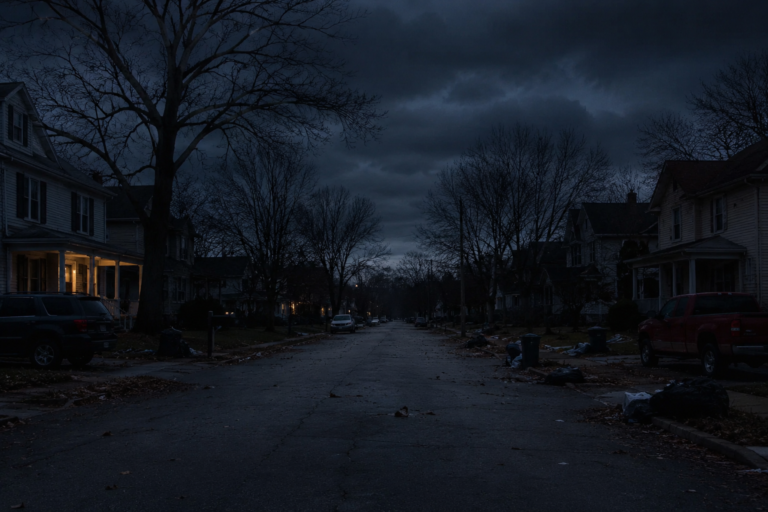
The problem comes when deliveries slow down or stop. Whether it’s a major blackout, severe weather, fuel shortage, cyberattack, or other emergency, stores can only sell what they already have. Once customers begin buying faster than products can be replaced, shortages can appear surprisingly fast.
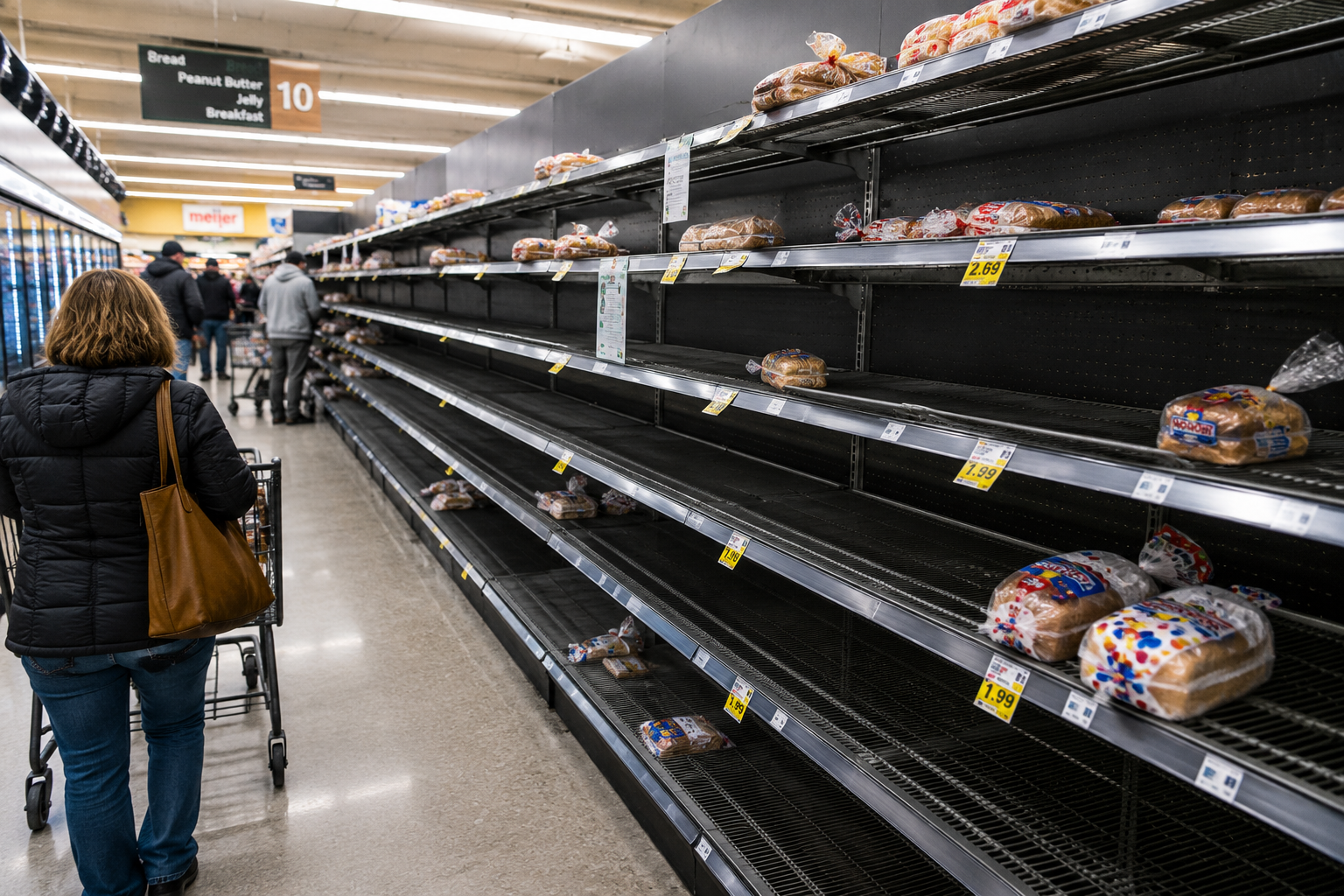
We’ve seen this happen during hurricanes, winter storms, and the COVID-19 pandemic. Stores that looked fully stocked one day often had empty shelves within hours.
Understanding how long grocery stores can realistically supply food during an emergency can help families prepare ahead of time instead of scrambling when shortages begin. If you’re building a preparedness plan, it’s also worth knowing what typically runs out first during a major emergency.
The answer depends on the type of disaster, the size of the affected area, and whether deliveries can continue reaching local stores.
Quick Answer
Most grocery stores have only a few days’ worth of inventory under normal shopping conditions because they rely on frequent deliveries rather than large stockpiles. During an emergency, panic buying and supply chain disruptions can empty shelves within hours or days, especially for bottled water, shelf-stable foods, batteries, and other essential supplies.
✓ Key Takeaways
- Most grocery stores depend on just-in-time inventory systems.
- Bottled water, bread, canned food, and batteries usually sell out first.
- Supply chain disruptions become more severe after several days.
- Fresh foods disappear faster than shelf-stable foods.
- Preparing at home is far easier than competing with crowds.
- First 24 Hours: Water, bread, batteries, and ready-to-eat foods begin selling out.
- 24–72 Hours: Visible shortages appear and stores may begin limiting purchases.
- 1 Week: Supply chain disruptions begin affecting fresh foods and deliveries.
- 2+ Weeks: Inventory becomes increasingly dependent on transportation and distribution recovery.
How Grocery Stores Actually Receive Food
Many people assume grocery stores have large stockrooms filled with weeks of extra food. In reality, most supermarkets rely on a just-in-time inventory system that depends on regular deliveries.
Instead of storing massive amounts of inventory, stores receive products from regional distribution centers, often on a daily or weekly basis. Fresh foods like produce, dairy, meat, eggs, and bakery items are constantly replenished because they have short shelf lives.
Even shelf-stable products are usually stocked in smaller quantities than most shoppers realize. Inventory is ordered based on normal buying patterns, not emergency demand.
When customers suddenly begin purchasing several times their usual amount of food, shelves can empty much faster than stores can restock them. A store that looks fully stocked one day can look very different just 24 hours later.
Transportation is another critical factor. Most food travels long distances before reaching store shelves. If fuel shortages, road closures, power outages, or communication failures disrupt deliveries, replenishment can slow down or stop entirely.
That’s why preparedness experts recommend keeping emergency food supplies at home rather than depending solely on local grocery stores during a major emergency, especially if you’re preparing for a prolonged outage using a 2-Week Blackout Survival Plan.
💡 Pro Tip
The best time to build an emergency pantry is during normal grocery trips. Buying a few extra shelf-stable items each week spreads out the cost and avoids competing with everyone else once shortages begin.
How Long Grocery Stores Have Food During Different Emergencies
The answer depends largely on the type of emergency, how many people are affected, and whether deliveries can continue reaching stores. A grocery store may have enough food to operate normally for days under routine conditions, but customer behavior changes dramatically once people believe supplies could become limited.
In many situations, the problem is not that food completely disappears overnight. The problem is that demand suddenly increases far beyond what stores were designed to handle.
Short-Term Emergencies (1–3 Days)
Localized storms, temporary power outages, and short-term weather events usually create the least disruption. Deliveries may be delayed briefly, but supply chains often recover quickly once roads reopen and utilities are restored.
Even so, stores commonly experience runs on specific products. Bottled water, bread, milk, batteries, flashlights, ice, propane, and ready-to-eat foods often sell out first. Shoppers who wait until the last minute frequently discover that the items they need most are already gone.
In these situations, grocery stores generally remain operational, but inventory becomes uneven. Some aisles may look normal while others appear nearly empty.
Regional Disasters (2–7 Days)
Hurricanes, major winter storms, widespread flooding, and large-scale natural disasters create much greater pressure on food supplies. Thousands or even millions of people may begin purchasing emergency supplies at the same time.
This is where empty shelves become common. Distribution centers are often dealing with the same transportation problems affecting local stores. Trucks may be delayed, fuel supplies may become limited, and warehouses can struggle to keep up with sudden spikes in demand.
During these events, many grocery stores see essential products disappear within the first 24 to 72 hours. Even when deliveries continue, incoming shipments may sell almost immediately after arriving.
This pattern often overlaps with the shortages described in First Supplies to Disappear During Emergencies, where basic necessities frequently vanish long before the emergency itself reaches its peak.
📌 Did You Know?
Many supermarkets receive fresh deliveries almost every day. Without those deliveries, some stores can begin running low on popular products much sooner than most shoppers expect.
Major Blackouts (Several Hours to Several Days)
Large power outages introduce challenges that go beyond customer demand. Stores depend on electricity for lighting, refrigeration, payment systems, inventory tracking, communications, and security.
Many of the same failures are discussed in our guide on What Stops Working First in a Long-Term Blackout, where multiple critical systems begin failing long before food completely disappears.
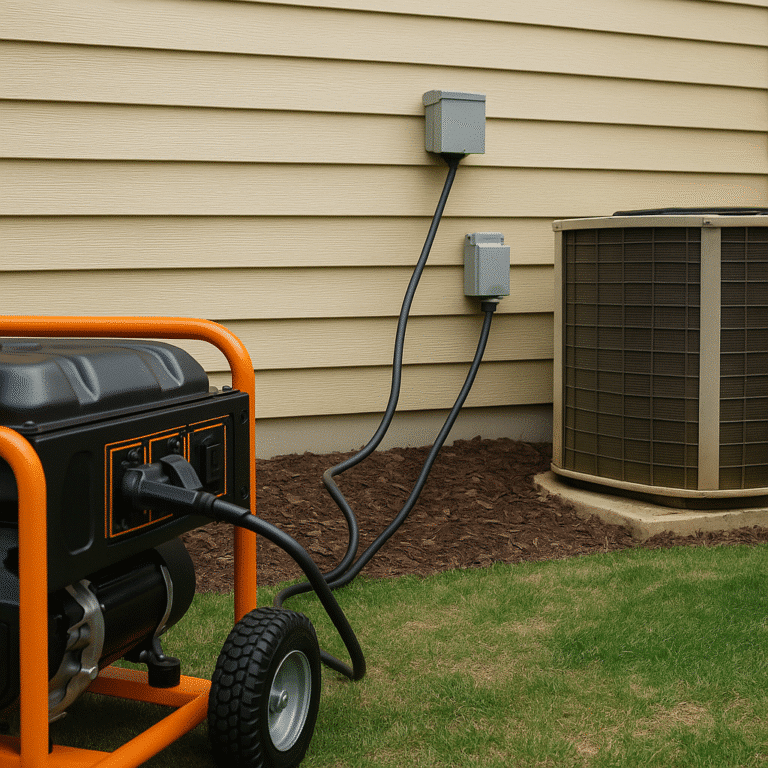
Some larger supermarkets have backup generators that allow limited operations to continue, but many locations can only function for a short period before refrigeration becomes a serious concern. Perishable foods may need to be discarded if temperatures cannot be maintained safely.
At the same time, customers often rush to purchase food they can prepare without electricity. Shelf-stable meals, canned goods, peanut butter, snacks, and bottled water tend to disappear quickly.
Cash also becomes increasingly important during these situations. If electronic payment systems fail, stores may only be able to accept cash transactions. Families who have not planned ahead can suddenly find themselves unable to purchase needed supplies even if products remain available.
That is one reason emergency planners often recommend keeping some cash on hand in addition to food, water, and backup power resources.
⚠ Important Warning
Do not assume grocery stores will remain open or continue accepting credit cards during a widespread emergency. Power outages, communication failures, staffing shortages, and supply disruptions can all limit store operations even when food is still available.
Long-Term Supply Chain Disruptions (One Week or More)
The most serious scenario occurs when transportation networks remain disrupted for an extended period. This could result from a prolonged grid outage, fuel shortage, cyberattack, widespread disaster, or another event affecting multiple regions simultaneously.
Under these conditions, grocery stores are unlikely to maintain normal inventory levels for long. Even if food remains available initially, stores depend on a constant flow of incoming shipments. Once warehouses, trucking companies, fuel suppliers, and distribution networks begin experiencing problems, shortages can spread quickly.
Most communities have far less food stored locally than many residents assume. Without replenishment, shelves can become increasingly sparse as each day passes.
This is why preparedness planning focuses on maintaining supplies before an emergency occurs rather than attempting to purchase everything afterward. By the time shortages become obvious, thousands of other shoppers are often trying to buy the exact same items.
Families who already have food, water, lighting, communication equipment, and other necessities are generally in a much better position to avoid crowded stores and make rational decisions during stressful situations.
Households that already have a Family Emergency Communication Plan in place often find it easier to coordinate with relatives and obtain information during prolonged disruptions.
The question isn’t necessarily when a grocery store will completely run out of food. The more practical question is how long the specific items your family depends on will remain available once everyone starts buying at the same time.
🚨 Imagine This…
A regional blackout enters its sixth day. Delivery trucks have stopped arriving, bottled water sold out days ago, and the canned food aisle is nearly empty. Because your family built an emergency pantry ahead of time, you avoid crowded stores and can focus on conserving supplies instead of searching for basic necessities.
The First 24 Hours: What Disappears First
The first day of an emergency often determines what the next several days will look like inside local grocery stores. Once people believe supplies may become limited, buying habits change almost immediately.
Most shoppers are not trying to prepare for months. They are usually attempting to solve an immediate problem. Unfortunately, when thousands of people reach the same conclusion at the same time, shortages develop much faster than normal inventory systems can handle.
This is why stores that appeared fully stocked in the morning can have entire sections emptied by evening.
Bottled Water Is Usually One of the First Items to Go
Water consistently ranks among the fastest-selling emergency supplies. Whether the threat involves severe weather, contamination concerns, infrastructure failures, or a major blackout, people understand that clean drinking water is essential.
Cases of bottled water are often loaded into shopping carts in large quantities, sometimes within hours of an emergency announcement. During major events, stores may place purchase limits on water, but inventory can still disappear quickly.
Many families discover too late that they have little or no emergency water stored at home. Instead of competing with everyone else during a crisis, it is far better to develop a storage plan in advance using the recommendations outlined in How Much Water Does a Family Actually Need for 30 Days?.
Bread, Milk, and Eggs Disappear Surprisingly Fast
Even though these products have relatively short shelf lives, they are among the first items shoppers reach for before storms and other emergencies.
Part of this behavior is habit. People buy foods they already use every day rather than focusing on long-term storage options. The result is that bakery shelves, dairy coolers, and egg displays often look depleted long before more shelf-stable products become scarce.
In many emergencies, these sections can be picked over within a matter of hours.
Ready-to-Eat Foods Become High Demand Items
If people believe power outages are possible, foods that require little or no cooking suddenly become much more attractive.
Peanut butter, crackers, granola bars, protein bars, canned meat, canned fruit, trail mix, beef jerky, and similar items tend to move quickly. Customers are looking for calories that require minimal preparation and can be eaten immediately if utilities fail.
These foods are particularly valuable during blackouts because they allow families to conserve fuel while still maintaining a reliable source of nutrition.
Canned Goods Begin Leaving Shelves
Canned foods often become the next major target. Soups, vegetables, beans, chili, pasta meals, tuna, chicken, and other shelf-stable products can remain usable for years when stored properly.
Unlike fresh foods, canned goods provide a level of security that many shoppers suddenly realize they lack.
Once panic buying starts, popular varieties can disappear rapidly. Store employees may continue restocking from backroom inventory, but those reserves are often much smaller than customers imagine.
Batteries, Flashlights, and Emergency Supplies Sell Out
Although not technically food items, emergency supplies located throughout the store frequently vanish during the first day.
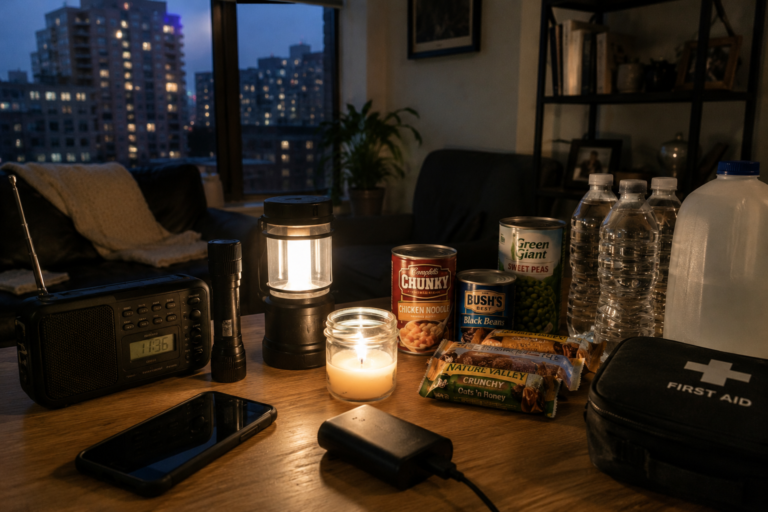
Battery displays are often stripped down quickly. Flashlights, lanterns, portable chargers, candles, matches, and weather radios can become difficult to find once large numbers of shoppers begin preparing simultaneously.
Many families only discover missing equipment when they need it. A flashlight with dead batteries or a radio buried somewhere in a closet does little good during an actual emergency.
For this reason, many preparedness-minded households maintain essential supplies year-round rather than waiting until severe weather appears in the forecast.
The First 72 Hours: Shelves Start Looking Empty
By the second and third day of an emergency, grocery stores often begin showing visible signs of strain. The initial rush of shoppers may have slowed, but the effects of that buying surge become increasingly obvious throughout the store.
This is usually the point where people who waited to shop start realizing they may have underestimated the situation.
While some deliveries may still be arriving, they are often unable to keep pace with demand. Products that normally last several days can sell out within hours once they hit the shelves.
Large Gaps Begin Appearing Throughout the Store
During the first day, shortages tend to affect specific categories. By the 72-hour mark, those shortages often spread into multiple departments.
Shoppers may notice empty spaces where bottled water once sat. Canned food sections start looking picked over. Popular snack foods disappear. Rice, pasta, flour, sugar, and cooking oil become harder to find.
Even if products remain available, customers may no longer have much choice. Instead of selecting a preferred brand, they are simply buying whatever is left.
This pattern appeared repeatedly during hurricane preparations, winter storms, and the early stages of the COVID-19 pandemic. The issue was not always that stores completely ran out of food—it was that the foods people wanted most became increasingly scarce.
Frozen Foods Start Moving Faster
As shelf-stable products become harder to find, many shoppers turn their attention to frozen foods.
Freezers that normally hold weeks of inventory can begin emptying quickly as families purchase extra meat, frozen vegetables, prepared meals, and convenience foods.
This buying behavior can create another problem. If power outages become widespread, many of those frozen foods may not remain usable for long.
Families often assume they can simply fill a freezer before an emergency, but that strategy only works if electricity remains available. Understanding how long food lasts without power becomes increasingly important when outages are part of the emergency.
Stores Begin Limiting Purchases
To slow shortages and spread available inventory among more customers, many retailers implement purchase limits.
Customers may be restricted to a certain number of water cases, canned goods, bags of rice, or packages of meat. These limits are intended to reduce hoarding and help maintain supplies for the broader community.
While purchase limits can help temporarily, they do not create additional inventory. They simply slow the rate at which existing stock disappears.
If deliveries remain delayed or demand continues rising, shortages can still worsen despite these restrictions.
Longer Lines and Slower Operations Become Common
The first few days of an emergency often place tremendous pressure on store employees.
Workers are attempting to restock shelves, manage deliveries, answer customer questions, and keep normal operations running under increasingly difficult conditions.
If staffing shortages develop because employees are dealing with their own family emergencies, stores may struggle to maintain normal service levels. Checkout lines become longer, shelves remain empty longer, and customers grow more frustrated.
In some situations, stores may even reduce operating hours due to staffing, security, or utility concerns.
Cash Becomes More Valuable
By the third day of a major emergency, payment systems may become less reliable, particularly during widespread power or communication outages.
Credit card processing depends on infrastructure that many people rarely think about. Internet connections, cellular networks, payment processors, and electrical power all play important roles.
During major outages, communication systems can become unreliable as well, which is why many people ask How Long Will Cell Towers Work During a Blackout?
If those systems experience disruptions, stores may be forced to accept cash only or suspend operations entirely until service returns.
This is one reason emergency planners often recommend keeping at least a modest amount of cash available at home. During a prolonged outage, cash may provide access to supplies when electronic payments cannot.
After One Week: Supply Chains Begin Breaking Down
If an emergency continues for a full week, the situation begins shifting from short-term shortages to larger supply chain concerns. At this stage, the problem is often no longer panic buying alone. The ability to move food from farms, processors, warehouses, and distribution centers to local stores may be increasingly disrupted.
Many people assume grocery stores can simply place larger orders when shelves become empty. In reality, every part of the food distribution system depends on transportation, fuel, labor, communications, and functioning infrastructure.
When any of those pieces begin failing, food becomes harder to move through the system.
Distribution Centers Face the Same Challenges
Most grocery stores receive inventory from regional distribution centers rather than directly from manufacturers. These facilities act as hubs where products are stored, sorted, and loaded onto trucks for delivery.
If roads are damaged, fuel becomes scarce, workers cannot report to work, or power outages affect operations, distribution centers may struggle to maintain normal shipment schedules.
Even facilities with backup power can experience delays if suppliers are unable to deliver incoming products.
This means a store’s inventory problems may actually begin hundreds of miles away.
Truck Deliveries Become Less Predictable
The American food system depends heavily on trucking. Every day, thousands of trucks move produce, dairy products, meat, packaged foods, beverages, and other goods across the country.
If fuel supplies become limited or transportation routes are disrupted, delivery schedules can quickly become unreliable.
A truck that normally arrives every morning may now be delayed for days. Some shipments may never arrive at all.
Stores cannot stock products they never receive, regardless of how much demand exists.
This is one reason fuel shortages can create widespread consequences that extend far beyond transportation itself. A disruption affecting diesel supplies eventually affects food availability as well.
Fresh Foods Become Increasingly Difficult to Find
By the one-week mark, fresh foods often become one of the most vulnerable categories.
Produce deliveries may be inconsistent. Dairy shipments may arrive late. Meat inventories can become limited. Bakery departments may struggle to maintain normal production schedules.
Unlike canned goods or dry foods, many fresh products cannot sit in warehouses indefinitely. They depend on a steady flow from producers to consumers.
When that flow slows down, shortages develop quickly.
Families that rely heavily on fresh foods may find themselves adjusting meal plans based on whatever inventory remains available.
Many of the same challenges become even more severe during a prolonged outage, as discussed in our 2-Week Blackout Survival Plan.
The Foods Most Likely to Sell Out First
Not all grocery store products disappear at the same rate during an emergency. Certain items consistently sell out first because they solve immediate problems. Some provide clean drinking water. Others offer long shelf life, require little preparation, or can feed a family for relatively little money.
If you’re trying to build a practical emergency pantry, paying attention to what vanishes first can provide valuable clues about which supplies deserve priority.
Bottled Water
Water remains one of the most sought-after resources during nearly every type of emergency.
People may lose confidence in municipal water systems, prepare for service interruptions, or simply want a backup supply available at home. Regardless of the reason, bottled water often disappears before almost anything else.
Cases stacked near store entrances frequently sell out first, followed by gallon jugs and smaller individual bottles.
Families that store water before an emergency avoid competing with crowds when supplies become limited.
Rice and Dry Beans
Rice and beans have been emergency food staples for generations because they are inexpensive, store well, and provide substantial calories.
Large bags of white rice, pinto beans, black beans, and similar products often experience a surge in demand once shoppers start thinking beyond the next few days.
These foods require cooking, but they offer excellent shelf life and can form the foundation of countless meals.
Many preparedness-minded households keep them as part of a long-term food strategy because they provide significant nutritional value at a relatively low cost.
Canned Foods
Canned goods combine convenience, durability, and versatility.
Soups, vegetables, fruit, tuna, chicken, chili, pasta meals, and canned meats routinely become high-demand items during emergencies. Because they can remain shelf stable for extended periods, shoppers often view them as a reliable insurance policy against future shortages.
Popular varieties frequently disappear first, leaving less desirable options behind.
As inventory shrinks, customers become less selective and purchase whatever remains available.
Peanut Butter and Shelf-Stable Protein Sources
Protein-rich foods that require little preparation often move quickly once supply concerns emerge.
Peanut butter is particularly popular because it is calorie dense, inexpensive, and familiar to most families. Other products such as canned meats, beef jerky, protein bars, and shelf-stable meal replacements also tend to sell rapidly.
These foods become especially attractive during power outages when cooking options may be limited.
Baby Formula and Infant Supplies
Families with infants face unique challenges during emergencies.
Baby formula, baby food, diapers, wipes, and related supplies can become difficult to find quickly once shortages develop. Parents are understandably reluctant to risk running out of essential items.
This often results in increased purchasing as soon as a threat becomes apparent.
Households with young children generally benefit from maintaining a larger safety margin than they would for ordinary grocery items.
Long-term food storage is not necessary for every emergency, but having a reliable backup food supply can reduce dependence on crowded stores when shortages begin.
The Common Thread
When you look at the products that disappear first, a clear pattern emerges.
Most are easy to store, easy to use, require little preparation, or solve a basic survival need. Water, calories, protein, sanitation, and convenience consistently drive purchasing decisions during emergencies.
The challenge is that these are the exact same products everyone else is trying to buy.
Waiting until shortages become visible often means competing with thousands of other shoppers for the same limited inventory.
That reality becomes even more significant when grocery stores begin facing another major challenge: keeping refrigerated and frozen foods safe as power outages and supply chain disruptions continue.
What Happens to Refrigerated and Frozen Foods?
When people think about food shortages during an emergency, they often picture empty shelves in the canned goods aisle. In reality, refrigerated and frozen foods frequently become a problem much sooner.
Fresh foods depend on a continuous cold chain that begins at processing facilities and continues through transportation, warehouses, grocery stores, and ultimately the customer’s home. When any part of that chain is disrupted, spoilage becomes a growing concern.
This is especially true during widespread power outages, severe weather events, and transportation disruptions that affect refrigeration systems.
Fresh Foods Have a Much Shorter Timeline
Unlike rice, beans, or canned goods, fresh foods have limited shelf lives even under ideal conditions.
Milk, yogurt, eggs, fresh produce, deli products, and meat are constantly moving through grocery stores because they cannot sit on shelves indefinitely. Stores typically rely on regular deliveries to replace products as they are sold.
If deliveries are interrupted for several days, these departments may begin looking sparse much faster than the center aisles filled with shelf-stable foods.
Customers often notice produce and dairy shortages before shortages in canned goods become widespread.
Power Outages Create Immediate Challenges
Modern grocery stores depend heavily on refrigeration equipment.
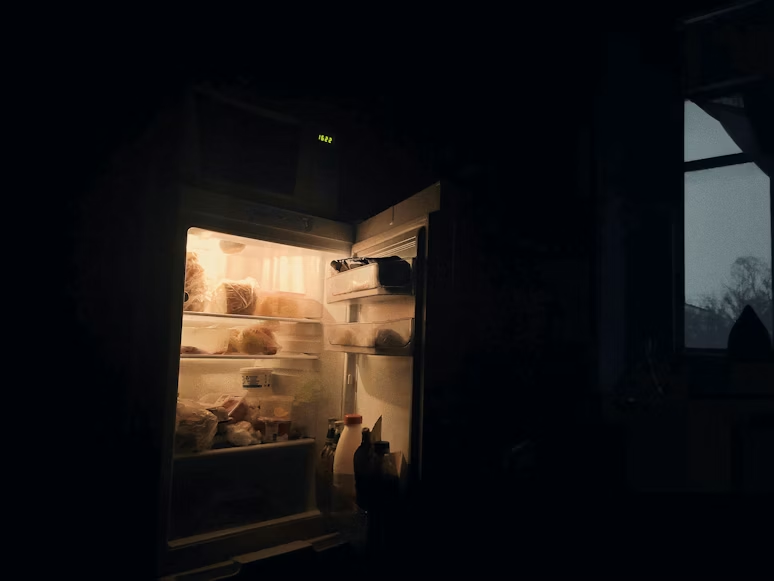
Large walk-in coolers, refrigerated display cases, freezer units, and food preparation areas all require electricity to operate. When power fails, stores must act quickly to preserve inventory.
Many larger retailers have backup generators that can keep critical systems running for a period of time. However, not every store has enough backup capacity to maintain normal operations indefinitely.
Even stores equipped with generators may prioritize specific systems rather than powering every refrigeration unit in the building.
Food Safety Rules Can Lead to Product Losses
One factor many shoppers overlook is that stores cannot simply sell food that may have become unsafe.
If refrigerated products rise above safe temperatures for too long, they often must be discarded regardless of how expensive they were or how badly customers want to buy them.
The same applies to many frozen products that thaw beyond acceptable limits.
From a consumer perspective, it may appear that inventory vanished overnight. In reality, some of that food may have been removed because it could no longer be sold safely.
Frozen Foods Can Buy Some Time
Frozen foods generally have a larger buffer than refrigerated products.
Large commercial freezers can retain cold temperatures for a period of time if doors remain closed. However, every opening allows cold air to escape and warmer air to enter.
As outages continue, maintaining safe temperatures becomes increasingly difficult.
This is one reason stores may limit access to certain refrigerated or frozen sections during major power disruptions.
Employees are often trying to preserve inventory for as long as possible.
Home Refrigerators Face the Same Problems
The challenges affecting grocery stores also affect households.
Many families rush to buy refrigerated foods before an emergency without considering how they will keep those foods cold if electricity fails.
Freezers packed with meat and refrigerators full of dairy products provide little security if power remains out for an extended period.
Understanding how long food lasts without power can help families make better purchasing decisions before a disruption occurs.
In many cases, shelf-stable foods provide more reliability than products that depend on refrigeration.
The Longer an Emergency Lasts, the More Shelf-Stable Foods Matter
Fresh and frozen foods are valuable, but they are also vulnerable.
As an emergency stretches beyond several days, households often become increasingly dependent on foods that can be stored safely without refrigeration. Rice, beans, pasta, canned goods, dehydrated foods, and other pantry staples begin playing a much larger role.
These foods may not be as convenient as fresh products, but they provide reliability when refrigeration becomes uncertain.
That reliability helps explain why grocery store shortages often move from the outer perimeter of the store toward the center aisles as an emergency continues.
And even when transportation routes reopen and utilities return, many people are surprised by how long it can take for shelves to fully recover. The reason lies in a supply system that is far more complex than simply sending another truck to the store.
🛒 Recommended Emergency Pantry Essentials
These preparedness supplies help reduce dependence on grocery stores during emergencies by providing long-term food storage, safe drinking water, emergency power, and reliable communication.
Long-Term Emergency Food Supply
Provides shelf-stable meals that can help bridge extended supply chain disruptions and reduce the need for emergency grocery shopping.

Jackery Portable Power Station with Solar Panel
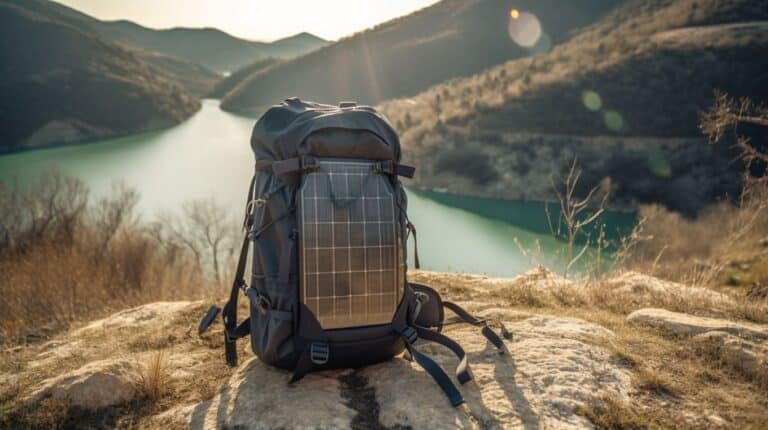
Keeps essential devices such as refrigerators, phones, lighting, and communication equipment powered during extended outages while allowing solar recharging.

Water Filtration System
Provides an additional source of safe drinking water if bottled water becomes unavailable or municipal systems experience disruptions.

Emergency Weather Radio
Provides NOAA weather alerts and emergency information when internet service, television, or cellular networks become unreliable.

☑ Grocery Store Emergency Checklist
- ☑ Store at least two weeks of shelf-stable food.
- ☑ Build an emergency water supply before shortages begin.
- ☑ Rotate pantry items regularly.
- ☑ Keep cash available for emergency purchases.
- ☑ Maintain backup cooking methods.
- ☑ Monitor local emergency information.
- ☑ Avoid last-minute panic buying.
📚 Continue Reading
Continue building your food preparedness plan with these related survival guides.
Final Thoughts
Most grocery stores are designed around frequent deliveries rather than large stockpiles of food. During normal conditions that system works extremely well, but emergencies can quickly create shortages when thousands of shoppers begin purchasing the same products at the same time.
In many situations stores do not completely run out of food overnight. Instead, essential items such as bottled water, canned foods, ready-to-eat meals, batteries, and other emergency supplies disappear first while the remaining inventory becomes increasingly limited.
The best way to avoid competing with crowds is to prepare before an emergency begins. A reasonable supply of food, water, cash, lighting, and other essentials at home can reduce dependence on uncertain deliveries and increasingly empty store shelves.
Rather than asking whether grocery stores will have food during an emergency, a better question is whether your household could comfortably go several days or even several weeks without needing to shop. The answer to that question often determines how stressful an emergency becomes.