How to Heat One Room During a Winter Power Outage
How to heat one room during a power outage is one of the most important things homeowners should understand before severe winter weather strikes. When electricity fails and temperatures begin dropping, concentrating your available heat in a single room can help conserve fuel, reduce heat loss, and keep your family warmer during an extended blackout.
This post contains affiliate links. I may earn a small commission at no extra cost to you. Learn more.
Whether you’re using an indoor-rated propane heater, a properly installed wood stove, or a generator-powered electric heater, choosing the right heating method and taking basic safety precautions can make a significant difference.
This guide explains how to heat one room during a winter power outage, from inexpensive heat-retention measures to propane and wood-burning options. It also covers realistic equipment limitations, carbon monoxide hazards, overnight precautions, and a step-by-step plan for the first 72 hours.
Why Heating One Room Makes More Sense Than Heating the Whole House
Most homes are designed around central heating. Once a furnace, heat pump, or electric resistance system stops working, warm air is no longer distributed throughout the building. In a long outage, attempting to maintain normal temperatures everywhere can waste limited fuel or battery capacity.
Concentrating your household in one suitable room reduces the space you need to heat. It also makes it easier to monitor temperature, manage blankets and sleeping gear, and supervise a backup heater. This is a survival strategy, not a substitute for protecting plumbing elsewhere in the home.
If you are wondering how quickly the rest of the house may cool, read How Fast Will Your House Get Cold Without Heat? Power Outage Timeline.
Choose the Best Room Before the Temperature Drops
The warmest room is not necessarily the safest room. Start with a room that can accommodate everyone comfortably without crowding a heater or blocking exits.
Look for These Features
- A closable door: Helps limit heat exchange with unused rooms, provided it does not interfere with required appliance ventilation.
- Fewer exterior walls and windows: Often reduces heat loss.
- Enough floor space: Allows the heater’s specified clearances from bedding, furniture, and people.
- Safe exits: Never block the room’s door or escape route with furniture or blankets.
- Suitable heater location: A wood stove requires a properly installed chimney and approved clearances; a gas heater may require permanent piping and ventilation.
- Room for sleeping gear: Keep children and pets away from hot surfaces and combustion appliances.
A basement may have relatively stable temperatures, but moisture, flooding, limited exits, or inadequate ventilation can make it a poor choice. Do not move a heater into a basement or bedroom unless the exact appliance is approved for that use.
How to Keep a Room Warmer Without Burning Fuel
Before switching on backup heat, reduce unnecessary heat loss. These measures can extend the useful life of limited fuel and make a cool room feel more tolerable.
Seal Drafts Without Sealing Required Ventilation
Use weatherstripping around leaky doors, close curtains after sunset, and place draft stoppers against ordinary door gaps. During daylight, open south-facing curtains when sunlight can warm the room, then close them again at night. Never cover a heater’s air openings, fresh-air supply, chimney, or required ventilation path.
Reduce Window Heat Loss
Close well-fitting curtains or insulated shades. Temporary interior window film can help reduce drafts when installed correctly. Heavy blankets over windows may offer limited short-term benefit, but keep fabric far away from flames, heaters, lamps, and electrical equipment.
Insulate Yourself First
Warm socks, base layers, hats, blankets, and properly rated sleeping bags reduce how much heat your body must produce. A sleeping pad is particularly helpful when resting near a cold floor. Dry clothing matters: sweating into damp layers can make you colder later.
Use Sunlight and Residual Warmth
Close off unused spaces early, before they cool completely. Keep everyone together when practical. Do not rely on candles, terracotta-pot candle heaters, or improvised indoor fires: they create fire hazards and produce little useful room heat.
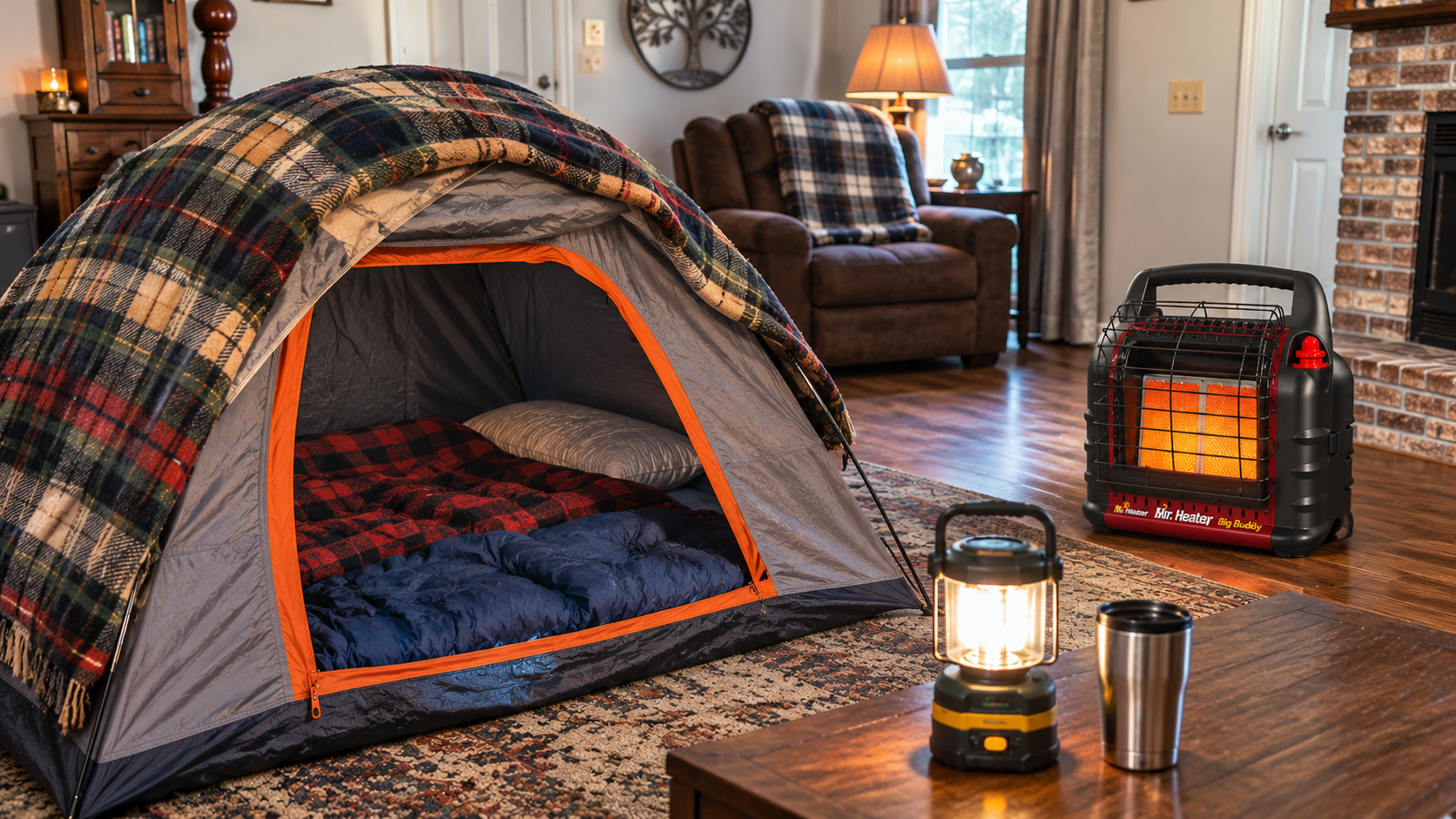
Set Up a Tent Indoors to Stay Warmer Without Electricity
If you have no propane heater, wood stove, or other backup heating source, setting up a small camping tent inside your home can help conserve body heat during a winter power outage. This technique creates a smaller sleeping area that is easier to keep comfortable than an entire cold room.
A two- or three-person tent placed inside a bedroom or living room can reduce drafts and trap some warmth produced by the people sleeping inside. Although it won’t heat the room itself, the enclosed space may feel noticeably warmer than the surrounding area.
How to Set Up an Indoor Survival Tent
- Choose a small room: Select a dry room away from fireplaces, heaters, and other potential hazards.
- Insulate the floor: Place foam sleeping pads or thick rugs beneath the sleeping area to reduce heat loss to cold flooring.
- Set up a small tent: A two- or three-person camping tent works well for creating a compact sleeping space.
- Add sleeping bags and blankets: Use cold-weather sleeping bags, quilts, and extra blankets to retain body warmth.
- Drape blankets over the tent if necessary: Lightweight blankets can provide additional insulation, but keep the tent’s ventilation openings uncovered and avoid overloading the tent poles.
- Keep everyone dry: Moisture and condensation can make sleeping bags and clothing less effective at retaining heat.
Can Blankets Over an Indoor Tent Help?
Yes. Draping one or two lightweight blankets over portions of a tent may help reduce heat loss, especially when the surrounding room is cold. However, blankets should never block mesh vents or other ventilation openings. Avoid heavy coverings that could collapse the tent.
The biggest improvement usually comes from insulating underneath your body. A good sleeping pad, dry thermal clothing, and a properly rated sleeping bag are more dependable than simply piling blankets over the tent.
Remember that an indoor tent is a temporary heat-retention strategy, not a replacement for safe heating. If indoor temperatures become dangerously cold, especially for children, older adults, or medically vulnerable people, move to a heated location.
Best Ways to Heat One Room During a Power Outage
No single heater is right for every household. Fuel availability, local building codes, installation requirements, and the need for electricity all matter.
| Heating method | Needs electricity? | Main advantage | Main limitation |
|---|---|---|---|
| Indoor-rated portable propane heater | Some models do not | Portable emergency heat | Ventilation, placement, fuel and usage restrictions |
| Properly installed wood stove | Usually no | Long-duration heat with stored firewood | Permanent safe installation and chimney |
| Approved vented gas wall heater | Model-dependent | Dedicated backup heat | Professional installation and fuel supply |
| Electric space heater + generator | Yes | Familiar electric heat | High electrical demand and generator fuel |
| Blankets, sleeping bags, insulation | No | No fuel required | Retains body heat; does not heat the room |
Option 1: An Indoor-Rated Portable Propane Heater
A portable propane heater can provide emergency warmth without household electricity, but only if its specific model is approved for the intended indoor location. Do not assume that a camping heater, patio heater, or outdoor propane appliance is suitable for a living room.
The Mr. Heater Portable Buddy is a commonly considered option with selectable heat settings around 4,000 and 9,000 BTU per hour. Check the exact model’s manual for current indoor-use approval, required ventilation, minimum room size, fuel-cylinder restrictions, and clearances. A low-oxygen shutoff sensor and tip-over protection are useful features, but neither prevents every carbon monoxide or fire hazard.

Use the heater only while awake and able to supervise it, unless its manufacturer explicitly authorizes the intended unattended or sleeping use. Never place it beside bedding, under furniture, or in a makeshift fabric enclosure. Do not store spare propane cylinders in occupied rooms.
How Far Should a Mr. Heater Buddy Be From a Tent or Blankets?
When using a Mr. Heater Buddy to warm a room during a winter power outage, proper spacing is essential. Keep the heater on a stable, level surface and maintain the manufacturer’s required clearances from tents, blankets, sleeping bags, curtains, furniture, and other combustible materials.
According to the manufacturer’s operating manuals, both the Mr. Heater Portable Buddy (MH9BX) and Big Buddy (MH18B) require minimum clearances of 30 inches above the heater, 24 inches in front, and 6 inches at the sides. The manuals list zero inches at the rear. These are minimum clearances from combustible materials, not recommended distances for placing a heater near a sleeping tent. Keep tents, blankets, sleeping bags, and other flammable materials well away from the heater, and always follow the instructions for your exact model.
If you’re using an indoor tent to conserve body heat, rely on insulated sleeping pads, warm clothing, and blankets for overnight warmth rather than leaving a portable propane heater running while everyone sleeps.
How Long Will Propane Last?
One pound of propane contains approximately 21,600 BTU of energy. A heater running at 4,000 BTU per hour would theoretically consume about 0.19 pounds per hour; at 9,000 BTU per hour, about 0.42 pounds per hour. Actual runtime varies with the appliance and conditions.
| Heat setting | Theoretical 1-lb fuel runtime | Approx. propane used in 8 hours |
|---|---|---|
| 4,000 BTU/hr | 5.4 hours | 1.5 lb |
| 9,000 BTU/hr | 2.4 hours | 3.3 lb |
These are energy-based estimates, not guaranteed manufacturer runtimes. The usable amount of fuel, regulator performance, cylinder temperature, and heater operation affect real results. Plan additional fuel margin instead of budgeting to the last ounce. Use the Propane Runtime Calculator to explore other fuel quantities and heating loads.
Option 2: A Properly Installed Wood-Burning Stove
A wood stove can provide sustained heat during an extended blackout without depending on grid electricity. Unlike a portable heater, however, it is not something to improvise after a storm arrives. The stove, hearth, chimney, wall protection, and clearances must be designed and installed for the home.
A certified wood stove can heat a living area effectively when supplied with properly seasoned firewood. Smaller stoves may be appropriate for compact spaces, but stove sizing should be based on the manufacturer’s specifications, home insulation, climate, and installation conditions. An oversized stove can be difficult to operate cleanly at lower heat outputs.
Wood Stove Safety Essentials
- Use a listed stove installed according to local code and the manufacturer’s instructions.
- Have the chimney inspected and cleaned as needed before the heating season.
- Maintain all specified clearances to walls, floors, furniture, and combustible materials.
- Burn dry, seasoned wood; never burn treated lumber, trash, or flammable liquids.
- Install and test smoke and carbon monoxide alarms.
- Keep a fire extinguisher accessible and establish a family fire-escape plan.
For fuel planning, see the Firewood Calculator. Wood heat can be economical for households with reliable firewood access, but the cost of a safe installation is often substantial.
Option 3: A Dedicated Gas Heater That Operates Without Grid Power
Some permanently installed gas heaters use a standing pilot or battery ignition and can operate without electricity. Others rely on electric controls, blowers, or ignition systems and will not function during a blackout. Read the exact specifications rather than assuming every gas heater is power-independent.
A properly installed, approved direct-vent gas heater is worth considering because its combustion system is separated from indoor air. Vent-free gas heaters are sold in some jurisdictions, but they introduce indoor combustion byproducts and moisture and are prohibited or restricted in some places. They should not be treated as the universal safest option for emergency heating.
Before purchasing any gas wall heater, verify its fuel type (propane versus natural gas), room-use restrictions, local legality, installation requirements, and whether it can run without electricity. Use a qualified installer for permanent gas connections.
For more information on gas service during outages, see How Long Will Natural Gas Work During a Blackout? and Does Extreme Cold Affect Natural Gas?.
Option 4: An Electric Space Heater Powered by a Generator
An electric heater avoids combustion inside the room, but it uses a large amount of electricity. A typical 1,500-watt space heater draws about 1.5 kilowatt-hours for every hour it operates at full output. Eight hours would require roughly 12 kWh of delivered electrical energy, before accounting for conversion losses if a battery system is used.
A portable power station with 2 kWh of stored energy would theoretically run a 1,500-watt heater for only about 1.3 hours before losses; actual runtime is shorter. This is why a power station may be more useful for lights, communications, medical devices, and small electronics than for prolonged resistance heating.
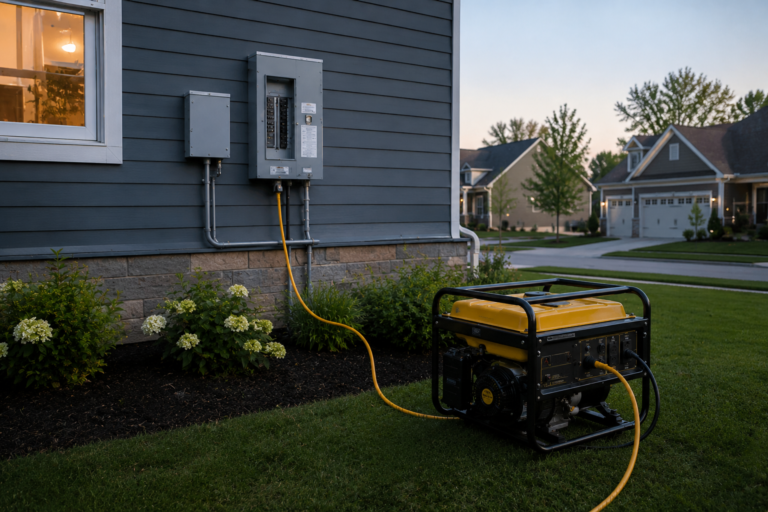
A generator can support an electric heater if it has adequate continuous output and fuel, but generator exhaust must stay outdoors, at least 20 feet from doors, windows, and vents, with the exhaust directed away from the building. Never operate one in a garage, even with the garage door open. Use manufacturer-approved connections; a transfer switch or interlock must be professionally installed when connecting to home circuits.
Use the Generator Runtime Calculator and Battery and Power Station Runtime Calculator to compare your equipment against actual loads.
How Much Heat Does One Room Need?
Heating requirements depend on much more than floor area. Outdoor temperature, air leakage, ceiling height, insulation, windows, and the desired indoor temperature all affect the result. A drafty 150-square-foot room may need more heat than a well-insulated 250-square-foot room.
For preliminary planning only, a rough heat-load allowance of 20–40 BTU per hour per square foot is sometimes used for conventional spaces, but it is not a safe equipment-sizing rule for severe weather or unvented combustion appliances. A proper room heat-loss calculation is more reliable.
| Room area | Illustrative load at 20 BTU/hr per sq. ft. | Illustrative load at 40 BTU/hr per sq. ft. |
|---|---|---|
| 100 sq. ft. | 2,000 BTU/hr | 4,000 BTU/hr |
| 200 sq. ft. | 4,000 BTU/hr | 8,000 BTU/hr |
| 300 sq. ft. | 6,000 BTU/hr | 12,000 BTU/hr |
These examples are arithmetic illustrations, not guaranteed performance estimates. Do not buy a larger combustion heater solely because a table suggests more BTUs. Appliance location, ventilation, local restrictions, and approved room volume may impose tighter limits.
Carbon Monoxide, Fire, and Ventilation: Nonnegotiable Safety Rules
Carbon monoxide is an odorless, colorless gas that can cause sudden illness and death. Fuel-burning heaters can also create fire hazards and may affect indoor air quality. Treat every combustion heater as equipment that requires careful installation, operation, and maintenance.
- Install working carbon monoxide alarms: Use battery-operated or battery-backup models on every level and near sleeping areas according to alarm instructions and local code.
- Maintain smoke alarms: Test them and replace batteries or units as specified.
- Never use outdoor-only equipment indoors: This includes grills, patio heaters, charcoal burners, and camp stoves.
- Never heat with a kitchen oven: Gas ovens and stovetops are not space heaters.
- Maintain clearances: Keep bedding, furniture, paper, clothing, and curtains away from heaters.
- Follow ventilation instructions: Never try to make a combustion-heated room airtight.
- Respond immediately to an alarm: Get everyone outside into fresh air and call emergency services. Do not reenter until responders say it is safe.
Headache, dizziness, nausea, weakness, confusion, or chest pain may indicate carbon monoxide exposure, especially when multiple people become ill together. Leave the building immediately if exposure is suspected. An oxygen-depletion sensor does not replace a carbon monoxide alarm.
What to Buy Before the Next Winter Storm
Prioritize items that solve different problems rather than purchasing several heaters with the same limitations. A sensible one-room preparedness kit includes a safe, approved heat source, sufficient properly stored fuel, working alarms, an indoor thermometer, warm bedding, flashlights, and a backup relocation plan.
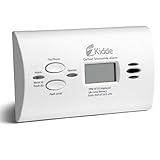
Battery-Powered Carbon Monoxide Alarm
A battery-powered carbon monoxide alarm continues monitoring when household electricity fails. Choose a listed alarm, follow the placement instructions, and check its expiration date. The First Alert CO400 is one example to evaluate; confirm the exact listing and current product specifications before purchase.

Cold-Weather Sleeping Bags and Insulated Pads
Sleeping bags and insulated pads are useful even when a heater is available, especially if you plan to turn off portable heating equipment before sleep. Select sleeping gear rated for the conditions and the people using it; temperature ratings are not guarantees of comfort for every person.
Indoor Thermometer
A simple battery-operated room thermometer helps you track actual conditions rather than relying on how warm the room feels near a heater. Keep it away from direct sunlight, windows, and the heater itself for a more representative reading.
A Practical 72-Hour One-Room Heating Plan
First 0–6 Hours: Preserve the Warmth You Have
Confirm whether the outage is widespread and monitor utility updates. Choose the safest room, close unused interior doors, cover drafty windows, gather blankets and medications, and check alarm batteries. Set up the approved heater according to its manual before darkness makes the work more difficult.
Hours 6–24: Establish a Sustainable Routine
Track room temperature and fuel consumption. Use clothing and bedding to reduce the demand on the heater. Eat and drink regularly, keep devices charged where possible, and make sure everyone understands fire and carbon monoxide escape procedures. Check on older adults, infants, and anyone with limited mobility or medical needs.
Hours 24–48: Recalculate Fuel and Protect the House
Reassess the forecast and remaining fuel. Do not ignore plumbing in unheated areas. Depending on conditions, pipe insulation, carefully managed faucet dripping, or shutting off and draining vulnerable plumbing may be appropriate. See How to Keep Pipes From Freezing During a Power Outage.
Hours 48–72: Decide Whether Staying Is Still Safe
If temperatures keep falling, fuel runs low, alarms malfunction, or someone becomes ill, move to a heated location before travel conditions worsen. Do not wait until a family member develops hypothermia. An outage plan should always include somewhere else to go.
How to Stay Warm Overnight Without Taking Unnecessary Risks
Overnight heating deserves special attention because sleeping occupants may not notice a tipped heater, smoke, or developing symptoms of carbon monoxide exposure. Do not leave portable fuel-burning heaters operating while everyone sleeps unless the exact appliance is explicitly approved for that situation and all required conditions are met. Even then, follow local fire guidance and the manufacturer’s instructions.
Instead, prepare warm bedding before bedtime, wear dry layers, use insulated sleeping pads, and keep the room arranged so nobody can roll into a heater. If the room cannot remain safely warm without an appliance that is not approved for unattended operation, seek alternative shelter.
Never run a generator overnight in a garage, carport, basement, or other enclosed or partially enclosed location. Its exhaust can enter a home even when the generator is outdoors if it is too close to openings.
What About Heating a Room With Candles, Flowerpots, or a Camping Stove?
Improvised heating ideas spread quickly during storms, but many are ineffective or hazardous. A candle under a flowerpot does not create extra energy; it merely redistributes the limited heat produced by the candle while adding burn and fire risks. Multiple candles also introduce open flames into an already stressful emergency.
Likewise, camping stoves and charcoal grills should never be used to heat a room. A stove designed for outdoor cooking is not an indoor space heater. Never use gasoline, charcoal, or a running vehicle to warm an attached garage or enclosed space.
Common Mistakes That Waste Fuel or Create Danger
- Trying to heat the entire house with a small emergency heater.
- Choosing a room too large or too drafty for the available heat source.
- Blocking the ventilation required by a fuel-burning heater.
- Running an electric heater from a small battery without calculating runtime.
- Using an unapproved propane or camping heater indoors.
- Assuming an oxygen-depletion shutoff detects carbon monoxide.
- Leaving portable heating equipment unattended around children or pets.
- Failing to protect water lines in colder parts of the house.
- Waiting too long to relocate when the room becomes unsafe.
Frequently Asked Questions
Can a small propane heater warm a bedroom during a blackout?
Some portable propane heaters are rated for indoor use, but that does not mean they are approved for bedrooms or sleeping occupants. Follow the exact model’s restrictions, required room size, ventilation, and clearance instructions. Never use an outdoor-only heater in a bedroom.
Is it cheaper to run a propane heater or a generator with an electric heater?
Operating cost depends on local fuel prices, equipment efficiency, and the load. Burning fuel in a generator to produce electricity for resistance heat can be relatively fuel-intensive. A purpose-built, properly installed heating appliance may be more practical, but safety and suitability come before cost.
Can a power station run a 1,500-watt heater all night?
Usually not unless the battery bank is unusually large. Eight hours at a constant 1,500 watts requires 12 kWh of delivered energy, plus conversion losses. Check both the power station’s continuous output rating and usable battery capacity.
Will closing every vent and crack make the room warmer?
Sealing ordinary drafts can help, but closing required combustion-air openings can create a dangerous situation. Never block ventilation specified by a heater manufacturer.
What temperature is too cold to stay in the house?
There is no single safe cutoff for everyone. Risk depends on exposure time, clothing, age, health, moisture, and the ability to stay warm. Infants, older adults, and people with certain health conditions may be at greater risk. If anyone is persistently shivering, becoming confused, unusually sleepy, or unable to stay warm, seek immediate help and a heated environment.
Final Thoughts
The best way to heat one room during a winter power outage is to prepare before the storm: choose an appropriate room, reduce drafts, have a safely installed or specifically indoor-approved heating option, store enough fuel, and keep reliable alarms working. A wood stove or professionally installed vented gas heater may provide long-duration backup heat; a portable indoor-rated propane heater may serve as a limited emergency option; and generator-powered electric heat is possible when fuel and electrical capacity allow.
Most importantly, do not let the goal of staying home override safety. If you cannot keep everyone warm without unsafe combustion, fire hazards, or exhausting your fuel supply, relocate to a heated location while you still can.
Further Reading
More From The Savvy Survivalist
- How Fast Will Your House Get Cold Without Heat? Power Outage Timeline
- How to Prepare for an Ice Storm: Complete Home Emergency Checklist
- How Long Will Natural Gas Work During a Blackout?
- Long-Term Power Outage Survival