
Urban Survival Guide: Essential Skills, Gear & Emergency Planning
Urban survival skills are essential when a major power outage, severe storm, water emergency, or evacuation disrupts everyday life. Cities depend on interconnected systems for electricity, transportation, communications, food deliveries, and clean drinking water. When one system fails, others may be affected.
This post contains affiliate links. I may earn a small commission at no extra cost to you. Learn more.
Preparing for these emergencies does not mean expecting widespread chaos. It means having enough supplies, practical skills, and reliable information to make safe decisions when normal services are interrupted.
Whether you live in a downtown apartment, a high-rise building, or a suburban neighborhood, this guide explains how to prepare for urban emergencies, assemble useful survival gear, protect your household, and determine when staying home is safer than evacuating.
Quick Answer: What Are the Most Important Urban Survival Skills?The most valuable urban survival skills include maintaining situational awareness, storing and protecting drinking water, managing power outages, practicing basic first aid, communicating without dependable cellular service, and planning safe evacuation routes.
Start here: Prepare at least three days of essential supplies, build toward a longer household reserve where practical, and establish a family emergency plan before disaster strikes.
Why Urban Survival Skills Matter
Urban areas offer important advantages during emergencies, including access to hospitals, emergency responders, public shelters, and established infrastructure. However, high population density and dependence on shared services also create challenges when those systems are disrupted.
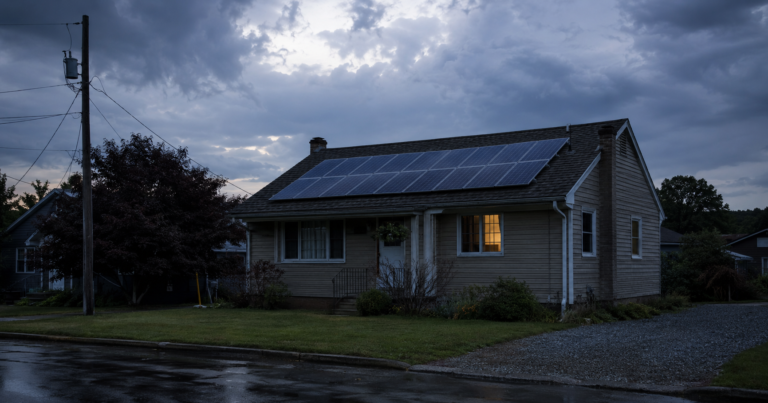
For example, a prolonged blackout can affect more than household lighting. Depending on the location and circumstances, it may also disrupt:
- Elevators and electrically operated building entrances
- Water pumps and pressure in taller buildings
- Heating and air-conditioning systems
- Traffic signals and public transportation
- Cellular networks and internet access
- Electronic payment systems and ATMs
- Refrigeration and food storage
- Medical equipment requiring electricity
These effects vary considerably. A brief neighborhood outage is different from a regional disaster that damages roads, water systems, and communication networks.
The objective of urban preparedness is to handle realistic disruptions without making dangerous assumptions about how quickly services will return.
For more information about infrastructure failures, see our urban survival guide to power, lighting, and communication.
Common Urban Emergencies to Prepare For
Not every city faces the same hazards. Coastal communities may prioritize hurricanes and storm surge, while inland cities may face tornadoes, flooding, winter storms, earthquakes, or extreme heat.
1. Situational Awareness and Emergency Decision-Making
Situational awareness is one of the most useful urban survival skills because it helps you recognize problems early and respond appropriately.
It does not require constantly looking for threats. Instead, pay attention to your surroundings, understand the hazards most relevant to your location, and know how to leave an unsafe area.
Build Practical Situational Awareness
- Identify emergency exits when entering unfamiliar buildings.
- Know at least two ways out of your home or apartment when possible.
- Pay attention to official weather warnings and evacuation notices.
- Avoid entering flooded roads, damaged structures, or areas with downed electrical lines.
- Recognize when an emergency is beyond your ability to manage safely.
- Keep important household contacts accessible without relying entirely on your phone.
Good decisions often involve avoiding unnecessary risks rather than confronting them.
Use Reliable Emergency Information
Local emergency management agencies, weather alerts, utility providers, and official public safety announcements should be your primary sources during a disaster.
Social media can provide useful observations, but unverified posts may contain outdated or inaccurate information.
Before traveling, verify road conditions and evacuation instructions whenever reliable information is available.
2. Urban Navigation Without Reliable GPS
Smartphones make everyday navigation convenient, but internet access and battery power may be limited during an emergency.
GPS positioning can still work without cellular service, although your phone may need previously downloaded offline maps to display useful navigation details.
Urban Navigation Skills to Practice
- Learn the major streets and routes around your neighborhood.
- Identify hospitals, public shelters, and designated evacuation routes.
- Download offline maps before traveling.
- Keep a printed local map in your emergency kit.
- Understand how to use a basic compass.
- Practice recognizing major landmarks without relying on turn-by-turn directions.
Natural navigation techniques may provide additional directional clues when equipment is unavailable.
For example, our shadow stick method guide explains how to estimate cardinal directions using sunlight.
However, knowing which direction is north does not automatically identify a safe route. Always consider road closures, flooding, fire conditions, and official instructions.
3. Safe Drinking Water During an Urban Emergency
Reliable drinking water is a higher priority than most specialized survival equipment.
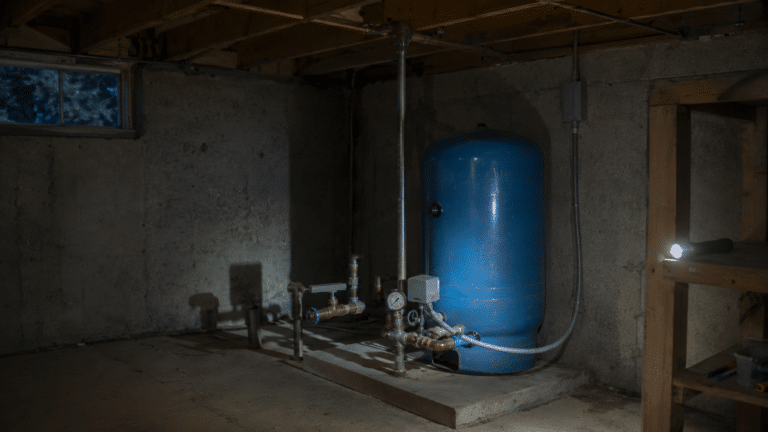
Municipal water systems can be disrupted by power failures, damaged pipes, flooding, or treatment problems. The safest approach is to store clean water before an emergency rather than depending on uncertain urban sources.
How Much Emergency Water Should You Store?
A common starting recommendation is at least one gallon of water per person per day for drinking and basic sanitation.
Store at least three days of water when possible. A two-week supply provides a stronger buffer for extended emergencies, particularly when utility restoration may be delayed.
Emergency Water Example: Family of FourThree-day supply: 4 people × 1 gallon × 3 days = 12 gallons.
Fourteen-day supply: 4 people × 1 gallon × 14 days = 56 gallons.
Hot weather, illness, pregnancy, and additional sanitation needs may increase water requirements.
Safe Urban Water Sources
Prioritize these options in order:
- Commercially bottled water: Convenient for apartment storage and emergency evacuation.
- Properly stored tap water: Use clean, food-grade containers and follow appropriate storage and rotation practices.
- Water distributed by emergency authorities: Follow official collection and safety instructions.
- Other household water sources: Use only when the source is known to be safe and appropriate for drinking.
Can You Drink Water From a Hot-Water Heater?
Water from a conventional tank-style heater may be available during some emergencies, but it should not automatically be considered potable.
Its suitability depends on the plumbing system, tank condition, possible contamination, and any active water advisory. Hot-water systems can also present burn and electrical hazards.
Do not attempt to drain or disconnect equipment unless you understand the manufacturer’s safety instructions.
What About Rainwater and Fire Hydrants?
Urban roof runoff can contain bird droppings, roofing chemicals, heavy metals, and other contaminants. Ordinary backpacking filters do not reliably remove every chemical hazard.
Fire hydrants should not be opened for personal water collection. Unauthorized operation can create safety hazards, damage equipment, and interfere with firefighting operations.
Important: Boiling and many portable filters can address certain biological hazards, but they do not reliably remove dissolved chemicals, fuel contamination, or heavy metals.
If authorities issue a do-not-drink or do-not-use advisory, follow that specific guidance. Do not assume boiling makes the water safe.
Learn more in our Ultimate Water Purification Guide.
4. Power Outage Survival in an Apartment or City Home
Electricity supports many essential household systems. Preparing for a blackout means considering lighting, temperature control, food safety, communications, and medical needs.
Emergency Lighting
Keep multiple battery-powered light sources available rather than relying on a single flashlight.
- LED lanterns for shared living spaces
- Flashlights for individual household members
- Headlamps for hands-free tasks
- Spare batteries or charging options
- Low-power lighting for nighttime movement
Battery-powered lighting is generally safer than candles during a blackout, especially in apartments and homes with children or pets.
Backup Charging
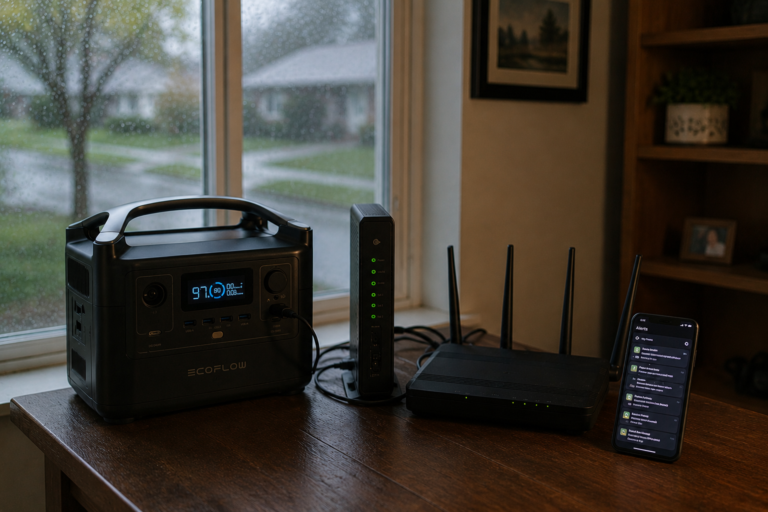
A charged power bank can help keep a phone operating during a short outage. Larger power stations may support additional low-power equipment, depending on their capacity and output ratings.
Check the actual power requirements of your devices rather than assuming a battery can run every appliance.
Heating and Cooling Safety
During winter outages, concentrate on reducing heat loss, wearing appropriate layers, and using safe shelter options.
During summer outages, prioritize hydration, ventilation when outdoor conditions permit, and access to cooling centers when necessary.
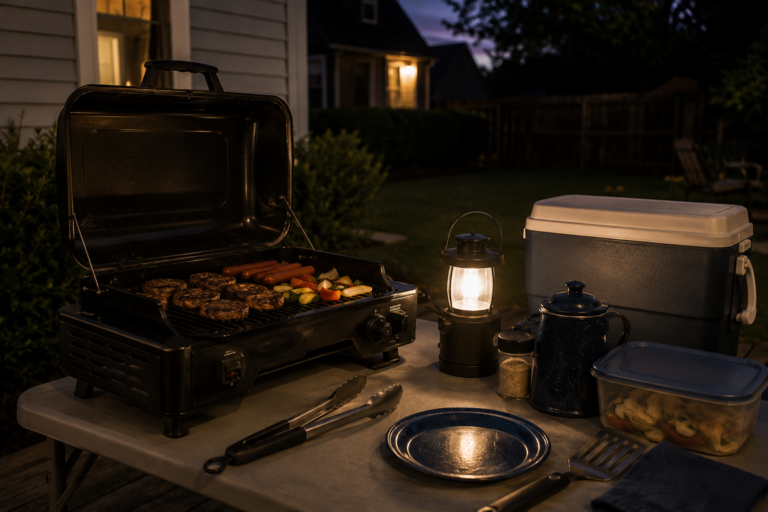
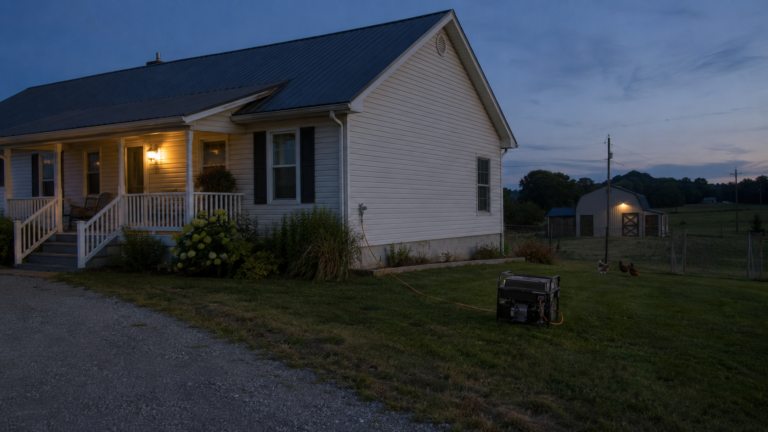
Critical Carbon Monoxide WarningNever operate gasoline generators, charcoal grills, camp stoves, or other outdoor combustion equipment inside an apartment, garage, enclosed balcony, hallway, or near openings where exhaust can enter the building.
Carbon monoxide is odorless and can be fatal. Maintain working carbon monoxide alarms where appropriate and follow manufacturer safety instructions.
5. Shelter-in-Place Security and Apartment Safety
In many emergencies, remaining inside a structurally sound home is safer than traveling through hazardous conditions.
Basic apartment security and household safety measures can reduce preventable risks without turning your home into a fortress.
Improve Everyday Home Security
- Maintain working door and window locks.
- Keep exterior doors closed and secured.
- Use battery-powered lighting where appropriate.
- Know how to contact building management and emergency services.
- Keep hallways and emergency exits unobstructed.
- Store emergency supplies where they can be reached quickly.
Any door hardware changes must comply with building rules and fire-safety requirements. Never install devices that prevent occupants from exiting quickly during a fire.
High-Rise Apartment Considerations
High-rise residents should understand their building’s emergency procedures before an incident occurs.
Some emergencies require evacuation, while others may require remaining inside or relocating to a designated refuge area.
Follow the building’s fire plan and emergency responders’ instructions. Do not assume stairs are always safe or that elevators should always be used.
If smoke, fire, flooding, or structural damage is present, conditions may change rapidly.
6. Urban Food Storage Without a Large Pantry
Limited storage space does not prevent effective emergency food planning.
Apartment residents can build a practical reserve using compact, shelf-stable foods that require little or no cooking.
Useful Emergency Foods
- Canned beans, vegetables, soups, and meats
- Peanut butter and other shelf-stable spreads
- Crackers, tortillas, and ready-to-eat grains
- Dried fruit, nuts, and trail mix
- Energy bars and shelf-stable snacks
- Ready-to-eat meals
- Foods appropriate for infants or special dietary needs
Choose foods your household actually eats and rotate them according to their labeled storage instructions.
Freeze-dried foods can be useful for longer storage, but many require water and preparation. No-cook foods are particularly valuable when cooking is unavailable or unsafe.
Refrigerated Food During a Blackout
Keep refrigerator and freezer doors closed as much as possible.
As general food-safety guidance, an unopened refrigerator keeps food cold for approximately four hours. A full freezer may maintain a safe temperature for about 48 hours, while a half-full freezer may last about 24 hours, provided the doors remain closed.
Actual food safety depends on temperature. Use appliance thermometers when available and discard perishable foods that have been held above safe temperatures for too long.
Do not rely on smell or appearance to determine whether questionable food is safe.
For additional planning ideas, consult Ready.gov’s emergency food guidance.
7. Emergency Communications When Networks Fail
Communication failures can make an emergency more stressful, especially when household members are separated.
Build a communication plan that does not depend on everyone having uninterrupted internet access.
Establish a Family Communication Plan
- Choose a primary household meeting location.
- Identify an alternative meeting place outside the immediate neighborhood.
- Select an out-of-area emergency contact.
- Write down important phone numbers.
- Keep phones charged and conserve battery power.
- Know where official emergency information will be available.
Communication Equipment Worth Considering
Weather radio: A suitable NOAA Weather Radio can provide weather alerts and forecasts within supported coverage areas.
Battery-powered AM/FM radio: Useful for receiving local broadcasts during outages.
Two-way radios: Can provide short-range communication when used within their technical and regulatory limitations.
Satellite communication devices: May support emergency messaging in remote locations, depending on the device, service, coverage, and sky visibility.
Encrypted messaging applications are useful when compatible data connections are available, but ordinary messaging apps should not be assumed to provide a dependable offline mesh network.
For more information, read our guide to communicating when the grid goes down.
8. Essential Urban Survival Gear
A good urban survival kit should prioritize useful, dependable equipment rather than unnecessary tactical accessories.
The following items provide a practical foundation for everyday emergencies and short-notice evacuations.
Buying tip: Review each product’s current specifications, limitations, and availability before purchasing. No single piece of equipment replaces a complete emergency plan.
9. Build an Urban Emergency Go-Bag
An urban go-bag should contain the essentials needed to leave home quickly and manage a short disruption while reaching a safer location.
Pack according to your household’s needs, the local climate, and whether you expect to travel by vehicle, public transportation, or on foot.
Urban Go-Bag Checklist
- Drinking water and a refillable bottle
- Ready-to-eat emergency food
- Flashlight or headlamp
- Portable power bank and charging cables
- First-aid supplies and necessary medications
- Weather-appropriate clothing and rain protection
- Comfortable walking shoes
- Copies of essential documents in a waterproof pouch
- Emergency contact information
- Local paper map
- Small amount of emergency cash in mixed denominations
- Whistle and basic hygiene supplies
- Appropriate respirators for anticipated hazards
- Supplies for children, pets, or household members with additional needs
There is no universal ideal go-bag weight. A pack must be manageable for the person carrying it, particularly when stairs, long walking distances, or mobility limitations are involved.
For a more detailed packing plan, read our 72-Hour Bug-Out Bag Guide.
10. Know When to Shelter in Place or Evacuate
One of the most important urban survival decisions is whether to remain at home or leave.
Evacuation is not automatically safer. Travel during flooding, extreme weather, fires, or infrastructure failures can expose you to additional hazards.
Follow official emergency instructions, which take priority over general preparedness advice.
Plan More Than One Evacuation Route
Identify a primary route and at least one alternative before an emergency occurs.
Consider:
- Roads likely to flood or become congested
- Bridges and tunnels that could close
- Public transportation availability
- Accessible routes for household members with mobility needs
- Safe destinations outside the affected area
- Fuel availability and vehicle readiness
For more guidance, see How to Bug Out From the City Without Getting Stuck in Gridlock.
You can also review our Best Bug-Out Locations guide when planning possible destinations.
11. Sanitation and Hygiene Without Running Water
Sanitation is often overlooked in urban preparedness, especially in apartment buildings where plumbing depends on shared infrastructure.
A prolonged interruption may affect toilet flushing, handwashing, waste disposal, and cleaning.
Prepare a Basic Sanitation Kit
- Heavy-duty trash bags
- Disposable gloves
- Toilet paper and personal hygiene supplies
- Soap and alcohol-based hand sanitizer
- Disinfecting supplies appropriate for the surface and hazard
- Separate containers for clean and contaminated items
- Emergency toilet supplies if plumbing becomes unusable
Follow local public health and waste-disposal instructions. Do not flush toilets when officials or building management warn that sewer systems are damaged or unavailable.
Hand sanitizer can be useful when hands are not visibly dirty, but soap and safe water are preferable for many hygiene tasks.
12. First Aid and Medical Preparedness
Basic first-aid training is valuable in any setting, but it becomes particularly important when emergency responders face delays.
Every household should consider keeping:
- Bandages and sterile dressings
- Disposable medical gloves
- Basic wound-care supplies
- Necessary prescription medications
- A list of medical conditions, allergies, and emergency contacts
- Backup power arrangements for essential medical devices when appropriate
- Supplies for infants and other household members with specific needs
Learn CPR, how to recognize serious medical emergencies, and how to control severe bleeding through qualified training.
For life-threatening bleeding, direct pressure is a critical immediate action. Tourniquets may be appropriate for severe limb bleeding when used according to current training and emergency guidance.
Call emergency services as soon as possible when serious injury or illness occurs.
13. Community Preparedness and Mutual Aid
Urban survival does not have to be an individual effort.
Neighbors can share information, check on vulnerable residents, and coordinate assistance during prolonged disruptions.
Before an emergency, consider identifying trusted neighbors who may be willing to help with:
- Checking on older adults or residents with mobility limitations
- Sharing verified emergency announcements
- Identifying building maintenance problems
- Helping residents locate community resources
- Coordinating safe transportation when appropriate
Respect privacy and personal boundaries. Avoid sharing sensitive household information or putting yourself at unnecessary risk.
14. Maintain Your Urban Survival Supplies
Emergency equipment is most useful when it works and your household knows where to find it.
Do not intentionally disable essential building safety systems or create unsafe conditions to simulate an emergency.
Urban Survival Skills: Frequently Asked Questions
What Are the Most Important Urban Survival Skills?
Situational awareness, emergency communication, safe water storage, first aid, basic navigation, power outage preparedness, and evacuation planning are among the most practical skills for urban emergencies.
How Much Water Should I Store in an Apartment?
Start with at least one gallon per person per day for three days. If space and building conditions permit, gradually build toward a two-week reserve. Account for additional needs during hot weather or illness.
Is It Better to Stay Home or Bug Out During a Blackout?
A power outage alone does not always require evacuation. If your home remains safe and essential needs can be met, sheltering in place may be appropriate. Evacuate when conditions become unsafe or authorities direct you to leave.
What Should Be in an Urban Survival Kit?
Include drinking water, ready-to-eat food, lighting, backup charging, medications, first-aid supplies, emergency contacts, suitable clothing, hygiene supplies, and a communication plan.
Can I Use a Portable Water Filter on City Floodwater?
Do not assume floodwater can be made safe with a portable filter. Urban floodwater may contain sewage, fuel, industrial chemicals, and other contaminants that ordinary filters or boiling cannot reliably remove.
How Do I Prepare for an Emergency in a High-Rise Apartment?
Understand your building’s emergency procedures, identify designated exits and refuge areas, maintain supplies appropriate for your household, and plan for elevator or water-pump disruptions. Follow building management and emergency responder instructions during an incident.
How Much Should an Urban Go-Bag Weigh?
There is no universal weight limit. The bag should be light enough for its intended user to carry safely while containing the most important supplies for their circumstances.
Final Thoughts: Prepare for Urban Emergencies Before They Happen
Urban survival skills are not about expecting the worst from everyone around you. They are about preparing for realistic disruptions and maintaining the ability to make informed decisions when everyday services become unreliable.
Start with stored drinking water, emergency food, dependable lighting, backup communication, and a practical household evacuation plan.
Then improve your preparedness gradually by learning first aid, practicing navigation, understanding your local hazards, and building relationships with trusted neighbors.
A well-prepared household is better positioned to manage a short blackout, an extended infrastructure failure, or a sudden evacuation without unnecessary panic or risk.
Further Reading: Urban Survival and Emergency Preparedness
- Urban Survival Guide: Power, Lighting, and Communication
- How to Bug Out From the City Without Getting Stuck in Gridlock
- Gray Man Urban Survival Gear
- Ultimate Water Purification Guide
- 15 Most Forgotten Survival Items
- 72-Hour Bug-Out Bag Guide
Stay prepared. Stay sharp. Stay savvy.