Apartment Prepping: How to Store Food, Water & Gear in Tight Spaces
Living in a small apartment doesn’t mean you can’t prep—it just means you have to get smarter about space. Whether you’re bracing for a citywide blackout or planning a fast high-rise evacuation, every inch of storage and every piece of gear needs to earn its keep.
This post contains affiliate links. I may earn a small commission at no extra cost to you. Learn more.
Even small-space households can build the layered systems outlined in our Emergency Preparedness Master Plan.
Recommended Gear: See our complete Apartment Prepping Essentials List for compact emergency gear, blackout supplies, water storage, and space-saving preparedness tools designed for apartments and small homes.
Most prepping advice assumes you’ve got space to burn: a basement stacked with shelves, a garage with backup freezers, or even a cabin stocked with a year’s worth of supplies. But for millions of people, that’s not reality. If you live in an apartment, every square foot matters — and survival looks a lot different when you’re surrounded by neighbors, locked into a small floor plan, and working with strict limits on what you can store.
The challenges are obvious: no place to dig a root cellar, no ability to stash fuel barrels, and sometimes not even a balcony to store extra gear. But apartment prepping isn’t about having less — it’s about using what you do have smarter. Tight quarters force you to think vertically, prioritize essentials, and lean on multi-purpose tools. Done right, you can build a solid survival setup without tripping over buckets of beans in your living room.
And make no mistake: apartment dwellers aren’t exempt from crises. If anything, they’re often more vulnerable. Think about the last time a city-wide blackout hit — high-rises lost elevators, stores ran out of bottled water within hours, and apartments without cross-ventilation turned into ovens. Or recall water main breaks, shelter-in-place orders, or wildfire smoke choking entire cities. These events don’t wait until you have a homestead; they hit where you live now.
Water failures escalate quickly in urban areas, especially in high-rises. Our guide on what happens when water stops running explains exactly what to expect.
If you want to understand how fast conditions can deteriorate after infrastructure failure, read How Fast Society Changes During a Long-Term Power Outage.
That’s why this guide is built for the urban prepper in tight spaces. Whether you’re in a studio or a two-bedroom unit, we’ll cover how to:
✅ Store food without cluttering every corner
✅ Keep a reliable water supply without giant barrels
✅ Choose compact, multi-use gear that earns its space
✅ Hack your apartment layout for hidden storage
Apartment prepping isn’t about stockpiling like a doomsday bunker — it’s about practical resilience where you are. With the right approach, even the smallest apartment can be transformed into a secure base for the unexpected.
🥫 Food Storage in Tight Spaces
Food storage is one of the hardest parts of apartment prepping. You don’t have the luxury of a basement pantry or a shed full of buckets — but you still need enough calories to carry you through blackouts, quarantines, or city-wide shutdowns. The key isn’t hoarding giant quantities. It’s choosing compact, calorie-dense foods and storing them smartly.
Most people underestimate how quickly food systems fail during outages. See our full breakdown on how long food lasts without power.
✅ Best Foods for Apartment Preppers
When space is limited, every item must earn its keep. Focus on foods that are:
- Shelf-stable (long-lasting without refrigeration)
- Compact (high calories per cubic inch)
- Versatile (can be used in multiple meals)
Some of the best picks include:
- ✅ Canned meats & beans – Chicken, tuna, salmon, and chili pack serious protein and stack neatly.
- ✅ Rice & pasta – A pound of rice equals over 1,600 calories. Store in sealed buckets, jars, or under-bed containers.
- ✅ Oats & powdered milk – A fast, filling breakfast that requires no cooking beyond boiling water.
- ✅ Peanut butter or nut butters – High calorie, protein-rich, and long-lasting if stored cool.
- ✅ Freeze-dried meals – Expensive, but unbeatable for space-to-calorie ratio and near-instant prep.
- ✅ Seasonings & basics – Salt, sugar, bouillon, and cooking oil keep bland rations edible and boost morale.
👉 Check long-term emergency food kits on Amazon

📦 Storage Solutions for Small Apartments
Where you store food is just as important as what you store. Here are space-saving hacks that work in tight living quarters:
- Under-bed storage – Slide flat bins full of rice, pasta, and canned goods under your bed.
- Closet organizers – Use hanging shelves or shoe organizers for small items like seasoning packets or snack bars.
- Stackable totes – Stash Mylar-bagged foods with oxygen absorbers inside sturdy totes that can double as furniture.
- Behind furniture – Tuck slim bins behind couches, bookshelves, or entertainment centers.
- Suitcases & duffels – Out-of-season luggage makes perfect hidden storage for bulk items.
🔄 Rotation & Shelf Life
Storing food is only half the battle. If you don’t rotate your supplies, you’ll end up with expired cans and wasted money.
- ✅ FIFO method (First In, First Out): Eat older items first, restock with new ones in the back.
- ✅ Label everything with purchase dates using masking tape or Sharpie.
- ✅ Keep an inventory list on your phone so you don’t double-buy or forget what you have.
Most canned foods last 2–5 years. Rice, pasta, and oats can stretch up to 10 years in sealed Mylar bags with oxygen absorbers. Freeze-dried meals? Up to 25 years — making them an excellent investment if you can spare the upfront cost.
🐜 Pest-Proofing Your Stash
One major risk in apartments is pests — roaches, mice, or pantry moths. Don’t just rely on cardboard packaging.
- ✅ Store grains in sealed buckets or jars.
- ✅ Use vacuum-sealed bags for dry goods.
- ✅ Keep food elevated off floors when possible.
- ✅ Regularly check for signs of infestation.
🔑 Key Takeaway
Apartment food storage isn’t about piling your living room with boxes. It’s about strategic, compact stockpiling. A mix of canned goods, dry staples, and freeze-dried meals can give you a balanced, high-calorie supply that fits into the nooks and crannies of your apartment.
Start small: aim for a 72-hour supply, then scale up to a week, then a month. With smart storage hacks, even the smallest apartment can hold weeks of survival food without feeling cluttered.
Not sure where to start? Build your supplies in phases using our 72-hour emergency preparedness system.
💧 Water Storage & Purification
Food keeps you alive in the long run, but water is what keeps you alive today. Go 72 hours without food and you’ll be hungry. Go 72 hours without water and you’re in serious trouble. That’s why FEMA recommends at least 1 gallon per person per day — half for drinking, half for hygiene.
The problem? In an apartment, storing gallons and gallons of water can eat up your space fast. That’s where smart storage and purification options come into play.
✅ Best Water Storage Options for Apartments
- Stackable 3–5 gallon jugs – Designed to fit neatly in closets or corners without tipping. Each jug provides 3–5 days for one person.
- Collapsible containers – Store flat until needed, then expand to hold several gallons. Perfect for last-minute filling.
- Bathtub bladder (WaterBOB style) – Before a storm or outage, place in your tub and fill with up to 100 gallons of potable water. When not in use, it folds into a small box.
- Frozen bottles in your freezer – Double as emergency ice packs, keep food cold during blackouts, and provide drinking water as they melt.
👉 Check compact stackable water containers on Amazon

⚖️ Balancing Stored Water vs. Filters
You’ll never store all the water you could need. That’s why a good prepper balances between what you can store and what you can filter.
For backup purification methods during extended outages, see our complete guide to emergency water purification methods.
Must-have purification tools:
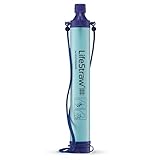
- ✅ Personal straw filter – Lightweight, pocket-sized, filters bacteria and protozoa.
- ✅ Pump filters – Pull water directly from buckets, sinks, or even puddles.
- ✅ Gravity filter bags – Hang them, fill them, let gravity do the work for larger volumes.
- ✅ Water purification tablets – Tiny, long-lasting backups that sanitize questionable water fast.

🛠 Apartment Water Storage Hacks
Small-space living demands creativity:
- Store flat containers under couches or beds.
- Fill bookshelf dead space with bottled water behind rows of books.
- Keep a jug or two in the bottom of closets where shoes usually sit.
- Rotate bottled water every 6–12 months — or use it for cooking and replace.
💡 Pro Tips for Water Safety
- Add unscented bleach drops (8 drops per gallon) if storing tap water long-term.
- Avoid storing plastic bottles near heat sources (stoves, heaters, sunny windows).
- Always keep at least one manual option (like tablets or a straw) in case power and pumps fail.
🔑 Key Takeaway
Water is bulky, but you don’t need to fill your whole apartment with jugs to be ready. A smart mix of stackable storage containers, a bathtub bladder for emergencies, and portable filters gives you both reliability and flexibility.
In an apartment survival situation, water storage isn’t about stockpiling—it’s about layering your options so you’re never caught dry.
Layered water systems matter more in apartments because storage space is limited. Our long-term water storage guide shows how to safely store and rotate emergency water without wasting space.
🧰 Gear Storage & Multi-Use Tools
Food and water are the foundation, but without the right gear, surviving in an apartment during a crisis becomes a lot harder. The challenge is that survival gear can get bulky fast — and you don’t have a garage or basement to hide it all away. That’s why in apartments, you want multi-use gear and compact storage hacks that give you maximum utility per square inch.
✅ Essential Gear for Apartment Preppers
When every item takes up valuable space, prioritize gear that does more than one job:
- Compact camping stove – Small but powerful, runs on butane or propane canisters, perfect for cooking when the power is out.
- Rechargeable LED lanterns & headlamps – Safer than candles and double as task lighting during blackouts.
- Folding solar panel – Generates power without a generator, folds flat for easy storage.
- Multi-tool or survival knife – Combines pliers, screwdrivers, knife blades, and more in one compact package.
- First aid kit – Slimmed-down kits can mount on a wall, hang in a closet, or slip into a go-bag.
- Power banks – Keep phones charged to access news, emergency apps, or communication.
👉 Check out compact multi-tools on Amazon

🏠 Gear Storage Hacks for Tight Apartments
- Vertical storage – Install pegboards or hooks in closets to hang lanterns, bags, or small tools.
- Over-the-door organizers – Shoe racks and pocket systems are great for flashlights, water filters, and medical supplies.
- Hidden furniture storage – Ottomans, benches, and bed frames with drawers double as survival caches.
- Bathroom & kitchen dead space – Keep gear like water filters or camp stoves in unused cabinet corners.
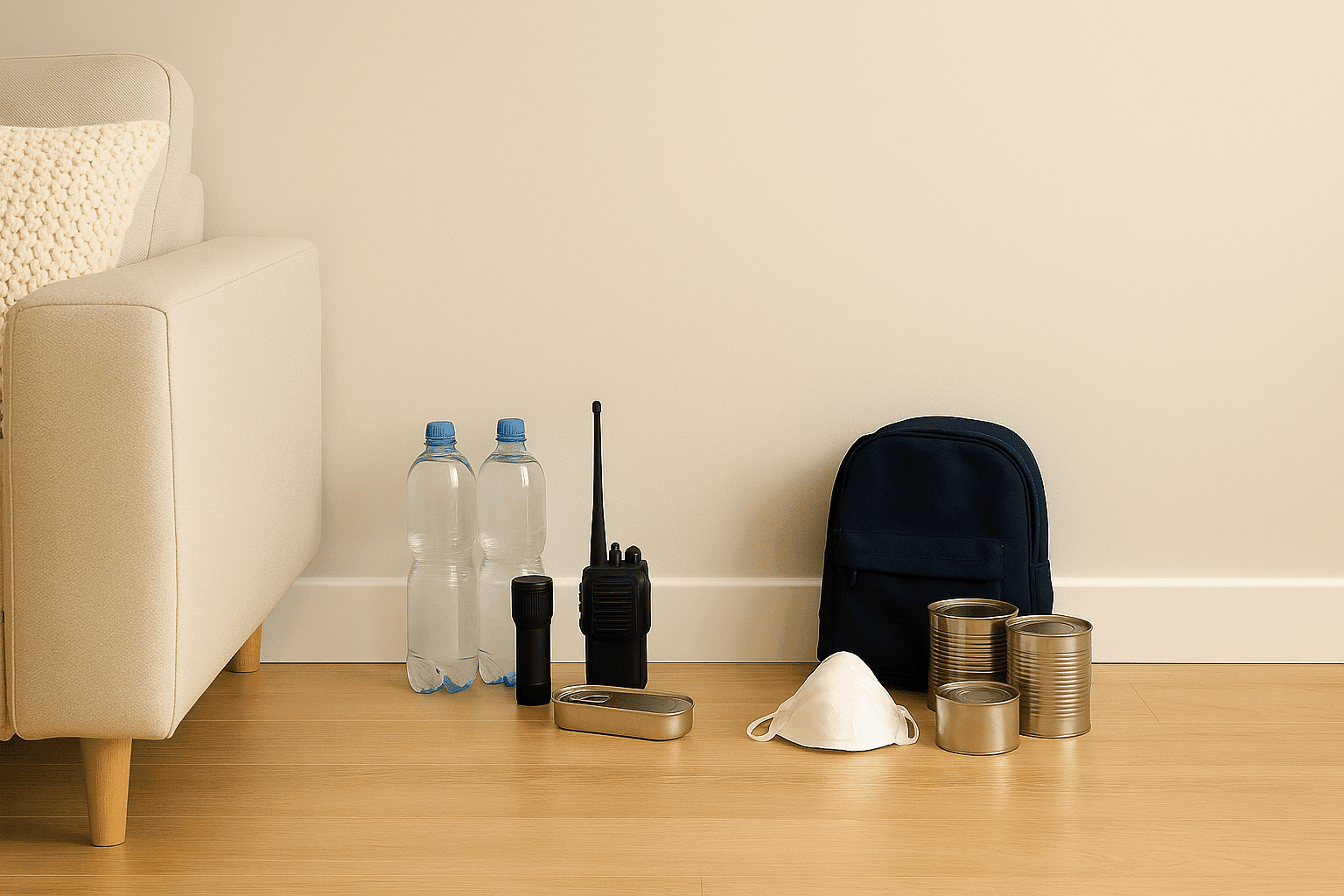
- Go-bag staging – Keep at least one fully loaded backpack by the door for a quick evacuation.
⚡ Power & Light in an Apartment
Unlike rural homes, apartments are heavily dependent on grid power. When it fails, you need backup energy that doesn’t rely on noisy generators (which most landlords ban anyway).
- ✅ USB power banks for phones and flashlights.
- ✅ Rechargeable lanterns for whole-room lighting.
- ✅ Small folding solar panel to recharge batteries during extended outages.
If you’re trying to keep phones, radios, and power banks alive during outages, our guide on choosing the right solar generator size can help you avoid expensive mistakes.
Choosing the right lighting matters more in apartments where noise and visibility can attract attention. Here are the best emergency lights for power outages.
A long-term outage changes apartment living fast. Our guide on two-week blackout preparedness explains what typically fails first and how to stay ahead of shortages.
👉 See top-rated portable solar panels here

🛡 Apartment-Specific Security Gear
Apartments bring another issue: security. You’re not just protecting supplies from disaster — but from neighbors who may panic.
- ✅ Portable door braces – Keep intruders from kicking in your entryway.
- ✅ Window security film – Prevents glass from shattering easily.
- ✅ Compact motion alarms – Battery-powered, loud, and easy to stash.
Social behavior changes rapidly during prolonged outages. Read how neighborhoods and cities change during extended blackouts.
🔑 Key Takeaway
Gear prepping in an apartment is about quality over quantity. Choose multi-use tools, compact lighting and power options, and gear you can store vertically or in hidden spaces. Add a touch of security gear, and you’ve got a solid setup without cluttering your entire home.
🏙 Apartment-Specific Prepping Hacks
Living in an apartment doesn’t have to limit your ability to prep. In fact, it can force you to get creative — and that creativity often results in smarter, more efficient setups than someone with endless space. The goal isn’t just to stash supplies, but to do it without tripping over them every day.
✅ Use Every Inch of Space
- Furniture with storage – Choose ottomans, benches, and coffee tables that double as hidden containers.
- Bed risers – Lift your bed frame to create more room for under-bed bins.
- Wall-mounted shelves – Take advantage of vertical real estate that would otherwise sit empty.
- Behind-the-door organizers – Shoe racks and hanging pockets are perfect for medical supplies, tools, and snack bars.
👉 Check out under-bed storage bins here
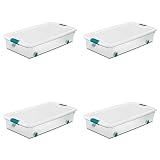
✅ Vacuum-Seal & Compact Bulk Items
Bulky blankets, clothing, and spare bedding eat up precious space. Use vacuum-seal bags to shrink them down to a fraction of their size. This frees up closets and gives you more room for actual survival supplies.
✅ Create a Prepping Map of Your Apartment
Knowing where your supplies are is as important as having them.
- Label bins and totes clearly.
- Keep an inventory list in your phone or printed and taped inside a closet.
- Make sure your go-bag is staged near your exit door.
This way, you won’t waste time tearing apart your living room in a crisis.
✅ Noise & Light Discipline
During blackouts, apartments become fishbowls. Neighbors notice the one lit-up window or the sound of your stove. That makes you a target.
- Use blackout curtains to hide light.
- Stick with low-output lanterns instead of blasting a room with LEDs.
- Keep earplugs handy if outside noise becomes overwhelming.
✅ Don’t Forget Security
Space is limited, but even a few compact additions can make your apartment safer:
- Portable door braces stop forced entry.
- A fire extinguisher is vital in units where escape routes are shared.
- Consider a safe or lockbox for critical documents, cash, and small valuables.
🔑 Key Takeaway
Prepping in an apartment isn’t about hoarding — it’s about being strategic, stealthy, and space-efficient. By using hidden storage, compact gear, blackout strategies, and security upgrades, you can transform even the smallest apartment into a stronghold that keeps you safe when things go wrong.
Your apartment can be a stronghold if you prep it right. Combine smart storage tactics, urban blackout readiness, and a mapped-out bug-out route to stay safe, mobile, and in control when the city turns chaotic.
🏢 What Happens to Apartments During a Long-Term Blackout?
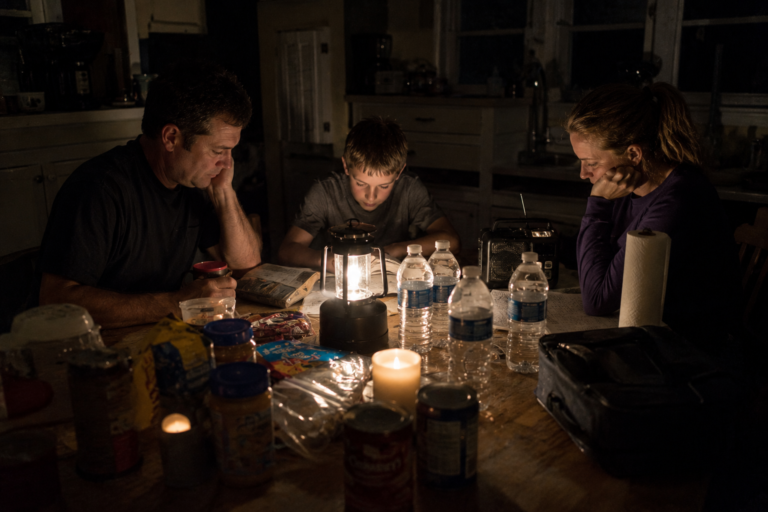
Most apartment buildings are completely dependent on electricity. When the grid goes down for more than a few hours, daily life starts breaking down fast — especially in large cities and high-rise buildings.
At first, most people assume the power will return quickly. Phones still work. Refrigerators stay cold. Elevators stop, but residents treat it like a temporary inconvenience.
Then the problems begin stacking up.
Within the first 24 hours:
- Elevators remain offline
- Hallways and stairwells become dark
- Refrigerated food starts warming
- Apartment temperatures begin rising or falling dangerously
- Battery banks and phones start draining
After several days, pressure inside apartment systems increases dramatically:
- Neighbors begin panic buying
- Water pressure may weaken in taller buildings
- Trash piles up
- Cooking odors spread through hallways
- Noise complaints and tension increase
- Residents begin searching for supplies
High-rise apartments become especially difficult during long-term outages because everything depends on powered systems — elevators, pumps, lighting, ventilation, security access, and refrigeration.
That’s why apartment preppers need layered backup systems for:
- Lighting
- Water storage
- Communication
- Food preservation
- Portable power
- Emergency cooking
If you want to understand how fast conditions deteriorate after infrastructure failures, read:
⚡ Real-World Apartment Survival Scenarios
Prepping isn’t theory — it’s about preparing for the real situations that city dwellers face every year. Here are four apartment-specific crises that show why food, water, and gear storage matter.
🔌 Blackout for 48 Hours
The power cuts out across your city. Elevators stall, the heat or AC goes dead, and after dark your building turns into a cave.
- Your prep advantage: Rechargeable lanterns and headlamps keep your apartment lit safely, while power banks and a folding solar panel keep phones running for updates. A small camping stove lets you cook meals when the microwave and stove are useless.
🚱 Water Main Break
A construction accident or frozen pipe knocks out water to your building. Suddenly, faucets run dry and the grocery store shelves empty within hours.
- Your prep advantage: You’ve got stackable jugs tucked in your closet, a collapsible container under your sink, and a personal water filter that turns questionable water into safe drinking supply. While neighbors line up at fire hydrants, you stay hydrated at home.
🌫 Wildfire Smoke or Chemical Spill
Air quality plummets overnight. The city issues a shelter-in-place order: stay inside, close your windows, and avoid breathing the outside air.
- Your prep advantage: Plastic sheeting and duct tape seal windows. An N95 mask protects you if you must step outside. Your stash of water and shelf-stable food means you don’t need to risk going out.
🦠 Pandemic Lockdown
Authorities lock down your building for days or weeks due to health emergencies. Grocery runs are limited or even prohibited.
- Your prep advantage: Your food rotation system ensures you’ve got weeks of meals on hand. Entertainment backups (cards, books, downloads) keep morale high. Basic medical supplies, disinfectants, and gloves mean you’re not scrambling for essentials.
🔑 Key Takeaway
Each of these crises has played out in major cities in just the past few years. The difference between panic and peace of mind comes down to preparation. With smart storage, compact gear, and layered strategies, your apartment can carry you safely through short-term emergencies — and even buy you time in longer ones.
Apartment prepping is one layer of a full urban survival guide designed for city residents facing blackouts, shortages, and unrest.
❓ Apartment Prepping FAQ
How much food should apartment preppers store?
Start with at least 72 hours of food, then build toward two weeks or more. Focus on compact, shelf-stable foods that provide high calories without taking up excessive space.
Where should you store emergency water in an apartment?
Under beds, inside closets, behind furniture, and in stackable containers are some of the best apartment water storage options.
Can you prep in a small apartment?
Yes. Apartment prepping focuses on efficient storage, multi-use gear, and layered emergency systems instead of massive stockpiles.
What is the biggest risk during a long-term apartment blackout?
Loss of water pressure, refrigeration failure, communication issues, heat buildup, and security concerns are some of the biggest problems apartment residents face during prolonged outages.
Preparing for blackouts in a small space? See our recommended apartment preparedness gear here.
🔑 Final Thoughts
Prepping in an apartment doesn’t look like the bunker-style setups you see on TV. You’re not stacking 55-gallon drums in a garage or lining a basement with freeze-dried meals. Instead, you’re playing a smarter game — one built on space efficiency, compact gear, and layered strategies.
By focusing on the basics — food, water, power, and security — and storing them in creative ways, you can make even the smallest apartment disaster-ready. Under-bed bins, closet organizers, and multi-use gear let you stay supplied without turning your home into a cluttered storage unit. And when emergencies hit — whether it’s a blackout, a broken water main, or a city-wide lockdown — those supplies mean you don’t have to join the panicked rush to empty shelves.
Apartment preparedness is ultimately about resilience under constraints. You may not have a basement full of supplies or a large backup generator, but layered systems, compact storage, and realistic planning still put you far ahead of the average household during a crisis.
The real takeaway? You don’t need a homestead to be prepared. What you need is a clear plan, compact storage methods, and steady rotation of essentials. Start with 72 hours’ worth of supplies, then build toward a week or even a month. Each step puts you ahead of the curve — and makes your apartment a safer, more resilient place to live.
👉 Ready to go deeper? Check out our guides on: