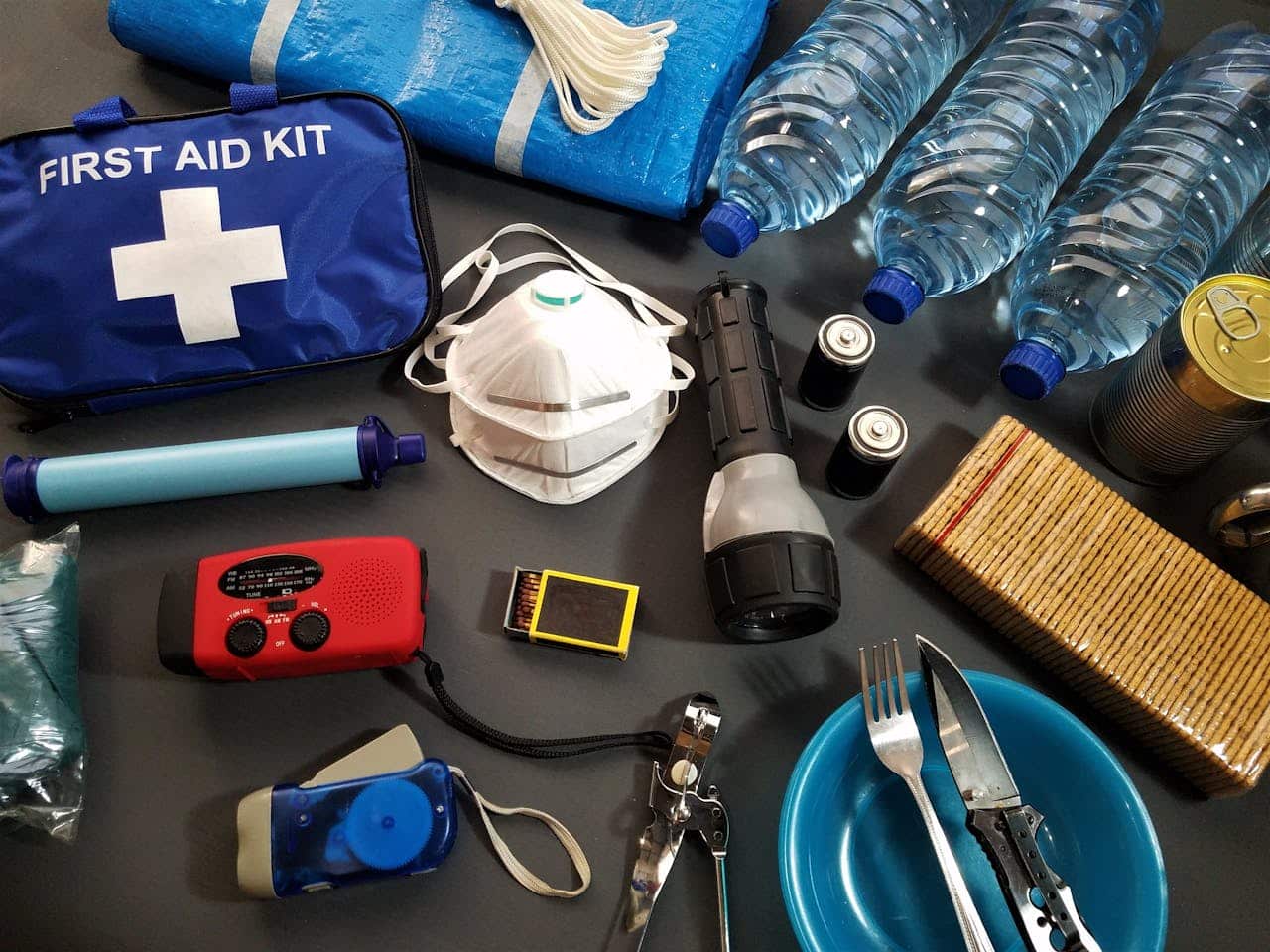
Emergency Preparedness Master Plan 2026: The Complete Survival Framework
A structured emergency preparedness plan is no longer optional in 2026. Power grids are strained, supply chains remain fragile, extreme weather events are increasing, and regional disruptions are lasting longer than expected. The households that stay stable during crises are not the ones with the most gear — they are the ones with a structured plan.
This post contains affiliate links. I may earn a small commission at no extra cost to you. Learn more.
If you want a simplified starting point, see our full Emergency Preparedness Guide that organizes these systems in the correct order.
This master framework walks you through every layer of modern preparedness: the critical 72-hour response window, shelter-in-place systems, grid-down power strategy, evacuation planning, medical resilience, and long-term stability. Whether you’re preparing for short-term outages or prolonged infrastructure failure, this guide gives you a structured, layered approach that works in real-world conditions.
Preparedness is not panic. It’s planning ahead so disruption doesn’t control you.
Quick Answer
A complete emergency preparedness plan should be built in layers. Begin with enough supplies and mobility for the first 72 hours, then strengthen your water, food, sanitation, backup power, medical, communication and evacuation systems. Each layer should support the others so your household can remain stable even when several services fail simultaneously.
1️⃣ Immediate Response: The First 72 Hours Decide Everything
Every disaster has a tipping point. It’s not when the storm hits or when the power flickers out. It’s what happens in the first 72 hours after impact. That window determines whether your household stabilizes or spirals.
During this phase, emergency services are overwhelmed, stores empty within hours, gas stations shut down, and cell networks degrade under traffic. Information becomes inconsistent. Rumors spread faster than verified updates. Most people are not defeated by the disaster itself — they are defeated by the confusion that follows.
Your objective in the first 72 hours is not long-term survival. It is stabilization. You are buying time, preserving resources, and preventing mistakes. If you win the first three days, you gain leverage. If you lose them, every decision afterward becomes harder.
The 72-Hour Mobility Principle
Most households prepare as if they will remain at home. But early-stage emergencies are fluid. Wildfires shift direction. Floodwaters rise faster than forecasted. Structural damage forces relocation. Civil unrest spreads unpredictably. You may need to leave quickly, shelter temporarily in a vehicle, or relocate to a secondary location.
Mobility equals options. Options equal control.
That is why your foundation begins with a structured 72-hour deployment system. Not a random backpack assembled after an alert. A staged, ready-to-move kit that removes friction when seconds matter.
For a complete build list and gear breakdown, see our full 72-hour bag guide that walks through exactly what should be staged and why.
The principle behind this system is not gear accumulation — it is hesitation elimination. If you can leave in under a minute without digging through closets or debating what to bring, you preserve clarity and momentum. If you are scrambling under stress, you are already behind.
A proper 72-hour system covers water, calories, light, medical basics, weather protection, and critical documents. It does not depend on cooking, refrigeration, or outside assistance. It gives you operational independence during the most chaotic phase of a crisis.
Even with a solid plan, movement fails without coordination — here’s how to communicate when the grid goes down when systems break down under pressure.
Water: The First System to Become Fragile
Municipal water systems depend on powered pumping stations. When electricity fails long enough, pressure drops. When pressure drops, contamination risk rises. Boil advisories are common after storms and infrastructure damage.
In the first 72 hours, assume this: tap water may not remain safe.
Stored water inside your home buys time. Purification redundancy extends that time. Without water planning, your home stops functioning quickly. Drinking, sanitation, hygiene, medical cleaning, and cooking all depend on it.
Three days without food is difficult but survivable. Three days without water becomes dangerous. Water planning is not optional. It is foundational.
Light Restores Order
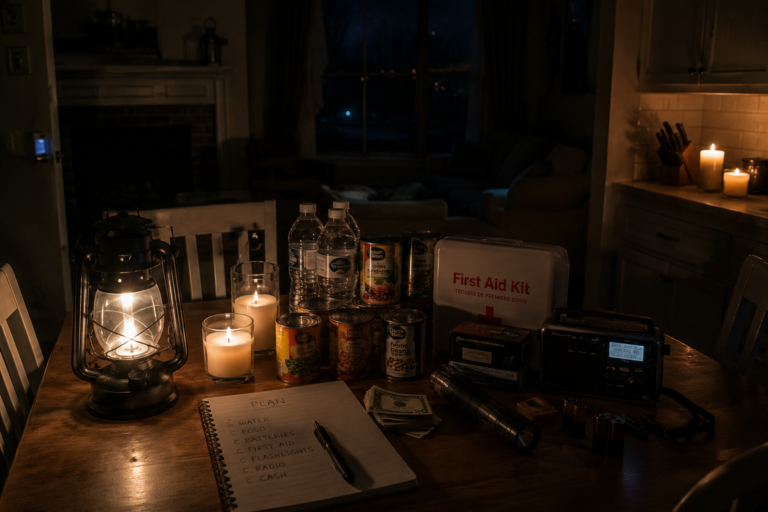
Darkness changes behavior. Accidents increase. Anxiety rises. Improvised candle use creates fire hazards inside already unstable environments. A layered lighting plan restores structure.
If you need a breakdown of the most reliable options, review our guide to emergency lights for power outages before relying on candles or improvised solutions.
You need personal lighting that keeps your hands free, room-level illumination that maintains normal activity, and area lighting that restores environmental awareness. When your home remains functional while the surrounding area is dark, stress drops dramatically.
Light is not just visibility. It is psychological control.
For backup electricity planning, see our guide explaining how large a solar generator you need during a blackout.
Information Is Strategic Advantage
Modern households depend almost entirely on smartphones for updates. But cell towers overload. Internet speeds degrade. Batteries drain quickly. When digital systems struggle, misinformation spreads aggressively.
A self-powered emergency radio provides stable access to weather alerts, evacuation orders, and verified updates.
When cell networks fail completely, you need backup methods — here’s how to communicate when the grid goes down using reliable systems.
Our detailed guide to choosing a reliable solar emergency radio explains which models perform best when cell service fails.
Acting on outdated information can put you in unnecessary danger. Acting on rumors can escalate risk. During the first 72 hours, reliable information reduces bad decisions. And bad decisions are what compound disasters.
Assume It Lasts Longer Than You Want
Most people prepare for three days but mentally expect power restoration within 24 hours. That expectation causes resource waste. Batteries are burned too quickly. Refrigerators are opened repeatedly. Fuel is consumed carelessly. Generators are overused.
Instead, operate as if the outage could extend to two weeks.
We outline that pacing strategy in our full two-week power outage survival plan, including fuel, food, and battery management timelines.
If services return early, you are ahead. If they do not, your pacing is already disciplined. Preparedness is not about fear — it is about conservative resource management. Winning the first 72 hours means thinking beyond them.
Psychological Stability Compounds
The early phase of any crisis produces noise — literal and informational. Sirens, alerts, constant news checking, conflicting reports. Stress compounds quickly, especially in households without structure.
Stability must be intentional. Establish check-in routines. Assign responsibilities. Conserve power deliberately. Limit constant news exposure. Protect sleep cycles. Structure reduces anxiety, and reduced anxiety improves judgment.
Chaos outside does not require chaos inside.
Preparedness gives you something most people lack during disruption: composure. And composure compounds into better decisions, better pacing, and better outcomes.
First 72-Hour Priorities
- Confirm whether staying home remains safe.
- Protect and conserve available drinking water.
- Keep refrigerators and freezers closed.
- Charge phones and conserve backup batteries.
- Monitor reliable emergency information.
- Prepare to leave before roads become congested.
2️⃣ Shelter-in-Place Strategy: Turning Your Home Into a Survival System
Most emergencies do not require evacuation.
They require endurance.
Winter ice storms. Regional blackouts. Hurricanes that stall. Supply chain interruptions. Civil unrest that makes travel unsafe. Municipal water advisories. Fuel shortages.
In these scenarios, your home becomes your operating base.
If it is not prepared as a system, it becomes a liability.
If it is prepared correctly, it becomes leverage.
Shelter-in-place survival is not about stacking random supplies in a closet. It is about building overlapping systems that allow your household to function without immediate outside support.
That means controlling water, calories, temperature, sanitation, and energy consumption with discipline.
Let’s build those layers correctly.
Water Security: The Foundation of Home Stability
Water is the first system that becomes fragile during extended disruption.
Municipal systems rely on electricity for pumping and pressure. When power fails long enough, pressure drops. When pressure drops, contamination risk rises. Flooding and infrastructure damage further increase the chance of boil advisories.
Even if water continues to flow, that does not mean it remains safe.
Your baseline target should be at least one gallon per person per day. A serious preparedness buffer is 7 to 14 days stored inside the home.
Our complete long-term water storage guide breaks down container types, rotation schedules, and safe storage practices.
Water is not only for drinking. It is required for cooking, hygiene, sanitation, medical cleaning, and pet care. Without stored water, your home stops functioning in a matter of days.
But storage is only phase one.
Eventually, stored water runs out. That is why purification redundancy must exist inside your shelter-in-place strategy.
A layered system is explained in detail inside our water purification guide, where we cover gravity filters, chemical backups, and boil strategies.
A layered approach should include a gravity-fed system for daily use, portable filtration backup, chemical purification as emergency redundancy, and boiling capability if fuel is available.
Water is not a single purchase. It is an ecosystem. And when built properly, it removes one of the biggest stress multipliers in any crisis.
If you need a comparison of the most reliable methods, see our breakdown of the
top water purification methods for survival.
Pantry Planning: Calories Equal Calm
Food insecurity escalates anxiety rapidly. Grocery stores can empty within hours of a major announcement. Delivery systems stall. Refrigeration may fail during extended outages.
A structured pantry prevents panic.
The goal is not variety. The goal is caloric continuity.
Each adult requires roughly 2,000 calories per day in a low-activity scenario, and more if physical labor increases. That means a two-week household buffer adds up quickly.
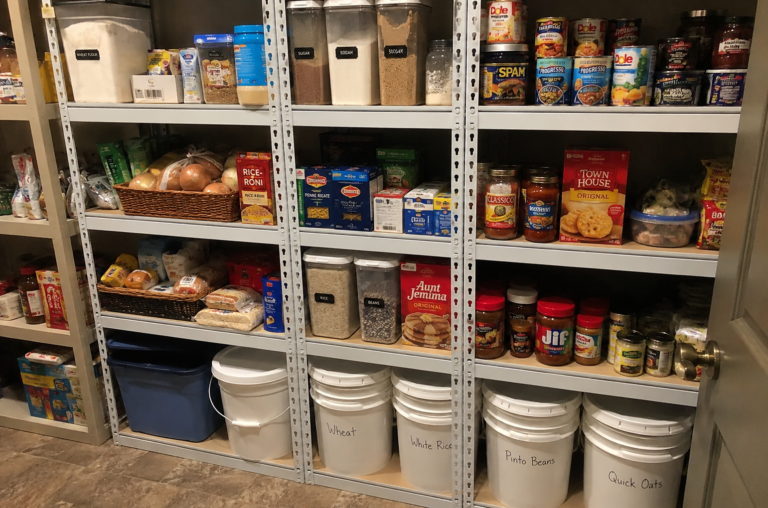
Your pantry should be anchored in shelf-stable, calorie-dense staples: rice, beans, lentils, oats, canned proteins, nut butters, shelf-stable fats, and long-term storage foods. Protein and fat are particularly important for maintaining strength and stabilizing energy levels.
Snack foods and random canned goods do not create a survival pantry. They create short-term convenience.
A real preparedness pantry is rotational. It is organized. It is tracked. It is built intentionally.
Food is not just sustenance. It is morale. When meals remain predictable, stress decreases.
Temperature Control: Surviving the Extremes
Electricity regulates modern homes. When it disappears, interior temperature becomes unstable quickly.
Summer blackouts are often underestimated. Indoor heat rises steadily in sealed structures, especially in regions with high humidity. Heat exhaustion progresses quietly and becomes dangerous before many people recognize the signs. Our guide on how to stay cool without power outlines passive cooling strategies and emergency heat mitigation tactics for summer outages.
Passive cooling strategies matter. Reflective window barriers, cross-ventilation planning, insulated curtains, shaded exterior spaces, and battery-powered fans all contribute to temperature control. Hydration alone will not prevent heat-related illness if ambient temperature continues to climb.
Winter grid failures are even less forgiving. Homes lose heat rapidly without forced-air systems or electric heating support. Improvised heating methods are responsible for numerous secondary injuries and fatalities every year. Our complete guide to emergency heat without electricity explains safe indoor heating options and carbon monoxide prevention.
Indoor-safe propane heaters, battery-backed carbon monoxide detectors, proper ventilation, layered clothing systems, and cold-weather sleep gear are non-negotiable components of a winter shelter-in-place plan.
Temperature mismanagement escalates quickly. Planning prevents that escalation.
Sanitation: The Layer Most People Ignore
Few households think about sanitation until it fails.
If water pressure drops or sewer systems back up, toilets may not function normally. Waste accumulation becomes both a hygiene issue and a disease risk.
A shelter-in-place strategy should include a backup sanitation plan: heavy-duty trash liners, a bucket or portable toilet solution, sanitation chemicals, bleach for disinfecting, and hand hygiene supplies.
Disease spreads faster than storms.
Cleanliness is stability.
Energy Discipline Inside the Home
Shelter-in-place does not mean unlimited power consumption. In fact, this phase demands stricter energy discipline than evacuation.
You must reduce unnecessary draw. That means minimizing refrigeration openings, consolidating lighting use, charging devices strategically, and managing battery reserves carefully.
This section connects directly into the broader grid-down power strategy that follows. But at the shelter-in-place level, the mindset shift is simple:
Conserve first. Expand later.
Your goal is not comfort optimization. It is sustainability.
Shelter-in-Place Is Structured Endurance
Most disruptions will not require dramatic survival tactics. They will require discipline, pacing, and system management.
If your water is stored and filtered.
If your pantry is structured.
If your heating and cooling plans are layered.
If sanitation is planned.
If energy use is controlled.
You are not reacting.
You are operating.
And operating inside disruption is what preparedness actually means.
3️⃣ Grid-Down Power Strategy: Building Energy Independence
Short outages are inconvenient.
Extended outages change how you live.
When the grid fails for more than a few hours, modern life compresses fast. Refrigeration becomes fragile. Medical devices become vulnerable. Communication systems degrade. Heating and cooling collapse. Food storage shrinks. Security systems go offline.
Power is not comfort.
Power is infrastructure.
If you do not have a layered power plan, every other preparedness system becomes weaker.
This section connects directly into your larger energy architecture.
For a deeper dive into system design, review the full grid-down survival power guide that explains layered backup planning.
Let’s build this correctly.
The Tiered Power Model
Most households think about backup power in a single dimension:
“I’ll buy a generator.”
That mindset creates failure points.
A serious grid-down strategy uses tiers.
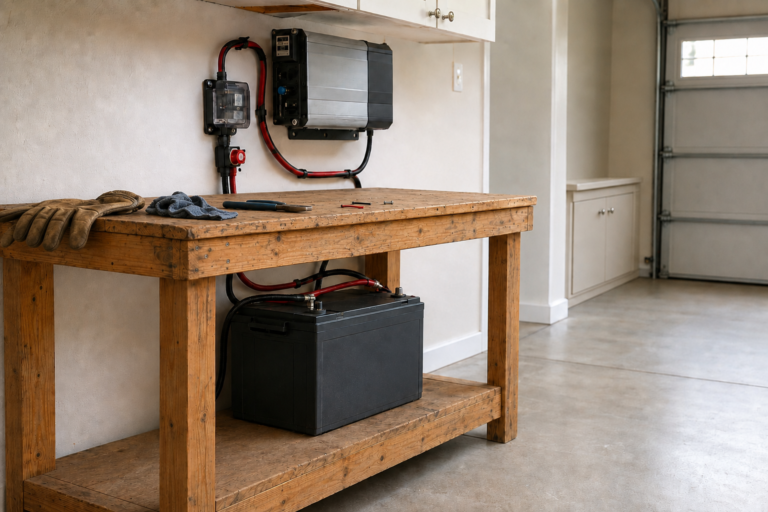
Tier 1: Portable Battery Systems
Tier 2: Fuel-Based Generation
Tier 3: Renewable Recharging
Each tier solves a different problem.
Tier 1: Portable Power Stations (Immediate Stability)
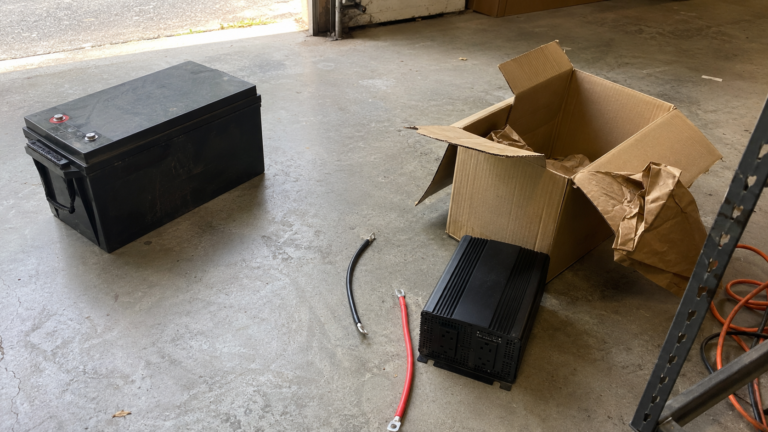
Battery power stations are the cleanest and simplest first layer. They provide instant electricity without noise, fumes, or fuel logistics.
They are ideal for:
- Charging phones
- Running CPAP machines
- Powering routers
- Running small appliances
- Maintaining lighting
- Supporting medical devices
Their limitation is capacity. Once drained, they require recharging.
Battery systems buy time. They are not infinite solutions.
This is where most unprepared households fail — they buy a small battery system and assume that solves long-term grid failure. It does not.
Battery equals buffer, not independence.
Tier 2: Generator Infrastructure (Controlled Fuel Burn)
Generators remain one of the most reliable mid-term solutions for grid failure.
If you’re comparing models, our breakdown of the best survival generators covers inverter performance, dual-fuel options, and runtime expectations.
But buying a generator without planning fuel logistics, maintenance, and load management is irresponsible.
A generator plan must include:
- Inverter-based models for sensitive electronics
- Fuel rotation schedule
- Safe outdoor operation space
- Extension management or transfer switch integration
- Runtime calculations based on watt draw
Most households dramatically underestimate how quickly fuel burns under load.
Running a refrigerator, freezer, sump pump, and space heater simultaneously is not sustainable long term. Load management is essential.
Generators provide controlled power expansion.
But they are limited by stored fuel.
Fuel runs out.
Noise attracts attention.
Maintenance matters.
This is why generators are not the final layer.
Tier 3: Solar Integration (Extending the Timeline)
Solar does not replace generators.
Solar extends them.
We explain this hybrid setup in our full solar generator hybrid guide, including how to extend fuel reserves with renewable charging.
When paired with battery systems, solar panels recharge during daylight hours, reducing fuel consumption dramatically.
In a hybrid model:
Solar handles daily recharge.
Battery buffers load spikes.
Generator fills gaps during poor weather.
This layered approach reduces noise, lowers fuel dependence, and extends operational capability.
In a true grid-down scenario, longevity matters more than raw output.
Solar is longevity.
Layered Backup Power
- Battery power stations provide quiet, immediate electricity for small essential loads.
- Fuel generators support larger appliances but depend on safe operation and stored fuel.
- Solar panels recharge batteries and reduce generator runtime during extended outages.
No single backup-power source handles every situation. The strongest system combines batteries, a properly sized generator and renewable recharging.
Load Prioritization: Power What Matters
Preparedness is not about powering everything.
It is about powering what is critical.
During extended outages, you must prioritize:
- Refrigeration (intermittently)
- Medical devices
- Communication equipment
- Lighting
- Water pumps (if applicable)
Comfort appliances become secondary.
A disciplined power plan rotates loads rather than running everything simultaneously. Refrigerators can be cycled. Freezers retain cold longer than people assume if unopened. Charging can be consolidated during generator runtime.
Energy management equals endurance.
Winter power outages are one of the most dangerous emergencies a household can face. When temperatures drop below freezing and the grid fails, homes lose heat, water systems freeze, and everyday comforts disappear within hours. Without preparation, a simple blackout can quickly turn into a life-threatening situation.
Fuel Logistics and Storage Discipline
Fuel is perishable.
Gasoline degrades without stabilizer. Propane is more stable but requires safe storage. Diesel has its own maintenance considerations.
Your generator cluster strategy must include:
- Proper storage containers
- Rotation schedule
- Stabilization additives
- Safe storage location away from ignition sources
Fuel scarcity is common during regional disasters. Gas stations lose power. Delivery systems stall. Panic buying escalates shortages.
Stored fuel equals independence.
But stored fuel without rotation equals failure.
Medical Dependency and Critical Loads
Power planning becomes non-negotiable when medical devices are involved.
CPAP machines, oxygen concentrators, refrigerated medications — these devices cannot wait for grid restoration. Our detailed CPAP backup power guide explains battery sizing, runtime expectations, and safe generator integration for medical stability.
Households with medical dependency must build redundancy into Tier 1 battery systems and Tier 2 generator layers. Solar integration provides extended resilience.
This is not optional planning.
It is life-sustaining infrastructure.
Security and Environmental Awareness
When neighborhoods lose power, visibility drops. Alarm systems may fail. Outdoor lighting disappears.
A power strategy should include minimal security lighting and communication continuity. Even small solar motion lights can create deterrence in low-power environments.
Preparedness is not only about survival — it is about maintaining order.
The Hybrid Advantage
In 2026 and beyond, the most stable solution is hybrid power architecture.
Not generator-only.
Not solar-only.
Not battery-only.
Layered systems.
A household running exclusively on a generator will burn through fuel quickly. A household relying only on solar without sufficient storage may fail during poor weather. A battery-only home without recharge capability is operating on borrowed time.
Hybrid reduces weaknesses.
Hybrid extends duration.
Hybrid creates control.
Power Is the Multiplier System
Water systems often rely on pumps.
Heating may rely on circulation.
Communication requires charging.
Medical stability requires electricity.
Power amplifies every other preparedness layer.
Without it, systems shrink.
With it, options expand.
That is why this section sits at the center of your preparedness architecture.
4️⃣ Evacuation & Mobility: Moving Before It’s Too Late
Most disasters don’t require evacuation.
But the ones that do give very little warning.
Wildfires jump containment lines.
Floodwaters rise faster than projections.
Chemical spills expand beyond initial zones.
Civil unrest spreads block by block.
The mistake people make is waiting for certainty.
Do Not Wait Until Every Route Is Crowded
A voluntary evacuation notice may be the last opportunity to leave with clear roads, available fuel and several destination options. If conditions are deteriorating and your household has a safe place to go, leaving early is usually safer than waiting for a mandatory order.
Evacuations are about timing — not panic.
If you leave too late, roads clog. Fuel disappears. Law enforcement locks down movement. Escape routes shrink.
Mobility is not about running into the woods.
It’s about structured relocation.
Most people plan to leave—but never choose where they’re going. Here’s how to choose the right destination before it’s too late: Best Bug Out Locations (Where to Go When Disaster Strikes)
Early Departure Wins
When officials announce a “voluntary evacuation,” most people wait. They want certainty. They want confirmation that leaving is necessary.
By the time evacuation becomes mandatory, traffic has already formed choke points. Gas stations are empty. Tension is higher. Movement becomes reactive instead of strategic.
The advantage always goes to those who leave early.
Leaving early means:
- Full fuel tank
- Clear roads
- More destination options
- Less stress
- Lower accident risk
Evacuation is not about dramatic escape. It is about timing discipline.
If conditions deteriorate, your goal is to move before the crowd.
The 72-Hour System Becomes Your Mobility Core
Your evacuation layer connects directly to your deployment kit. For a complete breakdown of what should be staged and ready, review our full 72-hour bag guide, including loadout priorities and weight management tips.
When you move, you are not relocating your entire household. You are relocating your critical infrastructure:
- Water
- Calories
- Documents
- Medical supplies
- Communication
- Clothing
- Defensive lighting
If you cannot operate independently for at least 72 hours away from home, your evacuation plan is incomplete.
Evacuation does not guarantee immediate shelter. Hotels fill quickly. Family members may be unavailable. Emergency shelters are crowded and unpredictable.
Mobility without self-sufficiency creates new problems.
Mobility with structure creates options.
Urban and Suburban Realities
Evacuating from rural land is one challenge.
Evacuating from a city is another.
Our detailed bug out from the city guide covers choke points, alternate routing, and urban exit timing strategies.
Urban evacuation obstacles include:
- Gridlocked highways
- Limited bridge crossings
- Fuel shortages
- Public transit shutdown
- Roadblocks or curfews
In dense areas, you must think in layers:
Primary route.
Secondary route.
Tertiary route.
Never depend on a single exit path.
Know which highways bottleneck. Know alternate backroads. Know which bridges become choke points. Pre-drive your alternate routes when possible.
Most people only know how to leave their neighborhood one way.
That is not a plan.
Vehicle Readiness Is Non-Negotiable
Your evacuation plan is only as reliable as your vehicle.
Maintain:
- Half tank minimum at all times (preferably full)
- Tire pressure
- Basic emergency kit
- Jumper cables or battery booster
- Fluids topped off
- Paper maps
Modern navigation depends on live data. When networks degrade, GPS routing becomes unreliable.
Old-school paper maps still work.
Preparedness does not assume perfect technology.
Wildfire, Flood, and Rapid Escalation Events
Some disasters escalate faster than others.
Wildfires shift direction with wind. Floodwaters rise overnight. Storm surges push inland quickly. Chemical plumes spread beyond projected boundaries.
Our wildfire evacuation planning guide walks through pre-stage checklists and departure timing decisions.
In these scenarios, waiting for official confirmation can cost time you don’t have.
Watch for early indicators:
- Sudden emergency alerts
- Rapid weather shifts
- Traffic volume spikes
- Smoke plume direction changes
- News helicopters circling
Situational awareness reduces reaction time.
Preparedness is proactive movement — not forced retreat.
Common Evacuation Mistakes
Evacuation failures are rarely caused by lack of gear.
They are caused by hesitation and overconfidence.
Avoid the most common errors outlined in our guide to evacuation mistakes people make during fast-moving emergencies.
Common errors include:
- Overpacking and wasting time
- Waiting for mandatory orders
- Ignoring early warning signs
- Failing to practice loading vehicles
- Assuming destinations will be available
The longer you wait, the fewer options you have.
Preparedness is about preserving optionality.
Shelter Destinations and Relocation Planning
A true evacuation plan includes a destination hierarchy.
Level 1: Local temporary relocation (friend or family)
Level 2: Regional relocation (hotel or extended stay)
Level 3: Rural fallback location
Level 4: Emergency shelter as last resort
Without a destination plan, evacuation becomes displacement.
Have contacts established in advance. Know hotel clusters outside your immediate metro region. Identify safer geographic zones relative to your most likely risks.
Mobility without a landing zone creates uncertainty.
Mobility with a target creates direction.
Pets, Family, and Special Considerations
Evacuation planning must include:
- Pet carriers and food
- Medication storage
- Elderly mobility considerations
- Children’s identification
- Special needs equipment
Disasters do not pause for logistics. If your plan doesn’t include every household member, it is incomplete.
Evacuation Is a Timing Decision
The difference between a smooth relocation and a dangerous evacuation is often measured in hours.
Leave when others are debating.
Fuel when others are waiting.
Load before others panic.
Mobility is not fear-driven.
It is timing-driven.
And in serious emergencies, timing becomes survival leverage.
5️⃣ Medical & Environmental Threats: The Silent Killers
When infrastructure fails, the most dangerous threats are not cinematic.
They are physiological.
Heat stress.
Cold exposure.
Dehydration.
Infection.
Respiratory dependency.
These are the risks that compound quietly while attention is focused elsewhere.
Preparedness means anticipating the human body’s limits — not just external threats.
Heat Exhaustion and Heat Stroke
Heat-related illness escalates in stages, and many people fail to recognize the early warning signs.
During summer blackouts, indoor temperatures can climb steadily without obvious alarm. High humidity prevents proper evaporative cooling. Hydration alone does not solve the problem if environmental heat remains high.
We break down symptoms and prevention in our full heat exhaustion survival guide.
Early symptoms include dizziness, fatigue, nausea, headache, and heavy sweating. If untreated, heat exhaustion can progress into heat stroke — a life-threatening condition marked by confusion, altered mental state, and cessation of sweating.
Children and elderly individuals are particularly vulnerable.
Your preparedness plan must include:
- Active cooling strategy
- Hydration reserves
- Electrolyte replacement
- Passive cooling systems
- Monitoring of high-risk individuals
Heat does not need to feel extreme to become dangerous.
Prolonged exposure compounds risk quietly.
Cold Exposure and Frostbite
Cold environments are less forgiving than heat.
When interior heating fails in winter, home temperatures drop quickly. Wet clothing, poor insulation, and wind exposure accelerate heat loss.
For detailed treatment and prevention steps, see our frostbite survival guide.
Frostbite begins with numbness and pale skin. Hypothermia progresses from shivering and confusion to slowed breathing and unconsciousness.
Cold injury can develop inside homes that lack adequate insulation or backup heating.
Your cold-weather preparedness should include:
- Layered clothing systems
- Insulated sleeping gear
- Indoor-safe backup heat
- Thermal blankets
- Weather sealing for windows and doors
Improvised heating methods are one of the leading causes of secondary deaths during winter outages. Carbon monoxide poisoning remains a major risk when generators or outdoor heaters are misused.
Cold is predictable. Planning prevents tragedy.
Medical Dependency: Power Equals Survival
Millions of households depend on electrically powered medical equipment.
CPAP machines.
Oxygen concentrators.
Refrigerated medications.
Mobility equipment.
When power fails, these devices do not pause.
Our CPAP backup power guide explains battery sizing and generator integration for medical stability.
If anyone in your household relies on medical infrastructure, redundancy is mandatory. Battery backup systems should be staged and fully charged. Generator support should be tested regularly. Solar integration extends resilience during prolonged outages.
Medical dependency transforms power planning from convenience to life-support.
Ignoring this layer is not an option.
First Aid Beyond the Basics
Most households own a basic first aid kit.
Few own a trauma-capable kit.
During disasters, injuries increase. Debris, broken glass, structural damage, and accidents become more common. Emergency response times lengthen when systems are overwhelmed.
A serious medical preparedness layer includes:
- Compression bandages
- Tourniquet
- Wound cleaning supplies
- Fever reducers
- Pain management
- Burn treatment
- Backup prescription medications
Preparedness does not require advanced medical training. But it does require the ability to stabilize until professional care is available.
Stabilization buys time.
Time buys survival.
Environmental Hazards and Secondary Risks
Disasters create secondary threats.
Floodwaters introduce contamination.
Standing water breeds insects.
Debris increases infection risk.
Smoke inhalation becomes a respiratory hazard during wildfires.
Awareness prevents escalation.
Respiratory masks, gloves, sanitation supplies, and cautious exposure management reduce long-term health impact.
Environmental hazards often outlast the primary event.
Preparedness means accounting for the aftermath — not just the headline moment.
Stress, Fatigue, and Decision Degradation
Medical preparedness also includes mental resilience.
Sleep disruption, stress, and prolonged uncertainty degrade judgment. Poor decisions often follow fatigue.
Structure protects cognition.
Maintain sleep cycles when possible. Establish routine. Rotate responsibilities inside your household. Avoid continuous exposure to alarming media.
A calm household makes better medical decisions.
And in crisis, clear thinking saves lives.
6️⃣ Collapse & Long-Term Stability: Operating Beyond the Crisis Window
Most emergencies resolve.
Power returns. Roads reopen. Supply chains stabilize.
But history shows that not all disruptions are short-lived.
Economic instability. Infrastructure strain. Regional blackouts. Civil unrest. Fuel shortages. Supply chain fragmentation. These events can stretch weeks or months.
Preparedness must account for the possibility that recovery is slow.
This section is not about paranoia.
It is about durability.
A structured disaster preparedness plan prevents chaos during infrastructure strain.
When Systems Don’t Rebound Quickly
In prolonged disruption, certain patterns emerge:
- Store shelves remain thin
- Fuel prices spike
- Utilities become unreliable
- Crime patterns shift
- Community tension increases
At this stage, preparedness shifts from short-term survival to operational stability.
You are no longer just riding out an outage.
You are managing a new normal.
Bartering and Practical Value
When supply chains weaken, utility becomes currency.
Cash still works — until it doesn’t.
Digital payments rely on infrastructure. Banking systems rely on stability. If those systems strain, trade shifts toward tangible value.
Our analysis of bartering and trade in a collapse explains which goods retain the most utility.
High-utility items tend to hold consistent value:
- Fuel
- Water filtration
- Medical supplies
- Batteries
- Shelf-stable food
- Tools
- Hygiene products
But bartering requires discretion and awareness. Advertising your resources openly creates risk.
Preparedness does not mean hoarding for leverage.
It means maintaining useful capacity.
In prolonged disruption, skills become as valuable as goods.
Repair skills. Mechanical knowledge. Medical knowledge. Food production.
Practical competence compounds.
Apartment and Urban Preparedness
Not everyone has acreage.
Many people live in apartments, condos, or dense suburban neighborhoods.
Preparedness in these environments requires adaptation.
Our apartment prepping guide shows how to build resilience without large storage space.
Constraints include:
- Limited storage space
- Shared infrastructure
- Noise sensitivity
- Security concerns
- Restricted fuel storage
That means focusing on:
- Compact water storage
- Quiet power systems
- Battery-heavy infrastructure
- Discreet supply organization
- Efficient space use
Urban preparedness is not about replicating rural homesteading.
It is about maximizing resilience within constraints.
Urban Survival Dynamics
Dense population zones create unique stress patterns during prolonged disruption.
Explore the broader framework in our full urban survival strategy guide.
In cities, you may see:
- Faster grocery depletion
- Increased competition for fuel
- Public transportation shutdown
- Infrastructure sabotage
- Higher tension between neighborhoods
Situational awareness becomes critical.
Urban preparedness includes:
- Understanding your immediate surroundings
- Building quiet redundancy
- Maintaining low-profile resource management
- Knowing safe zones and high-risk areas
Preparedness in dense areas is about adaptability.
Visibility invites risk.
Discipline preserves stability.
Community vs Isolation
In extended disruption, isolated households struggle more than connected ones.
You do not need to announce your preparations.
But you should understand your neighbors.
Who has medical training?
Who has mechanical skills?
Who owns tools?
Who may need assistance?
Community resilience strengthens individual resilience.
However, boundaries matter. Operational security matters. Discretion matters.
Preparedness is balance.
Long-Term Resource Cycling
If a disruption stretches beyond weeks, rotation becomes survival discipline.
Water must be cycled.
Fuel must be stabilized.
Food must be monitored.
Batteries must be maintained.
Preparedness is not static storage.
It is system maintenance.
This is where the master plan becomes lifestyle rather than emergency response.
You are not reacting to crisis.
You are operating with resilience built into daily life.
The Strategic Mindset Shift
Short-term preparedness asks:
“How do I survive this event?”
Long-term resilience asks:
“How do I remain stable if events stack?”
Grid strain plus supply disruption plus economic instability.
Compounded stress events are more common than single isolated disasters.
Your master plan protects against stacking.
And stacking is where unprepared households fail.
The Complete Emergency Preparedness Architecture
You now have a structured system:
Immediate 72-Hour Stabilization
↓
Shelter-in-Place Infrastructure
↓
Grid-Down Power Architecture
↓
Evacuation & Mobility Planning
↓
Medical & Environmental Protection
↓
Long-Term Stability & Community Resilience
Each layer reinforces the others.
Mobility connects to power.
Power supports medical stability.
Water supports shelter-in-place.
Evacuation connects to deployment systems.
Urban preparedness integrates discretion and discipline.
This is a framework.
This is not random gear accumulation. It is a layered emergency preparedness framework designed for real-world disruption.
If you haven’t built your system yet, start with the first layer. Strengthen your 72-hour foundation, then build outward. Preparedness compounds when it’s layered intentionally.
Free 17-Page Blackout Preparedness Planner
Identify weak points in your blackout plan and organize your water, food, fuel, medical supplies, communication strategy, backup power and evacuation preparations before an emergency begins.
Conclusion: Structure Over Panic
An emergency preparedness plan is not about collecting random supplies. It is about building layered systems that reinforce one another.
The first 72 hours determine stability. Shelter-in-place systems protect your home. Grid-down power preserves infrastructure. Evacuation planning protects mobility. Medical preparation prevents preventable loss. Long-term resilience ensures you can operate even when recovery is slow.
Preparedness is not about fear. It is about control.
When disruption hits, most people experience uncertainty. You experience structure. When others panic, you operate. When systems strain, you adapt.
The goal is not to live in survival mode. The goal is to build resilience so thoroughly that survival becomes structured — not desperate.
Preparedness is discipline. It is timing. It is leverage.
Build the systems now — so you are never forced to build them under pressure.
If you haven’t built your system yet, start with your 72-hour deployment kit. Strengthen that layer first, then expand outward.
Further Emergency Preparedness Guides
- Grid-Down Survival Power Guide
- Long-Term Water Storage Guide
- Emergency Heat Without Electricity
- How to Stay Cool Without Power
- Two-Week Power Outage Survival Plan
- Emergency Solar Radio Guide
- Best Emergency Lights for Power Outages
- Bartering in a Collapse