What to Stock Before a Long-Term Blackout
Most people think a long-term blackout is only about flashlights, bottled water, and maybe a generator sitting in the garage.
This post contains affiliate links. I may earn a small commission at no extra cost to you. Learn more.
But once the power stays off for longer than a few days, the problems begin stacking fast.
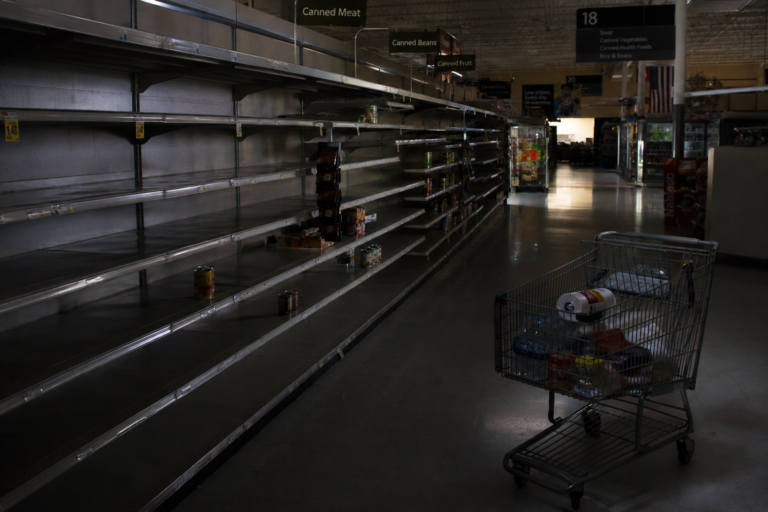
Fuel quickly becomes harder to find once panic buying starts, water pressure can begin failing as backup systems struggle, stores empty out almost immediately, communication systems become unreliable, and medical supplies disappear far faster than most households expect.
And small comfort items people never think about suddenly become major survival assets.
The biggest mistake households make is stocking random gear instead of building layered systems that actually work together during a grid failure.
If you have not already built your complete emergency framework, start with our Emergency Preparedness Plan 2026, which breaks down the critical systems most homes lose first during a disaster.
This guide focuses on the supplies, equipment, and overlooked essentials that matter most before a long-term blackout happens — not after shelves are empty.
This guide explains exactly what to stock before a long-term blackout so your household is not scrambling once stores empty, fuel disappears, and infrastructure systems begin failing.
Water Should Be Your First Priority — Not Food
Water problems escalate far faster than many people realize during a prolonged outage.
Even homes connected to city systems can lose pressure once backup generators fail, fuel deliveries stop, or water treatment facilities begin struggling.
And once boil advisories start, safe drinking water disappears quickly from stores.
That is why experienced preppers prioritize water before almost anything else.
While people can survive weeks with limited food, clean drinking water becomes critical almost immediately once normal infrastructure starts failing.
A proper blackout setup should include multiple layers of water security:
- Long-term stored drinking water
- Portable filtration systems
- Backup purification methods
- Emergency collection containers
- Water for sanitation and hygiene
If you have not already built a serious storage system, our Long-Term Water Storage Guide covers how much water you actually need and how to store it safely.

Portable filters become extremely valuable once stored water begins running low.


One mistake many people make is only storing drinking water while ignoring sanitation.
Toilets stop functioning normally once water pressure becomes unreliable, cleaning dishes becomes far more difficult without running water, and basic hygiene problems escalate much faster than most people expect during extended outages.
That is why blackout planning should also include:
- Unscented bleach
- Portable water containers
- Wet wipes
- Trash bags
- Portable toilet supplies
- Paper products
Once water systems become unreliable, nearly every part of daily life becomes harder, including cooking, sanitation, cleaning, hydration, and even basic hygiene routines.
Our guide on What Happens When Water Stops Running explains how quickly sanitation problems escalate during an extended emergency.
Food That Actually Works During a Blackout
One of the biggest preparedness mistakes people make is buying emergency food they never actually eat.
Long-term blackout food planning is not just about survival buckets or expensive freeze-dried meals.
It is about building realistic food systems that still work when refrigeration fails, stores are empty, and cooking options become limited.
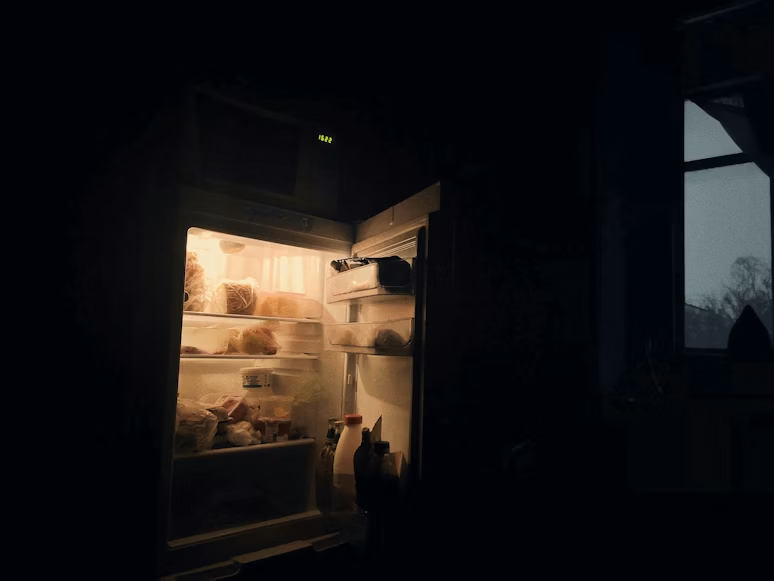
Most refrigerators become unsafe within hours during summer outages, freezers only buy limited time even when kept closed, and once food begins spoiling, households often burn through backup supplies much faster than expected.
Our How Long Food Lasts Without Power guide explains exactly how quickly refrigerated food becomes unsafe during a grid failure.
The best blackout food supplies usually share several traits:
- Long shelf life
- Minimal cooking requirements
- Low water usage
- High calorie density
- Easy storage
- Familiar ingredients your family already eats
Instead of relying entirely on specialty emergency meals, many experienced preppers focus heavily on shelf-stable grocery foods that can rotate naturally into normal life.
Rice, beans, oats, canned meats, peanut butter, pasta, canned vegetables, soups, and dry baking ingredients often become more useful than expensive survival gimmicks.

Protein is another major weakness in most blackout food plans.
People stock carbohydrates heavily because they are cheap and easy to store, but maintaining energy during stressful conditions requires more balanced nutrition.
Canned chicken, canned tuna, jerky, powdered eggs, shelf-stable milk, and protein-rich foods become extremely valuable once normal grocery access disappears.

Cooking also becomes a major problem during long outages.
Many households own food they physically cannot prepare without electricity.
Microwaves stop working immediately, electric stoves become useless during grid failures, and many households quickly realize they never seriously planned for cooking without electricity.
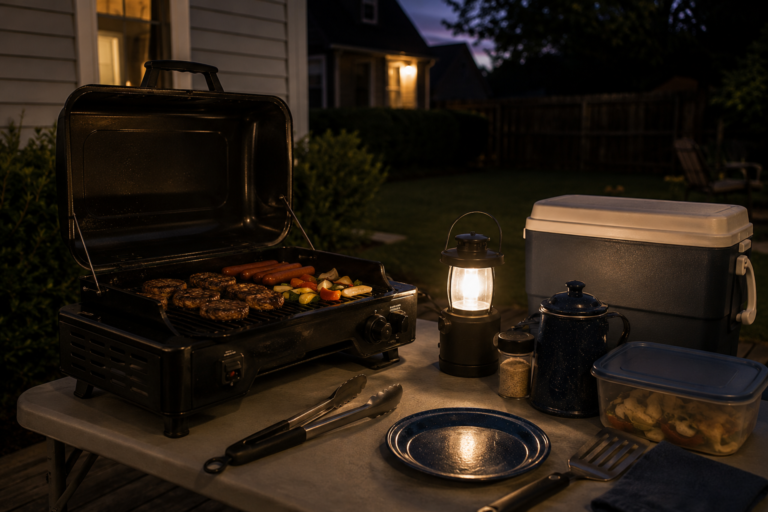
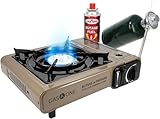
If you are building a serious blackout setup, you also need backup cooking systems that work safely outdoors or in ventilated areas.
Our How to Cook During a Power Outage guide covers practical ways to prepare food safely when the grid goes down.
Comfort foods matter far more than most people expect once outages stretch beyond a few days.
Morale drops fast once stress, heat, darkness, uncertainty, and repetitive meals begin wearing people down.
Coffee, powdered drink mixes, candy, spices, soup mixes, shelf-stable snacks, and familiar meals can make a major psychological difference during extended outages.
That may sound minor during normal life, but after two weeks without routines, refrigeration, reliable lighting, or normal comfort, those familiar foods and small morale boosters feel much more important psychologically.
Food storage should support both survival and stability.
Backup Power Becomes More Important Every Single Day
Most modern households depend on electricity for communication, medical devices, cooking, lighting, refrigeration, security systems, and dozens of other daily functions people rarely think about until the grid goes down.
Once the power stays off for more than a few days, small inconveniences start turning into major survival problems.
That is why backup power is no longer just a convenience item for storms.
It has become one of the most important preparedness systems a household can build.
The problem is that many people buy generators without understanding what they actually need to power.
Some generators are too small to handle critical appliances, some burn through fuel far too aggressively during extended outages, and others cannot safely power sensitive electronics without additional protection equipment.
And many households never test their equipment until the outage already begins.
Our Grid-Down Survival Power Guide breaks down how to build layered backup systems that work longer than a single weekend outage.

Fuel planning becomes just as important as the generator itself.
A powerful generator means very little if you only have enough fuel for two days.
And during widespread outages, gas stations may not even be operational.
Fuel deliveries can slow down quickly during large outages, card readers often fail once payment systems become unstable, gas station lines grow rapidly, and shortages develop fast once panic buying begins spreading through entire communities.
That is why many experienced households focus on fuel-efficient power strategies instead of trying to run their home normally.
Generators are often used in short scheduled windows to:
- Cool refrigerators and freezers
- Recharge batteries and power banks
- Run fans briefly during extreme heat
- Pump water if needed
- Recharge communication equipment
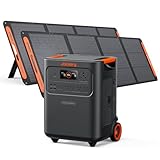
Battery banks and solar systems also become extremely valuable during long outages because they reduce fuel dependency.

Even small solar setups can keep phones, rechargeable lights, radios, fans, and medical devices running without constantly burning gasoline.
Lighting deserves more attention than many people give it.
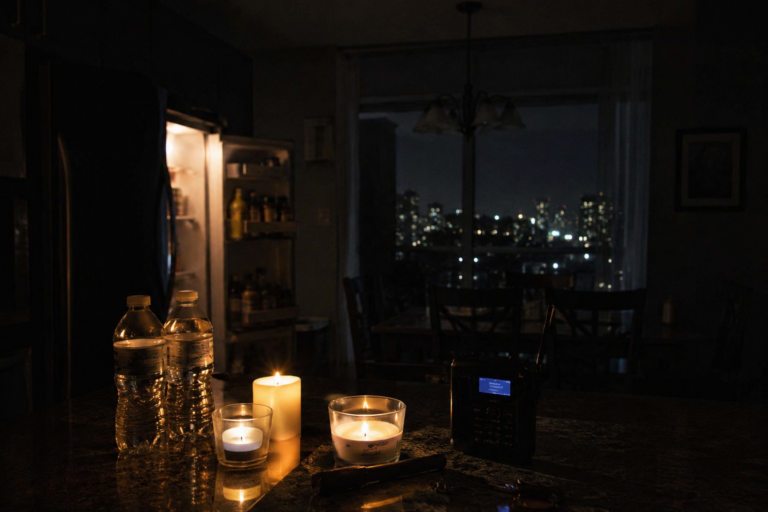
Darkness changes the entire psychological feel of a blackout because stress rises quickly, movement around the home becomes harder, and security concerns increase once neighborhoods lose reliable lighting for multiple nights in a row.
Injuries also become far more common once people begin navigating dark homes, using unfamiliar equipment, and operating without normal lighting for extended periods.
Most households still rely too heavily on flashlights alone.
Rechargeable lanterns, headlamps, battery-powered area lighting, and rechargeable work lights usually provide far better long-term usability.
Our Emergency Lighting Guide covers the lighting systems that work best during extended outages.

Power outages become far more dangerous once heat, cold, communication failures, and supply shortages begin overlapping.
The households that stay stable the longest are usually the ones that planned for layered power — not just a single generator sitting in the garage.
If you are still relying on grocery stores, gas stations, and cell towers staying operational during a prolonged outage, your preparedness plan still has major weak points.
Communication Supplies Become Critical Once Networks Start Failing
Many households assume their phones will continue working throughout a blackout, and during the early stages of an outage they often do.
But long-term outages place enormous pressure on communication infrastructure.
Cell towers rely heavily on backup batteries and generators, internet systems often begin failing region by region, and network congestion increases rapidly as entire communities attempt to communicate at the same time.
And eventually even fully charged phones become useless if the surrounding systems stop functioning.
Our Communication Failure Timeline Guide explains how quickly modern communication systems begin breaking down during large-scale outages.
This is why communication preparedness should never rely on a single device.
The households that stay informed longest usually build multiple layers of communication:
- Battery-powered emergency radios
- NOAA weather alerts
- Rechargeable power banks
- Walkie-talkies or GMRS radios
- Printed emergency contacts
- Offline maps and reference materials

Emergency radios become especially important once internet access becomes unreliable.
Official updates, severe weather alerts, evacuation information, and emergency instructions may only remain available through radio broadcasts.
Many people underestimate this because they have grown used to receiving all information through apps and social media.
But during major infrastructure failures, old-school communication systems often outlast modern digital networks.
Our How to Communicate When the Grid Goes Down guide breaks down the best communication layers for both short-term and extended emergencies.

Power banks become one of the most heavily used items during blackouts.
Phones quickly turn into critical tools for:
- Emergency alerts
- Family communication
- Navigation
- Flashlight use
- Medical information
- Weather tracking
But many households only own small battery packs capable of charging a phone once or twice.
During extended outages, larger battery systems and solar charging options become much more practical.

Printed information is another overlooked survival asset.
Most people now store nearly everything digitally, including phone numbers, addresses, maps, medical information, emergency contacts, and important account details, which becomes a serious vulnerability once batteries die or communication networks stop functioning reliably.
But once batteries die or networks fail, access to that information disappears instantly.
Simple printed backup materials can prevent major problems during a prolonged emergency.
This should include:
- Local maps
- Emergency contacts
- Medical information
- Important account numbers
- Preparedness checklists
- Family communication plans
Communication failures create confusion faster than most people expect.
Once reliable information disappears, confusion spreads quickly and people often begin making poor decisions under stress.
The better informed your household stays during a long-term blackout, the more stable your situation usually becomes.
Medical Supplies Disappear Faster Than Almost Anything Else
Most households are far less medically prepared than they think.
People usually keep only a few days of basic medication on hand.
Many first aid kits are incomplete.
And most families rely heavily on pharmacies, urgent care clinics, and fast emergency response systems that may not function normally during a prolonged blackout.
Once supply chains begin slowing down, medical shortages happen extremely fast.
Pharmacies may close unexpectedly during major outages, electronic prescription systems can fail, and refrigerated medications become increasingly difficult to protect once backup power systems start running low.
Emergency services become overwhelmed.
And basic injuries suddenly become much more serious once hospitals begin operating under crisis conditions.
That is one reason our First 72 Hours After a Disaster guide emphasizes stabilizing your household before outside help becomes unreliable.
Medical preparedness should focus on both trauma care and daily survival needs.
A serious blackout medical setup should include:
- Prescription medication backups
- First aid supplies
- Pain relievers
- Cold and flu medication
- Bandages and wound care
- Electrolyte replacement
- Hygiene supplies
- Medical reference information

One major problem during long-term outages is that small injuries become more common.
Dark environments increase falls and injuries, manual labor creates more cuts and strains, and extreme heat dramatically increases dehydration risks once normal infrastructure remains offline for days.
Food spoilage increases illness risks.
And stress itself weakens decision-making.
Even simple infections can become dangerous if normal healthcare access becomes limited.
That is why wound cleaning supplies, antibiotic ointments, gloves, gauze, and disinfectants matter far more than many people realize.
Households with medical dependencies need even deeper planning.
CPAP machines, refrigerated medications, mobility equipment, oxygen systems, and powered medical devices become major concerns during extended outages.
Many families do not realize how quickly these systems become vulnerable once backup power starts running low.
If your household depends on medical equipment requiring electricity, backup power planning becomes critical long before a blackout begins.
Our Two-Week Power Outage Preparedness Guide explains how quickly daily systems become difficult to maintain once outages stretch beyond a few days.
Hygiene also becomes a serious medical issue during prolonged blackouts.
People often focus heavily on food and generators while ignoring sanitation.
But poor hygiene conditions create illness rapidly once water shortages and trash accumulation begin.
Soap, bleach, feminine hygiene products, gloves, toothpaste, disinfecting wipes, toilet paper, and trash bags become extremely valuable during infrastructure failures.
These supplies may not feel important during everyday life, but once normal sanitation systems begin failing, they quickly become some of the most valuable items inside the home.
The households that stay healthiest during long-term emergencies are usually the ones that prepared for ordinary problems before they turned into serious ones.
Sanitation and Hygiene Supplies Become Survival Gear Faster Than Most People Expect
One of the fastest ways conditions deteriorate during a long-term blackout is through sanitation failure.
Food and generators dominate most preparedness conversations. While completely overlooking what happens once normal waste systems stop functioning properly.
Toilets become difficult to flush once water systems fail, trash begins piling up rapidly, and households often struggle to spare clean water for basic cleaning and sanitation needs.
Heat accelerates odors, bacteria growth, and sanitation problems quickly, while basic hygiene routines that normally feel automatic suddenly become much harder to maintain without reliable running water.
Once outages continue for multiple days, sanitation stops being just a comfort issue and becomes a serious health concern.
That is especially true during summer blackouts when heat and humidity rapidly increase bacteria growth and dehydration risks.
Our How Fast Society Changes During a Long-Term Power Outage guide explains how quickly normal living conditions begin deteriorating once infrastructure problems start stacking together.
Many households underestimate how much daily life depends on reliable sanitation systems.
Once garbage collection slows down or plumbing becomes unreliable, even simple tasks become harder.
That is why hygiene supplies should be treated like core preparedness equipment instead of last-minute extras.
Every blackout supply setup should include large quantities of:
- Trash bags
- Toilet paper
- Paper towels
- Disinfecting wipes
- Hand sanitizer
- Soap
- Bleach
- Heavy-duty gloves
Portable toilet systems become extremely useful during long-term emergencies.

Even simple bucket toilet setups can prevent major sanitation problems once plumbing becomes unreliable or water conservation becomes necessary.
Laundry also becomes harder much faster than people expect.
Clothing piles up quickly during hot weather outages.
Sweat, smoke, dirt, and physical labor all increase during emergencies.
Without reliable washing systems, extra clothing, socks, and basic cleaning supplies become far more important.
Clean socks alone can prevent major foot problems during stressful conditions.
That may sound minor until people start walking more, working harder, and living without climate control.
Personal hygiene also affects morale.
Stress compounds rapidly once people feel dirty, exhausted, overheated, and uncomfortable for days at a time.
Simple items like wet wipes, cooling towels, dry shampoo, and basic hygiene products can help maintain some sense of normalcy during difficult conditions.
One overlooked problem during extended blackouts is insect control.
Standing water, overflowing trash, spoiled food, humidity, and extreme summer heat can attract insects and pests far faster than most households expect once outages stretch beyond several days.
Mosquitoes, flies, and other pests become far more aggressive once sanitation conditions worsen.
That is why bug sprays, citronella candles, mosquito nets, and pest control supplies become surprisingly valuable during summer emergencies.
Our DIY Bug Repellent Guide covers simple ways to reduce insect problems during outdoor and blackout situations.
Most preparedness conversations focus on dramatic survival scenarios.
But long-term blackouts are often won or lost through ordinary daily systems.
Clean water.
Safe waste disposal.
Basic hygiene.
And preventing small problems from becoming serious ones.
Once sanitation, communication, and fuel systems begin failing at the same time, blackouts become far more than simple inconveniences.
Security Supplies Matter More Once Resources Become Scarce
Most neighborhoods stay relatively calm during short-term outages.
But the longer a blackout continues, the more stress begins building across entire communities.
Fuel shortages increase public frustration quickly, store shelves empty rapidly, electronic payment systems begin failing, and communication networks become increasingly unreliable as outages continue.
And people start realizing the outage may not end quickly.
That is when behavior begins changing.
Our What Happens When the Grid Goes Down guide explains how quickly normal systems begin breaking down once infrastructure failures overlap.
Security during a blackout is not just about defending your home.
It is about maintaining awareness, reducing vulnerabilities, and avoiding unnecessary attention.
One of the biggest mistakes households make is advertising exactly what they have.
Bright exterior lighting during a neighborhood blackout, loud generators running nonstop, and visible fuel storage can all attract unnecessary attention once communities become stressed and resources grow scarce.
Experienced preppers usually focus heavily on low-profile preparedness instead.
That includes:
- Quiet power solutions
- Light discipline at night
- Fuel storage kept out of sight
- Strong door and window security
- Battery-powered motion lighting
- Reliable communication with trusted neighbors
Lighting outside the home becomes extremely important during extended outages.
Dark properties become harder to monitor.
Movement around garages, sheds, and vehicles becomes riskier.
And injuries increase once people begin navigating without normal exterior lighting.
Motion-activated solar lights can help secure entry points without draining valuable generator fuel or batteries.
Situational awareness also becomes much more important once infrastructure problems begin affecting entire communities.
Most people spend normal life disconnected from what is happening around them.
But during blackouts, paying attention matters.
Fuel availability, road closures, severe weather developments, water advisories, and neighborhood activity can all change quickly during a major infrastructure failure.
This is another reason communication equipment becomes such a valuable preparedness layer.
Our Emergency Communication Systems Guide covers how to maintain reliable information flow once digital systems begin failing.
Home hardening also matters more than many people realize.
Most criminals and opportunists look for easy targets.
Visible cameras, reinforced locks, exterior lighting, trimmed landscaping, and occupied appearances can discourage many problems before they start.
One overlooked blackout security problem is simple exhaustion.
People often sleep far worse once outages continue for several days because heat increases stress levels, unfamiliar noises become more noticeable, and constant uncertainty wears people down mentally over time.
That fatigue affects judgment.
Good preparedness is often less about fear and more about reducing unnecessary pressure during already difficult conditions.
The more stable your household remains, the easier it becomes to avoid panic decisions that create bigger problems later.
Tools and Everyday Utility Items Become Extremely Valuable During Long-Term Outages
One thing many people discover during extended blackouts is how dependent modern life has become on convenience systems.
Simple everyday tasks suddenly require far more manual effort once electricity disappears.
Opening food, repairing damaged equipment, cooking meals, cleaning debris, and making temporary repairs all require far more manual effort once electricity disappears for extended periods.
Everything becomes harder without the tools to handle problems yourself.
That is why practical utility gear often becomes more valuable during real emergencies than flashy survival gadgets.
The households that adapt best are usually the ones equipped to solve small problems quickly before they grow into larger ones.
Our 100 Forgotten Survival Skills guide covers many of the practical skills modern households rarely practice anymore.
A proper blackout tool setup should focus on reliability, versatility, and manual operation.
Battery-powered tools are useful, but outages lasting weeks require backup hand tools as well.
Some of the most valuable blackout tools include:
- Manual can openers
- Multi-tools
- Headlamps
- Hatchets and small axes
- Work gloves
- Duct tape
- Zip ties
- Heavy-duty extension cords
- Basic repair kits

Manual food preparation tools become surprisingly important.
Many kitchens rely heavily on powered appliances without realizing it.
Electric can openers, coffee makers, microwaves, blenders, food processors, and many other common kitchen appliances become completely useless once the grid remains down for extended periods.
Simple manual replacements often end up being far more dependable during emergencies.
Lighting tools deserve special attention.
Flashlights alone are usually not enough once outages continue for multiple days.
Headlamps become much more practical because they keep both hands free while cooking, repairing equipment, moving supplies, or navigating dark areas.
Many experienced preppers consider headlamps one of the most useful blackout items they own.

Repair supplies also become extremely valuable once stores stop operating normally.
Small failures that normally feel minor suddenly matter much more during an infrastructure crisis.
Broken water containers, damaged extension cords, leaking tarps, loose generator fittings, and small equipment failures become far more serious once stores stop operating normally and replacement supplies become difficult to find.
Duct tape, sealants, paracord, tarps, spare batteries, and repair kits can solve dozens of problems once stores, supply chains, and replacement parts become harder to access.
Fuel transfer tools are another overlooked necessity.
Funnels, siphon pumps, stabilizers, and safe fuel containers become far more useful once gas stations stop functioning normally.
Improper fuel handling becomes dangerous quickly during stressful conditions.
Our Gasoline Storage Guide covers safer ways to store and manage emergency fuel supplies before shortages happen.
Simple comfort and convenience items also matter more than people expect.
Extra batteries, books, decks of cards, portable chargers, battery-powered fans, and other small comfort items often become far more valuable psychologically once families spend days or weeks living without normal routines.
These things may not sound critical during normal life.
Once families spend days or weeks living without reliable power, even small quality-of-life improvements can make a major psychological difference.
Preparedness is not only about surviving the blackout.
It is about staying functional long enough to think clearly, adapt, and recover.
What Most People Forget to Stock Until It Is Too Late
One of the biggest patterns seen during every major emergency is that the first items to disappear are often not the things people expect.
Everyone rushes toward bottled water, batteries, and toilet paper.
But once shelves start emptying, many households realize they forgot dozens of small daily essentials they rely on constantly.
And during a long-term blackout, replacing those items may become difficult or impossible for weeks.
This is why experienced preparedness planning focuses heavily on reducing dependency — not just stockpiling random supplies.
The goal is to identify the items your household uses constantly before stores stop operating normally.
Many of the most overlooked blackout supplies include:
- Manual can openers
- Lighters and matches
- Prescription glasses
- Pet food and pet medications
- Baby supplies
- Coffee and caffeine products
- Feminine hygiene products
- Extra socks and underwear
- Charging cables
- Basic over-the-counter medications
People also underestimate how quickly simple household consumables disappear during emergencies.
Trash bags, dish soap, laundry detergent, paper plates, bleach, propane cylinders, and other basic household consumables disappear surprisingly fast once supply chains begin slowing down.
These are not exciting preparedness purchases.
But they become extremely valuable once supply chains slow down and stores are stripped down to empty shelves.
Our What Runs Out First in a Blackout guide breaks down the supplies people scramble for once outages stretch beyond a few days.
Cash is another commonly overlooked preparedness layer.
Many modern payment systems rely entirely on electricity and internet connectivity.
Card readers often fail during major outages, ATMs can stop functioning entirely, and banks may temporarily close or restrict services once infrastructure problems spread across larger regions.
And even stores that remain open may only accept cash.
Small bills become especially important because businesses often struggle to make change during emergencies.
Seasonal supplies matter too.
Summer blackouts create entirely different problems than winter outages.
Summer heat waves dramatically increase dehydration risks, cooling becomes extremely difficult without reliable power, and food spoils far faster once refrigeration systems fail.
And sleeping conditions become miserable without airflow.
Battery-powered fans, cooling towels, electrolyte mixes, and shade systems become critical during extreme heat emergencies.

Winter outages create a different set of dangers entirely.
Blankets, cold-weather clothing, safe indoor heating plans, insulated sleeping systems, and carbon monoxide safety become much more important once temperatures drop.
Preparedness is not about buying the most gear.
It is about identifying weak points before a crisis exposes them for you.
The households that handle long-term outages best are usually not the ones with the biggest stockpile.
They are the ones that planned realistically for how daily life actually changes once the grid stays down.
Build Systems — Not Just Stockpiles
One of the biggest mistakes people make when preparing for a long-term blackout is treating preparedness like a shopping list instead of a complete survival system.
Buying random supplies without a plan usually creates gaps that only become obvious once the outage actually begins.
Some households stock large amounts of food but completely overlook water purification, while others invest heavily in generators without storing enough fuel to run them for more than a few days.
Some prepare for cold weather but ignore sanitation.
And many people still rely too heavily on stores, internet access, and fragile infrastructure without realizing how quickly those systems can fail together.
Long-term blackout preparedness works best when every system supports the others.
Your food plan should connect to your cooking setup.
Your power system should support communication and medical needs.
Your water storage should include purification backups.
Your security planning should support staying low-profile instead of creating attention.
That layered approach is what separates short-term convenience from real preparedness.
If you want to build a full framework instead of piecing everything together randomly, start with our Emergency Preparedness Hub, which connects all of the major blackout and disaster preparedness systems together.
The reality is that most long-term blackouts are not Hollywood-style survival situations.
They are usually slow-moving infrastructure failures that gradually wear people down physically, mentally, emotionally, and financially as shortages, heat, uncertainty, and exhaustion continue building over time.
The households that adapt best are usually the ones that prepared early while shelves were still full and systems were still functioning normally.
You do not need to build everything overnight.
Most people cannot.
The earlier you begin preparing, the easier it becomes to build reliable systems before shortages and panic buying begin.
Even small improvements compound over time.
An extra case of water, a better food rotation system, additional fuel storage, safer lighting, and backup communication equipment may seem like small upgrades now, but every additional layer improves resilience once outages begin stretching beyond a few days.
Once infrastructure problems begin spreading across entire communities, resilience matters far more than panic buying ever will.
The biggest advantage prepared households gain during a long-term blackout is not just extra supplies, but the additional time and flexibility those supplies create before conditions become more dangerous.
Because once a long-term blackout begins, the opportunity to prepare is usually already over.
⚡ Free Blackout Preparedness Planner
Not sure where your blackout plan is weak? Download the FREE 17-page planner and organize your water, food, fuel, medical supplies, communication plan, and evacuation strategy.
Final Thoughts
Most people assume they will have time to prepare once a major blackout begins.
History keeps proving otherwise.
Store shelves often empty within hours, fuel becomes increasingly difficult to find, and communication systems grow more unreliable as outages spread across larger areas.
And basic daily routines people normally never think about suddenly become difficult.
The biggest advantage you can give yourself is preparing before shortages begin.
You do not need a bunker.
You do not need to panic-buy thousands of dollars in gear overnight.
But you do need a realistic plan.
Water, food, backup power, communication systems, medical supplies, sanitation planning, and household security are the systems that usually determine whether a family stays stable during a prolonged outage or begins struggling within only a few days.
The reality is that long-term blackouts are rarely just about darkness.
Long-term blackouts quickly turn into supply chain problems, communication failures, sanitation issues, financial stress, and dangerous heat or cold exposure depending on the season and location.
The households that handle them best are usually the ones that prepared steadily over time instead of waiting for a crisis to force decisions on them.
Even small preparedness upgrades can make a major difference during long-term emergencies, whether that means storing additional water, improving your backup cooking setup, adding communication equipment, or strengthening your household power system.
Real preparedness is not about fear or panic-buying. It is about reducing chaos, improving stability, and giving your household more options once normal systems begin failing.
And once a long-term blackout begins, the supplies you already have are usually the supplies you will be relying on.
If you want to continue building your full preparedness system, visit our Emergency Preparedness Plan 2026 and start strengthening the systems most households overlook until it is too late.

RELATED GUIDES: