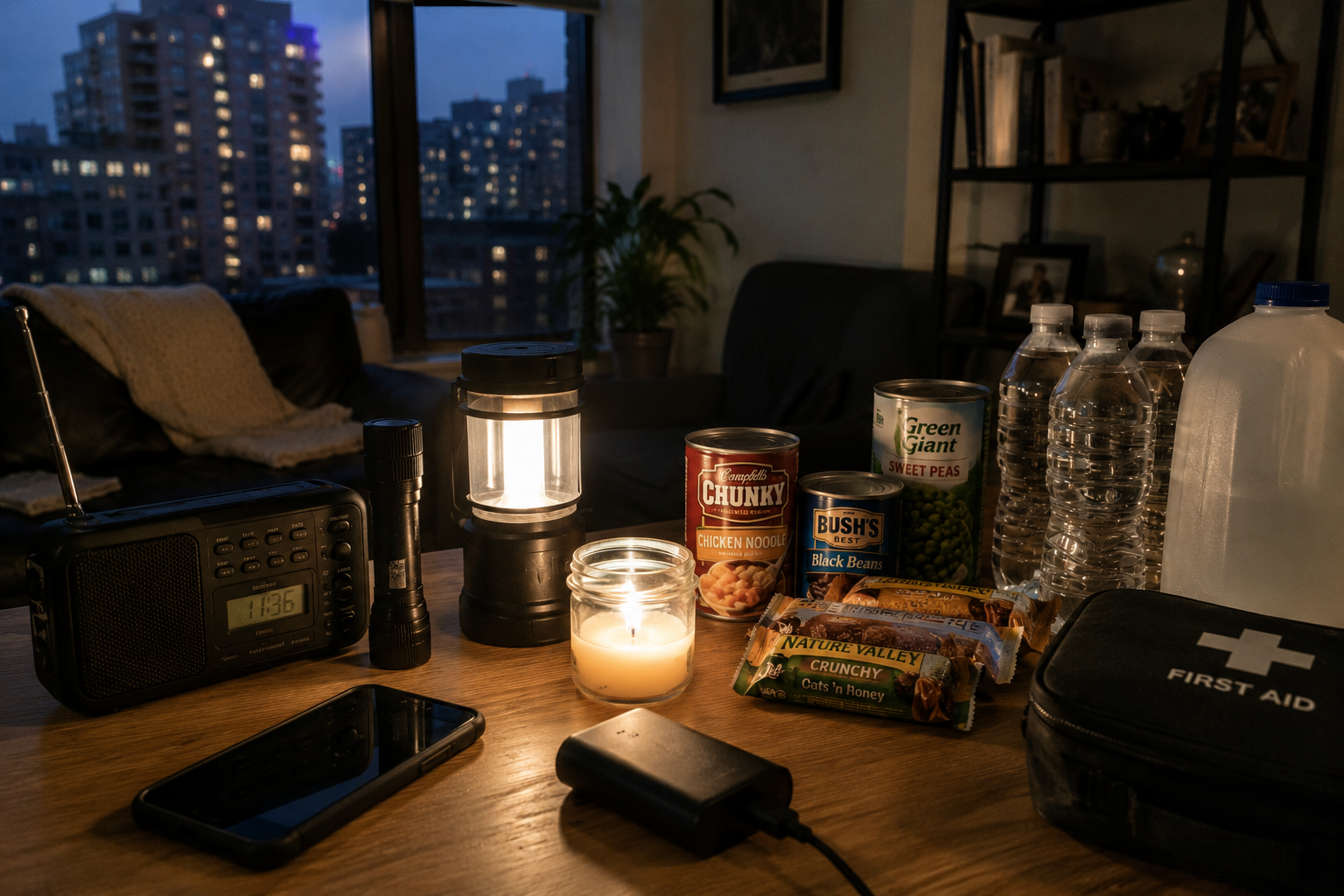
Apartment Blackout Survival: How to Live Without Power in a Small Space
Apartment blackout survival becomes much harder once modern apartment buildings lose reliable power for more than a few hours. Elevators stop working. Water pressure weakens. Hallways go dark. Refrigerators warm up. Cell networks overload. And inside crowded apartment buildings, those problems compound fast once hundreds of residents begin relying on the same failing infrastructure at the exact same time.
This post contains affiliate links. I may earn a small commission at no extra cost to you. Learn more.
Apartment emergencies unfold differently than disasters in suburban homes or rural properties. Limited storage space, shared infrastructure, restricted ventilation, crowded populations, elevators, electronic access systems, and heavy dependence on utilities all create unique problems once the power goes out for more than a few hours. Most apartment residents assume outages will remain short-term inconveniences until they suddenly discover how fast modern apartment living becomes difficult once electricity, water pressure, communication systems, and normal services begin failing together.
One of the biggest misconceptions people have about apartment survival is believing they need massive stockpiles of gear to prepare properly. In reality, apartment preparedness is usually less about quantity and more about efficiency, redundancy, and realistic planning. Small spaces force people to think carefully about water storage, backup cooking, lighting, sanitation, food rotation, ventilation, security, communication, and power management because every item inside the apartment must serve a practical purpose.
Dense apartment buildings are also far more vulnerable to cascading utility failures than many renters realize. Elevators stop functioning. Water pressure weakens on upper floors. Electronic entry systems fail. Hallways become dark. Shared systems begin straining simultaneously once backup power runs low or maintenance crews become overwhelmed.
This creates a very different survival environment than many preparedness guides discuss.
Most renters cannot realistically rely on large fuel storage, full-size generators, oversized food reserves, or outdoor cooking setups the same way suburban homeowners sometimes can. Space limitations, lease restrictions, fire codes, noise concerns, and close neighbors all force preparedness planning to become more compact and carefully layered.
At the same time, apartment living does offer several overlooked advantages during emergencies. Smaller living spaces are easier to heat and cool. Less square footage requires less lighting. Compact spaces are often easier to secure. Urban areas may restore utilities faster depending on the disaster. And households that prepare intelligently inside small apartments can often remain surprisingly stable during outages that leave unprepared neighbors struggling almost immediately.
The biggest problem is that most apartment residents never seriously test how dependent daily life is on uninterrupted electricity. Cooking, charging devices, refrigeration, internet access, water pumping systems, elevators, HVAC systems, electronic payments, communication, and even basic building access all quietly depend on stable infrastructure functioning continuously in the background.
As utility failures continue past the first several hours, those dependencies become impossible to ignore.
That is exactly why apartment preparedness works best when households focus on layered systems instead of random survival gadgets. Reliable lighting, stored water, shelf-stable food, backup cooking methods, communication redundancy, battery management, sanitation planning, and realistic evacuation options all become increasingly important once apartment infrastructure begins straining during larger emergencies.
If you are still building your overall preparedness foundation, our Emergency Preparedness Plan 2026 breaks down the core systems most households depend on without realizing how fragile they become during extended outages.
Apartment blackouts also become much easier to understand once you recognize how quickly infrastructure failures compound together. Elevators fail, communication slows down, water systems weaken, refrigeration becomes unreliable, and supply shortages spread much faster than most people expect. That broader escalation pattern is exactly what we covered in First 72 Hours After a Disaster and What Happens When the Grid Goes Down, because apartment residents often experience these disruptions faster and more intensely than households with larger backup systems already in place.
In this guide, we are going to break down how to survive a long-term blackout inside an apartment realistically, including water storage, backup cooking, sanitation, communication, food management, lighting, safety, security, and the biggest mistakes that leave apartment residents vulnerable once normal infrastructure stops functioning.

1. Water Becomes a Bigger Problem in Apartments Much Faster Than Most People Expect
One of the first realities apartment residents face during extended blackouts is how quickly water systems become unreliable once electricity and infrastructure begin failing together. Most people assume water will continue flowing normally as long as pipes remain intact, but apartment buildings often depend heavily on electrically powered pumping systems, pressure regulation equipment, and municipal infrastructure that can become unstable during widespread outages.
This becomes especially noticeable in multi-story buildings where upper floors rely on boosted water pressure to move water upward consistently. Once backup systems fail or municipal pressure begins dropping, residents on higher floors are often among the first to notice weak water flow, inconsistent pressure, or complete loss of access altogether.
Many people living in multi-unit buildings also underestimate how fast water demand increases during emergencies.
Drinking water is only part of the problem. Water is needed for sanitation, hand washing, toilet flushing, basic cleaning, food preparation, hydration during hot weather, and maintaining minimal hygiene inside crowded living conditions. During prolonged utility failures, even small water disruptions quickly create major stress inside compact apartments where storage space is already limited.
Another issue is that apartment residents usually have far fewer backup options once water problems begin developing. Homeowners may have access to outdoor storage, rain collection systems, larger reserve containers, pools, or nearby backup sources. People living in multi-unit buildings often depend almost entirely on whatever water is already inside the unit when the outage begins.
That is why apartment preparedness depends heavily on storing water before emergencies ever happen.
The good news is that effective apartment water storage does not necessarily require huge amounts of space. Compact stackable containers, under-bed storage, collapsible water reserves, bathtub emergency storage systems, and layered filtration methods allow even small apartments to maintain far more water capability than most people realize.
Many prepared households in small spaces also focus on redundancy instead of relying entirely on bottled water. Stored reserve water matters, but so do portable filtration systems, purification methods, refill capability, and realistic conservation planning as blackouts continue into multiple days.
Water shortages inside apartments also create sanitation problems extremely quickly because toilets, sinks, showers, and waste management all become harder to maintain once pressure systems weaken. In larger apartment complexes, this problem compounds rapidly because hundreds of residents may suddenly be competing for limited functioning infrastructure simultaneously.
If you are building a more dependable apartment water system, our Long-Term Water Storage Guide for Emergencies breaks down realistic storage goals, purification systems, container options, and the biggest mistakes households make when planning for extended outages.
Understanding how quickly apartment water systems can deteriorate also becomes much easier once you recognize how infrastructure failures spread during blackouts. Limited pressure, sanitation strain, contamination risks, and supply shortages often begin compounding together within the first several days of a crisis. We covered those escalation patterns in detail inside When Water Stops Running: What Happens in the First 72 Hours, because losing reliable water access changes daily life far faster than most apartment residents expect.
Water also tends to disappear from stores almost immediately once communities begin panic buying during outages. Households in dense urban buildings that wait until shortages become visible often discover bottled water, filtration systems, and storage containers already stripped from local shelves. That broader supply chain pattern is exactly why water consistently ranks among the first critical shortages covered in What Runs Out First in a Blackout.
Inside an apartment, losing reliable water access affects almost every other survival system at the same time. Hydration, sanitation, food preparation, hygiene, morale, and even the ability to remain inside the apartment comfortably all become significantly harder once clean water stops flowing consistently.
2. Small Apartments Become Extremely Difficult to Live In Once Power Fails
Most apartment residents do not fully realize how dependent daily life is on electricity until the power has been gone for several hours and normal routines begin breaking down one system at a time. In a house, outages are disruptive. Inside an apartment, especially in dense urban environments, prolonged blackouts can quickly make even basic living conditions uncomfortable, stressful, and difficult to manage.
Lighting is usually the first issue people notice.
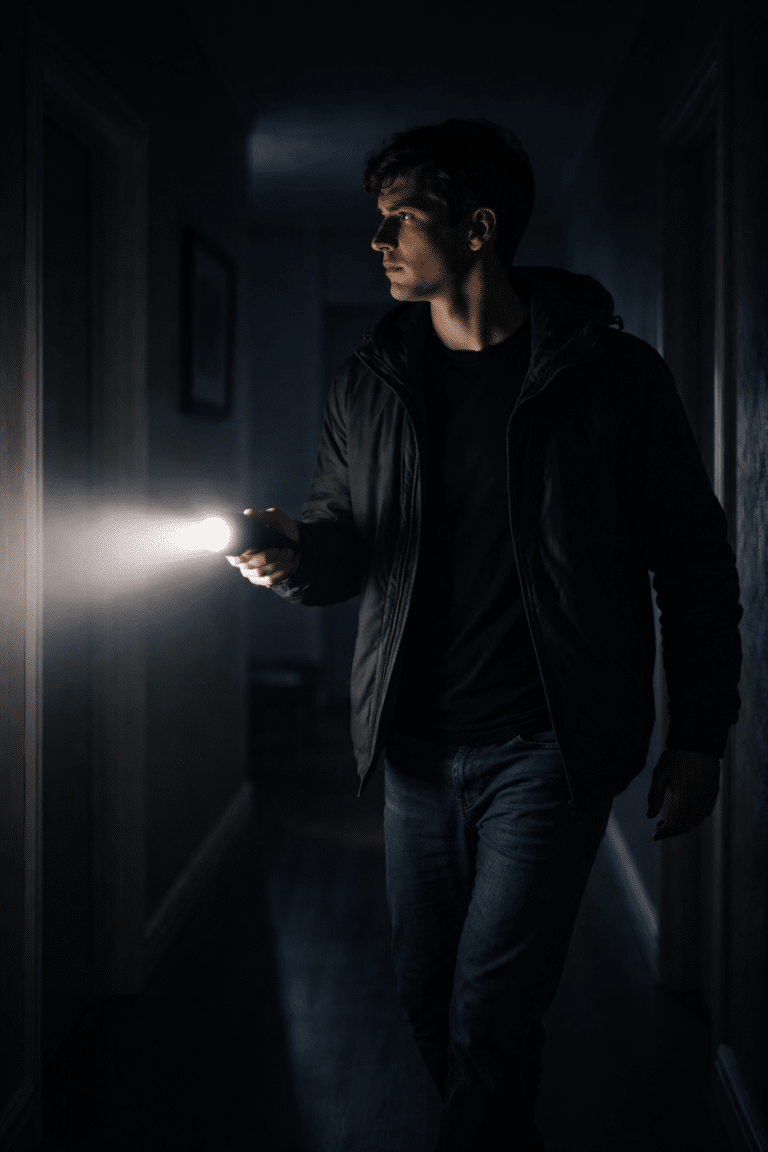
Once darkness settles in, small apartments immediately begin feeling more confined and less secure. Hallways become dark. Stairwells feel unsafe. Parking lots lose visibility. Electronic entry systems may stop functioning correctly. Elevators shut down. Families with children often experience stress levels rising rapidly once nighttime conditions arrive without dependable lighting inside the apartment.
Communication dependency becomes a serious vulnerability during prolonged outages because most apartment households rely heavily on phones, internet access, and battery-powered devices for updates, navigation, emergency alerts, and contact with family members.
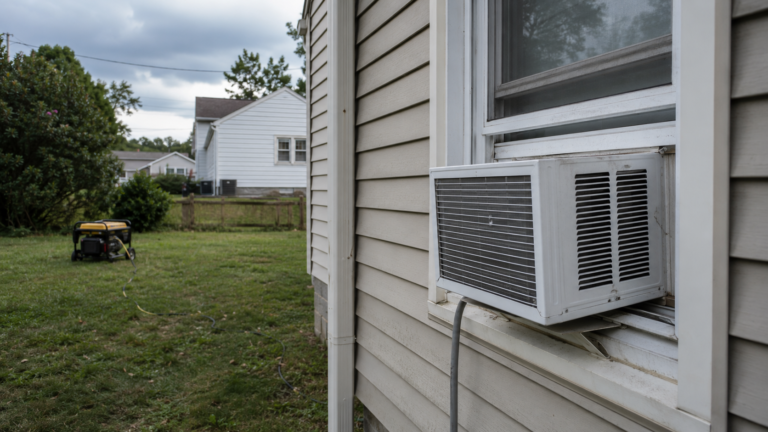
Most renters also have very limited backup power capability compared to homeowners. Large fuel generators are often prohibited because of fire hazards, ventilation dangers, noise restrictions, and building policies.
This means apartment preparedness depends heavily on compact battery systems, rechargeable lighting, efficient power management, and low-energy survival planning instead of oversized backup equipment.
Many people also underestimate how quickly communication and device dependency become problems during blackouts. Phones drain constantly while people search for updates, contact relatives, monitor outage reports, and attempt to maintain internet access. Once batteries begin dying, anxiety usually increases because communication itself starts feeling uncertain.
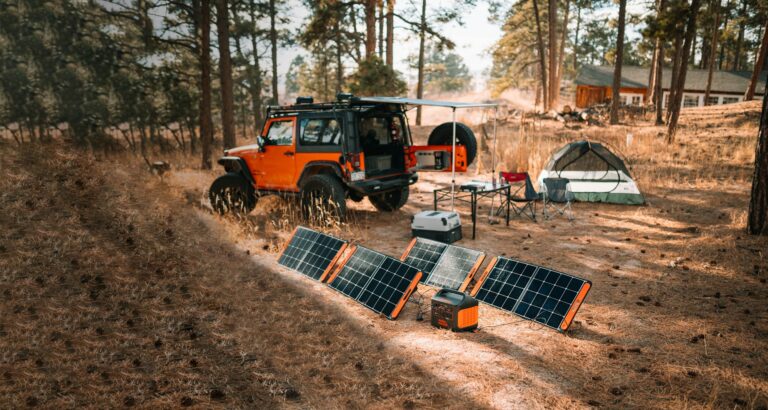
That is why layered charging systems become extremely important inside apartments during long-term outages. Portable power stations, battery banks, rechargeable lanterns, solar charging options, low-power lighting systems, and disciplined energy conservation all dramatically improve stability during blackouts.
Temperature management becomes another major issue once apartment HVAC systems fail.
During summer outages, apartments can trap heat rapidly, especially upper-floor units with poor airflow or direct sunlight exposure. During winter outages, temperatures inside smaller units may remain manageable for a while, but extended cold quickly becomes dangerous once heating systems stop functioning completely. Apartment residents often have fewer safe backup heating and cooling options than homeowners because of ventilation limitations and building safety restrictions.
One overlooked advantage of apartment living, however, is that smaller spaces usually require far less power overall. Compact apartments are easier to light, easier to cool with limited airflow strategies, and easier to manage with small battery systems compared to large homes. Apartment preparedness works best when households focus on efficiency instead of trying to recreate normal grid-powered living completely.
Reliable lighting alone dramatically improves morale, organization, movement, and safety during blackouts. That is why our Best Emergency Lights for Power Outages guide focuses heavily on lighting systems that continue performing well during realistic long-duration outages instead of cheap novelty flashlights that fail quickly under stress.
Apartment residents also benefit heavily from understanding realistic backup power planning before emergencies happen. Small power stations, layered battery systems, rechargeable devices, and efficient charging strategies often outperform oversized emergency gadgets inside limited living spaces. We covered those systems in detail inside our Grid-Down Survival Power Guide, because long-term outages require much more careful energy management than most people initially expect.
Another major mistake apartment residents make is assuming outages will always remain short-term. Once blackouts stretch beyond the first day or two, refrigeration problems, communication strain, sanitation issues, and supply shortages begin compounding quickly. That escalation pattern is exactly why planning for longer disruptions matters so much, especially in compact urban environments like the ones discussed inside Two-Week Power Outage Preparedness.
Inside a small apartment, losing electricity affects far more than convenience. It changes lighting, communication, security, temperature control, food storage, mobility, morale, and daily routines all at the same time. The households that manage blackouts best are usually the ones that already understand how to operate comfortably with less power long before the outage ever begins.
Apartment blackout survival depends heavily on limited battery capacity, safe indoor power usage, and realistic device prioritization. The Emergency Power Planner helps estimate backup needs for fans, phones, lighting, routers, and emergency communication equipment.


| Problem | What Fails | Best Backup Solution |
|---|---|---|
| Lighting | Hallways and rooms become dark | Rechargeable lanterns and battery lighting |
| Water | Pressure drops or stops | Stored containers and filtration systems |
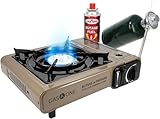
| Cooking | Electric stoves stop functioning | Portable butane stove |
| Communication | Networks become overloaded | Emergency radio and battery backups |
| Sanitation | Plumbing reliability weakens | Trash bags, wipes, backup hygiene supplies |
3. Food Storage and Cooking Become Much Harder in Small Spaces
Food preparedness inside an apartment requires a very different mindset than food storage planning in larger homes. Limited pantry space, small kitchens, lease restrictions, poor ventilation, refrigeration dependency, and compact living conditions all force apartment residents to think more carefully about how food is stored, rotated, cooked, and protected during long-term outages.
Most apartment households rely heavily on refrigeration without realizing how vulnerable that system becomes once power failures begin lasting longer than expected. Refrigerators warm up surprisingly fast during outages, especially when doors are opened repeatedly while people search for food, drinks, or melting freezer items. In smaller apartments where kitchens and living spaces are close together, spoiled food odors and rising indoor temperatures can quickly make conditions uncomfortable.
Another problem is that apartment residents usually do not have large backup storage areas once refrigerated food begins failing. Homeowners may have garages, outdoor freezers, backup sheds, patios, or larger coolers available. Apartment residents often have to manage food preservation, cooking, and storage entirely inside limited indoor square footage.
This forces households to become much more intentional about shelf-stable food planning.
One major mistake many urban households make is trying to prepare for emergencies by buying large amounts of random canned goods without considering storage efficiency, cooking requirements, nutrition balance, water usage, or fuel consumption. Effective apartment food preparedness works much better when households focus on compact, calorie-dense, low-preparation foods that store efficiently and require minimal cooking during outages.
Foods that perform especially well inside apartments during emergencies usually include rice, pasta, oatmeal, canned proteins, peanut butter, dehydrated meals, shelf-stable milk, protein bars, freeze-dried ingredients, soups, beans, and simple comfort foods that help maintain morale during stressful situations.
Cooking becomes another serious challenge once outages begin stretching beyond several hours.
Most apartment kitchens are completely dependent on electricity even when residents assume gas appliances will continue functioning normally. Electronic ignition systems, ventilation fans, microwaves, electric ovens, coffee makers, and refrigeration all stop working once power disappears. Apartment residents also face much stricter safety limitations regarding indoor fuel usage, open flames, ventilation, and carbon monoxide exposure.
That means backup apartment cooking systems must remain compact, fuel-efficient, safe for limited spaces, and realistic for long-duration use.
Portable butane stoves, carefully ventilated emergency cooking setups, no-cook meal planning, insulated food storage strategies, and layered shelf-stable foods often work much better inside apartments than oversized outdoor survival equipment designed for rural properties.
Food management also becomes much more important once outages begin lasting multiple days because apartment residents cannot afford to waste limited refrigeration time or emergency fuel unnecessarily. Families that already understand food rotation, meal planning, refrigeration timelines, and low-power cooking methods usually stay significantly more stable during long-term outages.
If you are trying to build a realistic apartment blackout cooking setup, our How to Cook During a Power Outage guide breaks down safe emergency cooking systems, fuel planning, and practical backup methods that work during extended outages.
Understanding how fast refrigerated food becomes unsafe is also critically important during apartment blackouts because limited space makes food spoilage harder to manage once indoor temperatures begin rising. We covered realistic refrigeration survival timelines in How Long Food Lasts Without Power, because many households unknowingly lose safe food much faster than expected during summer outages.
Households living in dense urban environments also benefit heavily from learning cooking methods that require less fuel, less heat, and less outdoor exposure during emergencies. In dense urban areas, outdoor cooking may not always be practical because of weather, security concerns, smoke restrictions, or crowded living conditions. That is exactly why the alternative methods covered in Campfire-Free Ways to Cook Your Meals This Summer become increasingly useful during realistic blackout scenarios.
Inside a small apartment, food preparedness is less about building giant stockpiles and more about creating reliable systems that continue functioning once refrigeration, cooking, and grocery access all become unstable at the same time.
4. Communication and Information Become Critical Inside Apartment Buildings
Communication problems often escalate faster inside apartment complexes than many residents expect because dense living environments place hundreds of people under the same infrastructure strain simultaneously. Once power outages spread through an apartment building, residents immediately begin searching for updates, contacting family members, checking outage reports, monitoring emergency alerts, and trying to determine how serious the situation is becoming.
That sudden surge in demand creates major pressure on communication systems very quickly.
Cell networks become overloaded. Mobile data slows down. Internet service becomes unstable. Backup batteries inside communication infrastructure begin draining. In larger outages, apartment residents may find themselves surrounded by hundreds of neighbors all competing for the same limited network access at the exact same time.
Modern apartment living depends heavily on digital communication systems operating continuously in the background even under normal conditions. Building access systems, package notifications, ride-share services, delivery apps, work communication, banking, navigation, security systems, and emergency updates all rely on stable internet and cellular access remaining available throughout the day.
Once those systems begin failing together, confusion spreads quickly.
One overlooked reality about apartment blackouts is that uncertainty itself becomes psychologically exhausting once communication reliability begins deteriorating. Residents may not know how widespread the outage is, how long restoration will take, whether water systems are stable, if elevators will remain offline, or whether nearby stores still have supplies available. In crowded urban environments, misinformation and rumors also tend to spread rapidly once official updates become inconsistent.
That is why dependable communication systems become far more important during apartment emergencies than many people initially realize.
Prepared apartment households usually focus on layered communication options instead of relying entirely on smartphones. Emergency radios, backup charging systems, battery-powered radios, offline maps, printed emergency contacts, GMRS radios, and low-power communication tools all help reduce dependency on overloaded digital infrastructure during long-duration outages.
Reliable information also improves decision-making dramatically during emergencies. Residents who understand what is actually happening are usually much calmer and more organized than those relying entirely on fragmented rumors spreading through hallways or social media panic.
Households in dense buildings should also think realistically about communication inside the building itself. Elevators may stop functioning. Hallways may become dark. Elderly residents may need assistance. Cell signals may weaken inside stairwells or concrete structures. Having simple local communication capability between family members or nearby neighbors can become extremely valuable once outages begin stretching longer.
If you are building a more dependable apartment communication setup, our Emergency Communication Systems Guide breaks down layered emergency communication planning, backup systems, and realistic ways to stay informed once normal infrastructure becomes unreliable.
Long-term outages also expose how vulnerable smartphone dependency really is during larger infrastructure failures. Phones themselves may continue functioning perfectly while towers lose power, internet systems fail, and overloaded networks become nearly unusable. That broader communication breakdown is exactly what we explored inside How to Communicate When the Grid Goes Down, because maintaining reliable information flow becomes increasingly difficult as communication, power, and utility systems deteriorate together.
People living in dense buildings should also understand how quickly communication systems begin degrading during extended emergencies. Congestion, panic, infrastructure strain, and power failures often spread in stages during the first several days of a blackout. We covered those escalation patterns in detail inside Communication Failure Timeline (0–72 Hours), because communication instability often develops much faster than people expect once large urban populations begin competing for limited infrastructure.
Inside apartment buildings, information itself becomes a survival resource during emergencies. The households that remain calmest during blackouts are usually the ones that already have dependable ways to receive updates, conserve power, coordinate with family members, and operate even when normal digital systems become unreliable.

5. Sanitation Problems Escalate Much Faster in Apartment Buildings
One of the most uncomfortable realities of apartment blackouts is how quickly sanitation problems begin developing once water pressure weakens, garbage services slow down, and hundreds of residents are suddenly confined inside the same building without normal utilities functioning properly. Most people focus heavily on food and lighting during outages, but sanitation failures often become one of the biggest long-term stressors inside apartment environments.
Small spaces magnify these problems immediately.
Limited ventilation, crowded living conditions, rising indoor temperatures, spoiled food, overflowing trash, restricted water access, and non-functioning plumbing systems can quickly make apartments feel far less livable once outages begin stretching beyond the first day or two. In larger complexes, the problem becomes even more difficult because sanitation strain affects entire buildings simultaneously instead of isolated households.
Toilets are usually one of the first major concerns apartment residents begin worrying about during extended outages.
Many apartment buildings depend on electrically powered pumping systems or municipal pressure stability to keep plumbing functioning normally, especially on higher floors. Once water pressure weakens or wastewater systems become overloaded, flushing capability can become unreliable surprisingly fast. Residents who never planned for backup sanitation suddenly find themselves trying to manage waste inside small apartments with limited supplies and no clear long-term solution.
Another issue is that apartment residents generally have far less flexibility for waste management during emergencies. Homeowners may have outdoor disposal areas, larger cleaning spaces, backup water access, or more distance between living areas and sanitation problems. Apartment residents often have to manage trash, spoiled food, hygiene supplies, and limited cleaning capability entirely within compact indoor spaces.
This is why sanitation preparedness becomes critically important during apartment blackouts.
Prepared apartment households usually focus heavily on layered hygiene systems before emergencies begin. Baby wipes, trash bags, waterless cleaning products, disinfectants, paper goods, backup toilet solutions, hand sanitizer, compact cleaning kits, and realistic waste management planning all dramatically reduce stress once outages begin affecting plumbing and water systems simultaneously.
Another major problem during apartment outages is how quickly illness risks increase once sanitation deteriorates. Shared hallways, elevators, stairwells, laundry areas, and crowded common spaces all increase exposure once hygiene standards begin slipping throughout the building. During hot weather blackouts especially, spoiled food and rising indoor temperatures can create sanitation issues much faster than many residents expect.
Households confined to small living spaces should also understand that sanitation strain affects morale heavily during emergencies. Once apartments begin smelling bad, garbage accumulates, toilets become unreliable, and cleaning becomes difficult, stress levels usually rise sharply. Families with children, elderly residents, pets, or medical needs often feel those pressures even faster.
One reason apartment blackouts become psychologically exhausting is because residents cannot easily separate themselves from building-wide sanitation problems. Noise, odors, hallway congestion, overflowing dumpsters, and frustrated neighbors all compound together once outages begin lasting multiple days.
That is exactly why realistic apartment preparedness depends on planning for sanitation early instead of treating it like an afterthought. Reliable hygiene systems dramatically improve comfort, health, morale, and overall stability during long-duration outages.
The first several days of an apartment blackout are usually where sanitation conditions deteriorate fastest because residents are still adjusting to limited utilities while buildings themselves begin straining under increased demand. We covered those early escalation patterns inside First 72 Hours After a Disaster, because sanitation problems tend to spread much faster once normal infrastructure becomes unreliable.
Apartment residents also tend to encounter shortages quickly once communities begin panic buying cleaning products, paper goods, trash bags, and hygiene supplies during outages. Those supply chain failures are exactly why sanitation products consistently rank among the earliest shortages discussed in What Runs Out First in a Blackout.
Inside a small apartment, sanitation is not just about comfort. It becomes a major factor in health, morale, safety, and whether the apartment remains realistically livable once blackouts begin stretching into longer-term infrastructure problems.

6. Security and Personal Safety Feel Different During Apartment Blackouts
Security concerns inside apartment buildings change dramatically once the power goes out for an extended period of time. Most apartment residents are used to living inside controlled environments where lighting, electronic access systems, cameras, elevators, neighboring activity, and constant infrastructure create a sense of normalcy and security in the background. During large blackouts, many of those systems begin failing simultaneously.
Hallways become dark. Parking lots lose visibility. Elevators shut down. Electronic gates may stop functioning correctly. Security cameras can fail once backup systems drain. Building entrances become harder to monitor consistently. In larger complexes, hundreds of frustrated residents may suddenly be dealing with rising stress, limited information, heat, noise, shortages, and uncertainty all at the same time.
This changes the atmosphere inside apartment buildings very quickly.
One important reality many people underestimate is that apartment blackouts are psychologically different from isolated power outages in rural homes. Apartment residents are surrounded by other people constantly. Noise travels through walls. Hallways remain active. Arguments become more common. Stairwells become crowded. Tension often increases once outages stretch beyond the first several days.
Another issue is that apartment residents have fewer physical layers separating them from surrounding activity during emergencies. Shared entrances, thin walls, common hallways, and limited escape routes all create vulnerabilities that become more noticeable once lighting and communication systems begin failing.
That does not automatically mean apartment blackouts become dangerous chaos. Most neighbors simply want stability, information, and normal utilities restored. But stressful conditions can absolutely increase theft risks, opportunistic crime, confrontations, and poor decision-making once shortages and uncertainty begin spreading.
Prepared apartment households usually focus on quiet security improvements instead of dramatic survival fantasies.
Reliable lighting, reinforced door security, communication capability, situational awareness, emergency planning, charged devices, and realistic evacuation options all matter far more during apartment outages than aggressive “tactical” gear most people will never realistically use.
One major advantage apartment residents do have is density itself. Buildings with active neighbors, shared visibility, and occupied units often discourage certain types of criminal behavior compared to isolated homes during outages. Residents who remain calm, organized, informed, and cooperative with trustworthy neighbors are usually in a much stronger position than people operating entirely alone.
Urban households should also think realistically about evacuation routes before emergencies happen. Elevators may stop functioning completely during outages. Stairwells may become crowded or poorly lit. Parking garages can become difficult to navigate. Traffic congestion in dense urban areas often becomes severe once fuel shortages, outages, or evacuations begin developing simultaneously.
That is why emergency planning inside apartments should always include realistic decisions about whether staying put or leaving actually makes more sense depending on the situation. We covered those factors extensively inside Should You Stay or Bug Out?, because evacuating during infrastructure failures often becomes much harder and more dangerous than many people initially expect.
Urban apartment residents also face unique mobility problems once outages begin spreading through cities. Fuel shortages, disabled traffic systems, stalled elevators, blocked roads, overwhelmed transit systems, and mass congestion can trap large populations quickly if evacuation planning starts too late. That broader urban movement problem is exactly what we explored inside Urban Survival: How to Bug Out From the City Without Getting Stuck in Gridlock.
Even residents who plan to shelter in place should maintain realistic evacuation capability if conditions inside the building deteriorate unexpectedly. Compact emergency kits, backup documents, medical supplies, flashlights, communication tools, and basic survival essentials all become extremely valuable once elevators fail, transportation systems slow down, or emergency services become overwhelmed. That is why maintaining a practical evacuation setup like the systems covered inside our Ultimate 72-Hour Bug Out Bag Guide remains important even for households primarily planning to stay inside the apartment during outages.
Inside apartment buildings, security during blackouts is usually less about preparing for movie-style collapse scenarios and more about remaining calm, difficult to target, informed, mobile if necessary, and capable of operating comfortably while surrounding infrastructure becomes increasingly unstable.

7. The Psychological Stress of Apartment Blackouts Builds Faster Than Many People Expect
One of the least discussed parts of apartment blackout survival is how quickly mental fatigue begins building once normal routines disappear inside confined living spaces. Most people prepare for physical problems like food shortages, lighting failures, or water disruptions. Far fewer prepare for the emotional pressure that develops once an apartment no longer feels stable, comfortable, or predictable.
Small spaces intensify stress much faster than larger homes during extended outages.
Dark rooms, rising indoor temperatures, poor airflow, spoiled food, constant noise, and limited privacy all become harder to tolerate once blackout conditions continue for multiple days. In apartment buildings, residents are also surrounded by the tension of other people dealing with the same frustrations at the exact same time. Hallway activity increases. Stairwells become crowded. Rumors spread quickly. Sleep becomes inconsistent. Even households with adequate supplies often begin feeling mentally drained once normal routines completely disappear.
Modern apartment living also depends heavily on invisible convenience systems operating continuously in the background. Elevators work automatically. Phones remain charged. Refrigerators stay cold. Internet access functions constantly. Water pressure remains stable. Deliveries arrive normally. Once those systems stop functioning together, daily life immediately feels less organized and far more uncertain.
Nighttime usually becomes the most psychologically difficult part of prolonged apartment blackouts.
Dark hallways, overheated rooms, distant sirens, flashing emergency vehicles, unfamiliar noises, and limited information create an atmosphere that feels completely different from a normal short-term outage. Families with children often struggle once boredom, disrupted sleep schedules, heat, and uncertainty all begin compounding together inside confined apartments.
Another major challenge is that apartment residents are constantly exposed to the emotional reactions of surrounding neighbors during emergencies. Frustration, panic buying, hallway arguments, complaints, misinformation, and visible stress throughout the building can quickly increase anxiety even for households that are otherwise physically prepared.
This is one reason preparedness improves psychological stability as much as physical survival capability. Reliable lighting, backup communication, stored food, water reserves, entertainment options, cooling strategies, and realistic emergency routines all help households maintain structure once normal infrastructure becomes unreliable.
Reliable information also becomes critically important during long-duration outages because uncertainty itself creates stress. Residents begin worrying about water pressure, fuel shortages, refrigeration failure, crime, supply shortages, family members, and restoration timelines. That broader social pressure is exactly why we explored infrastructure breakdown patterns inside How Fast Society Changes During a Long-Term Power Outage, because prolonged blackouts affect behavior and morale much faster than most people initially expect.
Communication instability makes these problems even worse. Overloaded networks, weak signals, limited updates, and conflicting information often leave residents relying on rumors spreading through apartment buildings or social media. We covered those communication breakdown stages in Communication Failure Timeline (0–72 Hours), because information reliability usually deteriorates much faster during large outages than most households expect.
Prepared households are typically far calmer during blackouts because they already understand what realistic outage conditions look like before emergencies begin. Families with layered systems in place usually conserve energy better, make clearer decisions, and avoid many of the panic-driven mistakes that develop once surrounding infrastructure begins deteriorating.
Inside small apartments, psychological stability becomes part of survival itself. The households that adapt best during prolonged blackouts are usually the ones that remain organized, informed, flexible, and capable of functioning calmly even after normal routines disappear.

8. Biggest Apartment Blackout Mistakes That Leave Residents Unprepared
Most apartment blackout failures are not caused by dramatic worst-case scenarios. They usually happen because households underestimate how quickly normal systems stop functioning once outages continue beyond the first several hours. Small mistakes compound fast inside confined living spaces where water, refrigeration, lighting, communication, sanitation, and temperature control all depend heavily on uninterrupted electricity.
Relying Entirely on Bottled Water
Many households assume a few cases of bottled water are enough for emergency preparedness. In reality, water demand inside apartments rises quickly once outages affect sanitation, cooking, cleaning, hygiene, and flushing capability at the same time. Households that only prepare for drinking water often discover they underestimated their actual needs significantly.
Assuming Cell Service Will Always Keep Working
Phones may still have battery life while overloaded towers, weak signals, internet failures, and congestion make communication increasingly unreliable. Apartment residents who rely entirely on smartphones without backup radios, charging systems, or alternative communication methods often lose reliable access to information much faster than expected.
Opening Refrigerators Constantly
One of the fastest ways to lose refrigerated food during a blackout is repeatedly opening refrigerator and freezer doors. Every unnecessary opening releases cold air and accelerates spoilage, especially during summer outages inside warm apartment buildings.
Having No Backup Lighting
Dark apartments become stressful and difficult to navigate surprisingly fast once nighttime arrives. Many residents rely only on phone flashlights, which drain batteries quickly and provide very limited lighting for extended outages.
Ignoring Ventilation and Indoor Heat
Upper-floor apartments and poorly ventilated units can become dangerously hot during summer blackouts. Many households focus heavily on food and power while underestimating how physically exhausting trapped indoor heat becomes once HVAC systems stop functioning.
Waiting Until Panic Buying Starts
Apartment residents who delay preparedness until outages are already developing often discover critical supplies disappearing immediately. Water containers, batteries, radios, shelf-stable food, sanitation supplies, and backup lighting systems are usually among the first items stripped from nearby stores once communities begin reacting to large outages.
Having No Evacuation Plan
Even households planning to shelter in place should maintain realistic evacuation capability if apartment conditions become unsafe. Elevators may fail, stairwells may become crowded, transportation systems may slow down, and urban traffic congestion can become severe once large populations begin reacting simultaneously.
The households that handle apartment blackouts best are usually not the ones with the most gear. They are the ones that already understand which systems fail first, which supplies matter most, and how to remain flexible once normal infrastructure becomes unreliable.
Why Apartment Preparedness Is Really About Reducing Dependency
Most people living in modern apartment environments are far more dependent on uninterrupted infrastructure than they realize. Electricity powers lighting, elevators, refrigeration, communication, internet access, HVAC systems, electronic payments, security systems, water pressure equipment, and daily routines so consistently that many people never seriously think about what happens once those systems stop functioning together.
Then the blackout lasts longer than expected.
At first, outages usually feel manageable. Phones still have battery life. Refrigerators remain cold. Water pressure continues working. Hallways stay relatively calm. Stores remain open. But once hours turn into days, apartment living changes very quickly. Heat builds indoors. Elevators fail. Communication slows down. Refrigeration weakens. Supplies disappear from nearby stores. Stress increases throughout the building. Small inconveniences begin turning into larger infrastructure problems.
This is exactly why apartment preparedness is not about turning small living spaces into overloaded survival bunkers.
Real apartment preparedness is about reducing dependency intelligently.
Reliable lighting. Stored water. Compact food systems. Backup communication. Sanitation planning. Portable power. Realistic cooking options. Emergency routines. Calm decision-making. These systems matter far more during long blackouts than collecting random survival gadgets that consume space without solving real problems.
One major advantage apartment residents often overlook is that smaller spaces can actually become easier to manage once households learn how to operate efficiently. Compact apartments require less lighting, less heating, less cooling, less food storage, and less overall power than large homes. Families that prepare carefully can often remain surprisingly stable during outages that leave unprepared neighbors struggling almost immediately.
Another important reality is that apartment blackouts are usually won or lost during the first several days.
Households that already have layered systems in place are typically calmer, more organized, and far more comfortable once shortages, outages, communication problems, and infrastructure strain begin spreading throughout the building. Families attempting to prepare after panic buying begins often find themselves competing for limited supplies at exactly the worst possible time.
That is why effective preparedness works best when built gradually before emergencies ever begin. Small improvements made consistently over time usually create much more long-term stability than last-minute panic buying during active outages.
If you are still building your overall preparedness foundation, our Emergency Preparedness Plan 2026 breaks down the core systems households depend on most during long-term emergencies and how to strengthen those systems realistically before infrastructure problems begin developing.
Urban households should also recognize that extended outages become significantly harder once they move beyond the first several days. Refrigeration fails, communication systems weaken, sanitation problems spread, fuel becomes harder to find, and stress levels rise throughout entire communities. That broader escalation pattern is exactly why long-duration planning matters so much, especially in dense urban environments like the ones discussed inside Two-Week Power Outage Preparedness.
Understanding how quickly these problems begin developing is also why the timeline covered in First 72 Hours After a Disaster remains so important for apartment residents. The opening phase of a blackout is usually where panic buying, confusion, communication failures, and infrastructure strain hit hardest.
The reality is simple. Apartment blackouts become dangerous much faster once people realize how many daily systems quietly depend on uninterrupted power and stable infrastructure operating in the background at all times.
The households that adapt best are usually the ones that prepared before the elevators stopped working, before the hallways went dark, and before everyone else started competing for the same limited supplies.

⚡ Free Blackout Preparedness Planner
Not sure where your blackout plan is weak? Download the FREE 17-page planner and organize your water, food, fuel, medical supplies, communication plan, and evacuation strategy.